In the contemporary art market, provocation, shock value, and boundary-pushing controversy are not merely tolerated—they are practically institutionalized. From Maurizio Cattelan’s infamous duct-taped banana titled “Comedian” to Damien Hirst’s platinum- and diamond-encrusted 18th-century human skull, “For the Love of God,” modern and contemporary artists have long understood that challenging the sensibilities of the public can be a powerful engine for cultural relevance and financial success.
Yet, while contemporary art is rarely immune to controversy, it
has not always been anticipated or welcomed by the audiences of yesteryear. At the turn of the twentieth century, the art world—particularly within the hallowed, highly conservative mediums of high painting and classical sculpture—was viewed, taught, and evaluated through the rigid lens of deeply ingrained conventions. Chief among these unwritten laws was the absolute demand for realistic representation: people were expected to look like people, landscapes had to resemble actual terrain, and rooms were supposed to faithfully mirror physical architecture.
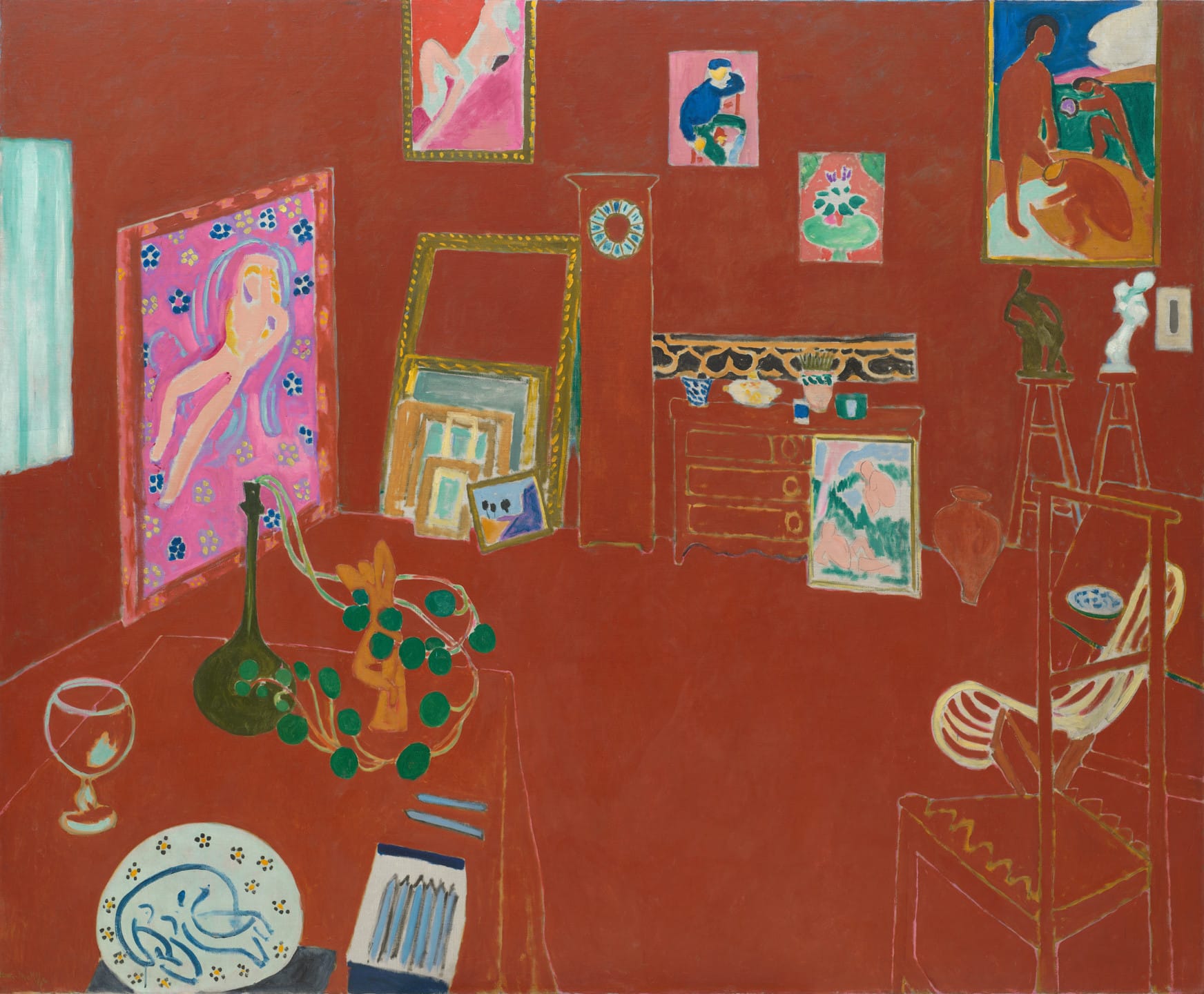
That comforting illusion of visual reality persisted unchallenged until Henri Matisse set out to paint “The Red Studio.” Today, this staggering, seven-foot-wide canvas stands as one of the crown jewels of the Museum of Modern Art’s permanent collection in New York City. Yet, as detailed in a brilliant and deeply engaging documentary short by art historian James Payne for the digital series Great Art Explained, the painting was so radically unexpected when it was first introduced that Matisse himself may not have fully grasped the monumental shift he had instigated—at least not immediately.
Payne’s architectural and historical analysis traces the extraordinary life trajectory of this paradigm-shifting painting, charting a course from Matisse’s innermost personal inspirations and mentors to the broader societal, philosophical, and technological shifts washing over the early twentieth-century art-viewing public. In the video, Payne notes that the painting seemed almost calculated to dismantle every single established rule of traditional Western painting.
At the time of its creation in 1911, virtually no one in the artistic establishment or the general public knew what to make of the expansive work. Matisse boldly and aggressively flattened the traditional picture plane, systematically stripping away the conventional cues of perspective, depth, modeling, and chiaroscuro that viewers had relied upon for centuries. He achieved this astonishing optical feat by applying a sweeping, aggressive wash of Venetian red across almost the entire surface of the canvas.
Payne delves into the fascinating backstory behind that signature choice of hue, illuminating how Matisse drew inspiration from his friend, mentor, and Symbolist master Gustave Moreau. Moreau had long preached that color should never merely be used to imitate nature blindly; rather, as Payne describes, color should be “thought, dreamed, and imagined.” Guided by this radical philosophy, Matisse allowed color to completely take over the composition, letting chromatic intensity substitute for traditional line work and stark tonal contrast.
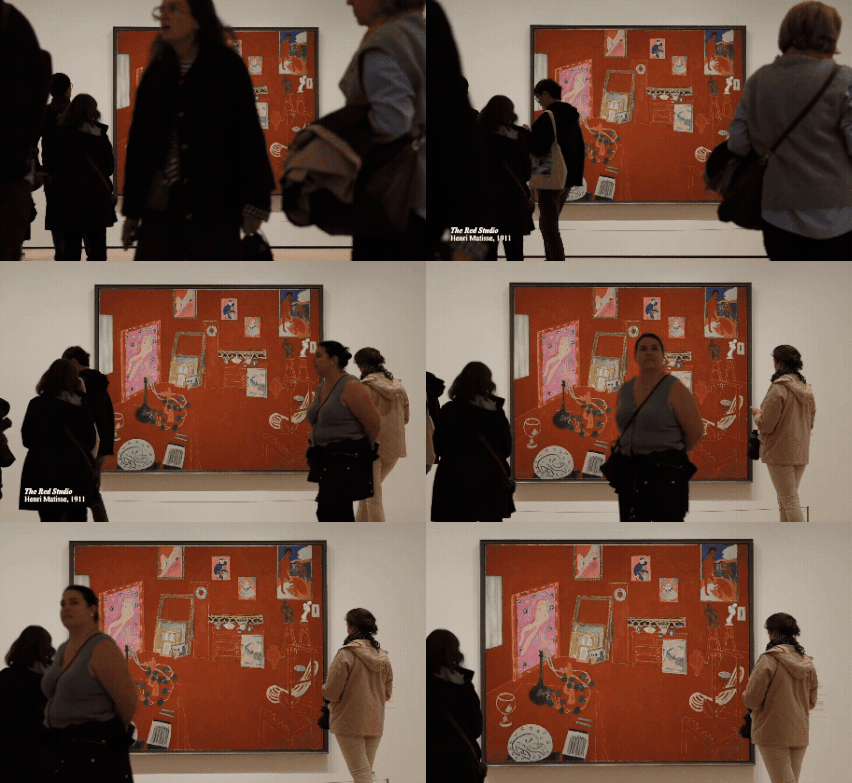
Reflecting on the sheer audacity of the piece, Payne points out that when Matisse finally completed “The Red Studio” in 1911, it emerged as quite simply one of the strangest, most confounding pictures anyone had ever laid eyes upon. The composition presented a familiar artist’s studio space, but one almost entirely consumed and asphyxiated by a relentless wash of red. Everyday furniture was reduced to delicate, ghostly outlines; paintings hanging on the walls seemed to float against surfaces that barely existed; and a large grandfather clock stood prominently in the corner, complete with twelve numerical markers but conspicuously devoid of hands to tell the time.
Even the artist who birthed it was not entirely sure what he had unleashed upon the world, and for a frustratingly long time, absolutely no one wanted to buy it. The market, completely unaccustomed to such avant-garde abstraction, flatly rejected the canvas.
The widespread resistance to the painting was vividly demonstrated when “The Red Studio” failed to find a buyer even at the landmark International Exhibition of Modern Art, far better known to history as the legendary Armory Show of 1913. That historic exhibition introduced American audiences to the most radical experimental styles of the era, including Fauvism and Cubism, alongside Marcel Duchamp’s proto-Dadaist masterpiece “Nude Descending a Staircase (No. 2).” Yet, even amid this riot of unprecedented modern experimentation, Matisse’s red-drenched interior stood out as too extreme for collectors and critics alike.
Although the painting subsequently traveled to numerous international exhibitions, it was routinely panned, misunderstood, and heavily criticized by conservative art critics who viewed it as an affront to traditional craftsmanship. Frustrated by the lack of appreciation and the chilly reception, Matisse eventually rolled up or hid away the canvas, keeping it out of public view for roughly a decade.
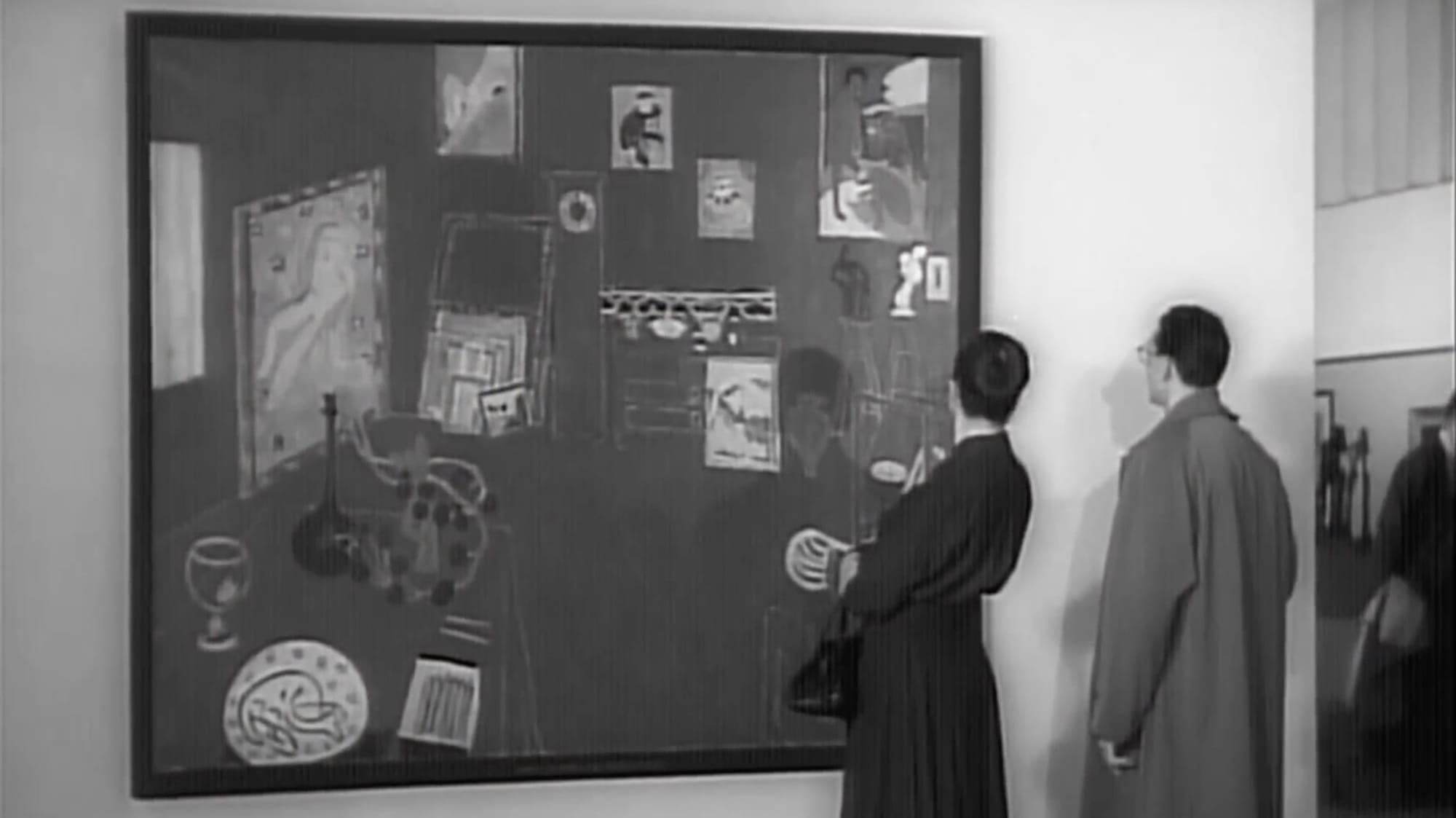
In a bizarre twist of fate that underscores the painting’s long and winding journey toward acceptance, the unorthodox work later experienced an unlikely, low-brow stint hanging inside a London nightclub. It required decades of shifting artistic perspectives, the rise of abstract expressionism, and a fundamental re-evaluation of early modernism for the global art establishment to finally recognize “The Red Studio” not as a repulsive failure of technique, but as a breathtakingly revolutionary milestone in the evolution of modern art.