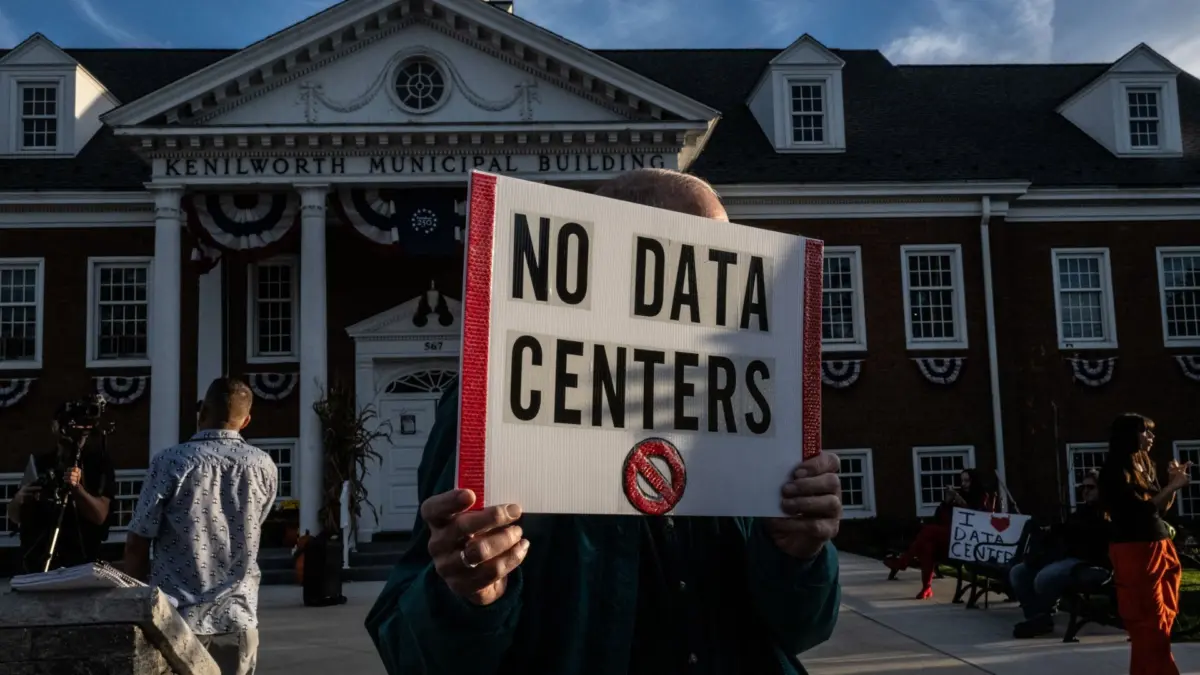
Tens of millions of Americans headed to the polls on Tuesday to participate in the midterm elections, delivering a sweeping series of generational Democratic victories across federal and state contests. The widespread leftward shift at the ballot box has been widely interpreted by political analysts as a decisive nationwide rejection of Trumpism. Yet, even as Republican candidates and entrenched incumbents suffered major losses in some of their most reliable traditional strongholds, the midterm elections also issued a separate, resounding rebuke to another rapidly growing source of voter frustration: the explosive, unregulated expansion of digital infrastructure and AI data centers.
Across the United States, at nearly every available opportunity, voters cast ballots in favor of local initiatives designed to halt, slow, or impose strict regulatory oversight on the pace of data center construction within their communities. Data compiled by tracking organizations such as Data Centers on the Ballot reveal a profound grassroots resistance. In local midterm elections held across American cities and townships featuring ballot measures specifically targeting data center construction, voters overwhelmingly favored restrictions on the rate of expansion in 38 out of the 39 completed vote counts.
The momentum against unchecked digital infrastructure development showed no signs of slowing in races where the final tallies were still pending. Among the eight local contests that remained open as votes continued to be processed, citizens supporting additional data center restrictions held the lead in all six races featuring partial reporting. For the remaining two contests, election officials reported that no results had yet been posted, leaving the final outcome hanging in the balance while local sentiment remained heavily skewed toward precautionary limits.
The nature of these legislative measures reflected deep-seated community anxieties over rapid industrialization. Across dozens of municipalities, voters considered charter amendments, zoning restrictions, and mandatory review periods designed to rein in developers rushing to capitalize on the artificial intelligence boom. These proposals ranged from requirements for independent environmental assessments to moratoriums on new permits until local municipal governments could guarantee that public utilities would not be compromised by the staggering power demands of modern server farms.
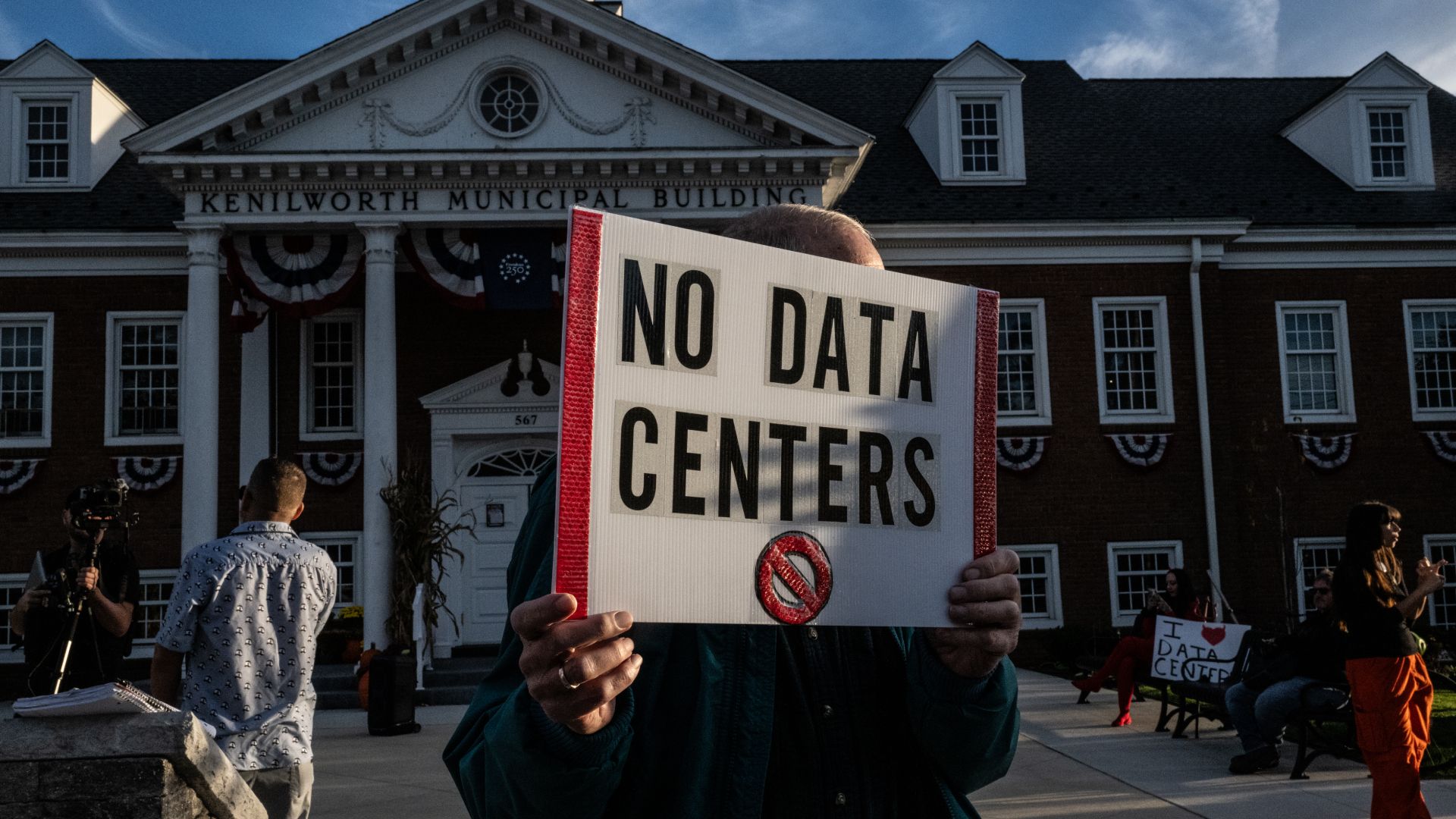
Out of the dozens of local initiatives placed before the American electorate, only a single ballot measure aimed at introducing data center restrictions failed to pass. In the small community of Harwood, North Dakota, voters narrowly rejected an amendment to the city charter that would have mandated an independent review before local authorities could approve any new data center construction or expansion projects. This singular defeat stood in stark contrast to the overwhelming wave of restrictive measures approved from coast to coast, highlighting how rare a frictionless path for data center developers has become in local politics.
The underlying motivations driving this unprecedented wave of local activism are complex but increasingly clear to political observers and industry analysts alike. Data compiled from national exit polls, including comprehensive surveys conducted by NBC News, underscored the rising political salience of technology infrastructure. According to the exit polling data, 56 percent of voters who cast ballots in Tuesday’s midterm elections considered the proliferation of artificial intelligence data centers to be either a "crucial" issue or "a major factor" in determining their choice of congressional representative.
Opposition to the relentless buildout of these facilities has been galvanized by a confluence of tangible local impacts. Voters living adjacent to proposed and existing sites have voiced persistent concerns regarding the severe environmental toll exacted by massive server operations, including the staggering amounts of water required for cooling and the immense strain placed on local and regional power grids, which frequently translates into higher energy costs for ordinary residential ratepayers. Additionally, communities have raised alarms over persistent noise pollution generated by industrial cooling fans running continuously around the clock, alongside broader economic ripples—such as local resource competition—that residents increasingly connect to the massive industrial footprint of the tech sector.
As the smoke clears from a midterm election cycle defined primarily by national political shifts, the unmistakable message sent by local electorates suggests that the future expansion of artificial intelligence and digital infrastructure will face intense, protracted scrutiny at the municipal level. With communities demanding a greater voice in how their local landscapes and resources are utilized to power the digital economy, the friction between tech sector ambitions and grassroots preservation is poised to remain a defining flashpoint in American politics for the foreseeable future.