More than a decade after its initial release, The Elder Scrolls V: Skyrim continues to captivate players with its rich lore, sprawling open world, and unforgettable journeys. Among the most iconic early-game experiences in the critically acclaimed role-playing game is the arduous pilgrimage to High Hrothgar, the mountaintop monastery of the mysterious Greybeards. To reach the summit of the Throat of the World, players must travel to the quiet village of Ivarstead at the base of the mountain and embark on a grueling trek known historically across Tamriel as The 7,000 Steps.
For years, dedicated players and lore enthusiasts have debated the architectural reality of this legendary path. Veteran players quickly discovered that the path winding up the side of the mountain does not actually feature 7,000 physical steps. Due to natural terrain erosion, heavy snowfall, and the immense challenges of open-world game design, some of the steps are buried beneath thick drifts, making an exact physical count impossible. Even so, the actual number of stone steps rendered in the game is closer to 700—a far cry from the lofty figure cited by the citizens of Skyrim.
Even when measuring the journey by the number of individual footsteps a player character takes during the ascent, the math still falls short of the lore. According to comprehensive data compiled by the dedicated researchers at the Ultimate Elder Scrolls Portal, it takes approximately 2,400 footsteps for the Dragonborn to successfully climb from the base of Ivarstead to the heavy wooden doors of High Hrothgar.
Now, fresh light has been shed on this discrepancy. As part of Bethesda Game Studios’ sweeping 40th-anniversary celebrations—a milestone that notably included the official confirmation and subtitle reveal for The Elder Scrolls 6—the studio reflected deeply on its storied history and the creative hurdles overcome during the development of its most famous titles. Through these retrospective materials, Bethesda developers pulled back the curtain on the creative process behind Skyrim, confirming that the development team genuinely attempted to include all 7,000 steps on the side of the mountain.
In a detailed developer retrospective shared during the anniversary event, a Bethesda environment artist explained the immense logistical challenges involved in shaping the game’s geography. While the artist noted they were not responsible for the rough, foundational layout of Skyrim’s overarching terrain, they played a critical role in refining the dramatic shapes, silhouettes, and verticality of High Hrothgar.
"I would look at the mountain from various viewpoints and tried to keep the shape interesting," the developer shared, detailing the meticulous process of sculpting Tamriel’s highest peak. "My work on the ‘Throat of the World’ was not limited to sculpting the mountain, but also included cluttering and dressing the mountain with visual effects, plants, and objects."
Crucially, this environmental dressing encompassed the infamous 7,000 steps that have tormented virtual pilgrims for over a decade. The developer expressed a deep personal commitment to maintaining absolute fidelity to established game lore and realistic geography, explaining that they "did [their] darndest to find a way to fit all 7,000 steps into the storied path."
The reality of open-world development, however, quickly intervened. The developer revealed that their most dedicated attempt to build a historically accurate, fully stair-stepped path resulted in a staggering geographic anomaly. The monumental staircase extended far past the borders of Ivarstead, winding extensively around the massive contours of the mountain range before finally terminating far to the northwest near the city of Whiterun, deep within the frozen tundra.
"It turns out, 7,000 is quite a lot!" the developer remarked, highlighting the stark contrast between literary world-building in fantasy writing and the practical spatial constraints of rendering an interactive 3D video game environment.
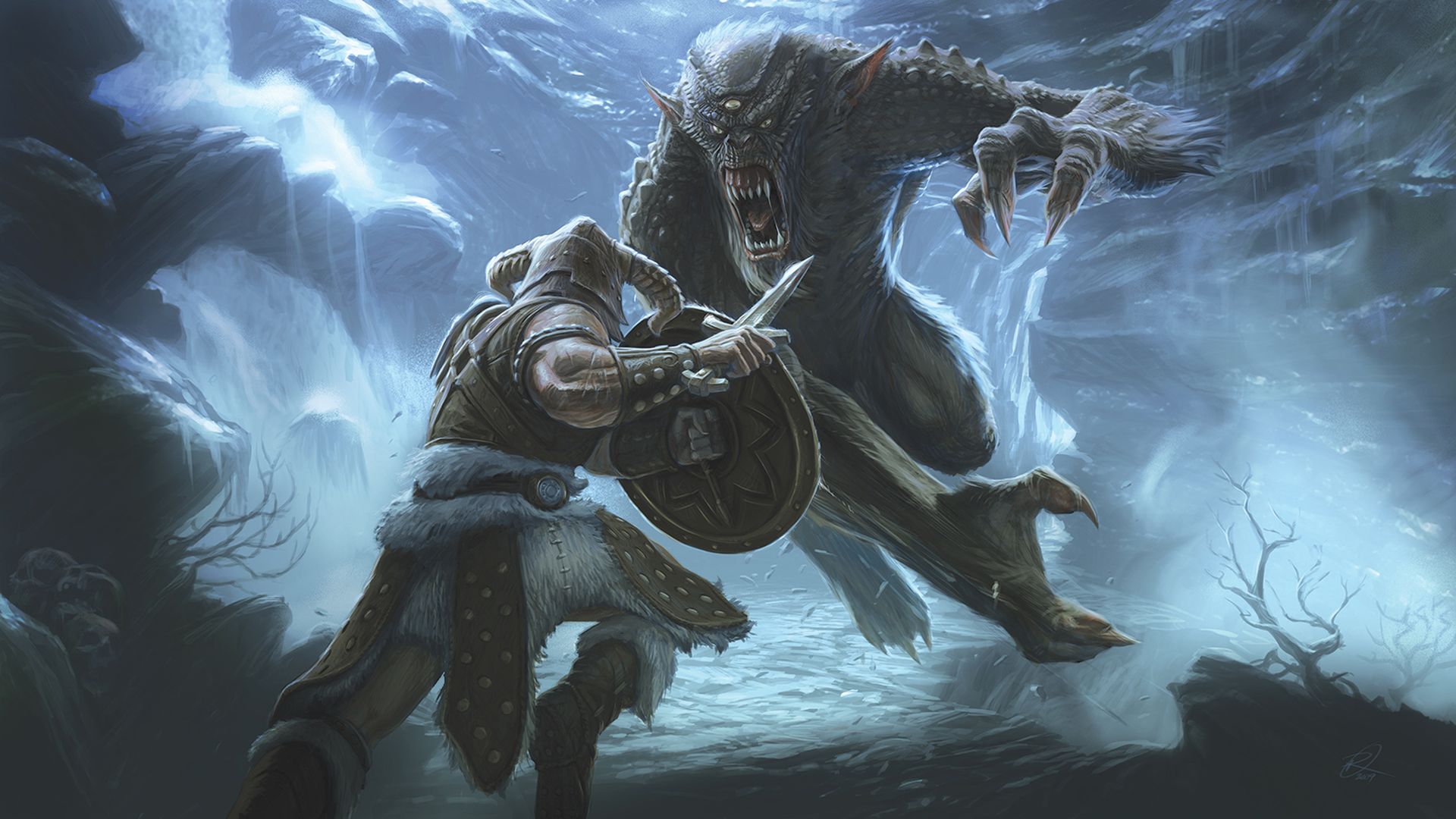
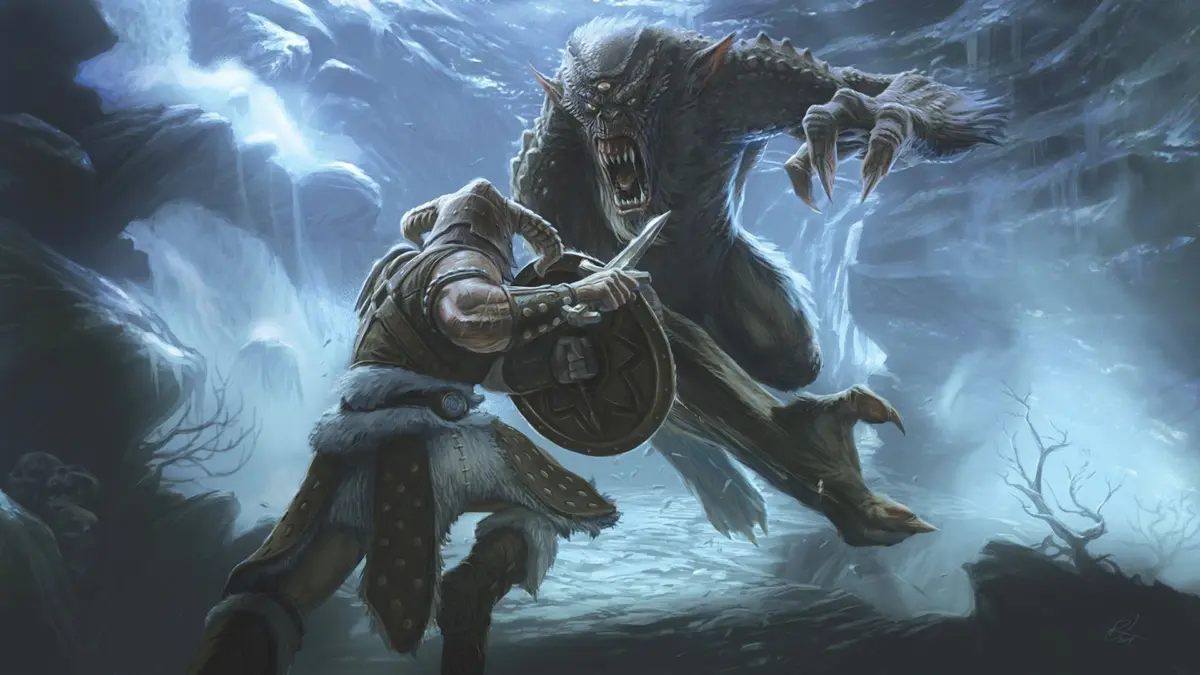
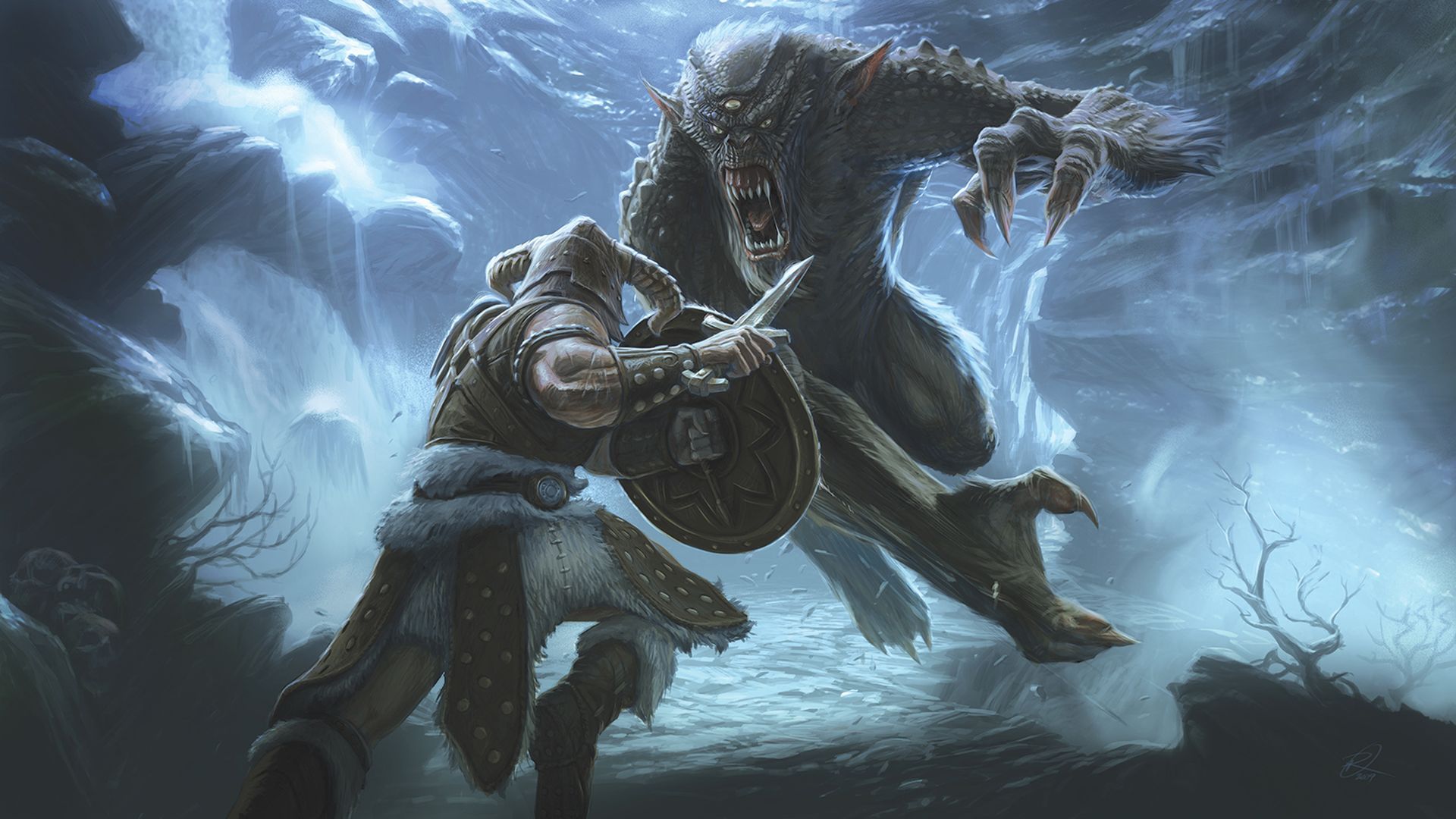
To make the game playable, navigable, and visually coherent within the scope of the engine, the path had to be drastically compressed, leaving the physical staircase at a fraction of its canonical length. The developer humorously added one final clarification regarding the hazards of the climb, noting, "By the way, my work did NOT include enemy encounters, so I take no responsibility for the Frost Troll that was the woe of many players."
This creative compromise is hardly unique to the climb up High Hrothgar; it is a fundamental characteristic of open-world game design. Much like the capital city of Solitude, which features a population of fewer than 100 residents within the game engine despite being portrayed in lore as a sprawling, heavily populated metropolis, distances and scales throughout Skyrim are compressed to ensure players can traverse the map without spending real-world weeks on a single journey.
Just as every named non-player character in the province implies an unseen broader population operating off-camera, the truncated staircase represents a stylized version of a much longer, more grueling reality. For every visible step the Dragonborn conquers on the way to consult the Greybeards, there are multiple implied steps left to the imagination—alongside the lingering memory of the notoriously aggressive frost trolls lying in wait for unsuspecting travelers.