Every photographer and videographer who has ever downloaded a companion mobile application for their camera knows the frustration. Whether it is unexpected connection drops, laggy live views, or frustrating user interfaces, official manufacturer apps frequently leave creators wishing for a better alternative. For one resourceful Reddit user, the annoyance finally reached a breaking point, inspiring a creative hardware and software project that has since captured the attention and envy of the online photography community.
Tired of the unreliable software ecosystem surrounding modern hybrid cameras, a user known online as el1asjr decided to take matters into his own hands. Frustrated by the experience of connecting his iPhone to a Panasonic Lumix S9, he engineered a custom, dedicated wireless controller from scratch. The resulting compact device is so sleek, responsive, and functional that fellow camera enthusiasts on social media are already lining up with purchase requests, eager to get their hands on a hardware-based alternative to smartphone apps.
The catalyst for the project was a very specific set of grievances common to content creators who shoot solo. In a post shared widely within the online Lumix community, el1asjr detailed the daily operational hurdles that drove him to build the gadget. He explained that he hated having to constantly connect his iPhone to the Lumix S9, noting that the official app frequently disconnected at critical moments. Furthermore, relying on the camera’s native Wi-Fi connection forced him to sacrifice his smartphone’s internet access—a major inconvenience for creators who need to stay connected online while simultaneously recording video content of themselves.
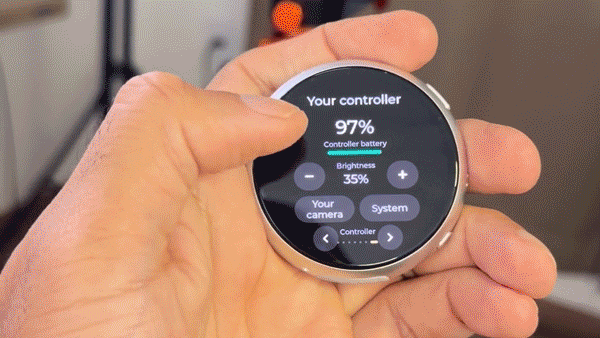
Determined to eliminate these operational bottlenecks, he set out to build a standalone wireless controller that could bridge the gap between convenience and professional control. The device he ultimately created allows him to monitor his framing and manage a comprehensive array of camera settings completely independent of a mobile phone. Directly from the compact controller, he can adjust focus, ISO, shutter speed, aperture, look-up tables (LUTs), video formats, and aspect ratios. Thrilled with the final outcome, he shared his prototype online, sparking an immediate wave of interest from creators facing the same technological hurdles.
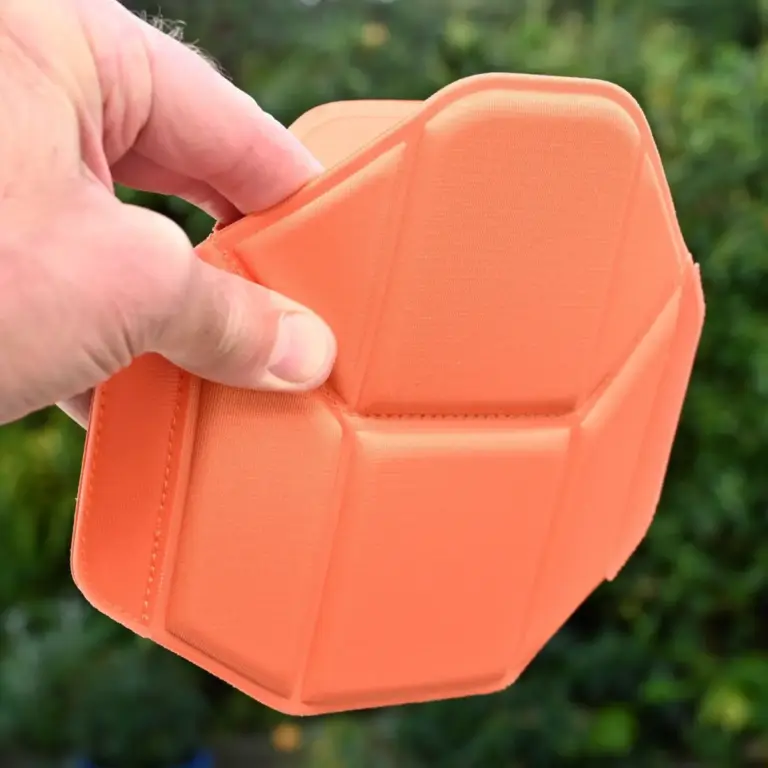
To construct the physical controller, el1asjr turned to the Waveshare ESP32-S3, a programmable device priced at around $40. Featuring a vibrant AMOLED touchscreen housed in a pebble-style form factor, the hardware resembles a smartwatch stripped of its wrist straps. Explaining his choice of components, the creator noted that he has always appreciated Waveshare’s hardware offerings, finding this particular microcontroller to be the ideal canvas for his envisioned project. Yet, despite the polished appearance of the physical unit, sourcing and assembling the hardware was actually the most straightforward phase of the entire undertaking.
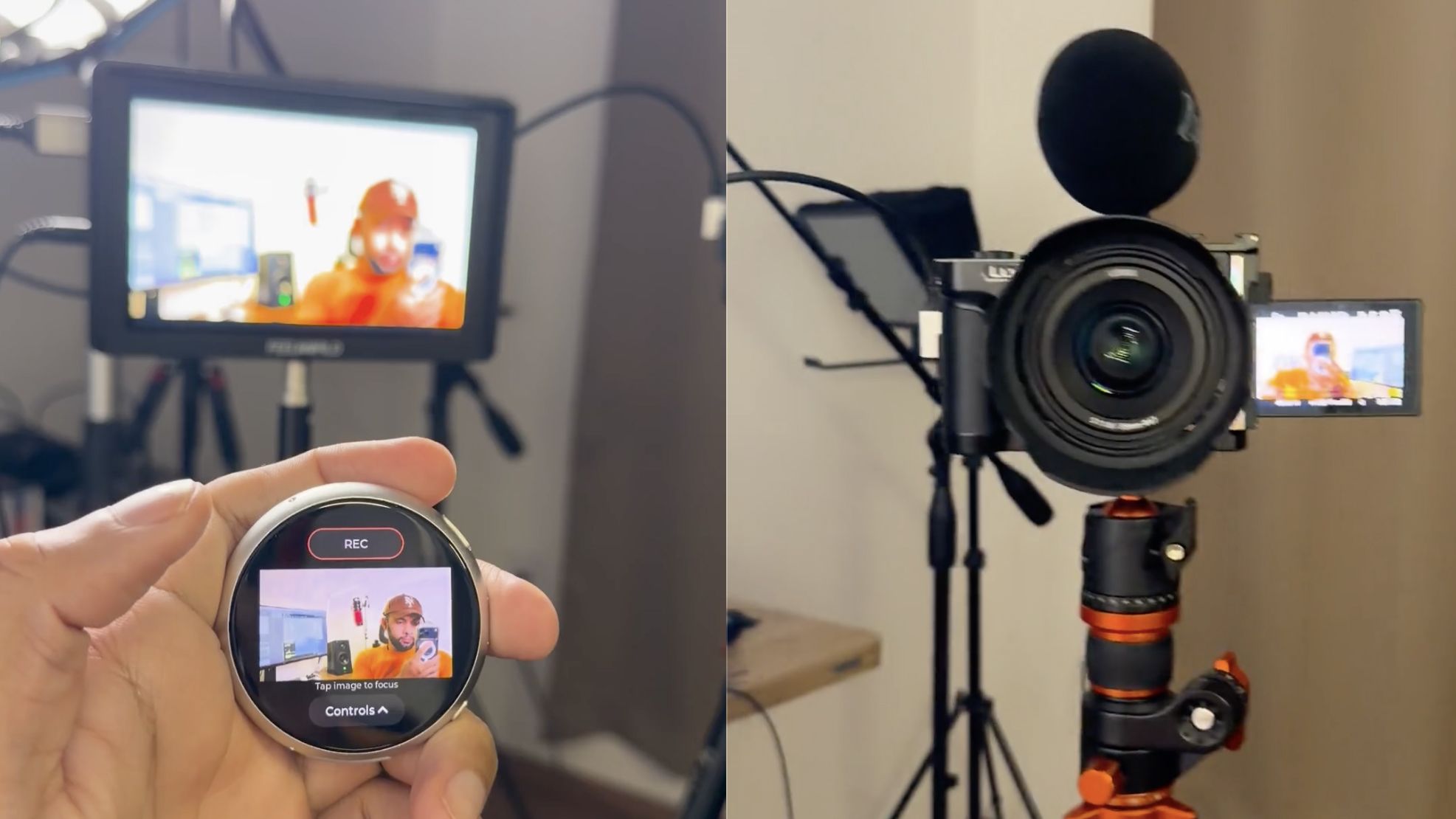
According to the creator, building the physical interface is only a small piece of a much larger puzzle. He points out that aspiring inventors could easily choose alternative hardware paths, such as using an old smartphone to code a custom app, deploying a Raspberry Pi, or utilizing virtually any other programmable microcontroller on the market. The true hurdle lies far beyond the physical assembly, residing entirely within the complex realm of software development and communication protocols.
Developing a seamless bridge between a custom-coded device and a sophisticated modern camera is no trivial task. Refuting the common notion that modern artificial intelligence tools can instantly generate complex software solutions with a simple prompt, el1asjr emphasized that leaning solely on large language models like ChatGPT or Claude falls far short of what is required. He spent weeks intensively writing and refining code to achieve the level of reliability and responsiveness his controller exhibits, demonstrating that bridging proprietary camera firmware requires patience, extensive debugging, and deep technical persistence.
The core difficulty, he explained, centered on software engineering and ensuring that every command transmitted from the controller interacted flawlessly with the Lumix S9. Because commercial cameras are not inherently designed to accept open-source external controllers via custom wireless protocols, every element of the interface, command structure, and feature set had to be meticulously designed and programmed specifically for this application.
While the current iteration of the device successfully supports the Panasonic Lumix S9 and the Sony ZV-E10, the online response revealed an immense, untapped market demand for hardware controllers tailored to other popular camera systems. As word of the project spread across digital photography forums, the discussion thread quickly flooded with inquiries from users of various other camera brands and models. Beyond simple compatibility requests, community members began pitching ideas for advanced features and granular controls, such as anamorphic desqueeze tools and open-gate video settings.
Whether the solo creator will be able to scale his project to meet the overwhelming influx of customization requests remains to be seen. However, he has confirmed his intention to share the project with the wider camera community as soon as the software undergoes further refinement, stabilization, and polish. Acknowledging the enthusiasm of his peers, he noted that he would genuinely love to share his work with fellow creators once it is fully ready, while cautioning that bringing such a complex project to a public release standard is a meticulous process that still requires considerable time and effort.