Action camera pioneer GoPro is expanding its hardware footprint into an entirely new category. Following recent historic expansions into mirrorless systems and larger sensor action platforms, the company has officially pulled back the curtain on its first fully integrated, technology-enabled motorcycle helmet, developed in direct collaboration with renowned Italian protective headwear manufacturer AGV.
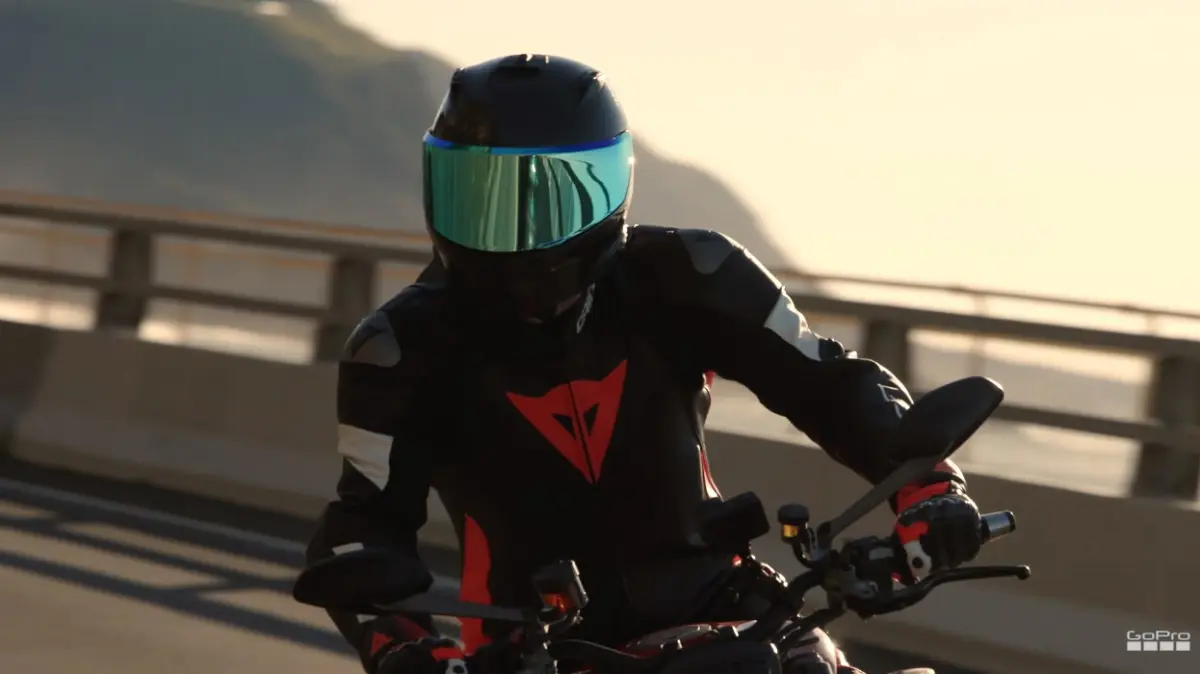
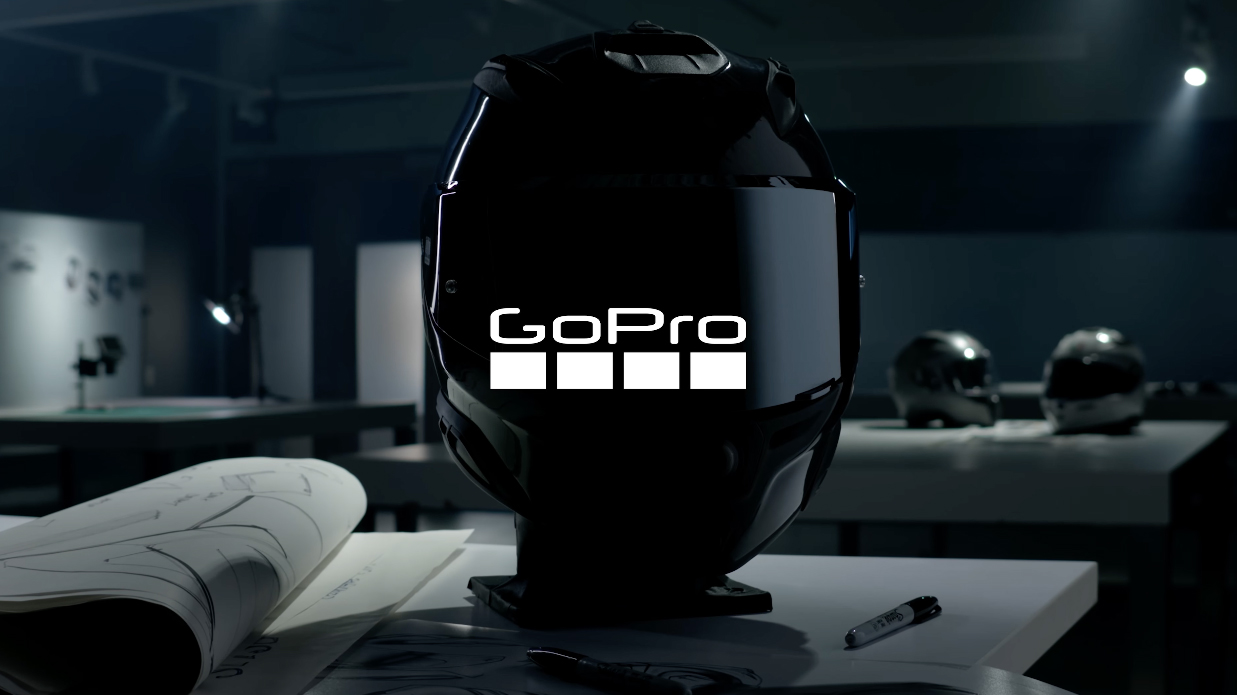
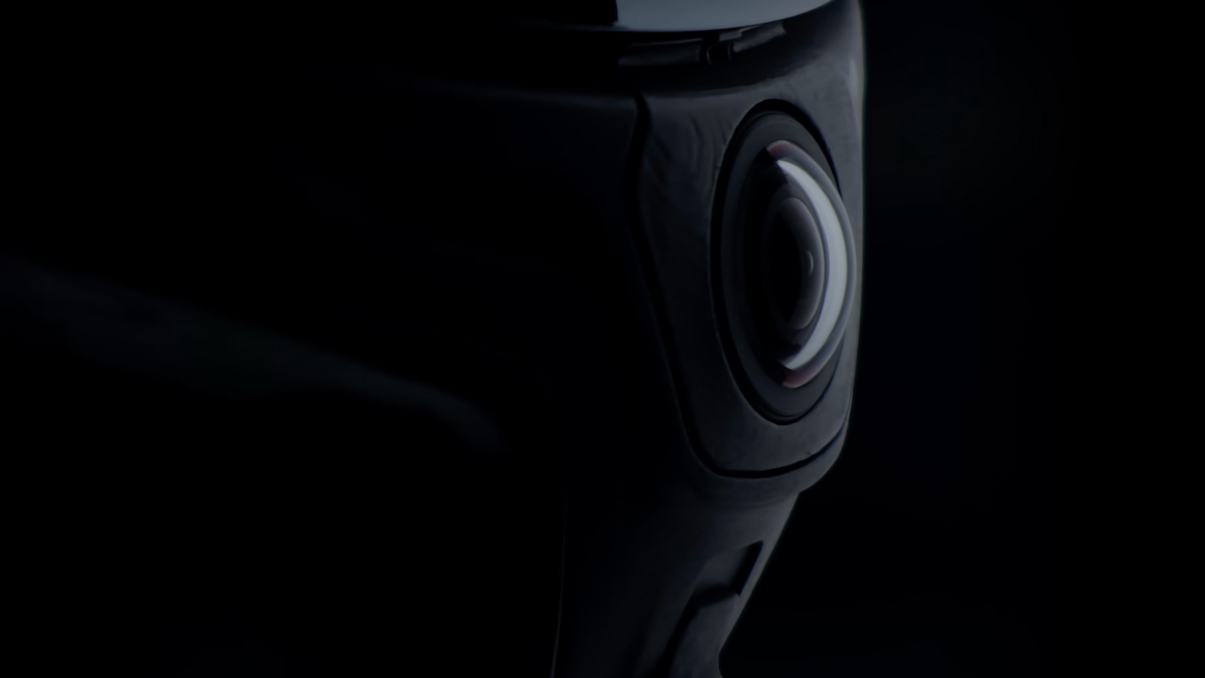
In a promotional teaser released on Monday, November 2, GoPro showcased a sleek full-face motorcycle helmet featuring a high-performance camera seamlessly embedded directly into the shell just below the visor. The brief video footage also offered viewers a thrilling look at what appears to be onboard point-of-view recording captured during the helmet’s maiden voyage on a racing circuit, demonstrating the potential of a factory-installed camera system that eliminates the need for external mounts, adhesive pads, and external housing units.
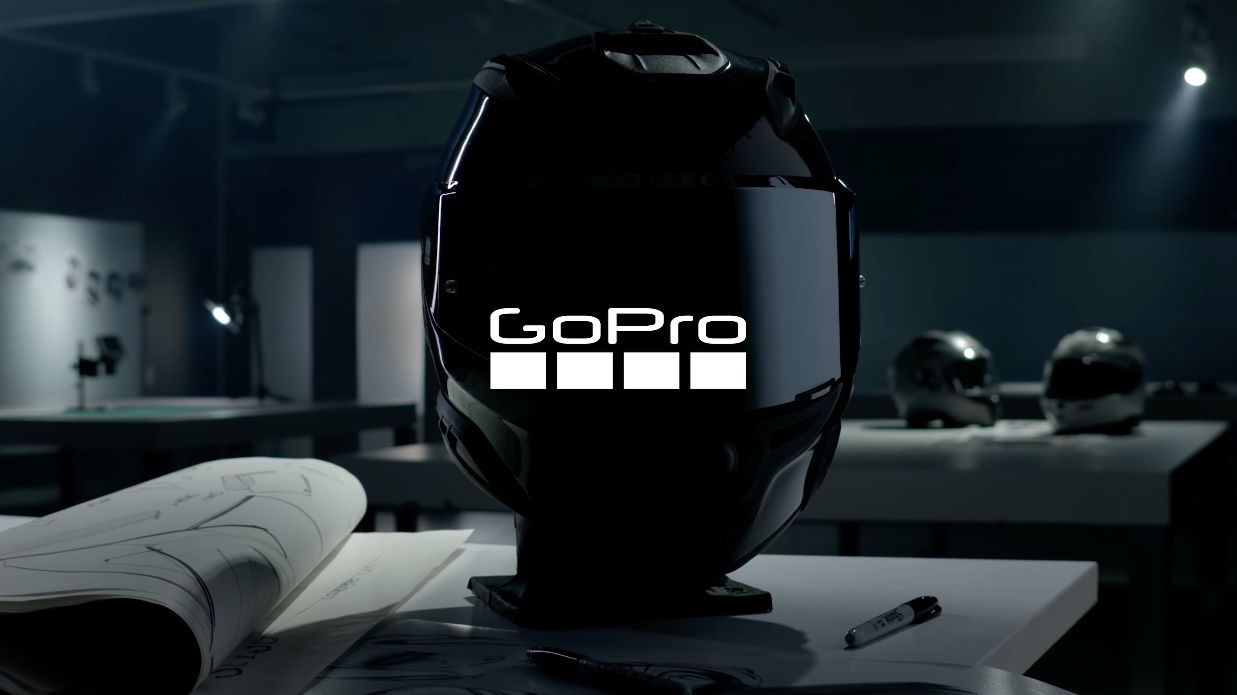
According to GoPro, the highly anticipated smart helmet is scheduled for an official commercial release in 2027. This milestone formally confirms the realization of a project that has been quietly developing behind the scenes following GoPro’s strategic acquisition of Forcite Helmet Systems, an Australian high-tech motorcycle technology brand, in early 2024.
While the initial announcement establishes a firm timeline for a 2027 launch and highlights the streamlined full-face industrial design, GoPro’s introductory teaser leaves several questions unanswered regarding the full suite of hardware and software features that will ultimately ship with the final consumer product. Beyond the visible camera integration and the promise of a unified ecosystem, precise technical specifications remain tightly under wraps.
The trajectory of this partnership dates back to 2024, when GoPro first began dropping subtle hints to the tech and motorcycle communities regarding the future of intelligent headwear. At the time of those early disclosures, GoPro’s flagship hardware lineup relied primarily on the familiar and highly capable Hero Black series of action cameras. However, the technological landscape within the company has since evolved significantly with the introduction of alternative form factors, including the larger-sensor Mission 1 series.
A close examination of the sample footage released in the teaser offers compelling clues about the underlying optical hardware powering the AGV collaboration. Industry analysts and equipment reviewers note that the broader sensor found in newer professional-tier devices like the Mission 1 Pro requires a slightly narrower field of view and features a longer minimum focus distance of roughly 24 inches, or 60 centimeters. By contrast, the handlebars, motorcycle controls, and rider’s hands visible in the new teaser footage remain remarkably crisp and well-focused. This visual clarity strongly suggests that the integrated camera module shares more technical DNA with the Hero13 Black ecosystem, which utilizes a closer minimum focus distance of approximately 12 inches, or 30 centimeters, making it exceptionally well-suited for close-range motorcycle perspective shots.
Furthermore, it would come as a significant surprise to industry observers if the upcoming helmet did not incorporate HyperSmooth, the proprietary electronic image stabilization technology that has served as a cornerstone of GoPro’s market dominance for years. Delivering buttery-smooth video footage despite the vibrations, high speeds, and sudden movements inherent to motorcycle riding will undoubtedly be a primary selling point for the collaborative venture.
The promotional material asserts that the upcoming helmet will provide riders with all the technology and performance they require built directly into a single protective unit. Nevertheless, GoPro has yet to specify precisely what supplementary technical capabilities will accompany the integrated camera. AGV’s current catalogue of protective gear does not feature a fully realized smart helmet, though established models like the AGV Tourmodular are well-regarded for incorporating pre-engineered communication systems designed to keep riders connected on long journeys.
In the broader marketplace, existing smart helmets that feature built-in cameras frequently integrate a comprehensive array of additional technological enhancements. These can include heads-up display overlays, built-in spatial speakers, active noise cancellation to mitigate wind roar, and integrated crash detection sensors capable of alerting emergency services in the event of an accident. Because GoPro has chosen to keep its cards close to its chest, motorcycle enthusiasts and digital content creators alike will likely need to exercise patience as development continues toward the planned 2027 release window, when the full scope of the AGV and GoPro engineering effort will finally be revealed.