This vibrant Central European capital has increasingly become a haven for independent creators, artisans, and discerning curators who draw inspiration from the city’s complex history and rich design heritage. A journey through the streets of Pest and Buda reveals a thriving retail ecosystem that spans minimalist home goods, fine natural wines, specialized vinyl record stores, and avant-garde fashion labels.

Pauza: Basic Brilliance
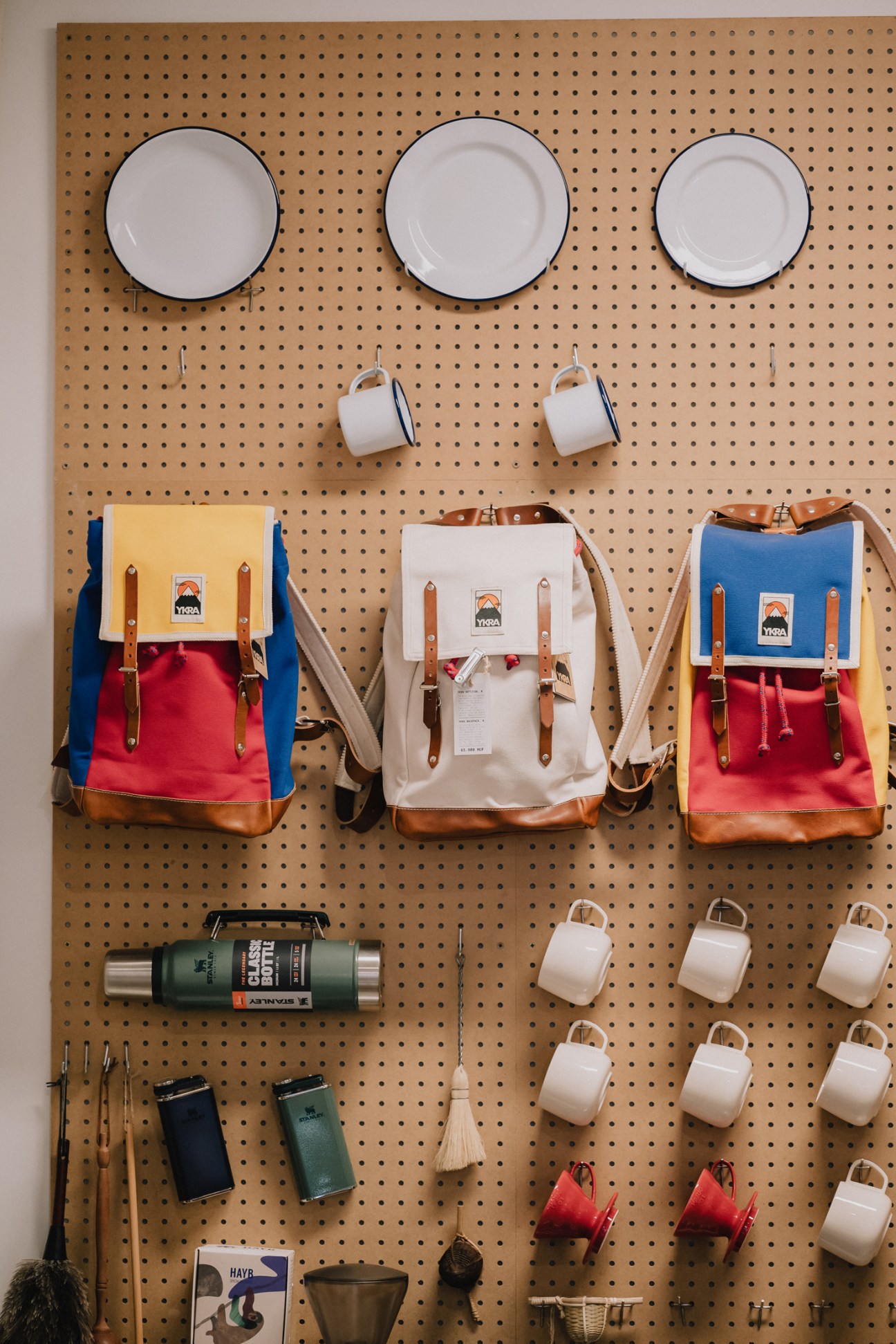
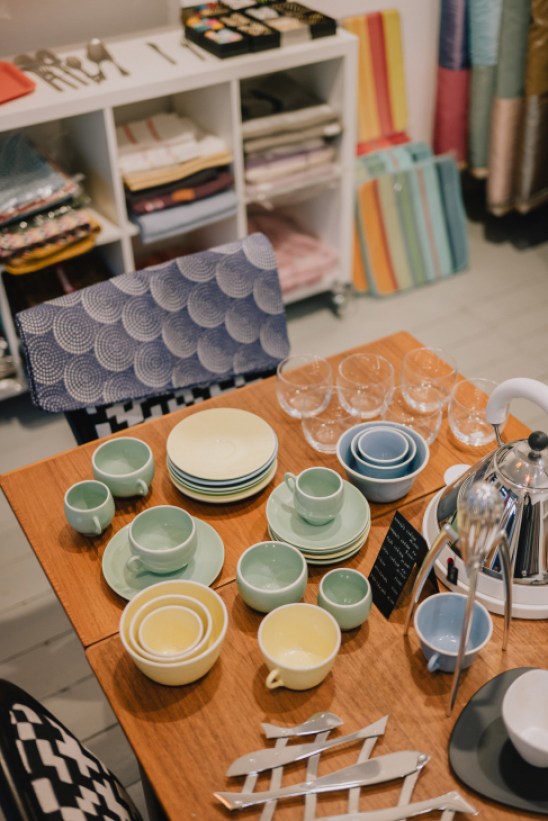
The entrepreneurial spirit animating the city’s modern retail scene is exemplified by Pauza, founded in 2016 by Éva Klément and her husband, Zoltán Nádasy. Following a transformative backpacking trip through North America and Asia, the couple decided to quit their corporate jobs to establish a storefront centered on everyday utility and timeless design. The shop’s inventory reflects its guiding motto of basic brilliance, offering items such as handcrafted coffee cups by Hungarian ceramicist Anett Sáfrá, minimalist enamel kettles from Japanese maker Noda Horo, and woolen blankets from Finnish brand Lapuan Kankurit. Among their most popular offerings are the colorful backpacks from YKRA, a Budapest-based brand whose aesthetic draws direct inspiration from 1970s mountaineering equipment.
Marlou Wine Bar & Store: Fine Wining
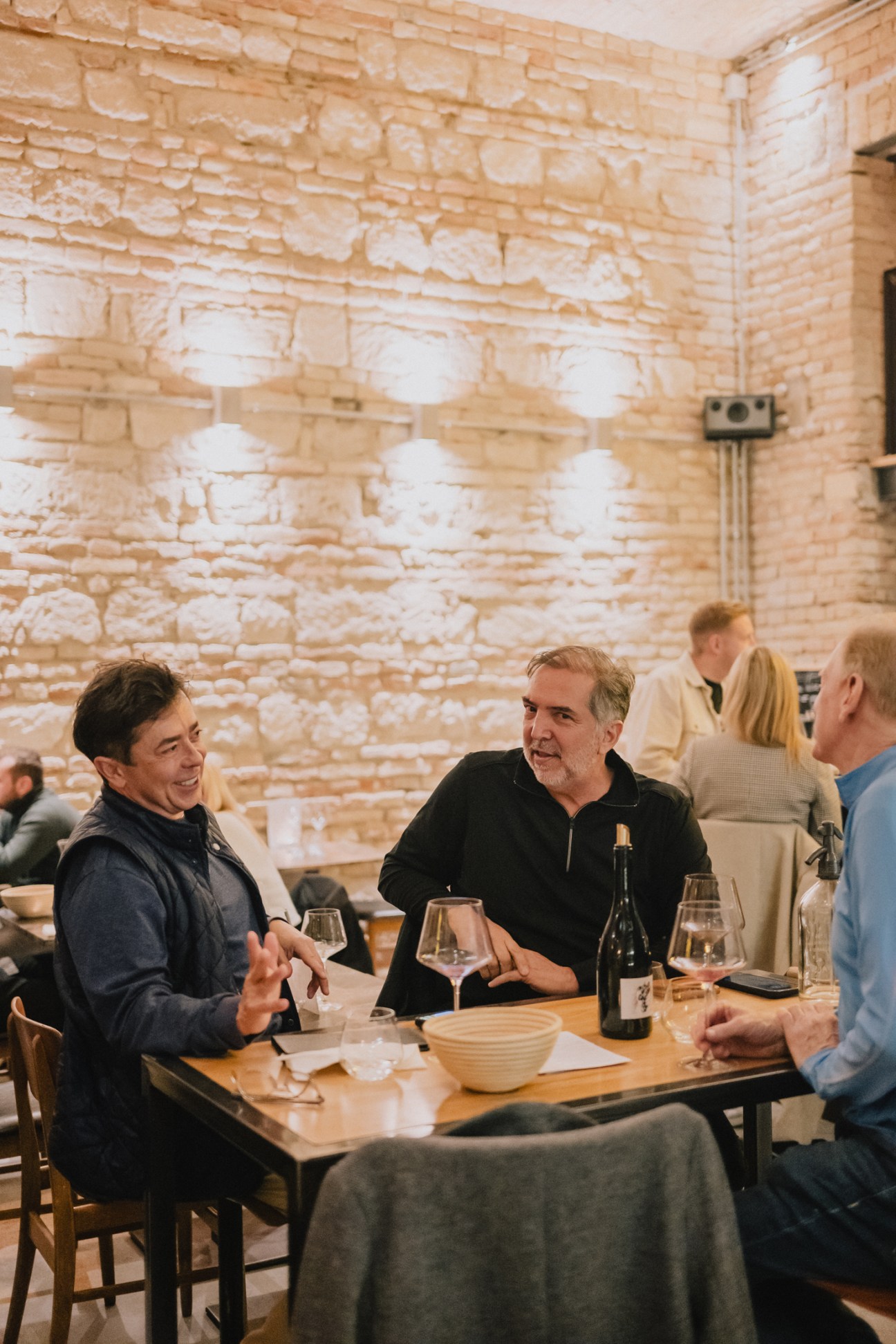
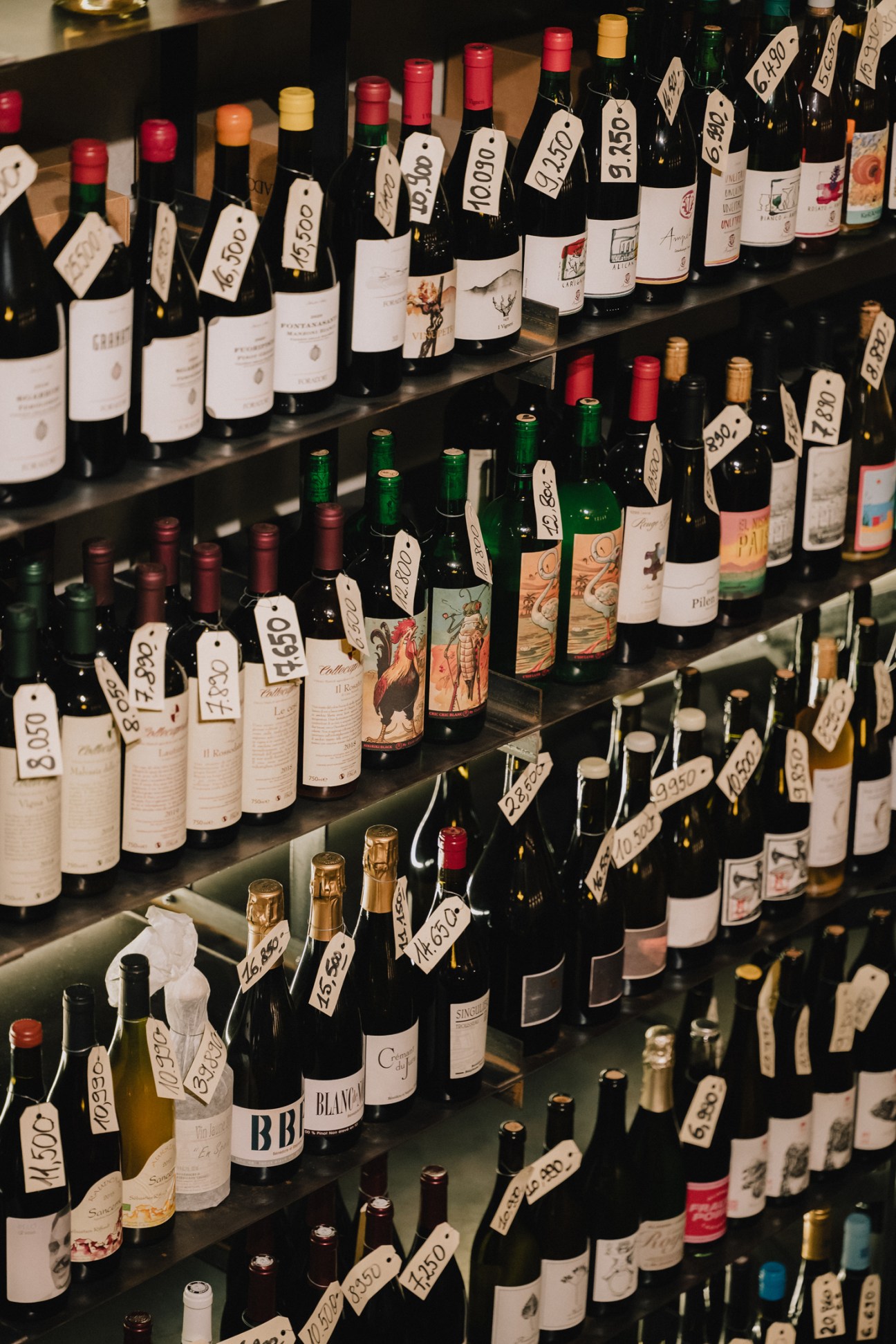
A short distance away, behind the grand neoclassical facade of Budapest’s Opera House, lies Marlou Wine Bar & Store. Owner Jean-Julien Ricard first visited Hungary two decades ago and instantly fell in love with the capital. Opening his doors in March 2020 just days before the onset of the first coronavirus lockdown, Ricard managed to build a resilient business that transitioned successfully from a retail bottle shop into a vibrant bar and bistro. Marlou specializes in a carefully curated selection of natural and conventional wines sourced from both Hungary and France, highlighting regional producers such as natural winemaker István Bencze from the volcanic hills surrounding Lake Balaton.
Kalóz Records: Spin City
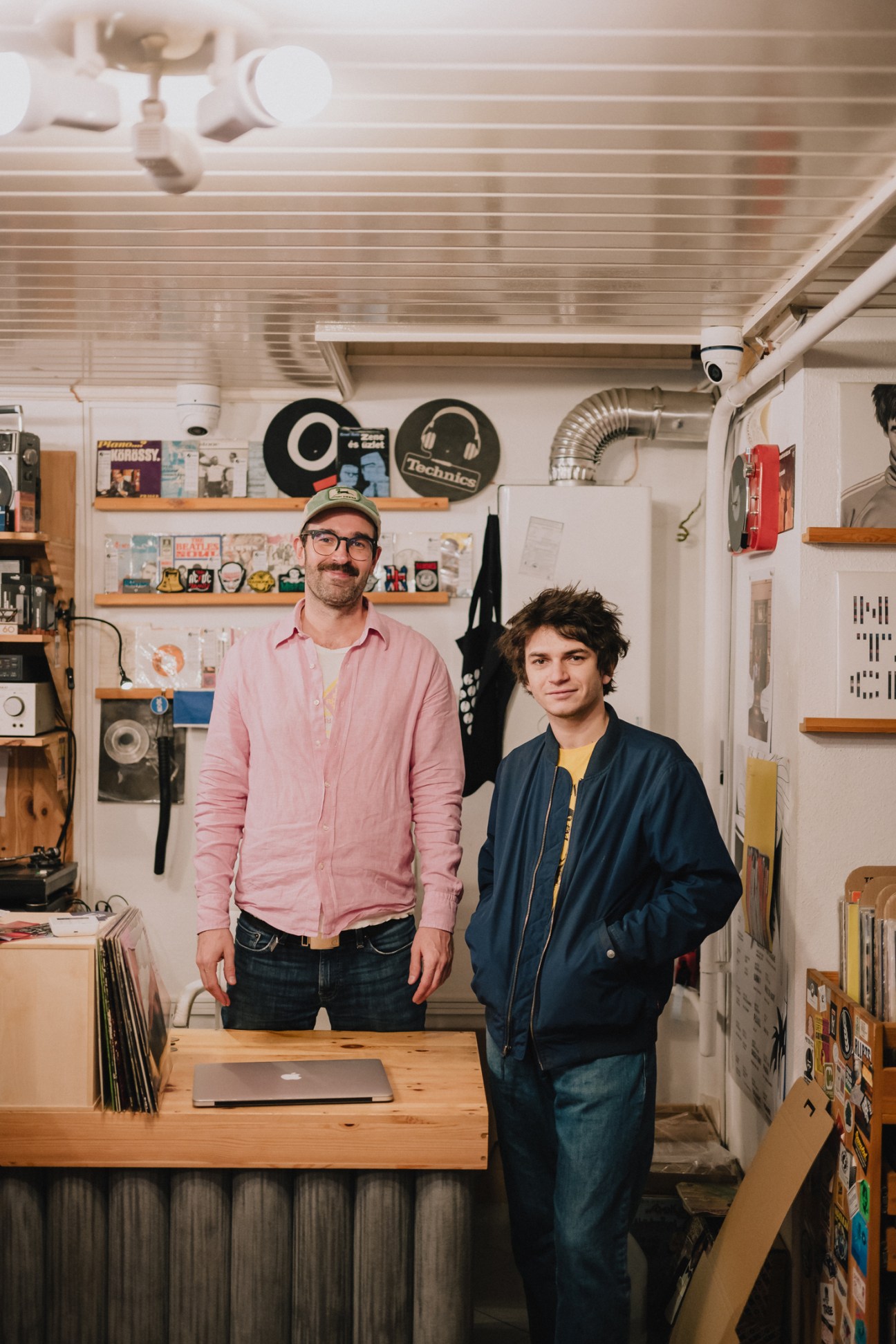
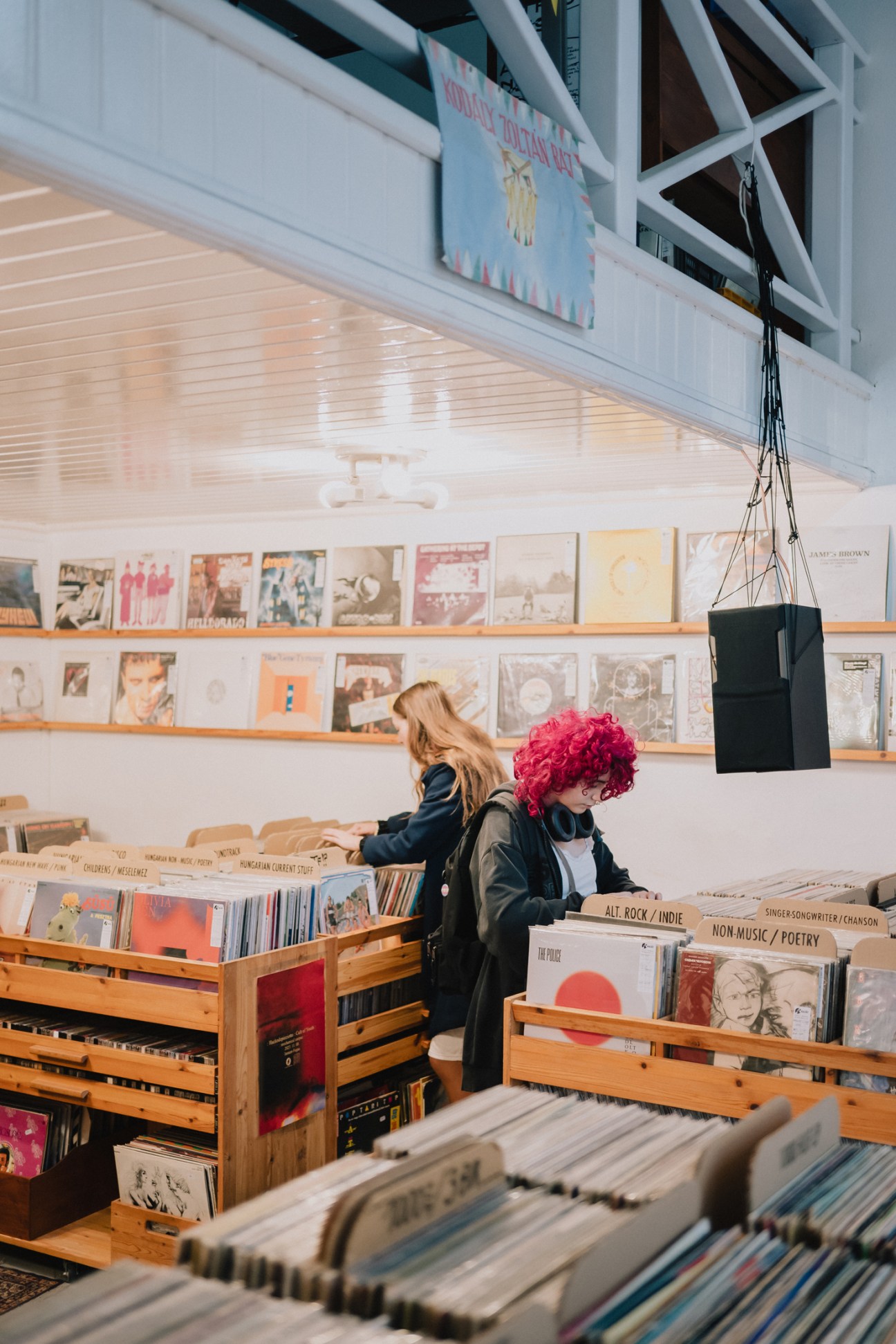
Music enthusiasts finding themselves in the vicinity of Bródy Sándor utca will encounter Kalóz Records, a destination driven by the global resurgence of vinyl. Founded five years ago by Kristóf Kürti—a sociologist by training who operates as a DJ and record collector by vocation—the shop emerged from a conversation with a business-minded cousin who recognized the potential in Kürti’s extensive personal collection of roughly 30,000 records. Catering to both diehard audiophiles and younger generations discovering the analog format for the first time, the shop has cultivated a dedicated following, prompting the opening of a second location in the southern Hungarian city of Szeged.
Ghraoui Chocolate: Sugar Rush
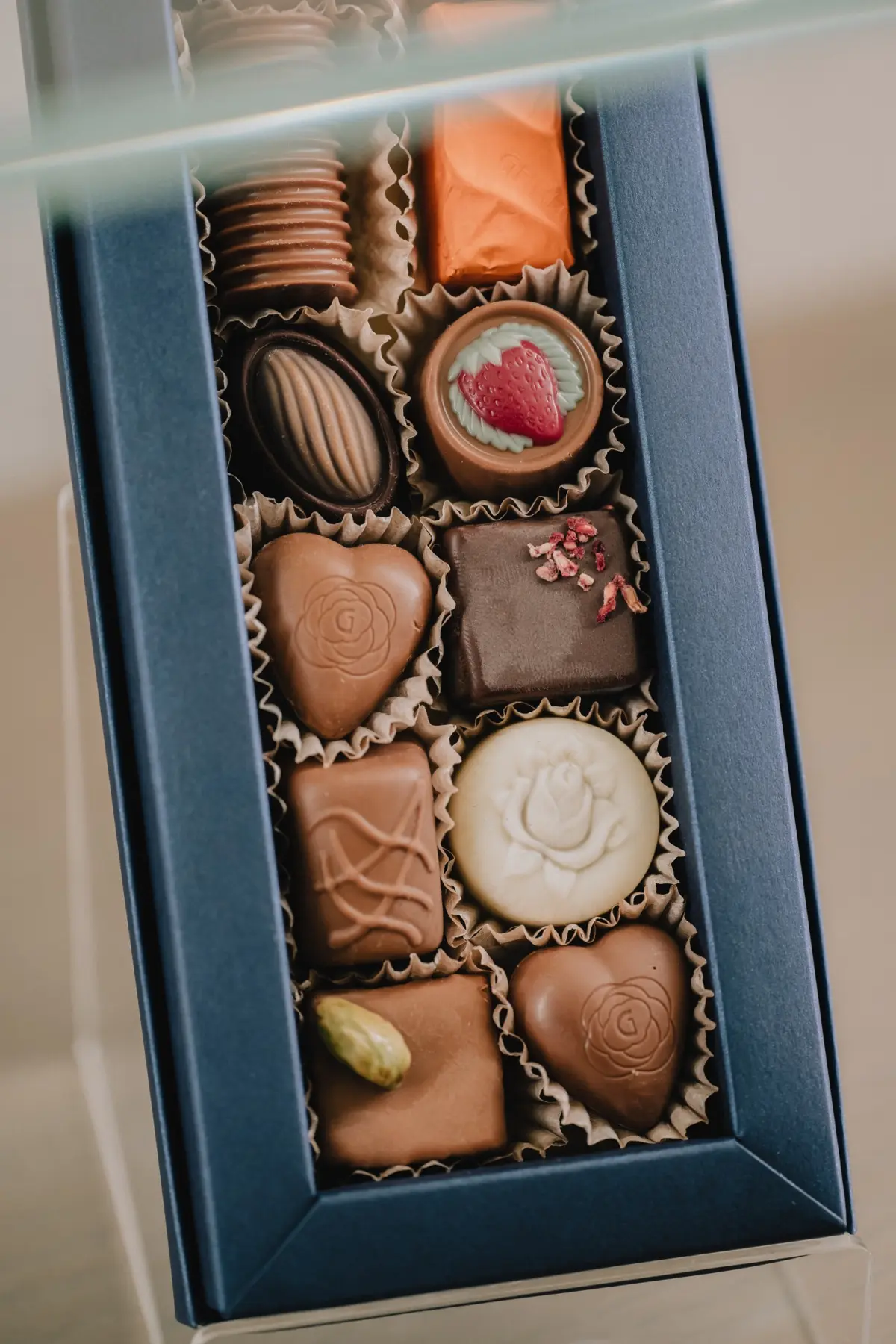
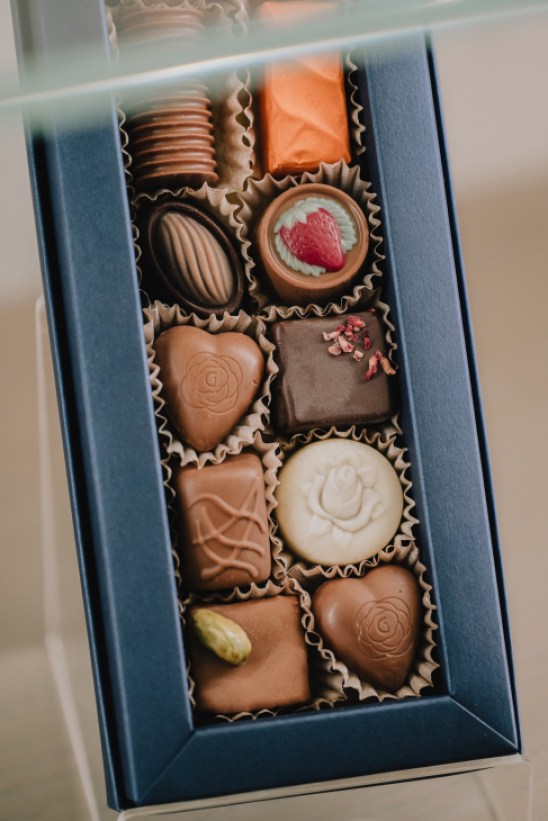
The city’s culinary and luxury landscape is further enriched by international enterprises that found a welcoming second home in the Hungarian capital. Ghraoui Chocolate relocated its operations from Syria in 2012 amid the disruptions of civil war, relaunching its luxury brand in Budapest in 2017. Situated close to the Opera House on Andrássy út, the boutique offers an array of artisanal confections, including its celebrated Szaloncukor—flavored chocolates wrapped in festive foil that offer a sophisticated twist on a traditional Hungarian Christmas specialty.
Lúd Labor: Bound for Greatness
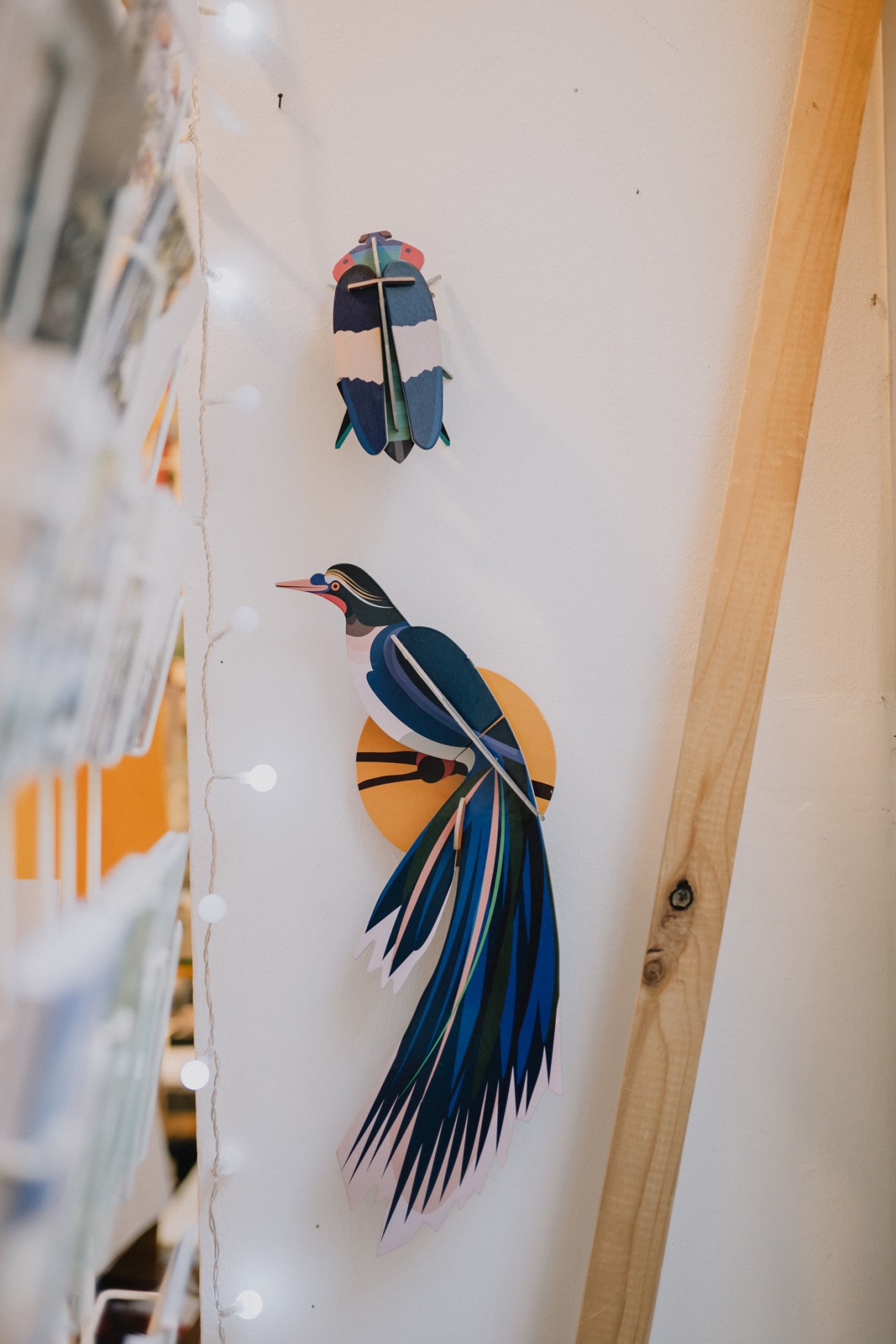
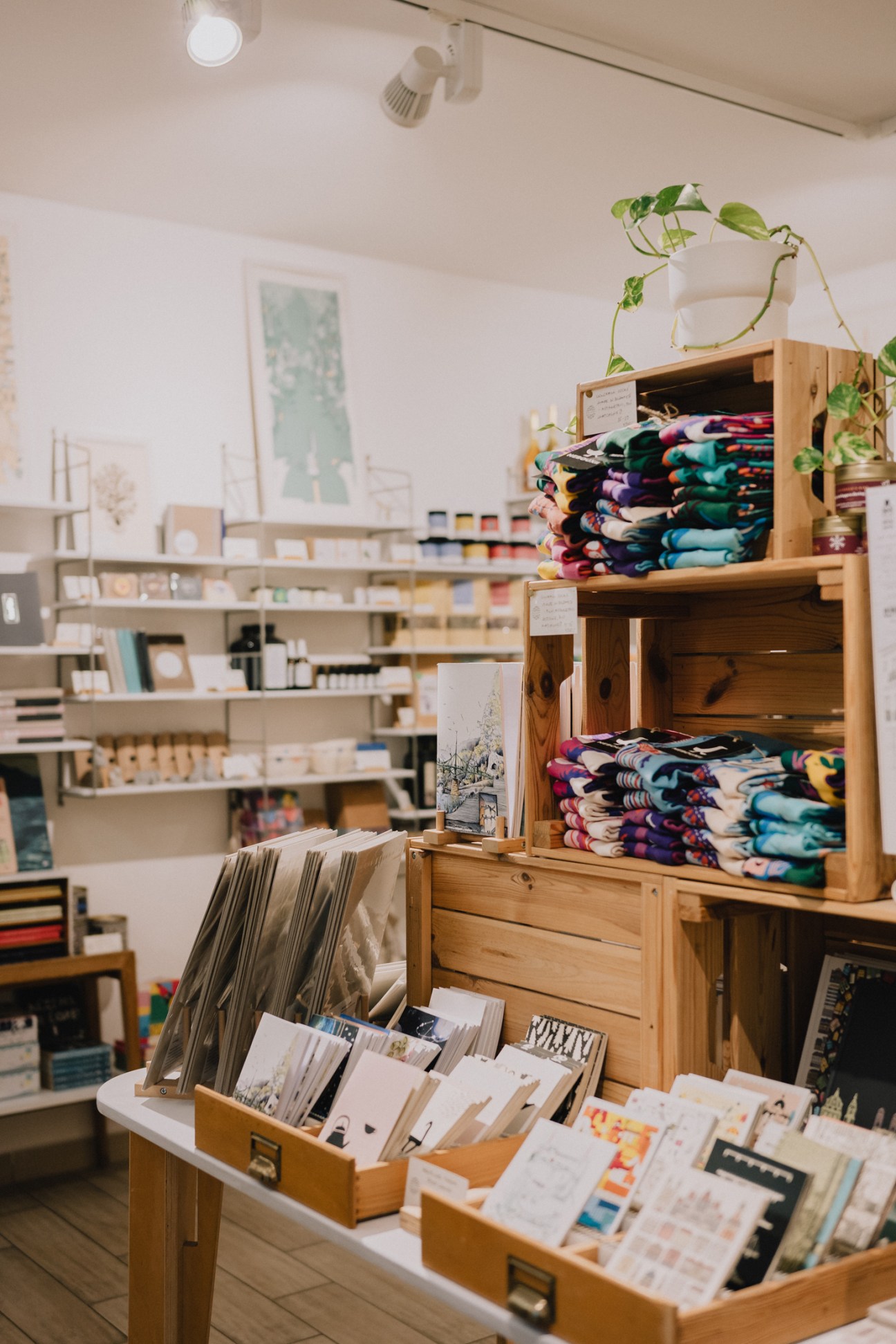
Paper arts and traditional craftsmanship find a dedicated champion at Lúd Labor, a specialty shop situated near a historic Jewish marketplace that historically traded in poultry, a heritage reflected in its name derived from the Hungarian word for goose. Run by bookbinder Noémi Mónus and gallerist László Böröcz, the shop opened its doors in 2019 to preserve and celebrate the dying art of bookbinding in Hungary. Mónus and Böröcz handcraft notebooks and planners on-site by sewing pages directly onto the spine, while also producing bespoke wrapping paper and seasonal cards.
Írók Boltja: Food for Thought
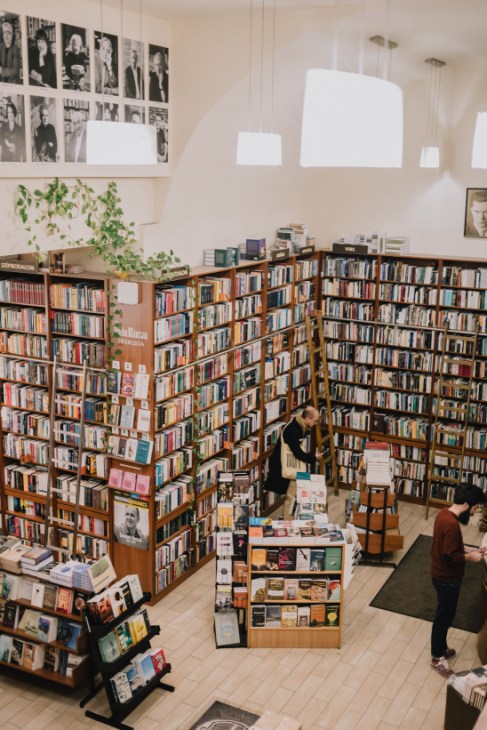
Further along Andrássy út stands Írók Boltja, literally translated as "The Writers’ Shop," which has served as a vital intellectual hub and bookshop since 1950. Operating as a regular meeting place for the city’s literati, artists, and philosophers, the shop frequently hosts poetry readings and book presentations while specializing in contemporary literature, philosophy, psychology, art, and translated Hungarian fiction. Among its recent bestsellers is Breaking Through: My Life in Science by Katalin Karikó, the pioneering Hungarian biochemist and winner of the 2023 Nobel Prize in Physiology or Medicine.
Vass Shoes: Lace Space
In the realm of traditional menswear, Vass Shoes represents a pinnacle of handcrafted footwear production. Established 45 years ago initially as a maker of fine women’s shoes, the business transitioned to men’s ready-to-wear and bespoke footwear utilizing premium calf-leather imported from France and Italy. Founder László Vass oversees production while his daughter, Éva, assists in managing the boutique on Haris köz. The upper floor, visible from both inside and outside the shop, houses rows of red shoe boxes bearing the names of loyal international clients who commission custom-made pieces.

Budapest Poster Gallery: Wall Furniture
For collectors of twentieth-century visual culture, the Budapest Poster Gallery offers a specialized focus on vintage Hungarian graphic design. Ádám Várkonyi has spent two decades collecting historic posters, a passion that culminated in the opening of his gallery on Paulay Ede utca in 2010. While dealing in international pieces as well, the gallery centers its collection on the rich tradition of mid-century Hungarian poster art, welcoming visitors by appointment.
Printa Concept Store: Screen Scene
Sustainability and contemporary design intersect at Printa Concept Store, a multifunctional space operating as a design shop, art gallery, screen-printing studio, and café under one roof on Rumbach Sebestyén utca. Founded by Majoros Zita, who crafts ceramics and homeware alongside upcycled clothing lines, Printa focuses on in-house artistic prints produced by employees such as shop manager Anna Szabó. The establishment emphasizes eco-friendly production methods and invites visitors to participate in hands-on screen-printing workshops.
Fabrika: Mid-Century Marvels
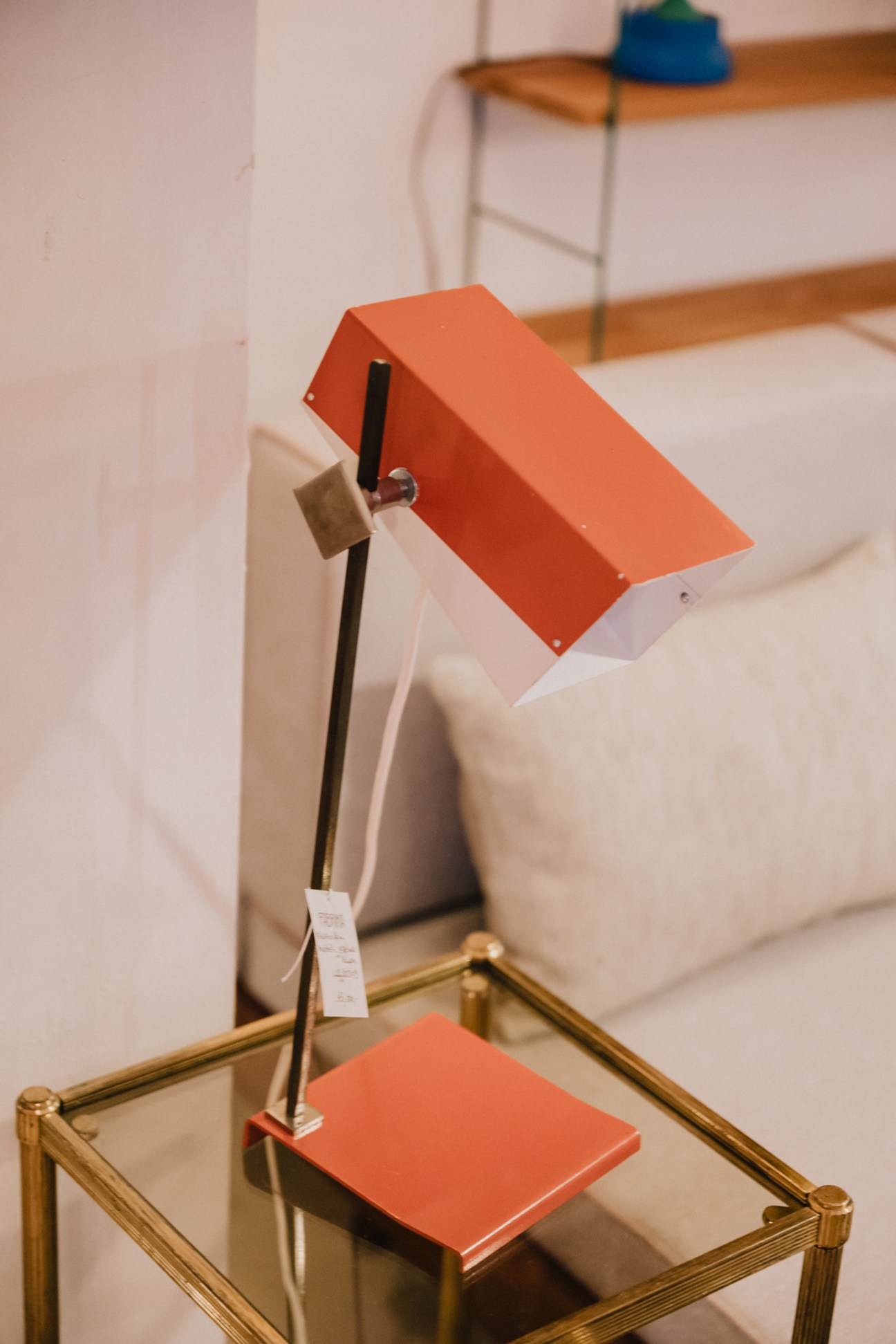
Mid-century design enthusiasts exploring the northern districts will find a wealth of restored furniture and lighting at Fabrika, located on Szondi utca. Owner Mariann Kollár transformed her initial enthusiasm as a customer into a community-focused retail space that showcases restored armchairs by Czech designers Jaroslav Smidek and Jindrich Halabala, alongside desk and ceiling lamps by Hungarian designer Tamás Borsfay and rugs created by contemporary designers Anna Katalin Lovrity and Eszter Révész.

Tipton Eyeworks: In the Groove
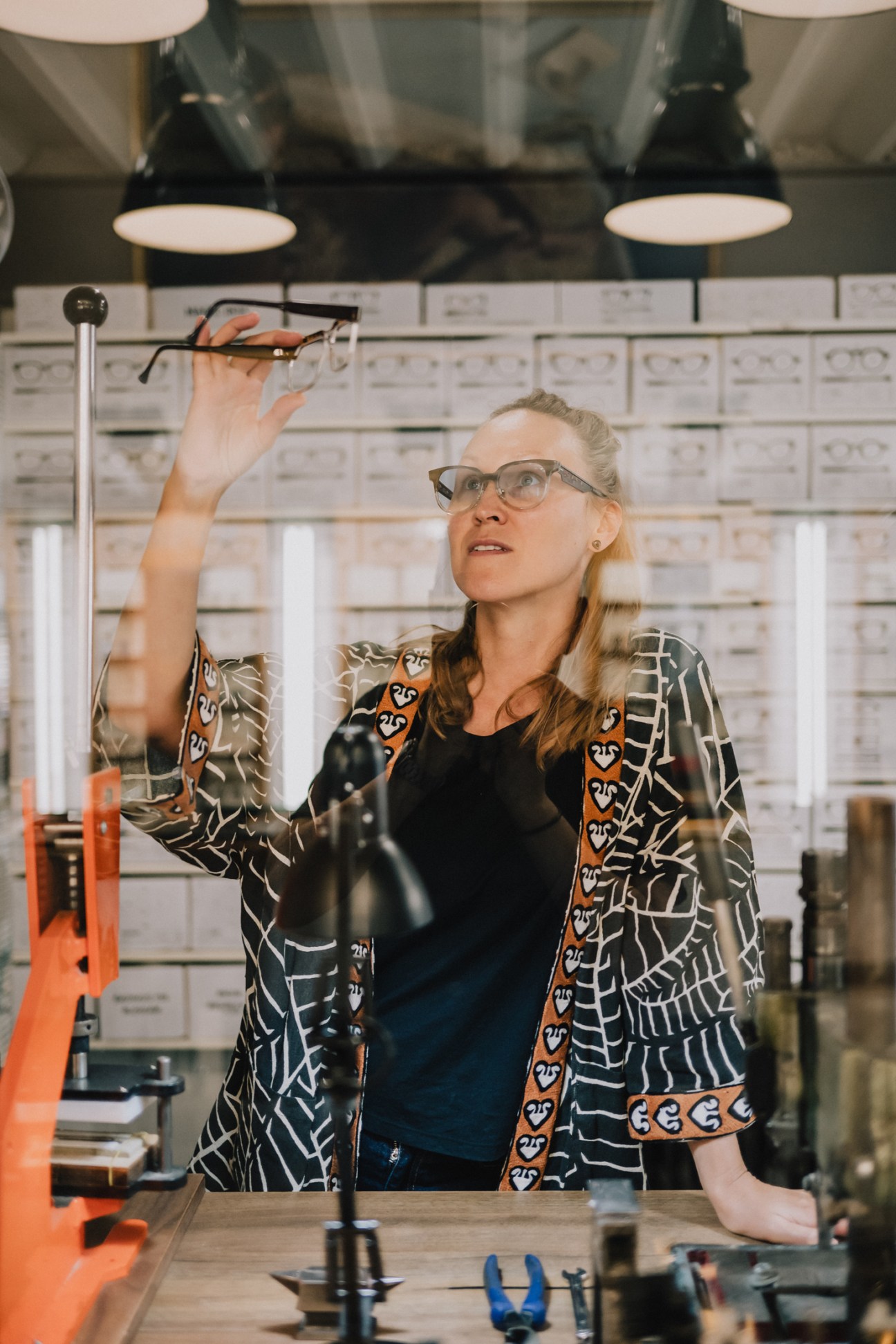
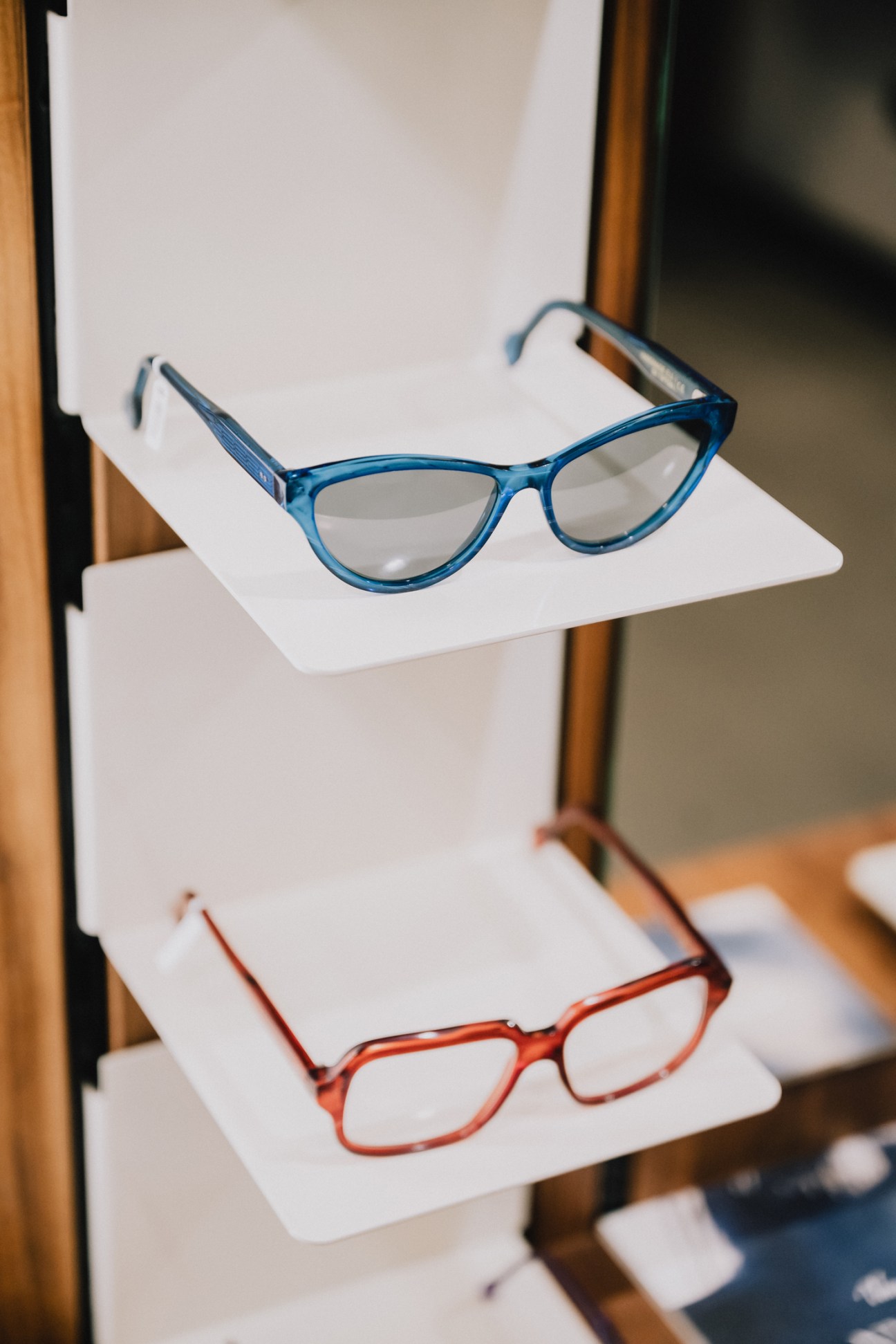
Innovation meets recycling at Tipton Eyeworks, founded by Zachary "Tipton" Milaskey and Yulia Tishchenko. Operating as a workshop, optician, and retail space on Erkel utca, the brand crafts bespoke glasses frames directly from discarded vinyl records, ranging from classic LPs to ongoing collaborative collections utilizing copies of AC/DC’s Back in Black album. Customers can also commission frames made from their own personal records, selecting from a vast catalog of designs.

Tisza Shoes: Retro Kicks
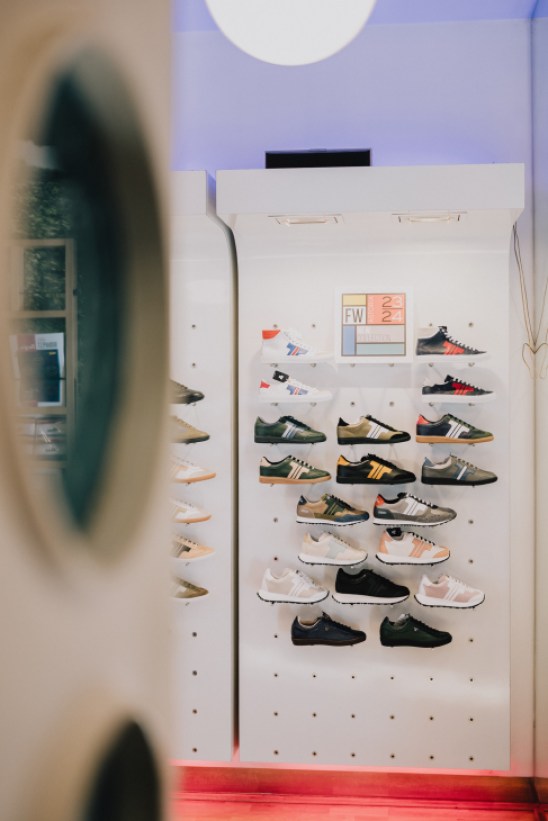
The revival of a communist-era cultural icon is embodied by Tisza Shoes, a footwear brand originally established during the mid-twentieth century and named after the river that snakes across Hungary. Entrepreneur László Vidák encountered a pair of vintage Tisza trainers on a Budapest street in 2002 and subsequently acquired the defunct brand the following year, transforming it back into a national phenomenon. The shoes continue to be manufactured in a small town along the Tisza River, with the classic Martfű model remaining a staple for retro footwear enthusiasts.

Omorovicza Boutique & Spa: Treat yourself
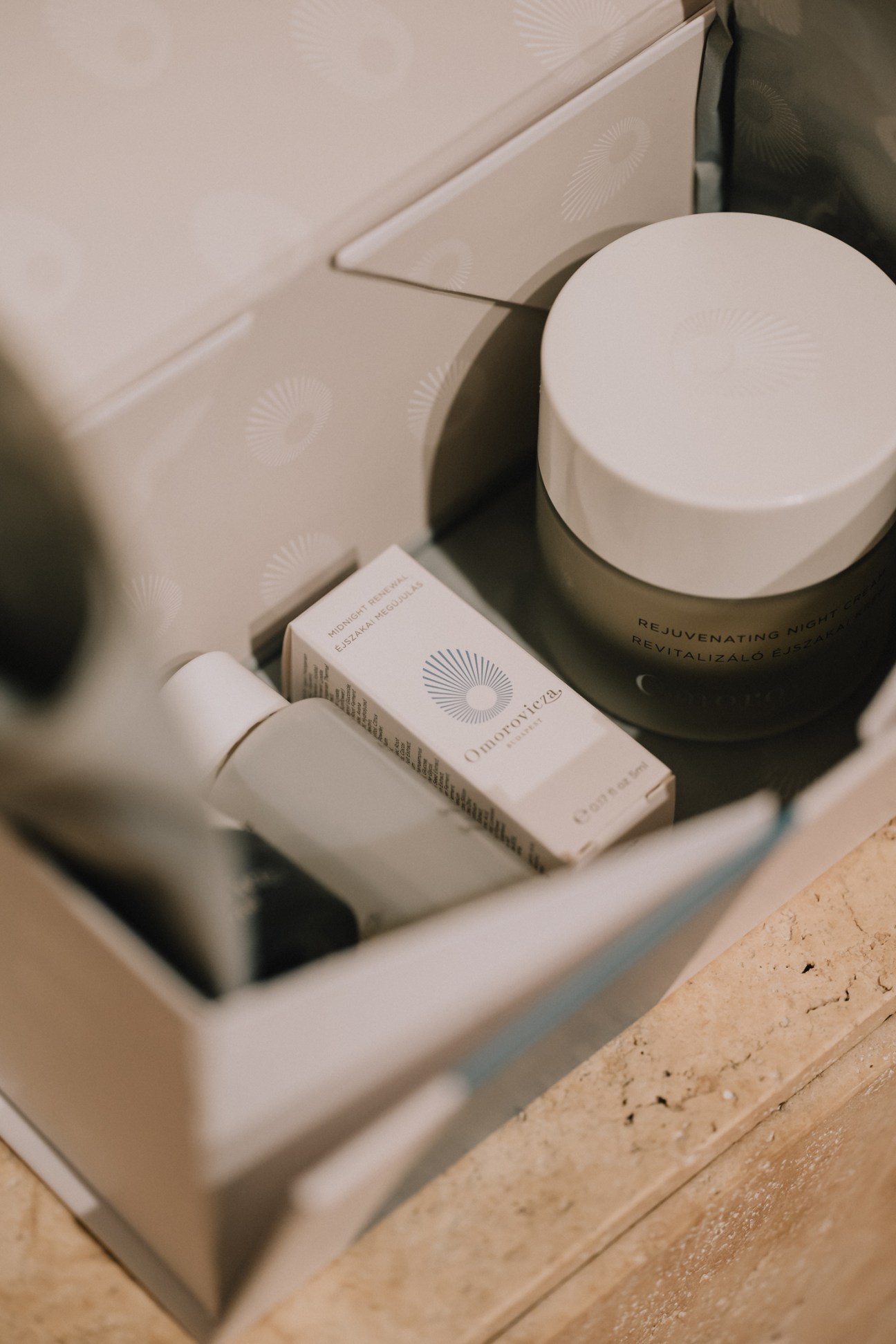
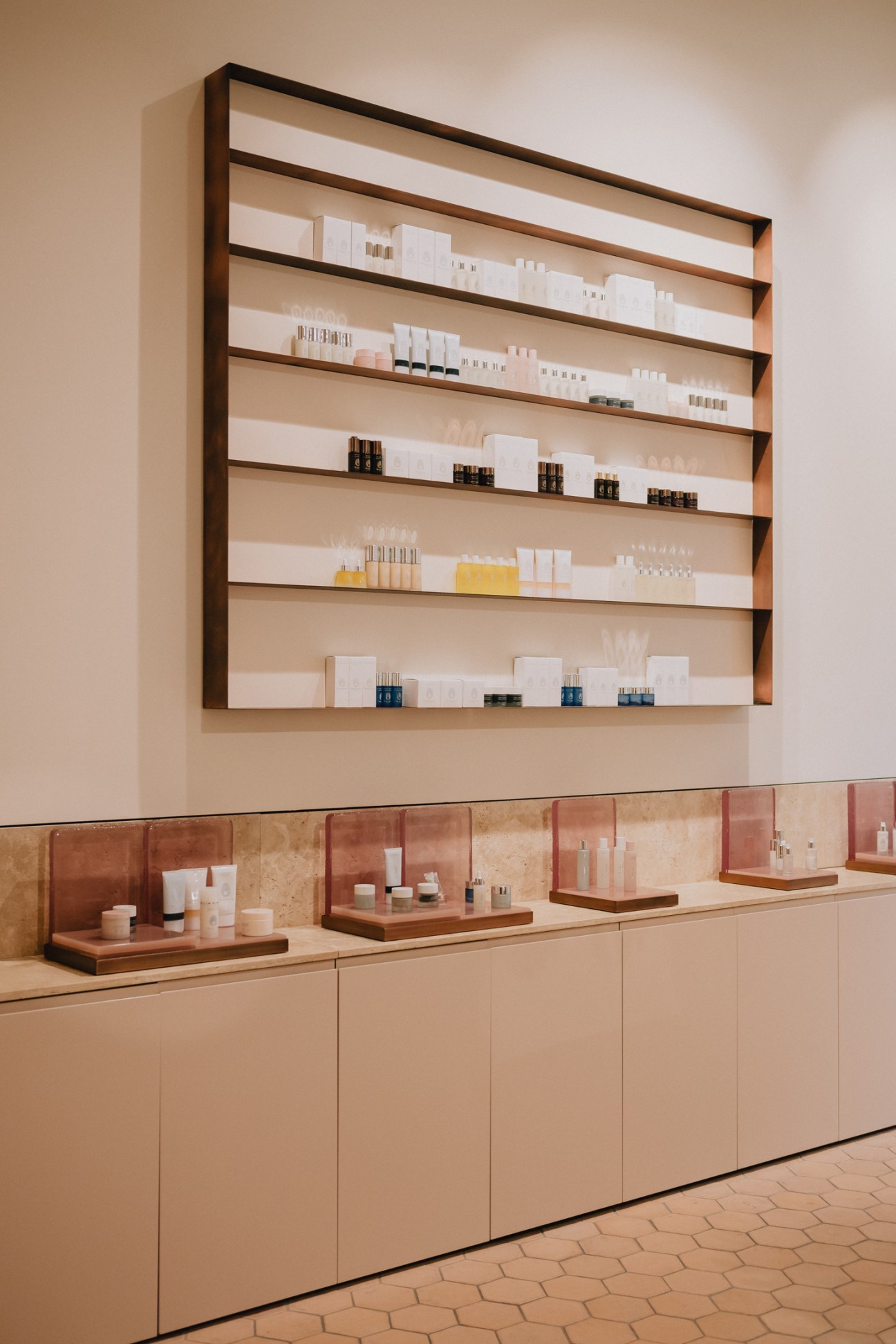
Rooted in a family legacy tracing back to the nineteenth century—when the aristocratic Omorovicza family constructed a thermal bath on the Buda bank of the Danube—the luxury skincare brand Omorovicza combines historic spa traditions with modern dermatological science. Founded by Stephen Omorovicza and American diplomat Margaret de Heinrich, the brand operates a boutique and spa on Andrássy út, offering signature facial treatments alongside popular products such as the Queen of Hungary facial mist.
Medence Concept Store: Waste Not
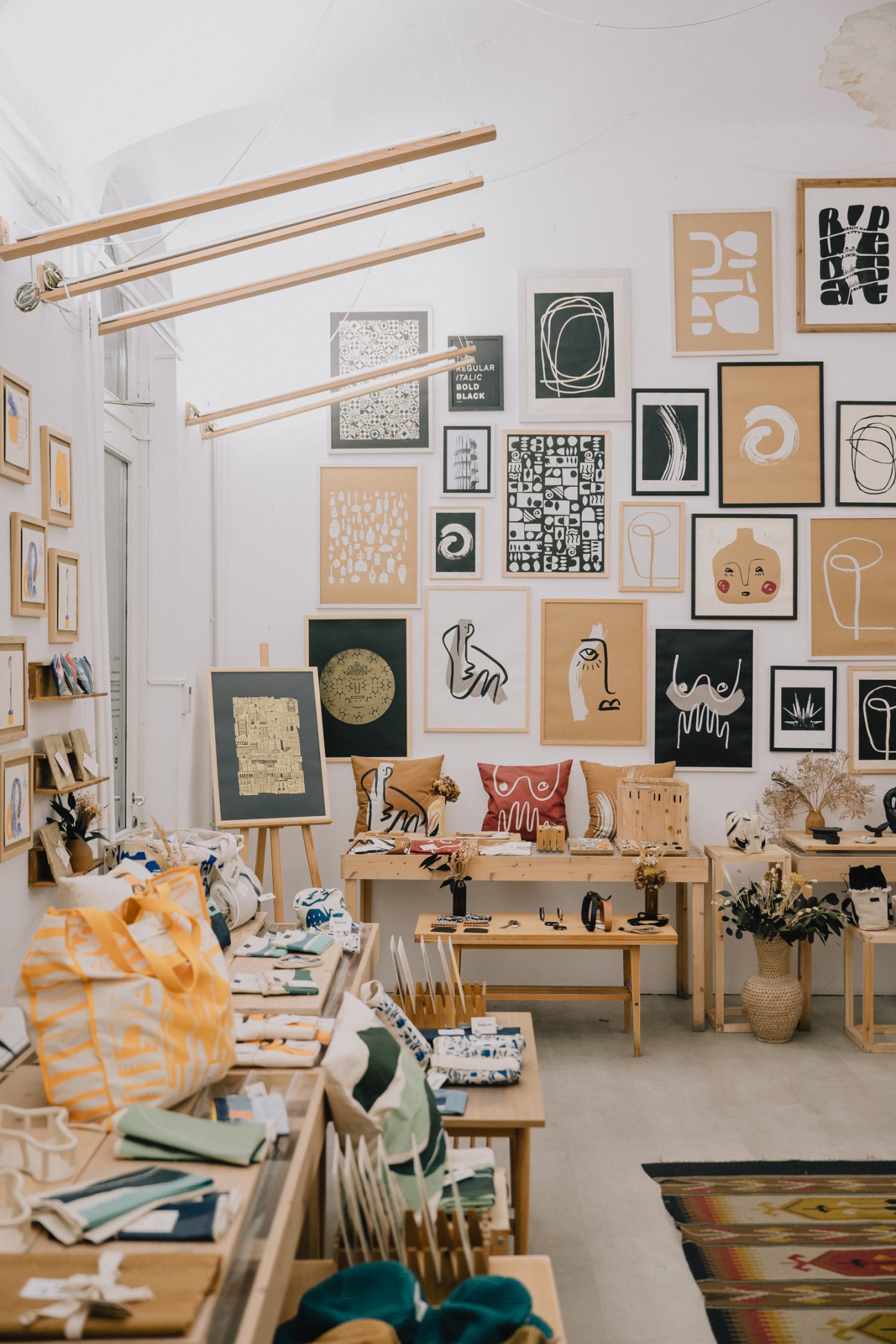
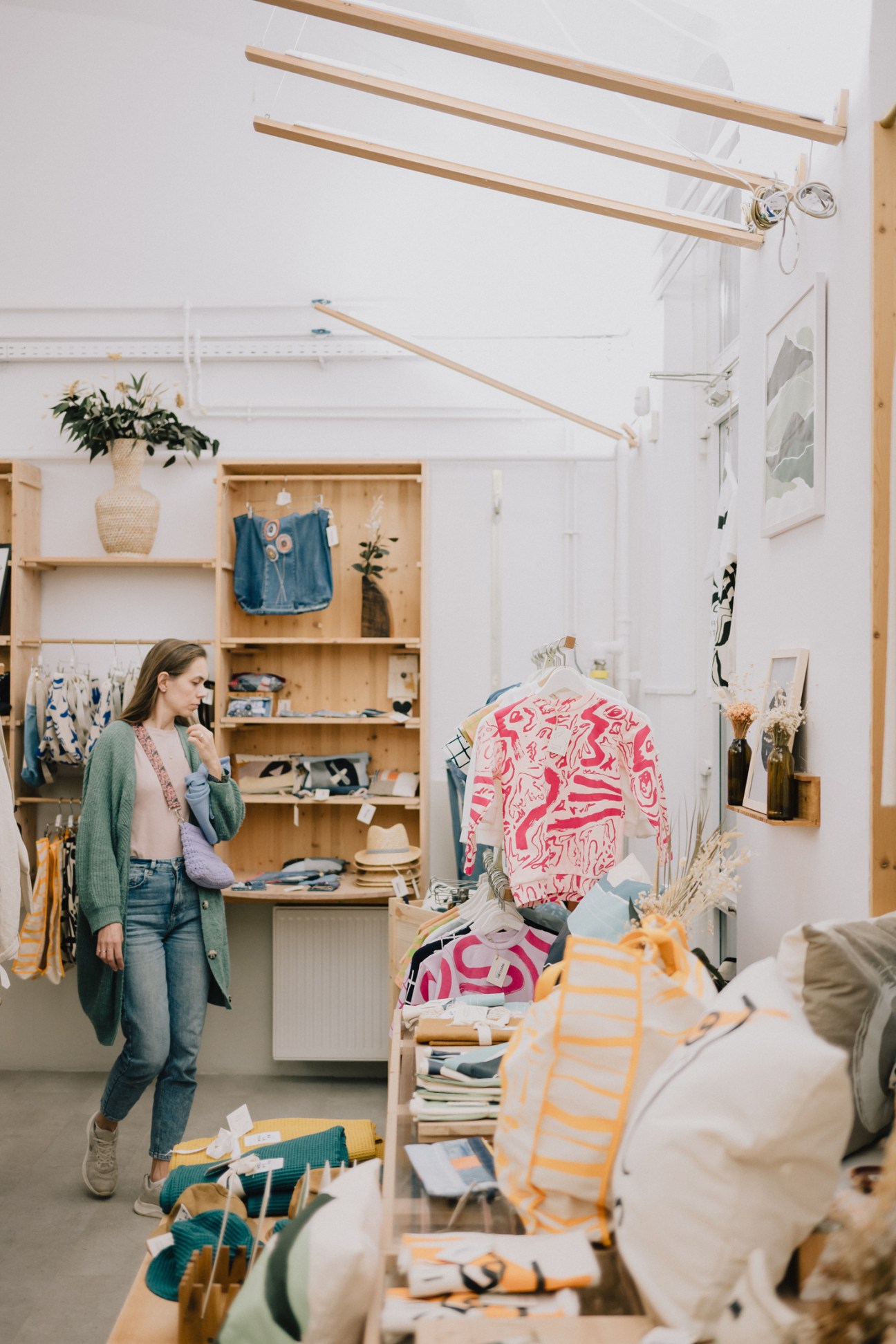
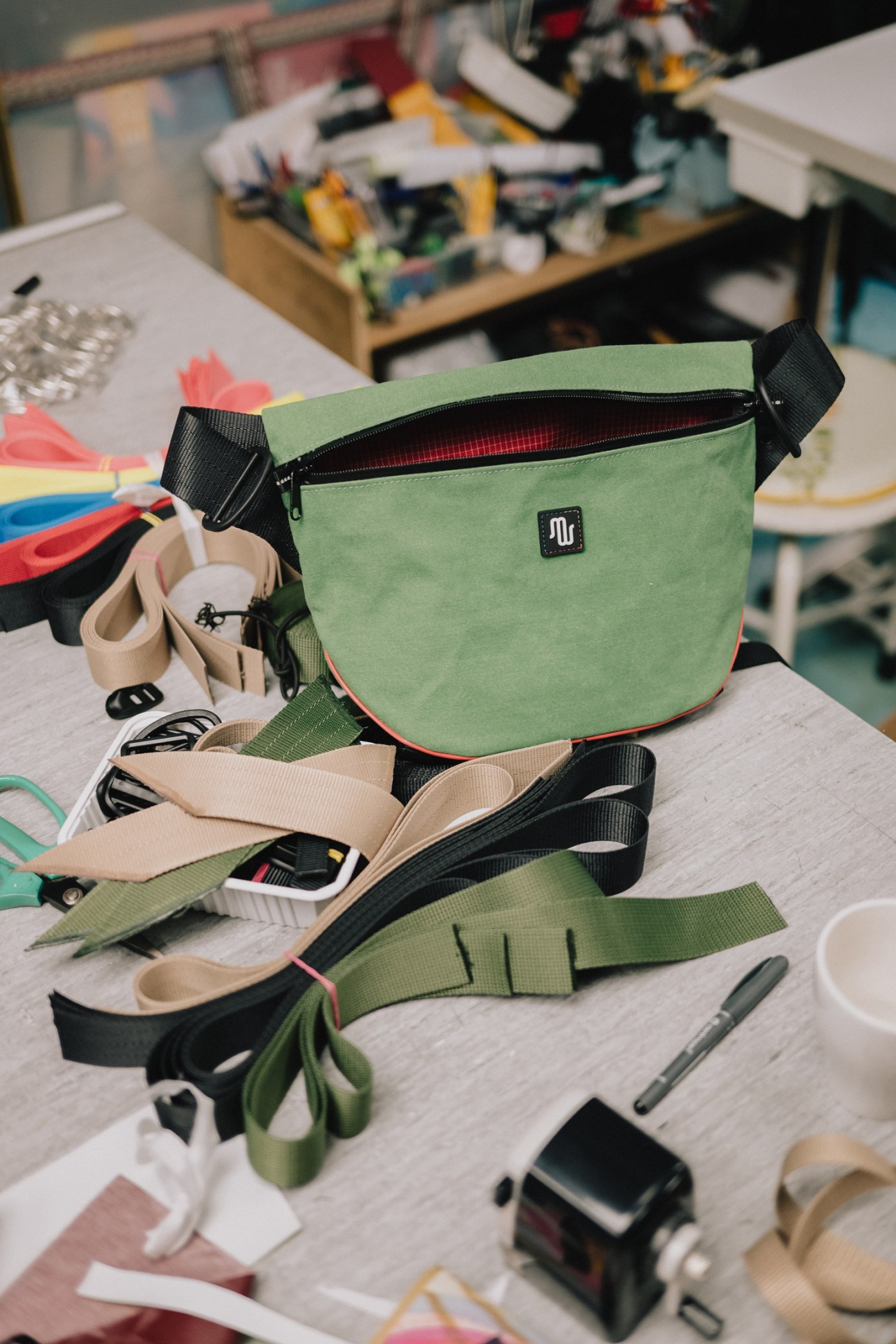
Sustainability and upcycling form the core mission of Medence Concept Store, situated in the Bartók Quarter on Ménesi út. Since 2006, the team has transformed discarded advertising and construction netting gathered from building sites into durable bags, backpacks, and storage baskets. Alongside retail offerings, the store conducts workshops that allow visitors to craft their own accessories from recycled industrial materials.
Artkraft: Treasure Trove
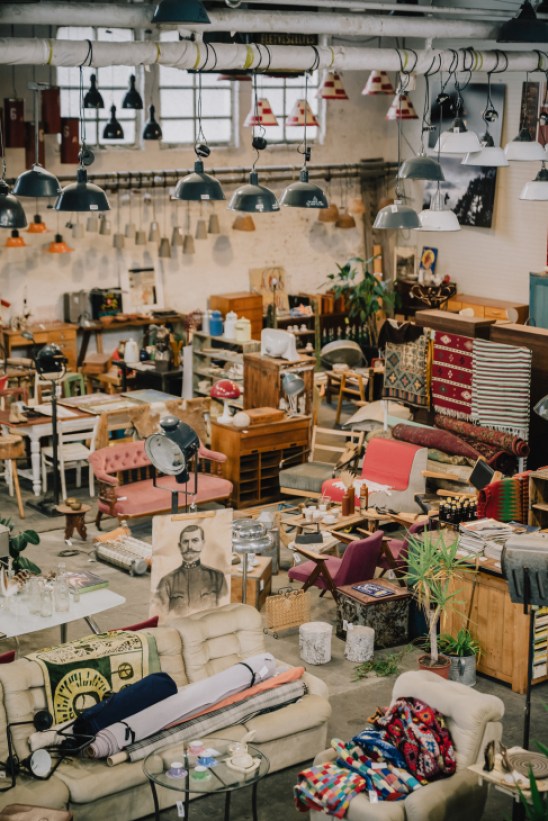
Tucked away in an industrial zone adjacent to the disused art deco Kelenföld Power Station, Artkraft offers an expansive showroom filled with salvaged industrial lighting, design magazines, and mid-century furniture. Founded for those willing to venture off the beaten path, the cavernous space presents an uncurated selection of vintage desks, wardrobes, and seating sets sourced from across the region.
Palmetta Design & Textile Art Gallery: Design Classics
Located on Bartók Béla út, Palmetta Design & Textile Art Gallery is managed by István and Anna Regos, whose own textile creations, pillowcases, and bags form a significant part of the inventory. The gallery also serves as the exclusive Hungarian distributor for German homeware brand Remember, alongside an extensive selection of Alessi kitchenware.
Plante: Green Space
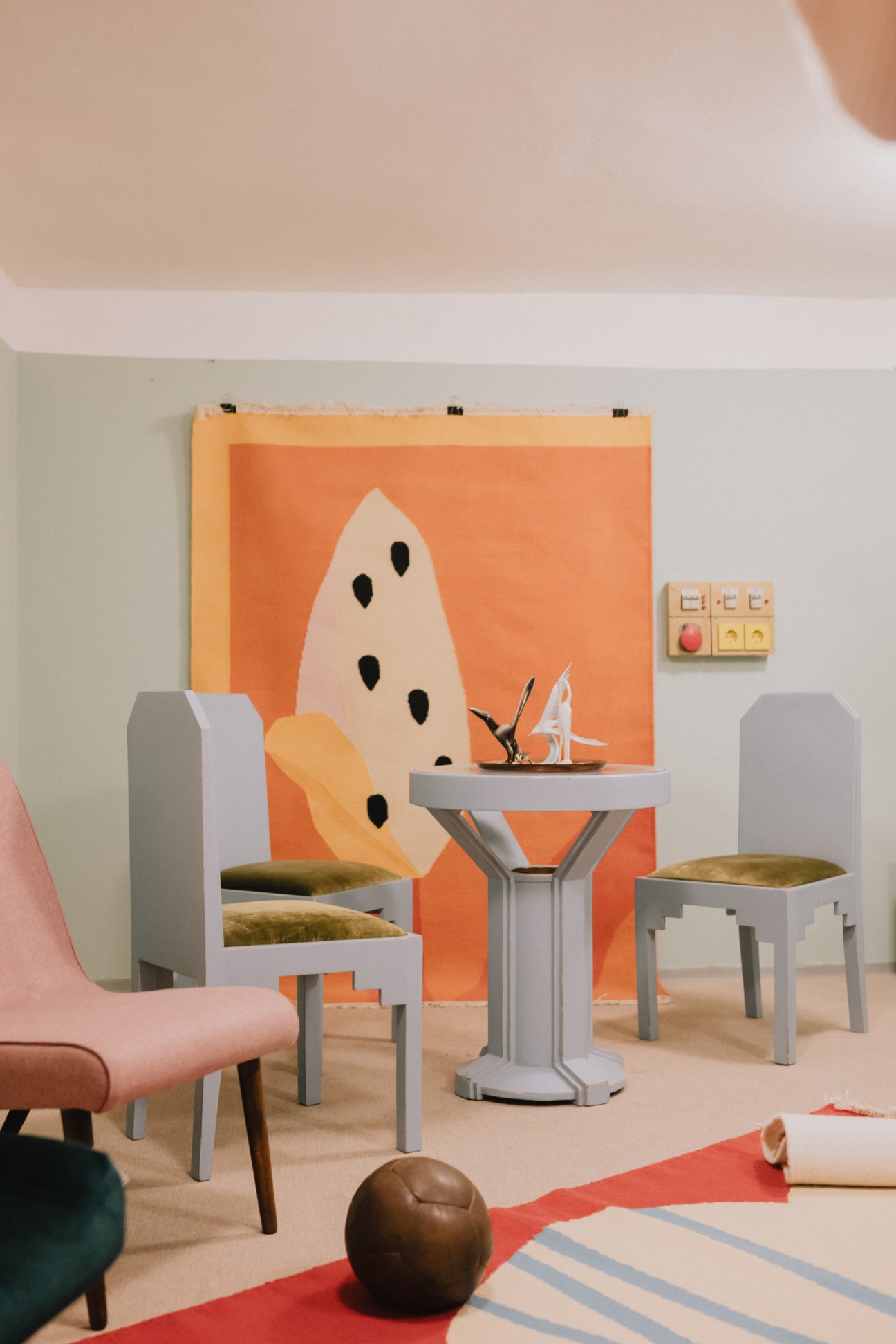
Occupying the glass-fronted first floor of a historic 1940s building associated with the Madách Imre Square housing project, Plante is a specialized botanical shop founded by Katalin Tóth. Alongside a diverse collection of indoor flora, soils, watering cans, and gardening literature, the shop features ceramic plant pots custom-designed by artist Viktor Erdei.
Prezent: Touching Treats
Co-run by Dea Bilau on Döbrentei utca, Prezent features locally produced apparel including Bilau’s "Touch Me Not" clothing line, where every garment includes a card identifying the individuals involved in its production. The shop also houses the workshop for Blind Chic, a handmade backpack brand where seamstress Sára Orbán crafts bags on the upper floor while welcoming visitors interested in the production process.
Ajka Crystal: Glass Menagerie
With a manufacturing heritage dating back to 1878, Ajka Crystal maintains a vast retail space on Kossuth Lajos utca showcasing traditional Hungarian glassware. The store displays intricate wine and champagne glass sets featuring detailed hand-cut motifs, alongside decorative vases, decanters, and glass Christmas tree ornaments.
Massolit Bookstore & Cafe: Turning the Page
Operating as one of Budapest’s premier English-language bookshops, Massolit—named after the literary organization featured in Mikhail Bulgakov’s novel The Master and Margarita—stocks approximately 4,000 new and used titles with an emphasis on translated Hungarian literature. Located on Nagy Diófa utca, the shop doubles as a literary café where visitors can exchange books for store credit or coffee.
Bomo Art: Elegant Stationery
Specializing in handcrafted stationery, Bomo Art operates a cheerful boutique on Régi posta utca, offering leather-bound journals and notebooks featuring cover illustrations by in-house artist Éva Hollósi, alongside collaborations with contemporary designers such as Zsófi Barabás. The shop also stocks traditional optical toys, including kaleidoscopes and nineteenth-century praxinoscopes.
Nanushka: Indie Threads
As one of Hungary’s most internationally recognized independent fashion labels, Nanushka was founded in 2006 by designer Sandra Sándor. Located on Bécsi utca, the flagship store presents men’s and women’s ready-to-wear collections characterized by oversized silhouettes, long forms, and modern tailoring, reflecting the growing global influence of Budapest’s contemporary design sector.

Daken Studio: Restored Wonders
Reflecting a broader cultural reckoning with the nation’s mid-century heritage, Daken Studio was established by siblings Zsófia and Dániel Koma, whose grandparents were celebrated artists during the communist era. Located near the Jewish quarter on Horánszky utca, the studio specializes in the careful restoration and display of 20th-century Czechoslovak, Polish, and Hungarian furniture.
Rózsavölgyi Csokoládé: Sweet Deal
Situated within the ornate nineteenth-century arcade of the Párisi Udvar Hotel, Rózsavölgyi Csokoládé transforms ethically sourced cocoa beans from Africa and the Americas into artisanal chocolate bars adorned with patterns inspired by traditional Hungarian embroidery. During the winter months, the shop also serves artisanal hot chocolate packaged in distinct paper cones.
Zsolnay: Fired Up
For over 160 years, Zsolnay has remained one of Hungary’s most revered ceramic and porcelain manufacturers. Founded by the Zsolnay family in the southern city of Pécs, the brand is globally renowned for its iridescent eosin glaze and durable pyrogranite tiles that adorn many of Budapest’s historic public facades. The capital’s flagship store on Andrássy út offers a comprehensive look at the company’s art nouveau heritage.
Ruszkai Jewellery: Second Nature
Operating by appointment on Kék Golyó utca, jeweler Orsolya Ruszkai crafts both ready-to-wear and bespoke pieces inspired by the organic forms of the natural world and her upbringing in rural Hungary. Her work explores the tension between clean architectural lines and natural asymmetry, attracting an international clientele to her private studio.

Tomcsanyi: True Colours
Founded by designer Dóra Tomcsányi, a graduate and former lecturer at the Moholy-Nagy University of Art and Design, Tomcsanyi offers clothing characterized by bold prints and graphic motifs. Drawing inspiration from local motifs—ranging from the architectural traces of mid-century socialism to the heritage of Hungarian horse herders and scenes of urban commuters—all garments are handcrafted within Budapest.

Where to Stay and Eat
For visitors looking to experience the city’s hospitality and culinary scene, accommodation options span both sides of the Danube. On the Pest side, the Párisi Udvar Hotel opened in 2019 within a restored art nouveau arcade that formerly housed the Central Savings Bank. On the Buda bank, Hotel Clark offers minimalist modern design oriented toward the Széchenyi Chain Bridge.

Culinary stops include Lui, an artisanal bakery near the Parliament building offering morning pastries, and Menza on Liszt Ferenc tér, which serves reimagined Hungarian comfort foods such as goulash and galuska in a retro-inspired dining room. For fine dining, Onyx offers a Michelin-starred tasting menu, while Gerlóczy Café provides Parisian-style coffee and dining overlooking a quiet square in the historic center.
Travelers arriving by air will land at Ferenc Liszt International Airport, situated 25 kilometers southeast of the city center, with rail passengers typically arriving at the late-nineteenth-century Keleti railway station.