When Nintendo first offered a glimpse of its remake of The Legend of Zelda: Ocarina of Time, reaction across the gaming community was notably divided. The brief initial tease revealed a dramatic shift toward high-fidelity realism, prompting immediate debate over whether modern graphical capabilities might undermine the magical, stylized atmosphere of the beloved 1998 original. For many players, the high-definition textures and realistic lighting seemed like a departure from the distinctive aesthetic that defined their early experiences on the Nintendo 64.
However, recent hands-on previews and a newly published installment of Nintendo’s Ask the Developer interview series have effectively assuaged many of those early fears. The upcoming title is far more than a simple visual update for the classic adventure. While it introduces modern refinements—including an updated control scheme, richer environment design, expanded character dialogue, fully voiced cutscenes, and targeted fixes for some of the original game’s more frustrating mechanics—Nintendo has clearly prioritized remaining faithful to the core spirit of the 1998 release.
In the newly shared interviews, key members of the development team discussed the creative decisions behind rebuilding Hyrule from the ground up for the Nintendo Switch 2. They detailed their deliberate choices to preserve a stylized visual language and opened up about major structural changes that were ultimately discarded because they disrupted the fundamental design of the original game.
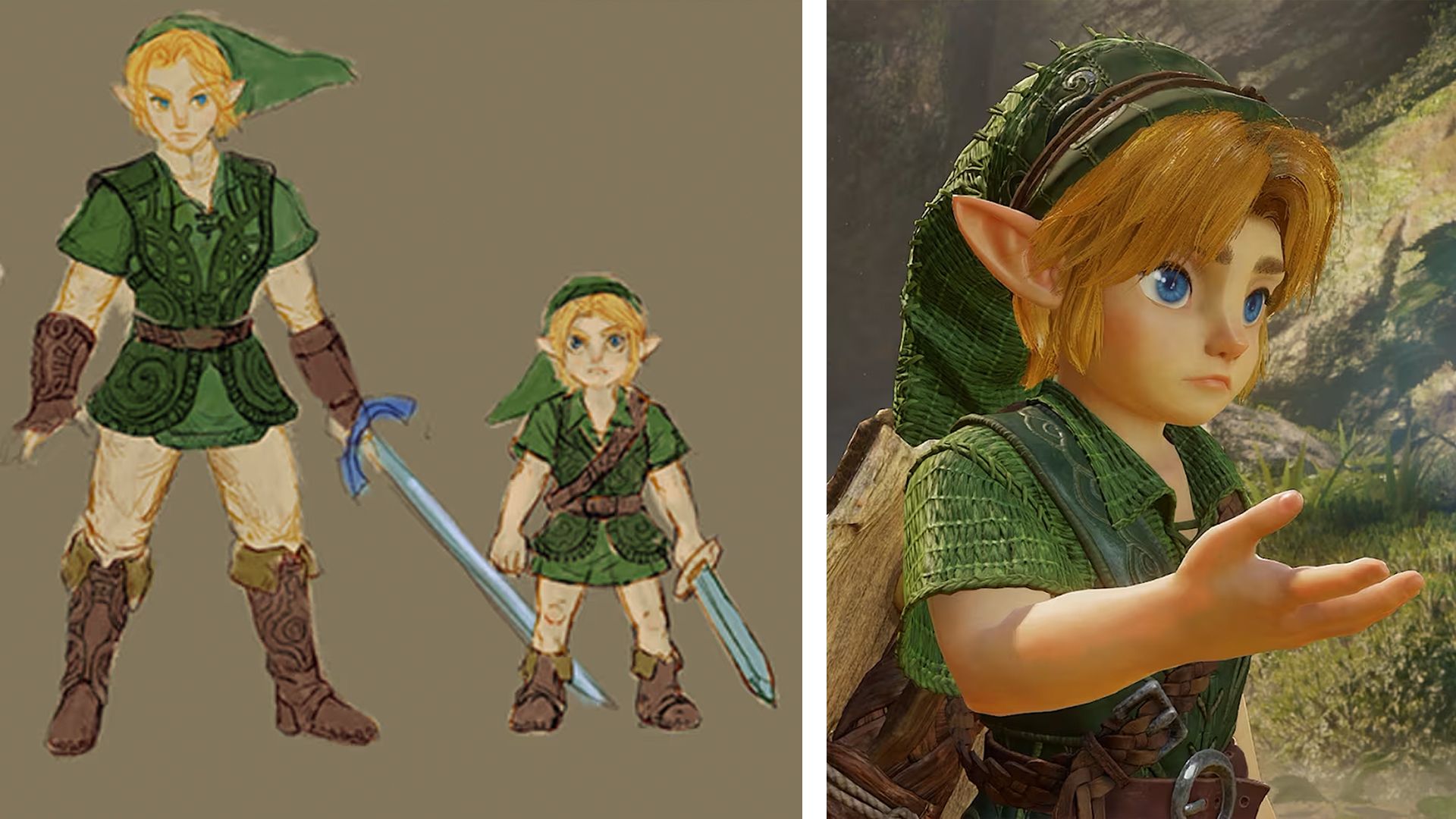
The art style aimed for a "puppet-show" feel
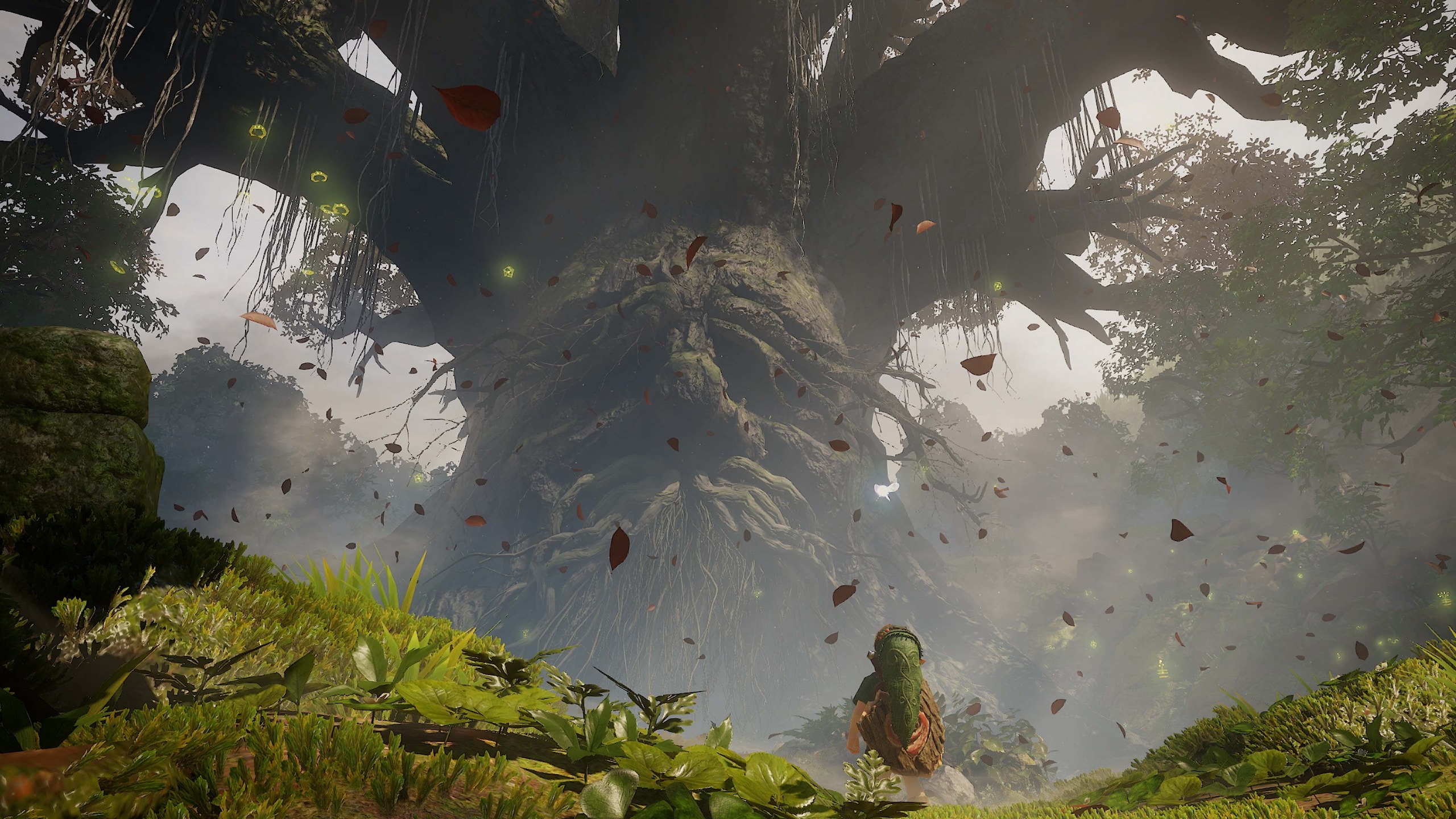
Rebuilding a masterpiece 28 years after its initial debut presents a unique design challenge, particularly given the vast performance gap between the Nintendo 64 and the upcoming Nintendo Switch 2. In the new iteration of Hyrule, the environmental geometry and iconic color palettes of the N64 original remain recognizable, but they are now rendered with high-level detail and sophisticated lighting. Players can discern intricate wood grain in structural beams, dynamic responses in foliage, and microscopic stitching along the fabric of Link’s tunic.
Despite having access to significantly more processing power, Art Director Aya Shida emphasized that the primary objective was never to push the game toward absolute hyper-realism. During early conceptual phases, the visual team established specific anchor phrases to guide their direction, aimlessly steering clear of realistic photorealism in favor of a "puppet-show feel" and the "analog feel of practical effects films."
"We wanted to rebuild Hyrule as a rich, dense world that felt as though it could truly exist, while retaining the feel of the original," Shida explained in the Ask the Developer series. "At the same time, we wanted its colorful and quirky characters to feel like a natural part of that world. Figuring out how to strike the right balance became one of the main themes of the art development."
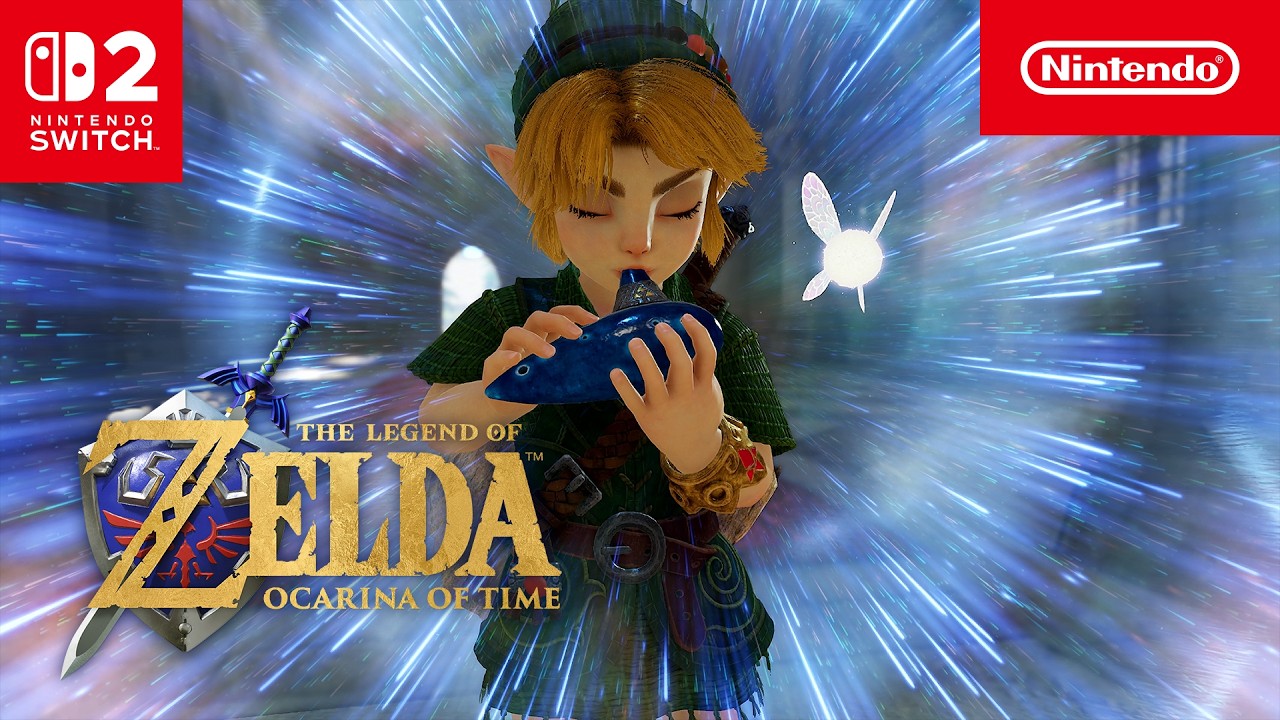
Shida expanded on how non-photorealistic artistic traditions inspired their approach to the world’s resident cast and environment. "Neither puppet shows nor practical effects films reproduce reality exactly as it is," she noted. "Even so, both create a convincing sense that the characters truly exist within their respective fantasy worlds."
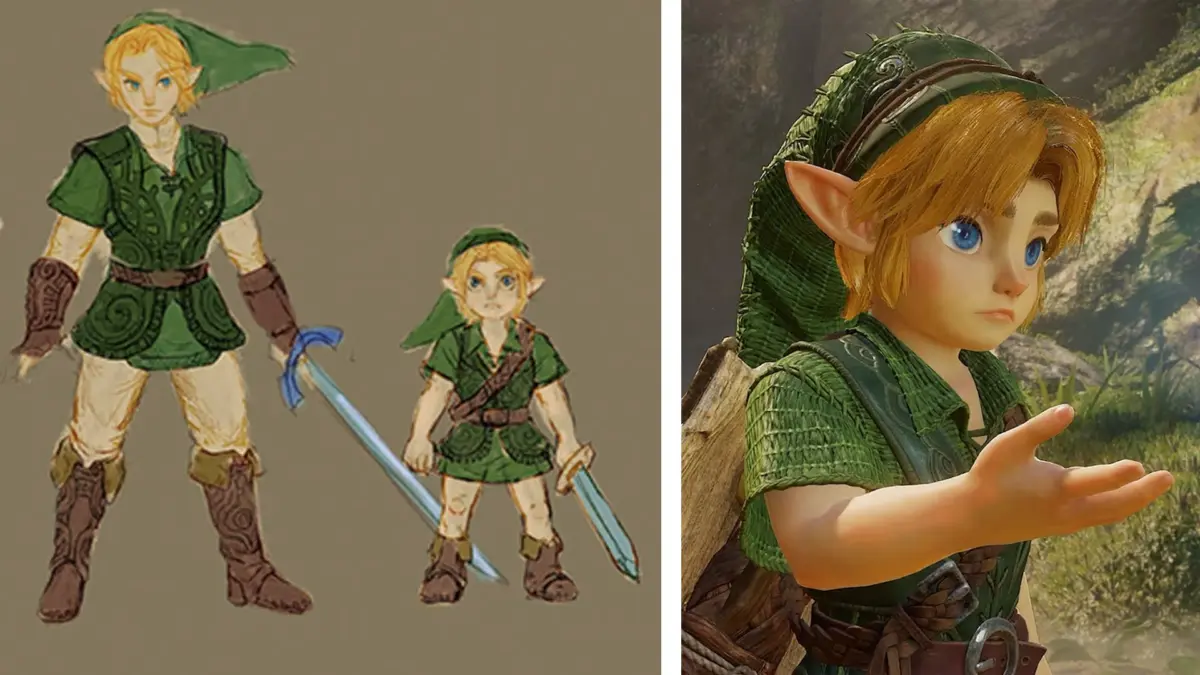
To realize this vision, the art team began by drafting comprehensive fresh sketches of iconic figures like Link and Princess Zelda, while simultaneously building a full 3D model of the Great Deku Tree to serve as a benchmark for environmental interaction. Because the low-polygon models of the N64 era relied heavily on sharp angles and exaggerated proportions, directly translating those shapes into modern high-definition assets resulted in jarring visuals. Instead, the design team focused on maintaining visual familiarity, ensuring that silhouette clarity and distance viewing remained faithful. The goal was to ensure that long-time fans would instantly recognize every character from afar, feeling an immediate connection to the personalities they remembered from decades prior.
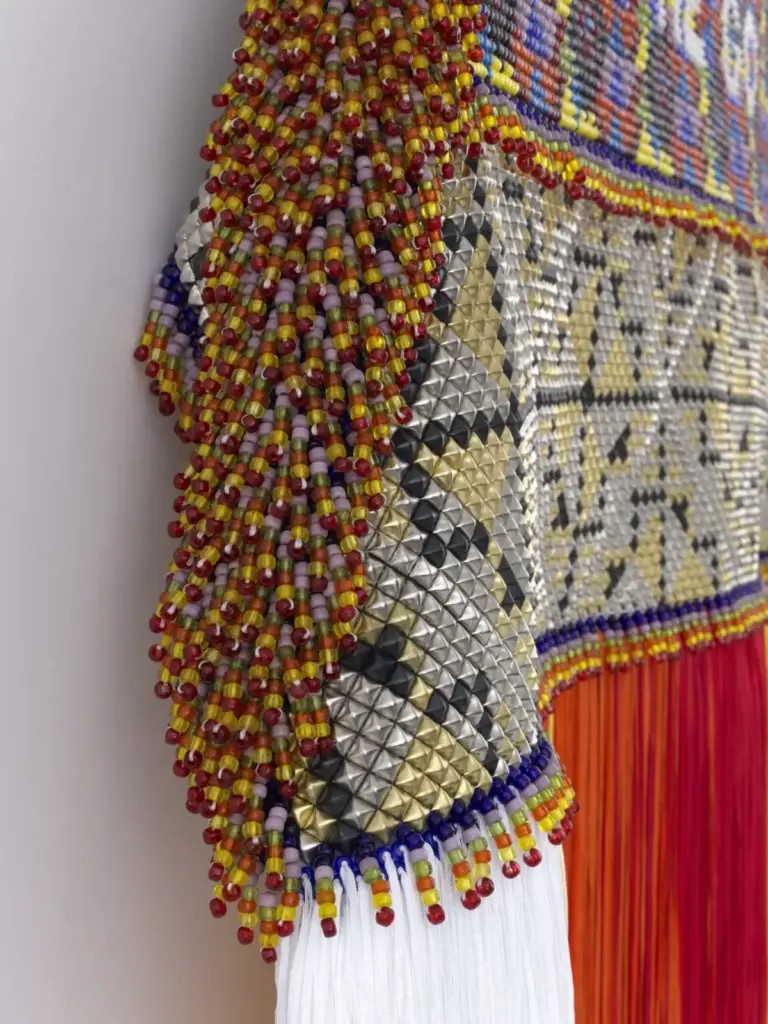
This meticulous attention to detail extended directly into the texturing of character clothing and equipment. To keep the world grounded without sacrificing its stylized tone, the developers insisted that garment textures reflect an authentic sense of craftsmanship. Young Link’s clothing, for instance, could not look perfectly manufactured; it needed to appear as though it were fashioned by hand within the forest community.
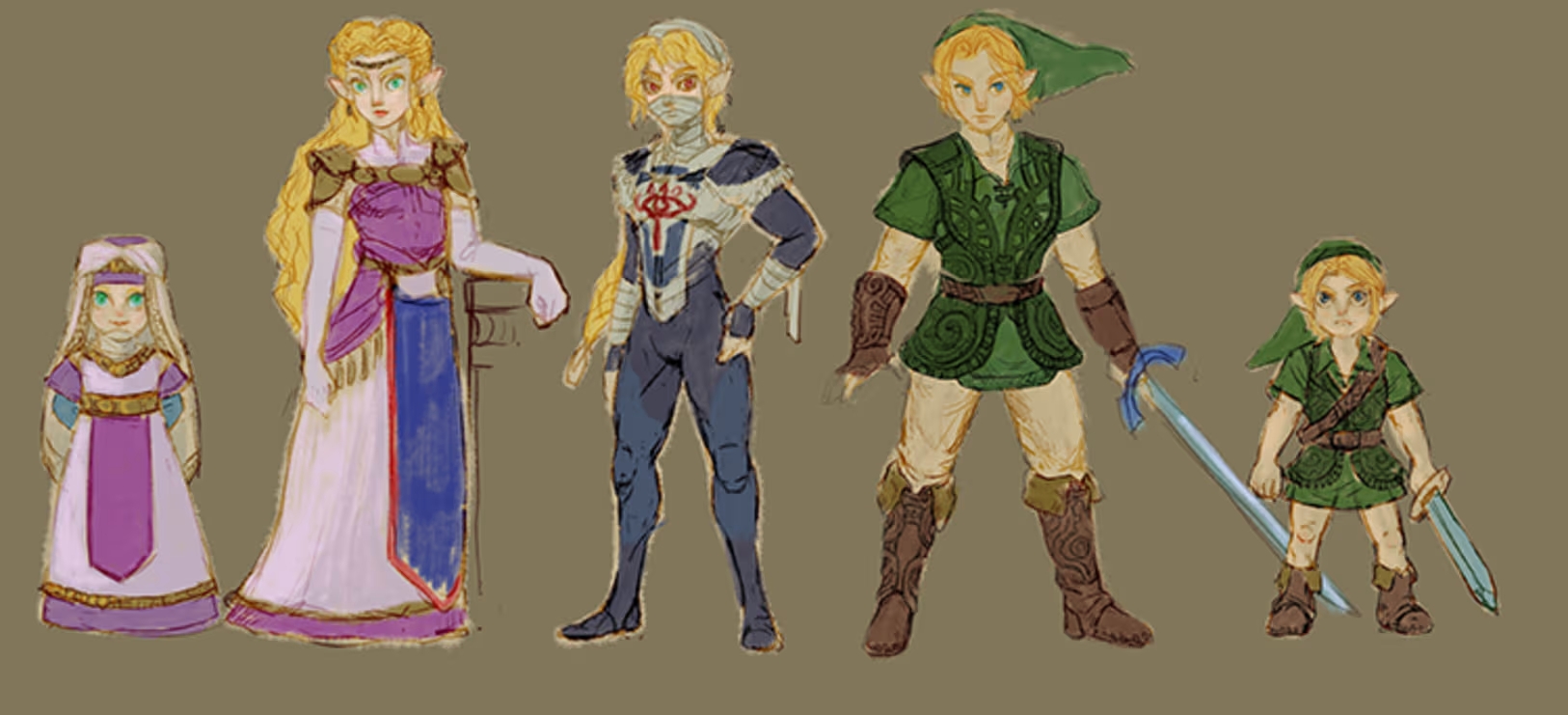
"We started by asking what kind of fabric those children might actually weave and wear," Shida revealed. "We looked at materials in museums and even experimented with making our own fabric from thread to get a better sense of what it should be like. For this game, the hardware allowed us to depict that level of detail, but that also meant we needed to do our research until we had a clear idea of what we wanted to create. As a design team, we often talked about imagining the story behind every object in the game as we created it."
Ocarina of Time almost had a big change in its world exploration
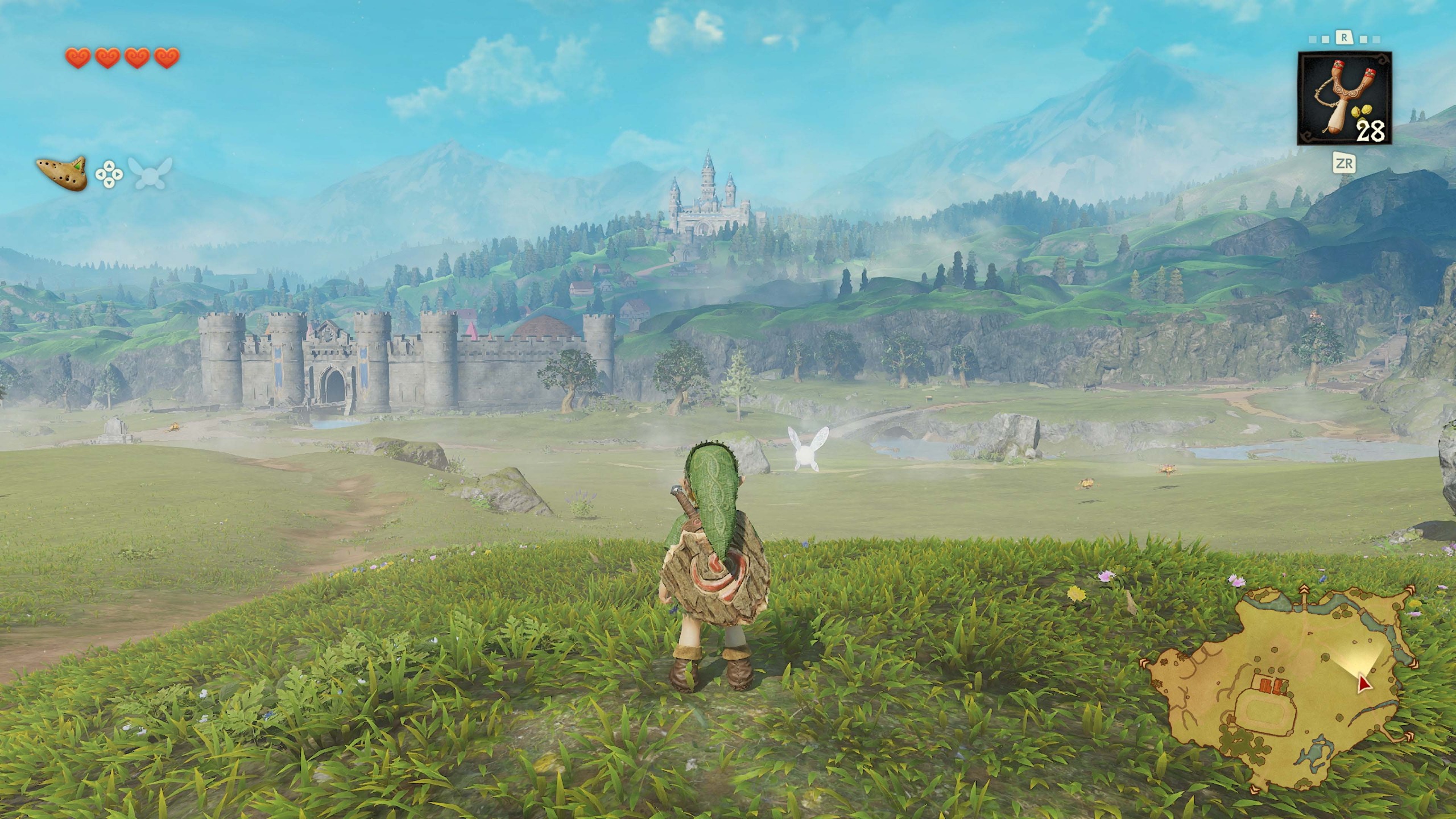
Beyond the artistic overhaul, the development team also evaluated the core traversal and exploration mechanics that defined the original experience. The Legend of Zelda series producer Eiji Aonuma disclosed that during early production, the team seriously considered introducing a fast-travel warp system similar to the mechanics seen in The Legend of Zelda: Breath of the Wild.
The motivation for considering such a feature stemmed from observing how players originally navigated the expansive layout of Hyrule Field in 1998. "In the original The Legend of Zelda: Ocarina of Time, you could get around a bit faster by spamming forward roll, so I think a lot of players spent their time doggedly rolling across Hyrule Field whenever they needed to be somewhere in a hurry," Aonuma observed. "I thought we needed to address this in this new version."
However, implementing instant fast-travel warp points across Hyrule fundamentally altered how the game felt to play. As the team playtested the change, they discovered that skipping journey time inadvertently stripped away the subtle, unexpected moments of discovery that occurred while traveling manually across the map.
"Through this development process, we were reminded once again just how important those moments are to the very structure of The Legend of Zelda: Ocarina of Time," Aonuma explained. "So even though I was the one who proposed adding warp points, they just weren’t working for me in the end, so I got the team to take them all back out again."
While warp points were excised to protect the pacing of exploration, other modern gameplay adjustments did make the final cut. Most notably, the remake introduces a dedicated jump button for Link. In the N64 original, Link automatically leaped off ledges when moving toward an edge, a context-sensitive system that occasionally led to accidental falls or awkward positioning during precise platforming sequences. While the addition of manual jumping alters combat pacing and movement timing—requiring returning players to adjust their muscle memory—it provides greater player agency during intricate environmental navigation.
The Ocarina of Time remake could influence future Zelda games
The decision to completely rebuild Ocarina of Time comes at a pivotal time for the franchise, which is fast approaching its 40th anniversary. Aonuma reflected on the broader philosophical reasons for tackling a full-scale remake of what is widely considered one of the most influential video games ever created.
According to Aonuma, a primary objective of the project was educational: ensuring that the contemporary generation of developers working at Nintendo deeply comprehends the core design principles that established the modern Zelda formula.
"By learning the game structure and development style behind the original The Legend of Zelda: Ocarina of Time, and by actually rebuilding it as a full remake, it may trigger new insights that they can carry forward into future development," Aonuma suggested.
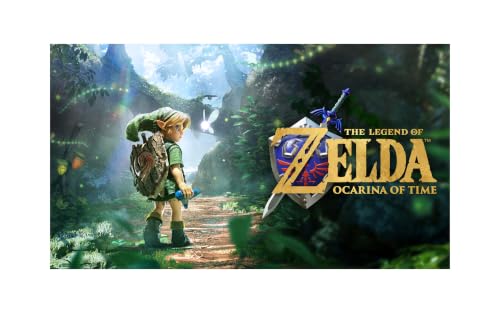
By dissecting the spatial logic, dungeon progression, and atmospheric balance of the 1998 title, Nintendo’s current design team is effectively anchoring its future creative endeavors in the foundational lessons of the series’ past.
The Legend of Zelda: Ocarina of Time is scheduled to launch officially for the Nintendo Switch 2 on November 5, 2026, and will be available in both physical cart editions and via digital download. Players interested in a deeper look into the title’s production can read the complete multi-part developer interviews published on Nintendo’s official website.