As voters head to the polls across the United States for the midterm elections, the nation’s enduring political duopoly is facing its most profound internal reckoning in decades. Barring a handful of independents, the electoral landscape remains dominated by two massive institutions: the 198-year-old Democratic Party and the 172-year-old Republican Party. Since the mid-1800s, when the Federalist movement faded into history, American politics has been locked into this familiar binary framework.
Upstart political outfits, such as the Libertarian Party and the Green Party, have perennially struggled to make a lasting dent in the national consciousness. In an electoral framework defined heavily by a winner-takes-all model, voters are frequently disincentivized from casting ballots for smaller organizations, fearing that their vote will be wasted. Yet, this current election cycle feels unmistakably different. The results of these midterms carry the potential to thrust fresh insurgent movements directly into the national limelight, fundamentally transforming the political terrain and setting the stage for high-stakes battles ahead of the 2028 presidential race.
Among the most striking ideological developments reshaping the landscape is the rapid ascent of the Democratic Socialists of America (DSA). The organization has built upon a string of remarkable electoral milestones, most notably Zohran Mamdani’s surprise New York mayoral victory last year, followed by an impressive series of victories in Democratic primaries across the country.
The roots of the organization stretch back to 1982, but for decades, it operated on the fringes without making a major impression on mainstream American politics. That dynamic shifted dramatically in 2016, when independent Vermont Senator Bernie Sanders ran for the Democratic presidential nomination on a democratic socialist platform. Although Sanders came a close second to Hillary Clinton and is not an official DSA member, his campaign permanently altered the national debate. He successfully brought the movement’s core policies—including workers’ rights, heavy taxation of the megarich, and the aggressive expansion of social services—into the consciousness of mainstream America.
The momentum continued to build two years later when democratic socialists Alexandria Ocasio-Cortez and Rashida Tlaib scored historic victories, winning seats in the House of Representatives. With the results of this year’s midterm elections unfolding, the total number of DSA-affiliated lawmakers in Congress is projected to at least double. DSA-backed candidates successfully secured nominations to contest five safe Democratic house seats in major metropolitan hubs like New York, Philadelphia, Denver, and Detroit, alongside a handful of other competitive races nationwide.
Organizational growth has mirrored these electoral achievements. DSA membership has more than doubled since 2024, surging to 120,000 members as of July this year. However, this rapid rise has not come without friction. Many mainstream, establishment Democrats have openly accused the DSA of attempting to hijack the party from within, arguing that its progressive ideology is fundamentally incompatible with the beliefs of crucial centrist voters who decide general elections.
For seasoned political observers, this internal tension feels remarkably familiar. The Republican Party went through a strikingly similar period of intense soul-searching ahead of the 2010 midterms, a time when the party was desperately struggling to regroup following Barack Obama’s sweeping 2008 presidential victory.
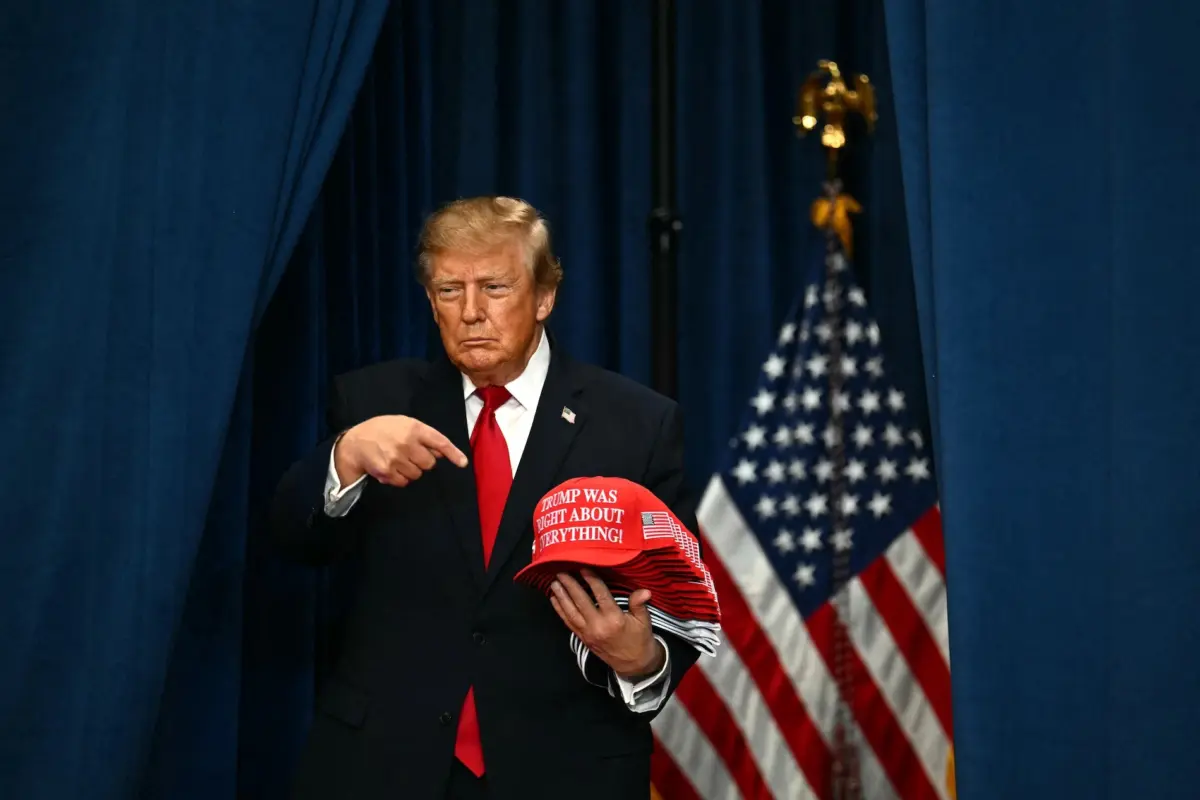
Out of that conservative frustration emerged the Tea Party movement, which championed hardline conservative fiscal values and aggressively challenged traditional Republican orthodoxy on economic policy and government spending. The Tea Party helped galvanize an energized base of voters and ultimately served as a harbinger of things to come: the wholesale, transformative takeover of the Republican Party by Donald Trump’s MAGA movement.
The rise of MAGA demonstrates conclusively that a dedicated faction can successfully transform a major American political party from within. Yet, important distinctions remain between that historical shift and the current trajectory of the left. The DSA is not officially an integrated part of the Democratic Party, even though its candidates routinely run on Democratic tickets and utilize the party’s established infrastructure to mount their campaigns. Furthermore, the DSA has not yet replicated MAGA’s sweeping mass appeal across broad, diverse swathes of the country. The primary races that democratic socialists are winning remain largely concentrated in solidly Democratic urban areas.
Nevertheless, if these progressive and socialist candidates perform strongly during the midterm vote—particularly in districts outside of safe Democratic strongholds—it will hand the DSA immense leverage. As the Democratic Party inevitably debates its long-term ideological direction heading toward the 2028 presidential cycle, figures like Alexandria Ocasio-Cortez are increasingly emerging as potential national candidates, ready to steer the party toward a more progressive future.
Meanwhile, the Republican Party is grappling with its own distinct internal fractures. A vocal faction of former MAGA loyalists has begun splitting away from the movement in active protest against foreign policy decisions, most notably the Iran war. This breakaway faction includes high-profile figures such as former Georgia congresswoman Marjorie Taylor Greene, outgoing Kentucky Republican congressman Thomas Massie, and former Fox News host turned conservative commentator Tucker Carlson. Discussions have reportedly circulated among these dissidents regarding the creation of an entirely new political party.
Despite these hints of potential breakaway movements and intense intra-party friction, the deeply entrenched two-party electoral system is unlikely to dissolve anytime soon. This reality may come as disappointing news to anyone banking on an enticing, unconventional matchup between Tucker Carlson and Alexandria Ocasio-Cortez for the 2028 presidential race.
In practice, both the Democratic and Republican parties have long functioned as massive, unwieldy ideological tents attempting to house competing factions under a single banner. What remains certain, however, is that both groups will undergo a profound and painful process of soul-searching regarding their future identity once the smoke clears from these midterms—already recorded as the most expensive in United States history.