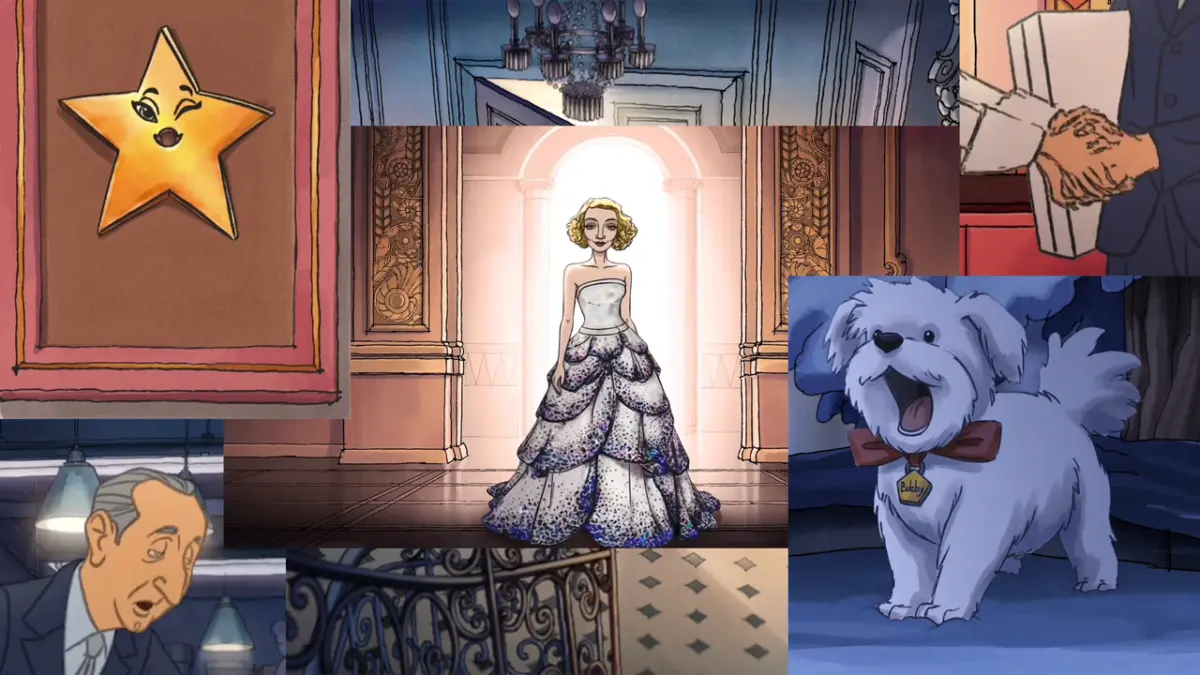
Did you catch Christian Dior’s holiday advertisement, “Night in Color”? At first glance, it is undeniably gorgeous—a dreamy, fantastical tale set in Paris featuring talking animals, conceptually inspired by the real-life friendship of Monsieur Dior and German actress Marlene Dietrich. Directed by acclaimed French animator Sylvain Chomet, the short film’s delicate illustrations come alive with the voice talent of global stars such as Robert Pattinson and Rihanna. It is picturesque, designed to feel like an affectionate love letter to storytelling, traditional craft, and art in an era increasingly flooded with an infinite stream of artificial intelligence-generated video vomit. Dior even went so far as to produce a polished behind-the-scenes video intended to demonstrate how the project aligns seamlessly with the storied fashion house’s artisanal heritage and core design values.
Yet, there is a glaring problem threatening this carefully constructed brand narrative: the advertisement exhibits all the classic visual signatures of being produced with heavy AI assistance. Almost immediately following its online release, sharp-eyed internet commenters began detecting the unmistakable telltales of generative AI deployment. Viewers quickly spotted warped lettering, a stray lazy eye, and a misplaced finger bone—the exact kind of anatomical hiccups and rendering glitches typical of early- or mid-stage generative AI video models.
Major media outlets spanning the creative and business sectors, from The Business of Fashion to Cartoon Brew, promptly reached out to representatives for Dior to seek clarification regarding the controversy. However, several days after initial inquiries were made, those outlets still had not received a response. Fast Company also reached out directly to the press department at LVMH, Dior’s powerful parent company, for an official comment regarding the production methods behind the commercial and will update the story if a response is eventually provided.
This friction surrounding Dior’s supposedly "hand-drawn" animated commercial highlights a fascinating and rapidly growing trend across the contemporary advertising landscape: in the overwhelming age of AI slop, major commercial brands appear to have abruptly rediscovered the enduring value of the human hand. In today’s saturated media ecosystem, authentic nostalgia and visible artisanal values have swiftly transformed into a rare luxury good.
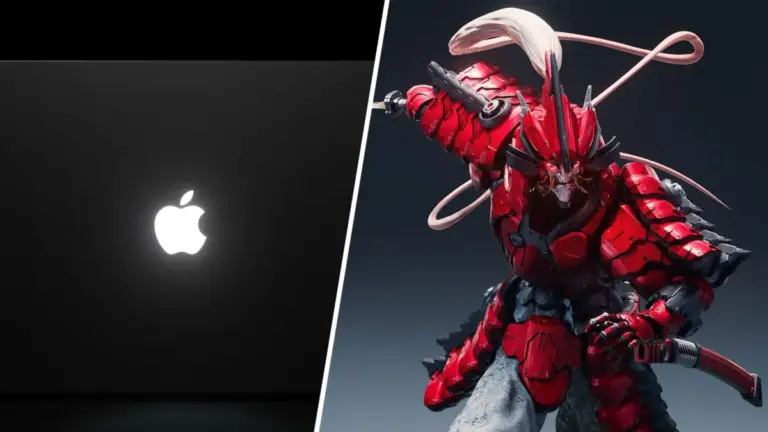
The cultural swing back toward tangible craftsmanship has been building momentum for some time. Late last year, sports car manufacturer Porsche released a widely praised holiday ad that proudly utilized traditional hand-drawn animation techniques alongside classic 3D animation. Following suit, technology giant Apple rolled out a charming Mac mini advertisement created entirely through stop-motion animation. That meticulous project required specialized artists to manually move physical objects and clay figures by mere fractions of a millimeter at a time, photographing every single step, frame by meticulous frame. It took thousands of individual photographs just to create a few seconds of finished animation on screen.
Apple continued this practical-effects push by releasing a stop-motion Apple Games advertisement shortly thereafter. Even the corporate identities for Apple TV and Apple Music received creative overhauls, shifting away from traditional computer-generated design in favor of 100% practical, physical effects.
Other high-end retailers and mainstream brands are actively embracing the exact same anti-AI ethos. Prada’s own hand-drawn holiday ad was directed by legendary former Disney animator John Pomeroy. For those unfamiliar with his towering legacy, Pomeroy is the creative genius behind immortal animated masterpieces like The Secret of NIMH and All Dogs Go to Heaven. Meanwhile, other global brands have followed a similar path, with Levi’s rolling out a tactile stop-motion film, Starbucks incorporating distinctly hand-drawn animated elements into its seasonal campaigns, and lifestyle brand Anthropologie debuting a completely handmade film project.
Industry observers suggest that this widespread pivot by luxury competitors may help explain why Dior allegedly panicked when leadership caught wind that Prada was preparing a competing holiday campaign with a legendary veteran animation artist safely at the helm. According to Ben Wild—the cofounder and CEO of a high-end film production studio whose an impressive client roster includes Netflix, HBO, Disney, and Gucci—Dior’s campaign ultimately suffered from being a rushed job, caught in the crossfire of corporate competition and the race to authenticate luxury through traditional art.