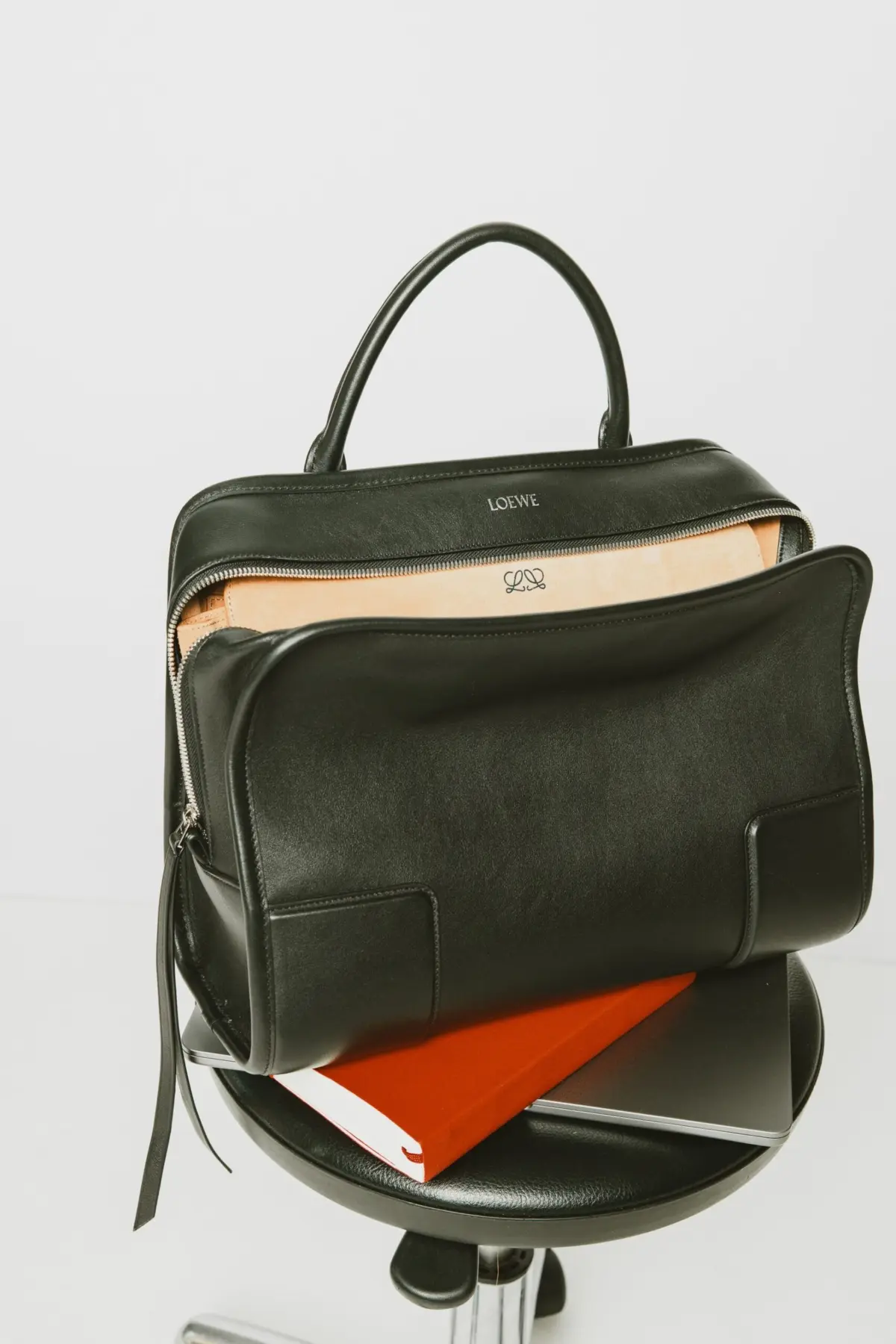
Few fashion purchases carry as much weight, both literally and financially, as a designer handbag. The right one can instantly anchor an outfit, become a dependable daily fixture on the morning commute, and, in many cases, retain its financial value long after the transaction is complete at checkout. Yet, in a modern market where a new "It" bag seems to emerge every season—or with every casual scroll through a social media feed—figuring out which styles are truly worth a major financial splurge is not always straightforward.
Fashion history offers valuable clues for identifying sound investments. Some of today’s most coveted bags have maintained cultural relevance for decades. Gucci’s famous Jackie traces its roots all the way back to the 1960s, while Dior’s Lady Dior became an enduring icon of 1990s style thanks to the patronage of Princess Diana. Fendi’s Baguette, meanwhile, successfully outlived its early-aughts heyday and found an entirely new generation of passionate fans more than two decades later. Their enduring appeal speaks volumes about the power of exceptional design, which possesses the rare ability to transcend changing tastes, evolving fashion trends, and frequent creative director shake-ups across major luxury houses.
Of course, a handbag does not necessarily need decades of heritage behind it to become a functional wardrobe staple. Sometimes, an unexpected silhouette, a high-profile celebrity endorsement, or a clever design detail can turn a newcomer into a cult classic overnight. Identifying these forever pieces among today’s endless stream of new arrivals is part of the ongoing thrill of fashion curation. Beyond the initial marketing buzz, the most promising designs tend to share key commonalities: practical proportions, distinctive details, and high versatility—factors that become all the more crucial when a shopper is considering a four-figure investment.
The best designer handbags should fit seamlessly into an existing wardrobe rather than demanding an entirely new closet overhaul. They need to be flexible enough to carry everywhere from a formal dinner to a busy day at the office or a quick trip to the grocery store, beautifully crafted to withstand years of physical wear, and stylish enough to elevate even the simplest daily outfits. Whether a buyer is drawn to a heritage house signature or something less ubiquitous, understanding the market landscape is essential for finding pieces worth keeping close for years to come.
The revival of past eras continues to heavily influence current market offerings. The Chloé Paddington, for instance, was the defining bag of the mid-2000s, instantly recognizable for its slouchy leather shape and oversized padlock hardware. Worn by every major style icon of the era, from Kate Moss to Sienna Miller, it epitomized a specific movement of bohemian glamour. More recently, the cult favorite returned under the direction of Chloé creative director Chemena Kamali, who revived the padlock-topped icon in various contemporary sizes and colorways, retailing around $2,990.
Similarly, Balenciaga’s Le City bag was a favorite of noughties tastemakers like the Olsen twins, Nicole Richie, and Lindsay Lohan. It made a full-fledged comeback with refreshed proportions and multiple colorways, cementing its status as a permanent house staple. While many modern shoppers opt for the new models, priced around $2,590 to $2,990, others continue to hunt for archival versions on preloved luxury resale platforms.
The landscape is equally defined by enduring icons and architectural newcomers. Gucci’s Jackie remains one of fashion’s true touchstones. Originally beloved by Jacqueline Kennedy Onassis, the hobo-shaped shoulder bag has been reissued through various iterations that balance retro charm with contemporary relevance, with modern styles like the Jackie Slim retailing around $2,450. Meanwhile, Loewe’s Puzzle bag, introduced by Jonathan Anderson as his debut design for the house, quickly became a favorite for its origami-like panels and shape-shifting construction. Under current leadership, the Puzzle remains a cornerstone of the brand, with classic full-size editions continuing to serve as foundational pieces.
Miu Miu has also captured significant market share with the Aventure, a softly structured design that reimagines a doctor bag from the brand’s 2009 archives. Complete with curved lines, a snap-hook closure, and vintage appeal, the bag is offered in nappa leather and suede, with prices reaching up to $4,500. Alongside it, newer introductions like the Prada Passage, which debuted on the runway with an architectural, slightly off-kilter silhouette and a clever bag-within-a-bag effect, demonstrate the industry’s appetite for structural innovation.
Minimalist labels continue to command respect through understated execution. The Row’s Agnes, inspired by vintage bowling bags, features a structured top handle, gently curved lines, tubular handles, a flat base, and a sweeping zip closure. Devoid of flashy logos or hardware, it retails around $5,000 and is designed to improve gracefully with age. Khaite’s Blake bag takes a similar approach, reimagining the classic box silhouette with a softly structured, flap-front shape that combines clean lines with functional versatility, commanding roughly $3,800.
Balenciaga’s Rodeo bag has similarly risen to prominence as a defining street-style staple. Drawing inspiration from vintage briefcases with its slouchy silhouette, it features a structured top handle and a removable leather strap, retailing near $4,590. On the more accessible end of the spectrum, Coach’s Empire carryall has proven to be an instant hit among fashion editors, marrying a roomy, aesthetic design with a mid-level price point of around $950.
Bottega Veneta’s Campana bag, first introduced in 2004 and subsequently relaunched, maintains its signature Intrecciato weave and double handles with increasingly sleek lines. Its spacious silhouette and lack of hardware make it an effortless everyday option, though prices scale up to $5,200 for larger editions. Toteme’s T-lock bag, defined by its minimalist structure and T-shaped clasp, continues to hold steady as a celebrity favorite, retailing between $1,290 and $1,390. Saint Laurent’s Le 5 à 7 offers similar day-to-night ease, bridging the gap between work and evening wear with prices ranging from $2,500 to $2,750.
Market data underscores these shifts in consumer preference. According to recent quarterly data from industry platforms like The Lyst Index, Prada reclaimed its position as one of the world’s hottest brands, driven heavily by viral hits like the silk duchesse Wish Pouch, which saw a massive surge in consumer searches. At the same time, perennial favorites and reliable heritage silhouettes continue to prove that thoughtful investment outlasts fleeting seasonal trends. Ultimately, the most sensible acquisition remains the bag that aligns most naturally with an individual’s daily life and wardrobe requirements.