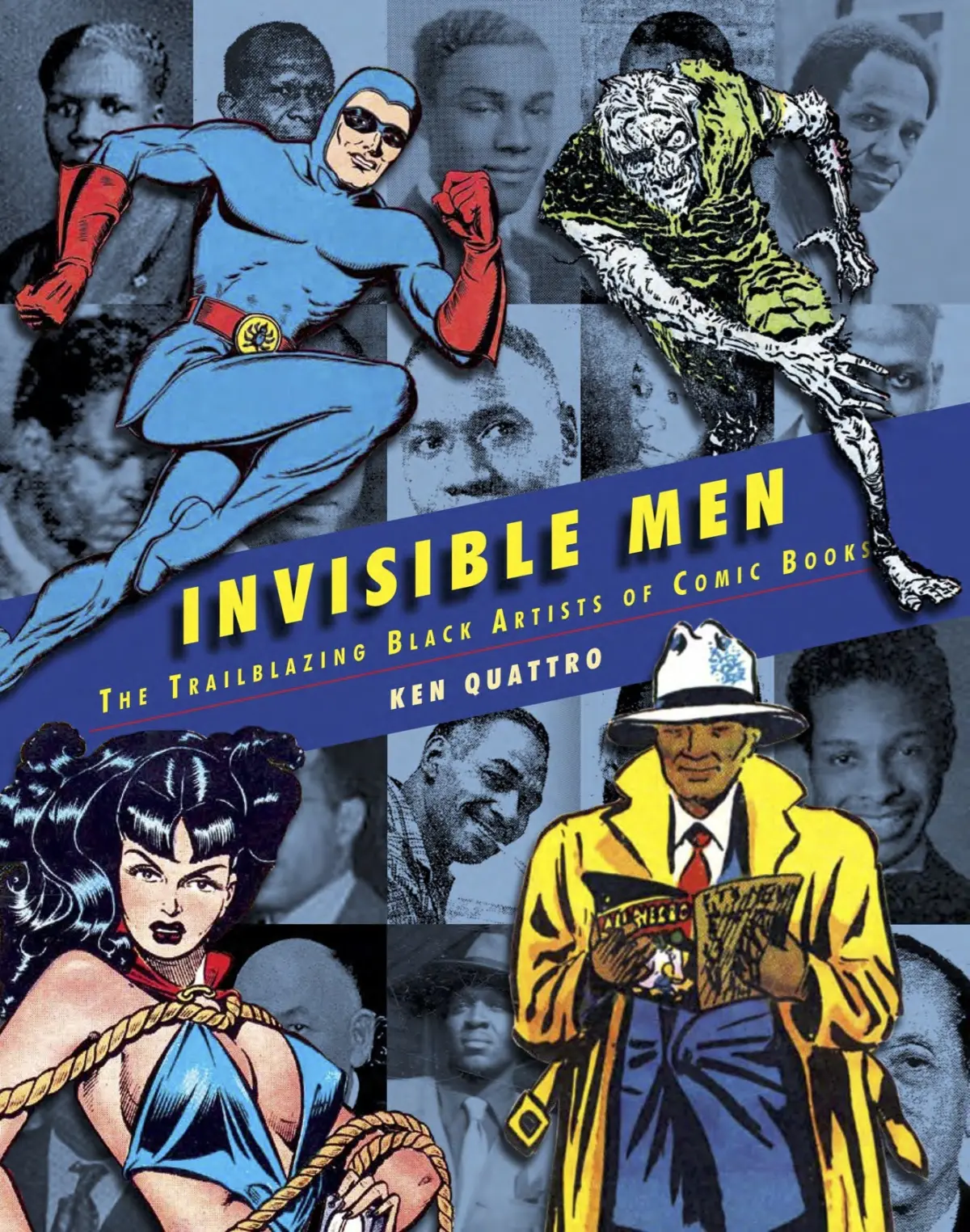
The Golden Age of comic books, spanning approximately from 1938 to 1956, is widely recognized as a foundational era for the medium. During this dynamic period, many of the world’s most famous characters—heroes who still battle villains and protect the innocent to this day—were first brought to life on the printed page. While the broader history of the era, along with its celebrated writers and artists, has been extensively documented by historians, journalists, and avid collectors, a significant group of creators has remained largely overlooked. Author and researcher Ken Quattro has finally brought these forgotten figures to light, dubbing them the "Invisible Men."
Borrowing thematic elements and pluralizing the title from Ralph Ellison’s iconic 1952 novel about race, class, and American society, Quattro has spent more than a decade meticulously uncovering the stories of 18 important Black comic book artists from the Golden Age. His exhaustive research has culminated in a striking debut book, Invisible Men: The Trailblazing Black Artists of Comic Books, published by Yoe Books, an imprint of IDW. Through this work, Quattro reveals the incredible, untold narratives of Black artists who went unrecognized, uncredited, and largely forgotten by the mainstream industry for nearly a century.
The Journey to Uncover Lost Legacies

Quattro’s journey into this hidden history began more than 15 years ago, sparked by a brief conversation with acclaimed Black comic book artist Matt Baker. That single exchange set Quattro on a long, arduous path of archival research and historical detective work. As a trained journalist and accomplished short-form author, Quattro possessed the investigative skills necessary to piece together fragmented records, faded signatures, and oral histories that had been lost to time.
The publishing landscape of the Golden Age was structured in a way that actively obscured the identities of many contributors, particularly Black creators. Quattro explains that during this era, the booming popularity of comic books created an insatiable demand for content. To keep up with massive consumer appetites, publishers relied on "comic shops," which functioned much like industrial factories or assembly lines. These operations hired numerous artists to illustrate stories under intense, highly compressed deadlines, occasionally turning out a complete 64-page comic book in as little as two days.
Systemic Barriers and the "Comic Shop" System
For Black artists seeking to break into the booming comic book industry, these comic shops represented both a barrier and a rare pathway to employment. Most comic book publishing companies during the mid-20th century were exclusively owned and operated by white executives. When a Black artist attempted to secure freelance assignments directly from a publisher on their own merits, they were frequently turned away.
However, working through independent or intermediary comic shops offered a workaround, albeit an exclusionary one. These shops would secure the commissions from publishers and pass the work along to Black artists, who were generally not permitted to work on-site alongside white artists in the primary publishing studios. Instead, these creators took their assignments home, completing the intricate penciling and inking in domestic isolation. Because their work was filtered through middlemen and often published without proper credits, their contributions were effectively erased from the public consciousness, leaving generations of readers unaware of who truly drew their favorite adventures.
A Surprising Contrast of Fine Art and Mass Media
Popular assumptions about the creators of early comic books often suggest a workforce of self-taught amateurs, but Quattro’s research reveals a far more complex reality. Many of the Black artists working during the Golden Age were, in fact, classically trained fine artists. Quattro notes that this creates a striking historical irony: these men were highly accomplished, formally educated artists in broader fine art contexts, yet they were treated as practically inconsequential within the commercial publishing sphere.
Several prominent figures embody this paradox. Elton Fox, born in Baltimore in 1909, earned his fine arts degree from Syracuse University in 1931, possessing a high level of academic preparation before entering the commercial art market. Similarly, E.C. Stoner, the talented illustrator behind the iconic hero Blue Beetle, received classical training at the prestigious Académie Julian in Paris, France.
Perhaps one of the most compelling examples highlighted in Quattro’s book is Alvin Hollingsworth. Hollingsworth successfully navigated both worlds, using his mastery of illustration to pay the bills through commercial comic book work while simultaneously maintaining a thriving fine art career. Today, both his comic book pages and his fine art paintings are highly sought after by collectors in both the comic book and fine art markets.
Breaking Barriers: Independence and Representation
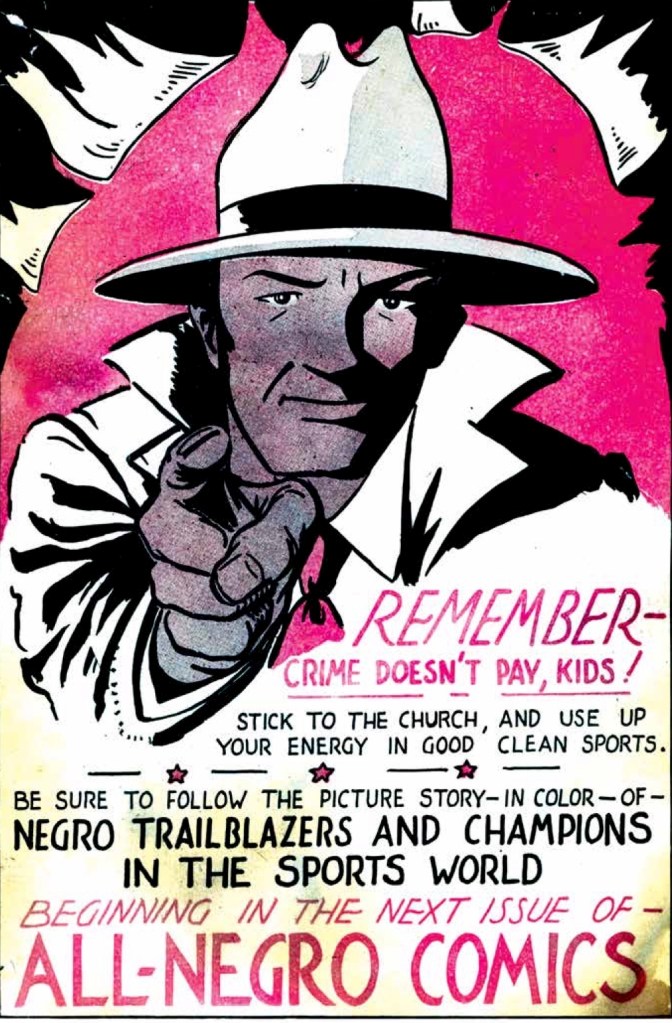
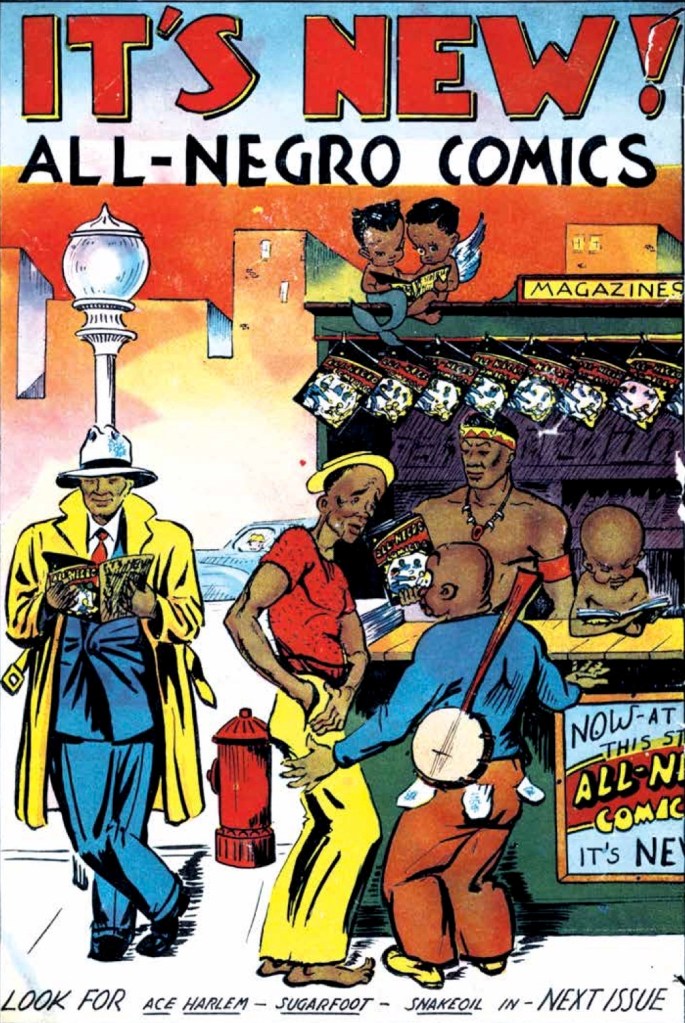
While the vast majority of comic book publishers were white-owned, there were rare and notable attempts to carve out independent spaces for Black creators and audiences. One of the most significant initiatives was All-Negro Comics, launched in 1947 by journalist and artist Orrin Cromwell Evans. Designed to feature stories by and for Black creators, the publication represented a monumental step forward for representation in the medium.
However, systemic discrimination ultimately cut the venture short. As Quattro details, when Evans attempted to publish the second issue of the anthology, white paper suppliers refused to sell him the necessary materials, effectively halting production and killing the publication in its infancy. Today, an original copy of the first and only issue of All-Negro Comics is considered an extraordinary historical artifact, commanding tens of thousands of dollars among high-end collectors regardless of its condition.
Challenging Historical Misconceptions
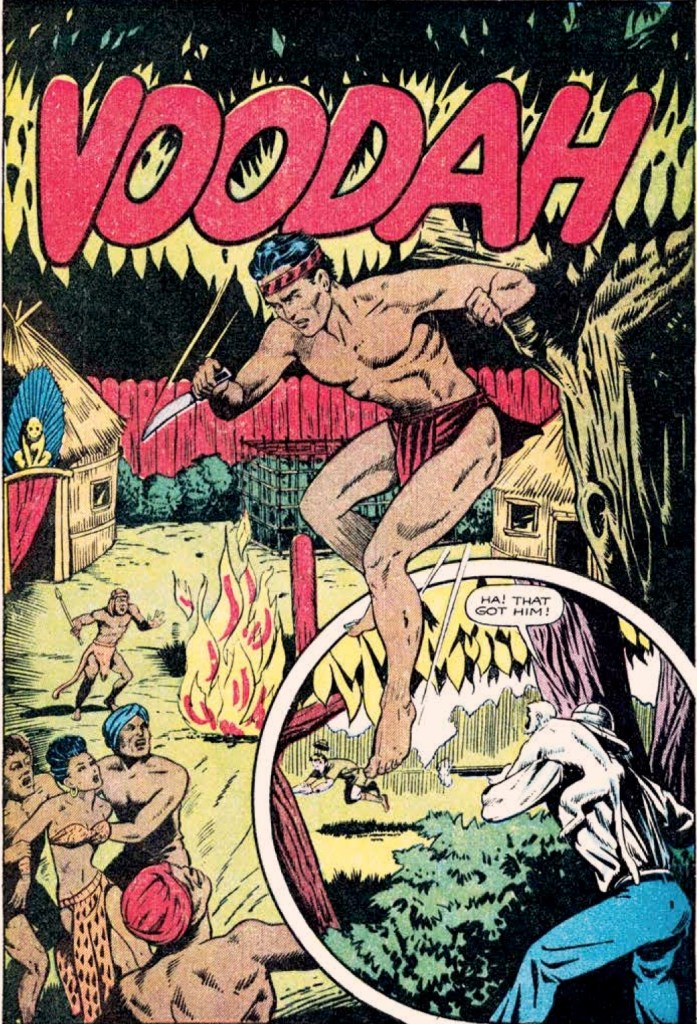
Quattro’s research also challenges long-held beliefs about representation in superhero comics. Conventional comic book history often holds that the first Black superhero did not appear until the debut of Marvel’s Black Panther in 1969. However, Invisible Men reexamines this timeline by highlighting the emergence of "Voodah," a character created by Matt Baker for Crown Comics in 1945.
Voodah was depicted as a Black protagonist on the interior story pages, making him a true pioneer of the genre. Yet, due to pervasive racism and the economic realities of distribution in the American South, publishers altered how the character was marketed. On the comic book covers, Voodah was colored white. As Quattro explains, newsstands in Southern states simply would not carry publications that portrayed a Black character in a positive, heroic light, forcing publishers to compromise the character’s visual identity to secure national distribution.
Reclaiming a Place in the Pantheon
Though the artists documented in Invisible Men may never become household names to the casual reader, Quattro argues that they rightfully belong in the same legendary pantheon as any other Golden Age masters. Their life stories reflect the broader tapestry of American history during the 20th century.
Among them is Ezra Clyde Jackson, whose artistic legacy is carried forward today by his daughter, a current U.S. Congressperson. Another remarkable figure is Owen Middleton, who, following his release from a life sentence in prison, successfully rebuilt his life and found a sustained career in the comic book industry. The narrative also circles back to pioneers like Orrin C. Evans, who dared to establish the nation’s first Black-owned comic book company, and E.C. Stoner, a central artistic talent of the Harlem Renaissance who used his considerable skill to illustrate the "Nazi-punching" adventures of the Blue Beetle.
Invisible Men: The Trailblazing Black Artists of Comic Books is currently available through major retailers, including Amazon. However, Quattro encourages enthusiasts to seek out the book at local independent comic book shops, suggesting that readers might also explore works by Black artists while browsing.
Further information regarding Ken Quattro and his ongoing historical investigations under his Comics Detective banner can be found on his official website.