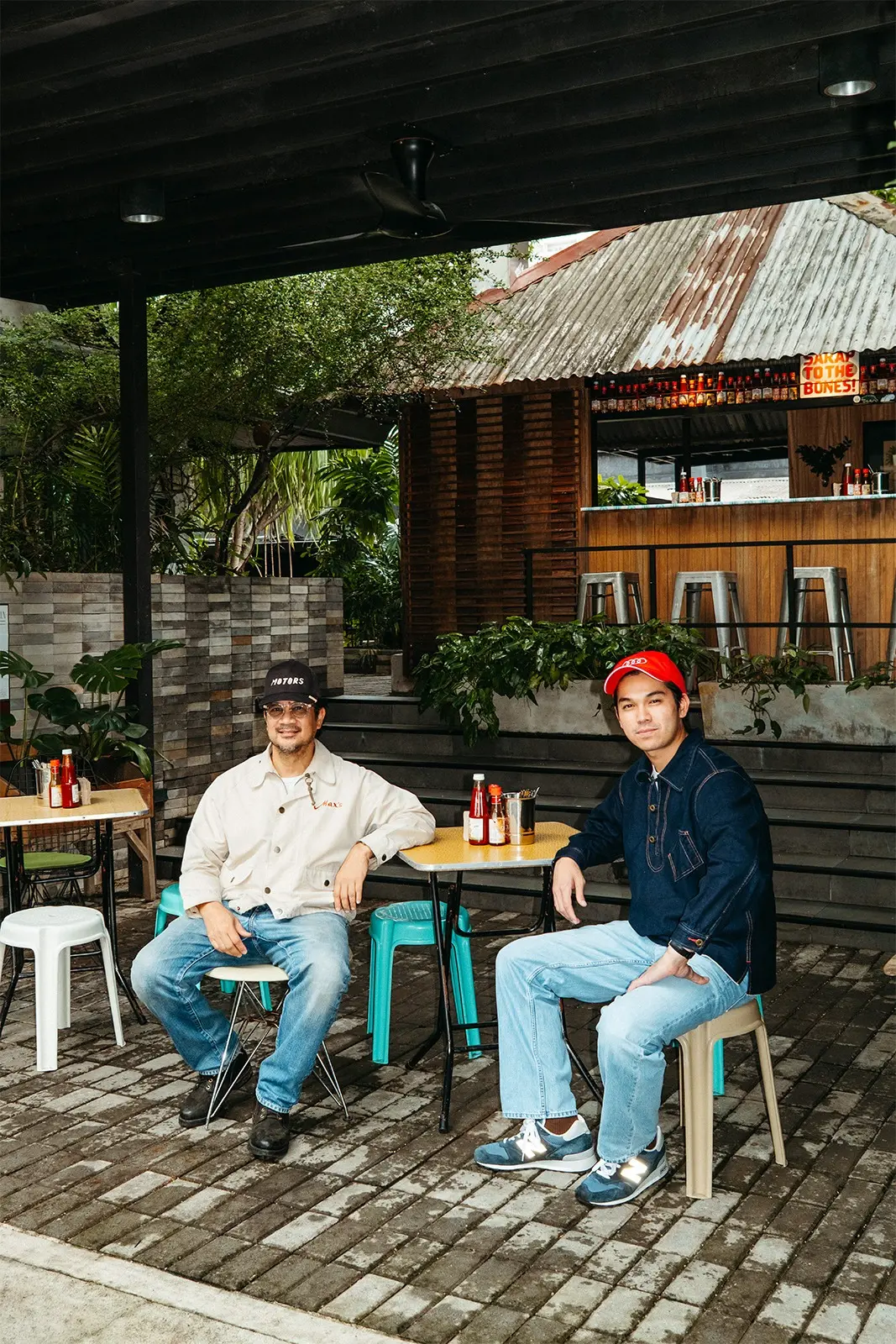
It is a regular Thursday lunchtime in Metro Manila, and every table at Max’s Restaurant on Scout Tuazon Street is brimming with life. Groups of friends, bustling colleagues, and multi-generational families ranging from grandparents to young children are eagerly tucking into a classic menu that has been refined over more than 80 years. The signature order across nearly every table remains the same: half a spring chicken, two soft bread rolls, a side of sweet-potato fries, and a generous dollop of banana ketchup—a uniquely sweet, local Philippine condiment that has accompanied the dish for decades.
Fried chicken is undeniably big business in the Philippines. While the mighty Jollibee reigns supreme as the country’s most famous and ubiquitous fast-food chain, it is Max’s that holds the title of where the nation’s commercial poultry industry truly began. The enterprise traces its roots back to the aftermath of the Second World War. At the time, thousands of US military personnel were stationed in Manila, lingering in the capital while awaiting transport back stateside. Many of these homesick soldiers would frequently visit the home of Maximo Gimenez, a Stanford-educated Filipino teacher known to them simply as "Max," seeking a welcoming space for cold drinks and engaging conversation.
The story goes that the remarkably hospitable Gimenez asked his niece, Ruby, to prepare the kind of comforting food that the American servicemen continually craved. This request led directly to Ruby’s unique culinary interpretation of the American deep-fried staple. Notably, her version was entirely breadless because, at that historical juncture, most traditional Filipino households prepared chicken by grilling it over coals or frying pork rather than coating poultry in seasoned flour.
Thus, Max’s iconic fried-chicken recipe was born. What started as a singular, hospitable gathering place eventually grew into a sprawling nationwide chain boasting hundreds of locations, a listing on the stock exchange, and international outposts reaching across the United States and the Middle East.
“Many of our diners first came with their parents and now they are coming back with their own children,” reflects co-owner and executive director Jim Fuentebella as he guides visitors through the sprawling flagship branch.
Fixing the Motherstore: The Return of the Cousin Consortium
Today, the original Max’s Restaurant and former family home still stands as the enterprise’s ultimate flagship, serving as both the gold standard for the brand and an experimental laboratory for testing fresh ideas for the wider group. Fuentebella and six of Ruby’s other grandchildren collectively control about 70 percent of the company’s shares. Following a strategic phase managed by external professional executives, this close-knit collective—affectionately referred to as the “cousin consortium”—has firmly reasserted direct control over the company’s direction.

Under this renewed family leadership, reckless expansion for the mere sake of corporate scale has been taken completely off the table. Instead, the focus has shifted inward, prioritizing the gradual and thoughtful renovation of existing locations.
“The business was being managed by people who were more concerned with share price and revenue,” Fuentebella explains, noting that he initially brought in Manila-based architect Sarah Canlas to completely revamp the main branch. “We needed to fix the motherstore.”
The sprawling 5,000-square-meter compound has been intentionally opened up, creating an airy, welcoming environment that allows patrons to wander leisurely around the central courtyard, sit shaded beneath a mature pandan tree, or pop into a newly minted venue called Ruby’s. Operating as a cozy coffee lounge by day and an intimate cocktail bar by night, this 12-seater space not only pulls in a younger, contemporary crowd but also seamlessly elevates the experience of one of Max’s most lucrative core revenue streams: private events.
Mastering Events and Preserving the Original Recipe
Most Max’s locations are traditionally equipped with a function room, but the Scout Tuazon flagship boasts three distinct spaces and averages an impressive four events per day. Customers looking to book milestone celebrations such as birthday parties, wedding dinners, or christening receptions arrive at the restaurant to sign their contracts—and this reservation ceremony now frequently takes place over lattes or handcrafted cocktails at Ruby’s.
On the annual calendar, Mother’s Day remains the single most popular day for bookings. The demand is so consistent that the restaurant’s crucial Christmas holiday period was entirely booked out as early as September. This follows a record-breaking holiday season from the previous year, which brought in 16 million pesos (approximately €223,150)—a milestone the management team approaches with immense confidence as they look toward future seasons.
To honor the brand’s humble origins, Fuentebella spearheaded a project known simply as the General Store. Tucked into a corrugated-iron shack reclaimed from a local construction company on the opposite side of the compound—complete with an iconic Eames House Bird perched artfully on the roof—this rustic outpost offers a distinct culinary experience. Inside, a veteran chef named Mario oversees the kawa, a large, traditional metal wok filled with bubbling cooking oil. Utilizing three decades of accumulated experience at Max’s, Mario relies entirely on his trained intuition to gauge the exact tenderness of the chicken rather than depending on fancy automated machinery.

“This is our grandmother’s recipe served in its original, purist form,” Fuentebella notes proudly.
With its own dedicated street entrance and relaxed outdoor seating, grabbing lunch at the General Store provides a pared-back dining experience that feels reminiscent of eating in the quiet provinces or visiting one of the country’s many tranquil islands.
Bridging Generations and the Road Ahead
During a quiet afternoon following the lunchtime rush, the tour of the compound continues past a private dining room and an active bakery that supplies wedding cakes and fresh bread rolls. Tucked away in the research and development kitchen, a visiting chef from the southern island of Siargao can be found experimenting with innovative new dishes and modern plate presentations. Among recent menu additions, sizzling tofu has emerged as a runaway success over the past few years. This unexpected hit may be attributed to growing vegetarian preferences among younger diners or simply the local culinary affinity for pairing fried chicken with a moist, savory accompaniment—much like the signature side of gravy associated with rival Jollibee.
Catering to shifting customer lifestyles and evolving palates is the primary mission of the corporate offices upstairs. Under the guidance of CEO Carolyn Trota-Salud, a youthful team is actively developing bento-style lunch boxes designed specifically for solo diners. These convenient grab-and-go meals feature a balanced mix of healthier options alongside one or two traditional fried items. Crucially, these new offerings are slated for deployment at newly planned branches opening directly inside public transport hubs—a notable strategic development within Metro Manila’s traditionally car-centric urban landscape.
While corporate headlines internationally often focus on massive financial milestones like Jollibee’s upcoming initial public offerings in Hong Kong or New York, Max’s Restaurant continues to chart its own steady course forward, relying on its enduring, homegrown recipe for success.