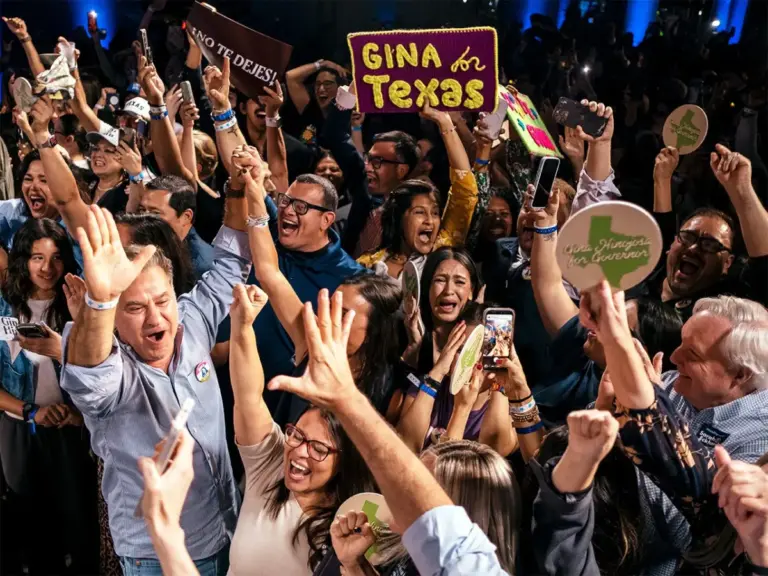
The US midterms have colored the country’s political climate a decisive blue, sweeping through Congress and fundamentally shifting the domestic balance of power. As the dust settles in Washington, policymakers and foreign capitals alike are grappling with a pressing geopolitical question: how will this newly empowered Democratic alignment affect America’s steadfast, yet increasingly complicated, support for Israel?
No nation arguably had more at stake in the pivotal US midterm elections than Israel and, by extension, the Palestinian territories spanning Gaza and the West Bank. What was framed domestically as a once-in-a-generation opportunity for the Democratic Party to claw back control of Congress simultaneously transformed into an international referendum on the United States’ historic, decades-long relationship with the Jewish state. Furthermore, these seismic shifts in Washington arrive as Israel itself navigates a fraught, war-weary political landscape following its own inconclusive national elections held weeks prior. Regardless of who ultimately succeeds in stitching together a governing coalition in Jerusalem, the downstream effects of the American midterms are already reverberating across the Middle East.
The Michigan Race and a Historic Congressional Milestone
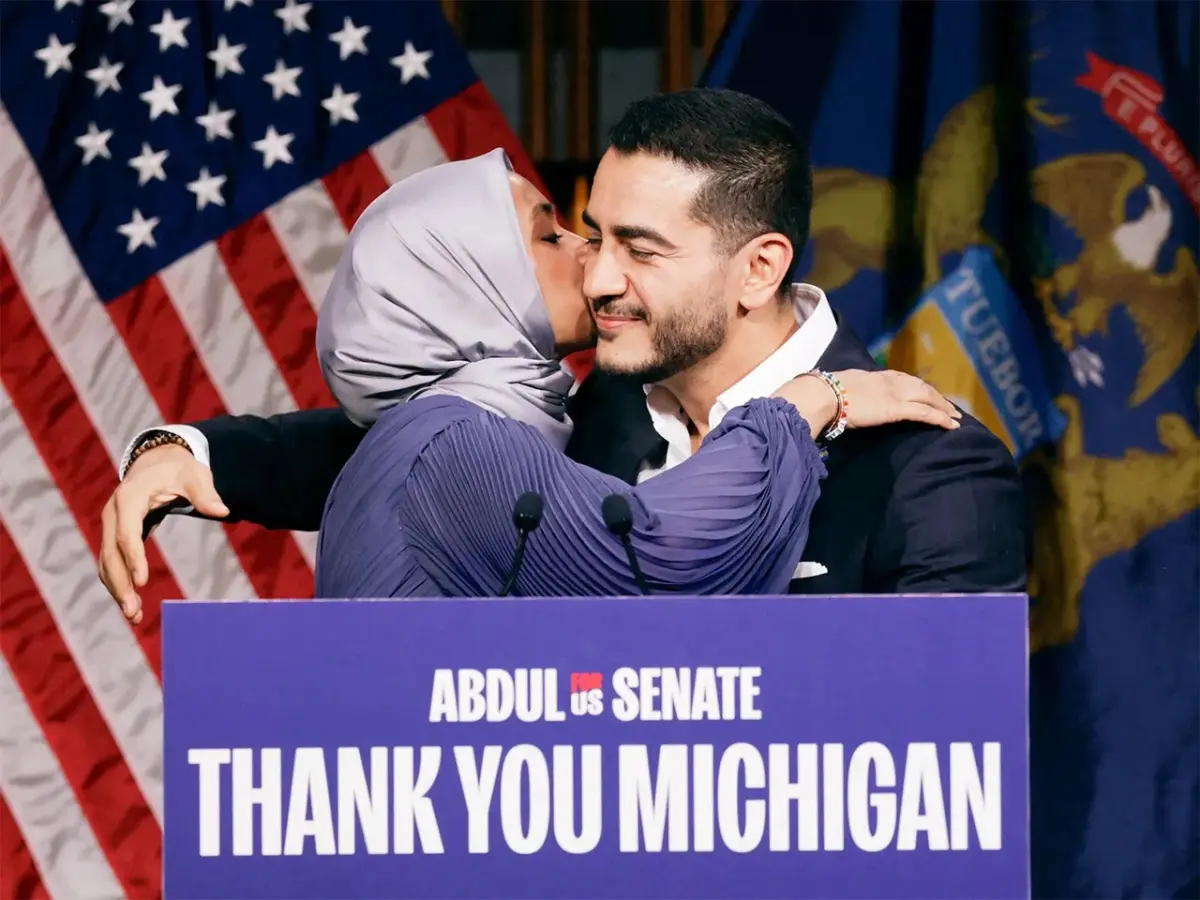
Among the dozens of closely watched legislative contests across the country, the most consequential midterm race for Israel—and perhaps for the broader Middle East—unfolded in the state of Michigan. There, Abdul el-Sayed emerged victorious, securing a crucial seat as the state’s newest Democratic senator and etching his name into the history books as the first Muslim senator in United States history.
El-Sayed brings an impressive and diverse resume to Capitol Hill. An Egyptian-American physician, former Rhodes Scholar, and Columbia University assistant professor, he previously led a series of major public health departments before stepping into the political arena. His hard-fought victory was instrumental in securing the Democratic Party’s overarching ambitions of regaining control of Congress.
However, El-Sayed’s path to the Senate was fraught with intense political friction. Throughout the campaign, he battled relentless accusations and scrutiny regarding his positions, fueling fierce debates over antisemitism and Islamic fundamentalism within modern American politics. Now, with his triumphant entry into federal office, his success is expected to throw a sharp spotlight on the shifting ideological alignment between Washington and Israel. The outcome in Michigan carries clear, long-term implications not just for Capitol Hill, but for the looming presidential race slated to take shape in two years’ time.
Evolving Stances Among Democratic Heavyweights
The shifting sands of the American political landscape are further underscored by the maneuvers of prominent Democratic figures looking toward the horizon. Former vice-president and unsuccessful 2024 Democratic nominee Kamala Harris has already begun teasing a potential run for the White House in 2028. In her public appearances and strategic messaging, Harris has increasingly highlighted the current administration’s foreign policy shortcomings, specifically criticizing Donald Trump’s inability to effectively moderate Israel’s military conduct in Gaza.
At the same time, former president Barack Obama has ratcheted up his own critiques of Israel as part of a concerted effort to hit the campaign trail and bolster Democratic candidates nationwide. Late last month, Obama traveled to Michigan to rally directly alongside El-Sayed, making a high-profile appearance just weeks after Harris had visited the state. This coordinated display of party heavyweights campaigning alongside progressive and Arab-American voices signals a distinct evolution in how the Democratic Party approaches Middle Eastern foreign policy, moving away from uncritical support toward a more conditional, heavily scrutinized partnership.
Economic Realities and Financial Recalibrations
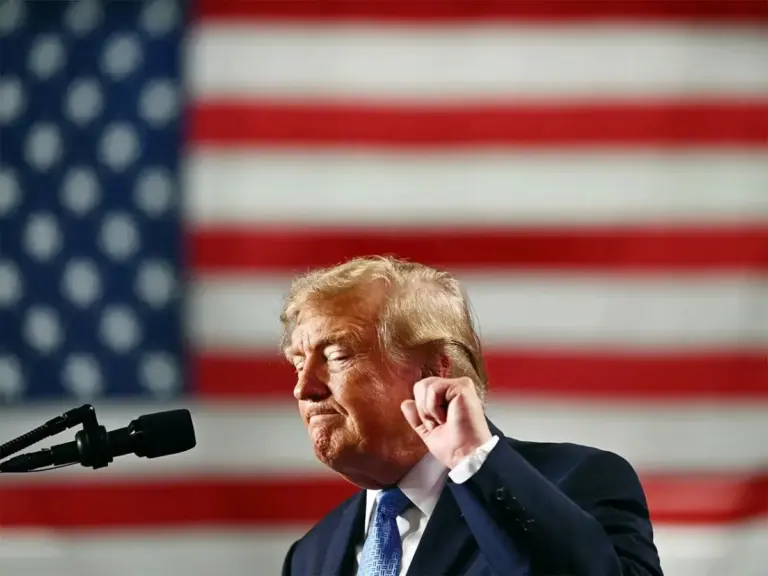
While political rhetoric shifts in Washington, financial realities are also beginning to transform the bilateral relationship. In a significant announcement on Tuesday, Donald Trump revealed that he had brokered a deal with Israeli Prime Minister Benjamin Netanyahu aimed at scaling back annual financial aid and funding to Israel.
Prime Minister Netanyahu appeared to have anticipated potential international friction or economic pressures well in advance. On October 25, the Israeli leader publicly suggested that the country might eventually need to explore alternative financial mechanisms, such as utilizing cryptocurrency, to bypass potential foreign economic sanctions. While that specific comment may have been chalked up to pre-election political hyperbole by some analysts, the Israeli economy nevertheless appears remarkably well-positioned to weather the scaling back of such a seismic and symbolic economic input from Washington. Driven largely by a surging tech sector and robust international investment, Israel’s domestic market retains considerable resilience.
Navigating a Democratic Sweep and Regional Ambitions
Predicting how Donald Trump intends to execute his broader regional strategy in the wake of a sweeping Democratic victory in the midterms remains a complex challenge for foreign policy analysts. The election results will undoubtedly influence domestic calculations, including how long the president can sustain his military campaigns abroad, particularly regarding ongoing tensions with Iran, which Trump has previously suggested might flare up again following the conclusion of the midterms.
Simultaneously, the administration is struggling to regain momentum for its faltering "Board of Peace" initiative. In an effort to breathe new life into the project, the administration recently hired a former Biden official to help secure elusive bipartisan support for a delayed Gaza reconstruction plan.
For now, regional observers suggest that the primary immediate consequence of Washington’s political upheaval will be significantly intensified pressure. Whoever ultimately emerges as Israel’s next leader will likely face a much tougher stance from Washington regarding the necessity of cracking down on escalating settler violence in the West Bank—a policy shift forced into reality by a United States firmly in the throes of political transformation.