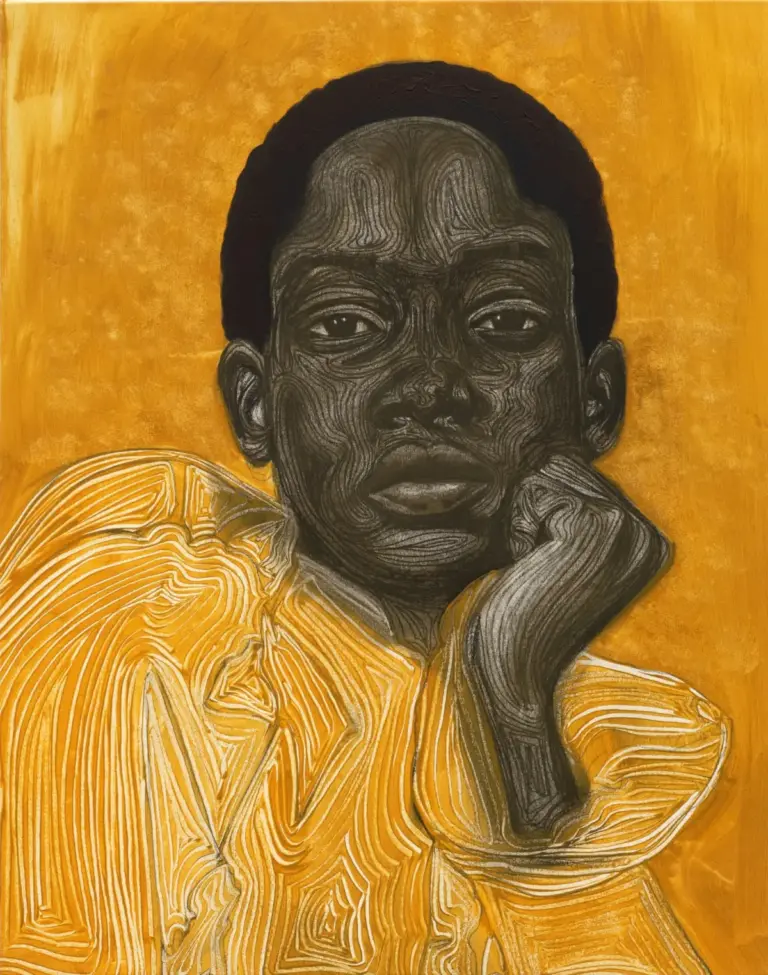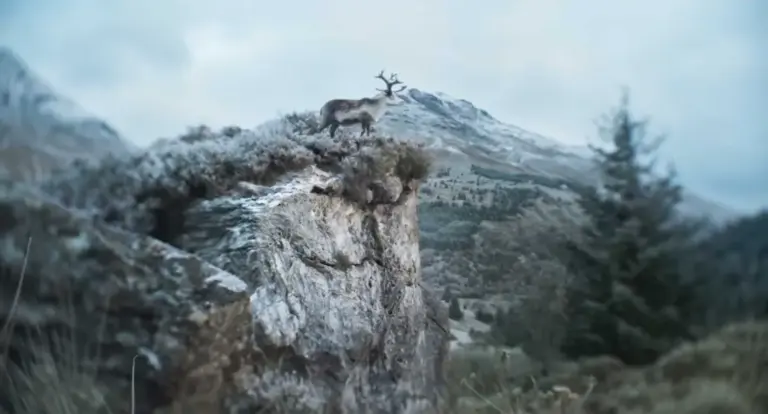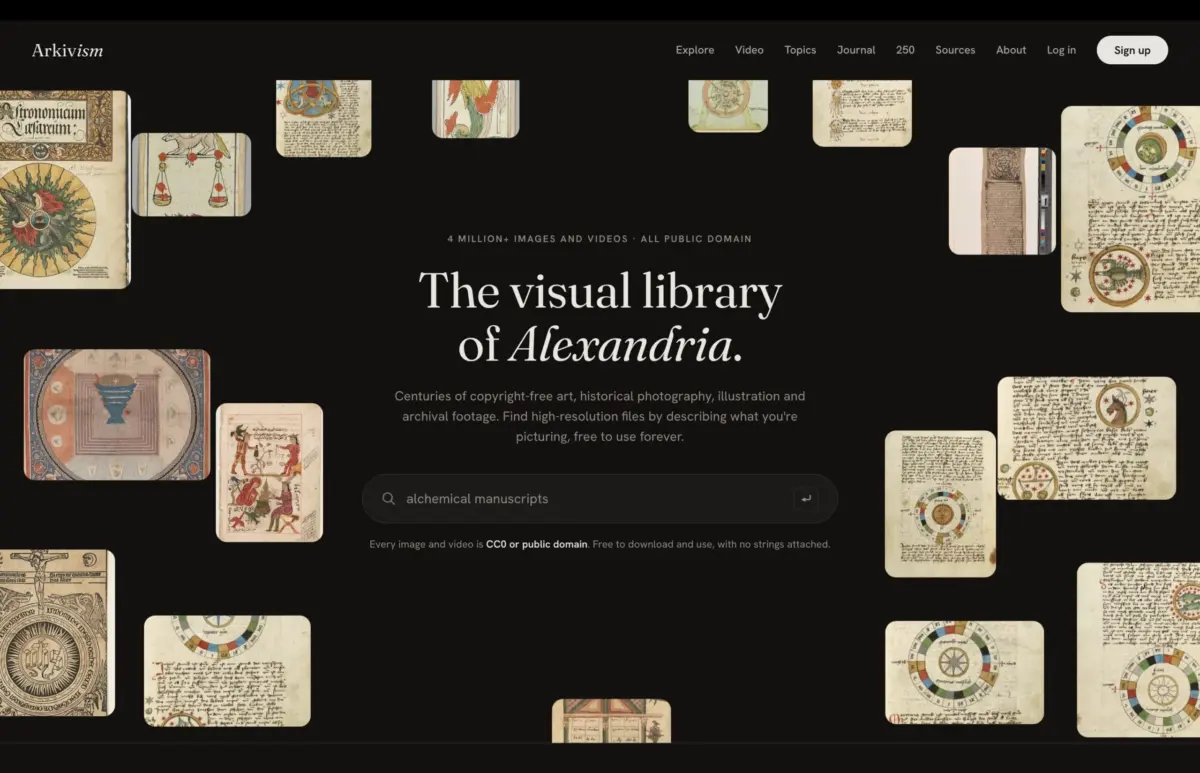
Whether you are on the hunt for a charming historical drawing of a duck wearing a hat, a rare visual glimpse at Morocco as it appeared in 1850, or a dynamic video clip capturing citizens celebrating in the streets, finding specific historical imagery has traditionally required navigating a disjointed labyrinth of museum archives, digital library collections, and fragmented online databases. Whatever imagery it is you might be searching for, a new platform called Arkivism has likely got you covered.
Positioned as an accessible and refreshing antidote to the rising tide of generative artificial intelligence, Arkivism is a newly launched public domain index designed to aggregate and catalog millions of artworks, historical illustrations, photographs, video clips, and other media objects sourced from dozens of prominent museums, cultural institutions, and archives situated all around the globe. While countless individual digital collections already exist online, scattered across the official websites of various global galleries and university repositories, this ambitious initiative—which its creator aptly dubs a modern "visual library of Alexandria"—brings these vast treasures together under one roof.
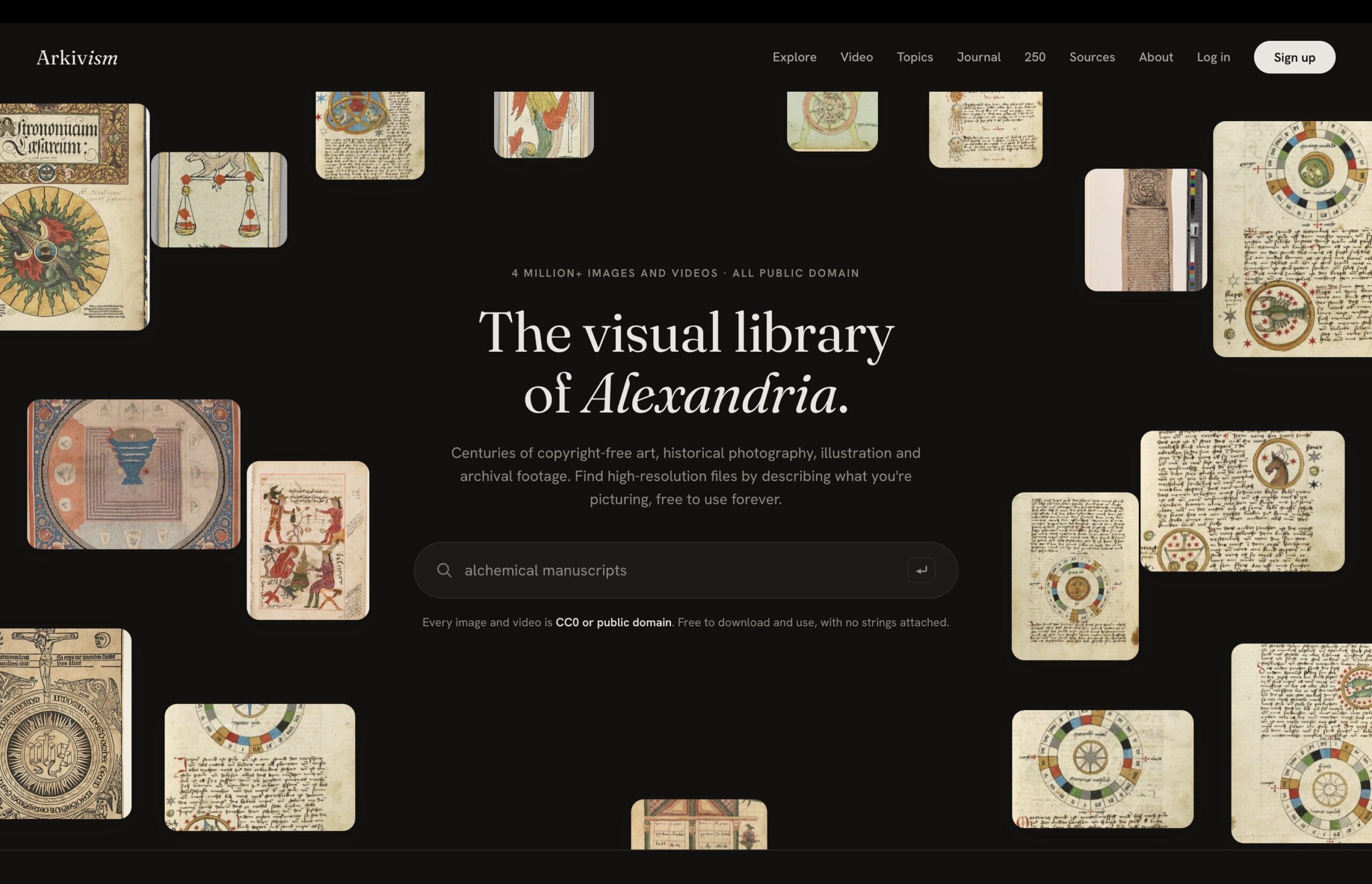
Crucially, what sets this platform apart from traditional digital archives is its underlying search mechanism. Rather than requiring users to parse complex metadata, navigate rigid institutional taxonomies, or filter by exact artist names and creation dates, Arkivism is fully searchable using natural descriptive phrases. This mode of research has rapidly become commonplace and intuitive for millions of internet users with the widespread proliferation and popularity of conversational chatbots and AI tools. Instead of wrestling with clumsy Boolean operators or traditional keyword tags, users can simply describe what they are looking for in plain, everyday language and be presented with an array of authentic, human-made results drawn directly from the annals of art and cultural history.
The launch of Arkivism arrives at a fascinating juncture in the digital landscape, where the public sphere is increasingly saturated with synthetic imagery generated by algorithms. As text-to-image models become ubiquitous, the value of genuine, human-crafted historical artifacts, artistic masterpieces, and documentary photography has arguably never been higher. By offering a streamlined, conversational search experience tailored specifically to verified public domain works, Arkivism bridges the gap between cutting-edge user interface design and historical preservation. It empowers researchers, educators, artists, designers, and curious web wanderers alike to unearth authentic cultural heritage without having to wade through the noise of modern digital fabrication.
By indexing millions of works spanning various mediums and centuries, the platform democratizes access to materials that might otherwise remain buried deep within the offline storage vaults or obscure web portals of international cultural institutions. From the grandeur of deep space photography and astronomical charts to intimate portraits of daily life in past centuries, the breadth of the index reflects the diverse tapestry of human creativity across time and geography. As word of the platform spreads across the cultural and educational sectors—drawing notice from digital culture hubs like Open Culture—Arkivism stands poised to become an indispensable resource for anyone seeking to ground their creative or academic pursuits in the tangible reality of human history rather than algorithmic approximation.