Grinding Gear Games has officially announced that the full 1.0 release of Path of Exile 2 will launch on December 11, bringing an unprecedented wave of content to the acclaimed action role-playing game following two years of early access development. The upcoming release represents a massive milestone for the studio, capping off the campaign with two brand-new acts while introducing two highly anticipated character classes, an expansive new league mechanic featuring strategic castle building, and sweeping reworks to the endgame, passive skill tree, items, and combat systems.
The December update finally completes the game’s core narrative campaign by introducing Acts 5 and 6. This final stretch of the story brings players back to Oriath and beyond as they continue their desperate pursuit of the Beast across the world. Alongside the narrative conclusion, the campaign will feature a series of bespoke rare monsters, each equipped with distinct abilities, unique visual designs, and specialized modifiers that promise to keep players on their toes. These new campaign areas will also serve as the introduction to the 1.0 league mechanic, titled Conquerors of Wraeclast, which integrates strategic elements directly into the leveling experience.
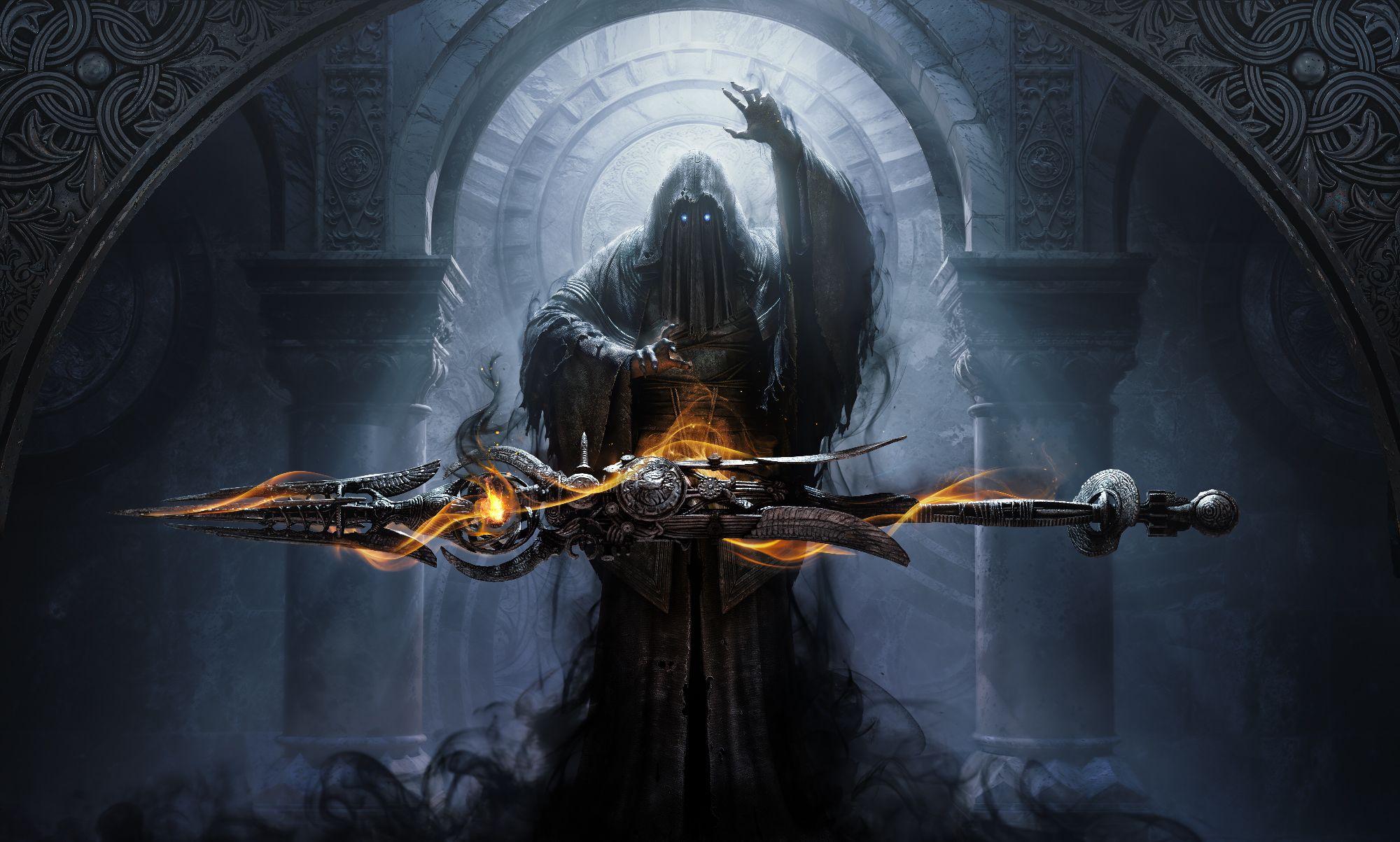
At the heart of the Conquerors of Wraeclast league is a brand-new base-building and territory-conquest system. As players progress through the campaign, they will have the opportunity to recruit armies and construct a heavily fortified castle. Drawing inspiration from classic strategy titles like Heroes of Might and Magic, players can spend gold to upgrade their stronghold and recruit various types of soldiers from over 70 points of interest scattered throughout the campaign zones. These recruits can be deployed into battle against rival armies, culminating in challenging boss encounters and lucrative rewards.
Building upon the success of systems like Kingsmarch from the original Path of Exile, the base management in Path of Exile 2 allows players to recruit specialized commanders. These commanders can take charge of the recruited armies and run maps on behalf of the player, converting collected gold directly into rapid progression through the atlas and a steady stream of valuable loot. Once players venture into the endgame beyond the campaign and pinnacle bosses, these armies can be leveraged in a faction-based conflict against other players. By aligning with one of three distinct factions—the Karui, the Ezomyte, or the Marraketh—players can fight for control of strategic castles dotted across the atlas.
Holding these castles grants meaningful tactical advantages. As long as a player’s faction maintains control over a given castle, they can use it as a fast-travel hub on the atlas to bypass traditional navigation, gain valuable item rarity bonuses, and unlock nearby hunting grounds populated by rare monsters with significantly increased loot drops. Furthermore, currency found during these faction battles can be utilized within a refined crafting system, giving players the ability to selectively remove unwanted item modifiers and reroll them into fresh fractured mods.
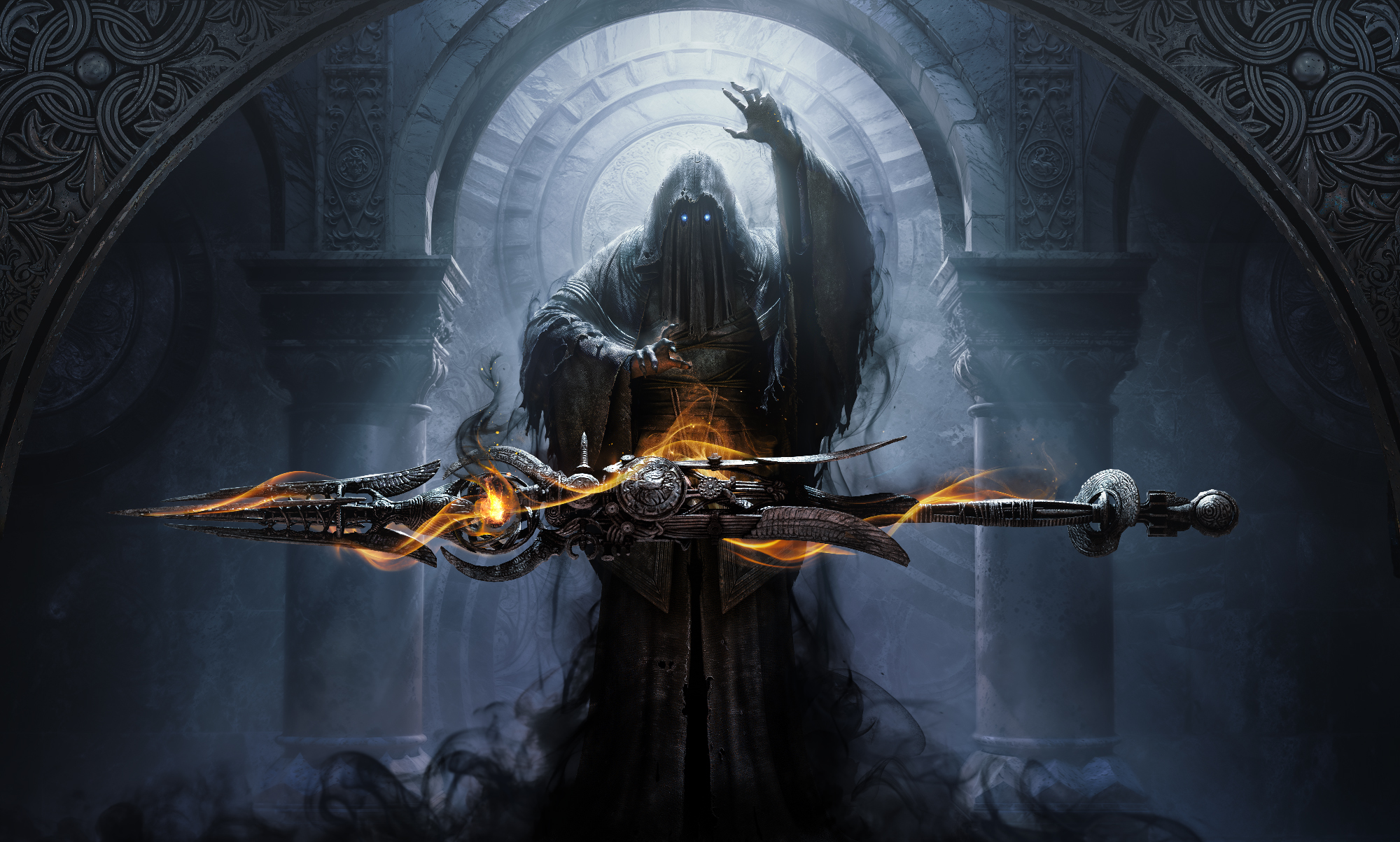
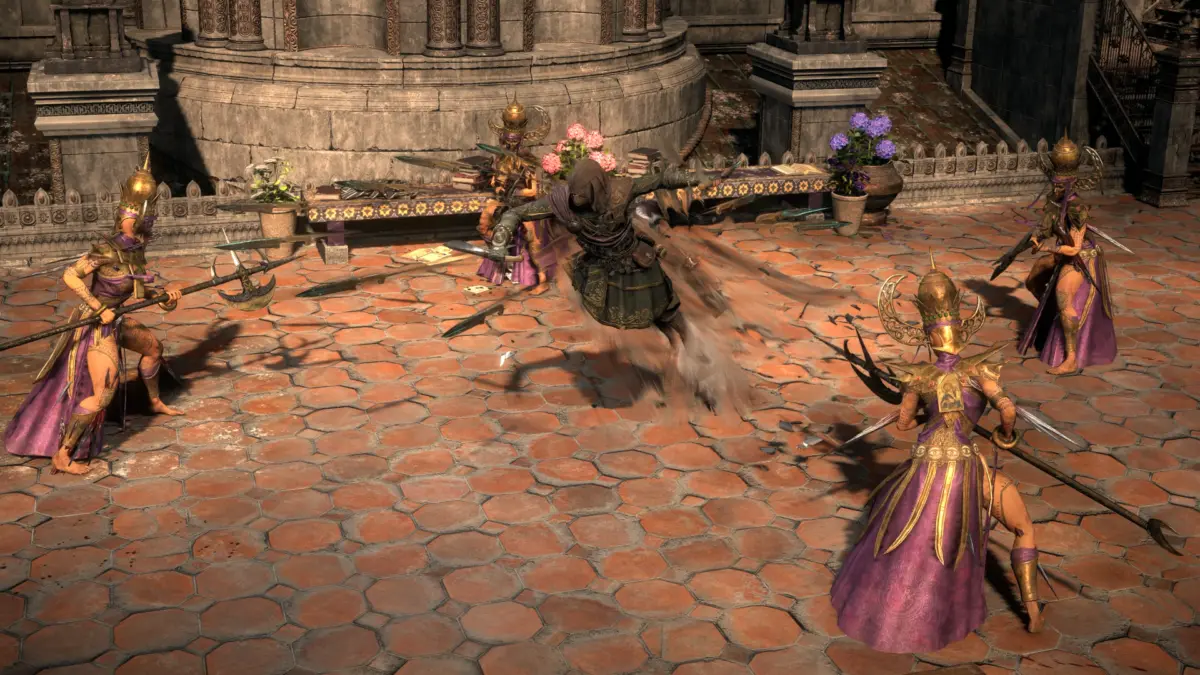
To support these sprawling new combat systems and encounters, Grinding Gear Games is introducing two new character classes in the 1.0 release: the Shadow and the Duelist. Accompanying these classes are entirely new sets of skill gems designed specifically for daggers and swords, unlocking a massive array of potential builds for both new and veteran players. The Shadow class introduces mechanics centered around stealth, traps, and shadow skills that summon combat clones to fight alongside the player, alongside classic favorites such as blade vortex and fire trap. Meanwhile, the Duelist class brings swords to the forefront, introducing beloved combat skills like cyclone and hemorrhage. Swords will also grant players access to tactical combat stances, such as blood and sand or ready stance. Combined with the versatility of wielding two-handed weapons, dual-wielding, or pairing a sword with a shield, these additions offer an unprecedented level of mechanical complexity to melee combat.
The improvements extend far beyond new classes and weapons, with significant updates hitting almost every facet of the game’s existing systems. Numerous existing skill gems have been thoroughly updated, with developers adding new skills for weapons already present in the game. Support gems have also undergone a comprehensive overhaul to make them universally more impactful. For instance, multiple distinct elemental penetration gems have been consolidated into a single, streamlined support gem known as elemental penetration. Other support gems, such as brutality, have been buffed to impose lesser penalties on chaos damage, while chain support now functions as a direct damage upgrade without inflicting a damage penalty on the initial hit.
The passive skill tree has received massive structural changes as well. In addition to a wide variety of newly introduced nodes, the placement and functionality of jewels have been entirely redesigned. Rather than being consistently relegated to travel nodes situated along the extreme outer edges of the tree, jewels will now be integrated directly into actual skill clusters. Developers hope this adjustment will encourage greater variety in endgame character builds, preventing the common issue where every player’s skill tree converges on the exact same configuration designed solely to maximize external jewel slots.
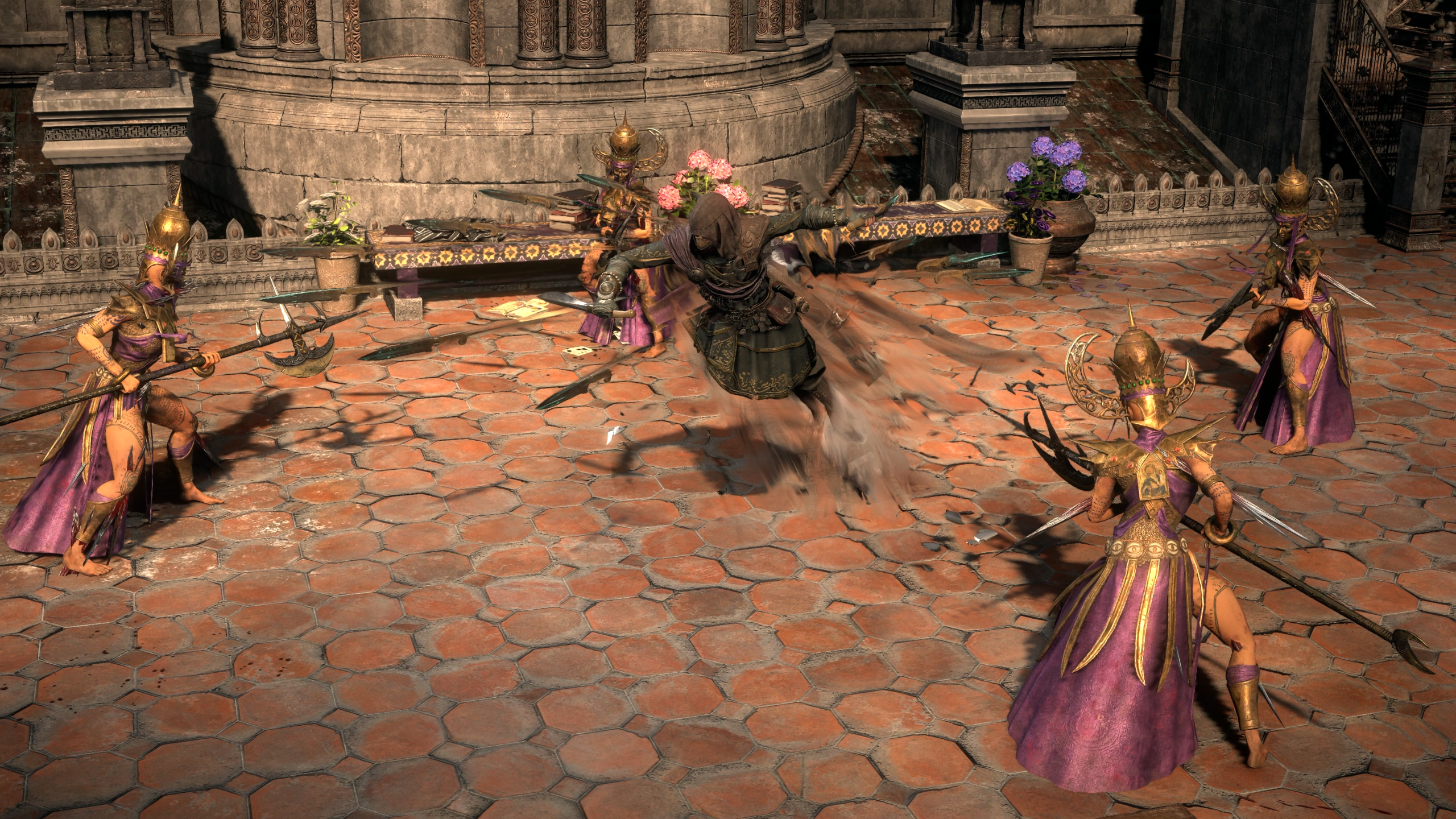
Loot hunters will also find plenty to be excited about, with the 1.0 update introducing a wealth of new base types and unique items. Some of the newly introduced base types offer powerful defensive utility, such as a piece of armor capable of granting complete immunity to curses. Additionally, Grinding Gear Games has overhauled more than 70 existing unique items while introducing roughly 40 brand-new ones, ensuring that the hunt for rare gear remains thrilling from the early campaign stages all the way through the deepest endgame maps.
Speaking of the endgame, the atlas itself has undergone a substantial modernization alongside the introduction of over 25 new maps tied to the new campaign environments and boss encounters. The atlas skill tree has been drastically trimmed down from over 300 nodes to a much more focused selection of approximately 70 nodes. Players who beeline through the progression can expect to unlock roughly 50 of these 70 skills by the time they reach the ultimate confrontation against the Arbiter of Divinity.
For a community that has spent thousands of hours dissecting the intricacies of the original game and participating in the multi-year early access journey of its successor, the 1.0 launch on December 11 shapes up to be a defining moment for Path of Exile 2. With its combination of completed campaign storytelling, deep strategic faction conflicts, refined progression systems, and fresh combat styles, the full release promises to deliver a comprehensive and evolving experience for action RPG enthusiasts worldwide.