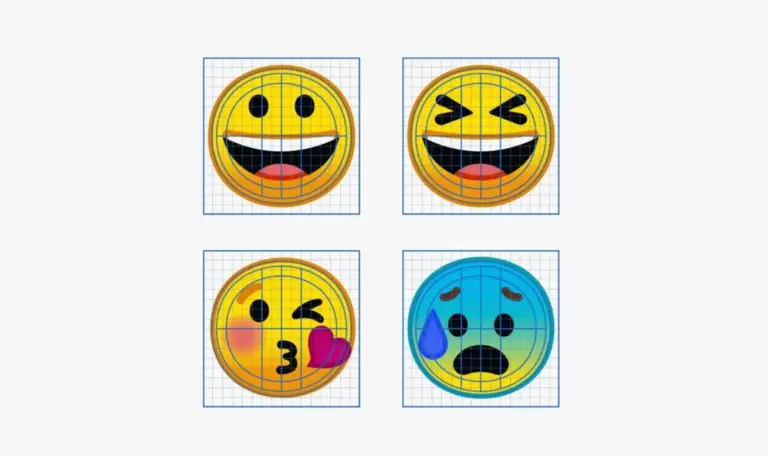
The typographic community has a fresh topic of discussion following the publication of a new feature on Alphabettes, the prominent international platform celebrating the work of women in lettering, type design, and typography. Authored by Sahar Afshar, the piece—titled "Fit Arabic"—was officially published on May 15, 2026, adding to the platform’s ongoing exploration of diverse scripts, type design
histories, and contemporary typographic innovations.

Alphabettes, known for spotlighting the achievements, research, and creative projects of women and non-binary individuals in the type industry, serves as a vital hub for professional discourse. The latest contribution by Afshar continues this mission by focusing on the nuances, structural demands, and aesthetic considerations involved in designing Arabic typefaces. Through a blend of visual presentation and contextual commentary, the post highlights the ongoing evolution of Arabic script within digital and print environments, drawing attention to the meticulous craftsmanship required to adapt traditional letterforms to contemporary standards.
The publication of "Fit Arabic" arrives at a time of increased global interest in multi-script typography and the challenges of achieving visual harmony across disparate writing systems. Designing for the Arabic script involves intricate considerations regarding baseline alignment, contextual shaping, ligatures, and typographic hierarchy—elements that require deep technical expertise and a profound appreciation for the script’s historical roots. Afshar’s contribution to Alphabettes taps into these complex themes, offering readers a closer look at the intersection of heritage and modern design methodology.
As part of Alphabettes’ vibrant publishing schedule, the article sits alongside a diverse array of ongoing typographic explorations featured on the platform. Recent updates surrounding the post showcase the breadth of global type research currently being shared within the community, ranging from historical script revivals to experimental character sets. For instance, the platform recently highlighted works-in-progress such as Xicheng Yang’s exploration of TangutBux characters, as well as ongoing revivals of historical scripts like Spencerian handwriting, illustrating the vast spectrum of typographic study represented within the network.

The reception of posts like "Fit Arabic" underscores the value of specialized platforms in amplifying voices that might otherwise remain underrepresented in mainstream design media. By creating a dedicated space for researchers, educators, and working professionals to share their insights, Alphabettes continues to foster a collaborative environment where traditional practices and forward-thinking innovations can be examined side by side.
Readers, designers, and typographic enthusiasts interested in engaging with the discussion can view the full post and explore related commentary directly on the Alphabettes website, where archives dating back years provide a comprehensive chronicle of women’s contributions to the global type community.