Over the past year, approach shoes have emerged as a distinct new chapter in the ongoing evolution of the gorpcore footwear cycle. While technical outerwear staples like fleeces and weather-resistant shells have largely passed their peak in popularity across both men’s and women’s contemporary fashion markets, outdoor gear has demonstrated remarkable staying power when it comes to footwear. This endurance has been driven primarily by trail-running silhouettes, and to a lesser extent, by rugged hiking boots and functional sneakers. Now, approach shoes are carving out their own space in the market, offering many of the exact same practical benefits as those more established categories—including durability, superior grip, and varying degrees of weather resistance—while delivering a highly distinct visual identity rooted in a very specific, technical athletic purpose.
What Is an Approach Shoe?
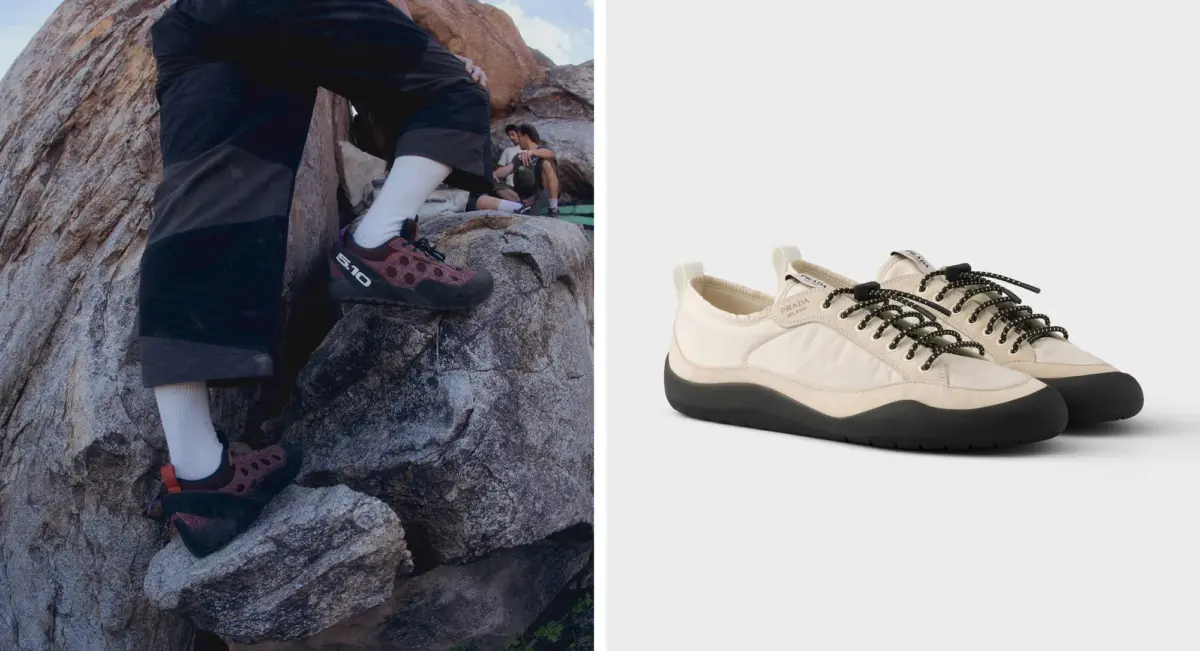
From a purely visual standpoint, the single most defining feature of an approach shoe is the rubberized toe tip, commonly referred to as a "rand," which is almost universally rendered in stark black rubber. The primary function of this heavy-duty rubber reinforcement is to provide exceptional friction and grip when navigating lower-difficulty rock climbing routes, as well as to protect the wearer’s toes on the rugged, uneven paths and scree fields that lead up to a climbing wall—hence the industry term "approach."
Consumers will often notice a similar protective rubber element on out-and-out, dedicated rock-climbing shoes. However, because specialized climbing shoes are engineered to fit with extreme tightness and can often force the wearer’s toes into a downward-pointing, compressed position, a purely technical climbing shoe is entirely unsuited for anything outside of its narrow, intended athletic purpose. Trying to walk any significant distance in a technical climbing shoe would quickly cause severe discomfort.
By contrast, approach shoes bridge the gap between technical performance and everyday wearability. Their inherent versatility allows them to function reliably on a demanding weekend hike while being easily adopted into the rhythms of everyday urban life.

While ideal weather conditions in a city environment will often render many of these technical performance features superfluous—serving mostly as aesthetic style points—the moment a commute involves rain, sleet, or heavy snow, features like a lugged rubber outsole and genuine water resistance become just as useful on a slick concrete city street as they are on a rock-packed mountain incline. Furthermore, in a footwear market driven by consumer demand for longevity, a shoe built from the ground up for rugged durability is rarely a hard sell.
Beyond the signature rubber toe rand, approach shoes typically feature longer, more technical lacing systems that extend much further down toward the toe than standard sneakers. This design allows for a significantly tighter, more customizable fit, which in turn leads to superior foot stability and improved grip on uneven terrain. Additionally, the rubber reinforcement found at the toe frequently extends around the perimeter of the foot and wraps back up over the heel counter, providing supplementary structural protection and achieving a locked-in fit around the rear of the foot.
Where Can You Get an Approach Shoe?
A wide array of major brands that have already established themselves across the broader spectrum of outdoor fashion trends have naturally seen their approach shoe offerings swept up into the current style conversation. The North Face features its well-known Verto model, Salomon offers the X-Alp, and Arc’teryx commands attention with the Konseal. At the same time, the market continues to feature established core players that skew more heavily toward the traditional outdoor enthusiast crowd—brands that build gear intended for real, rigorous outdoor conditions. These include Keen with the Jasper, La Sportiva with the TX4 Evo, ROA with the Katharina, and Scarpa with the iconic Mojito.
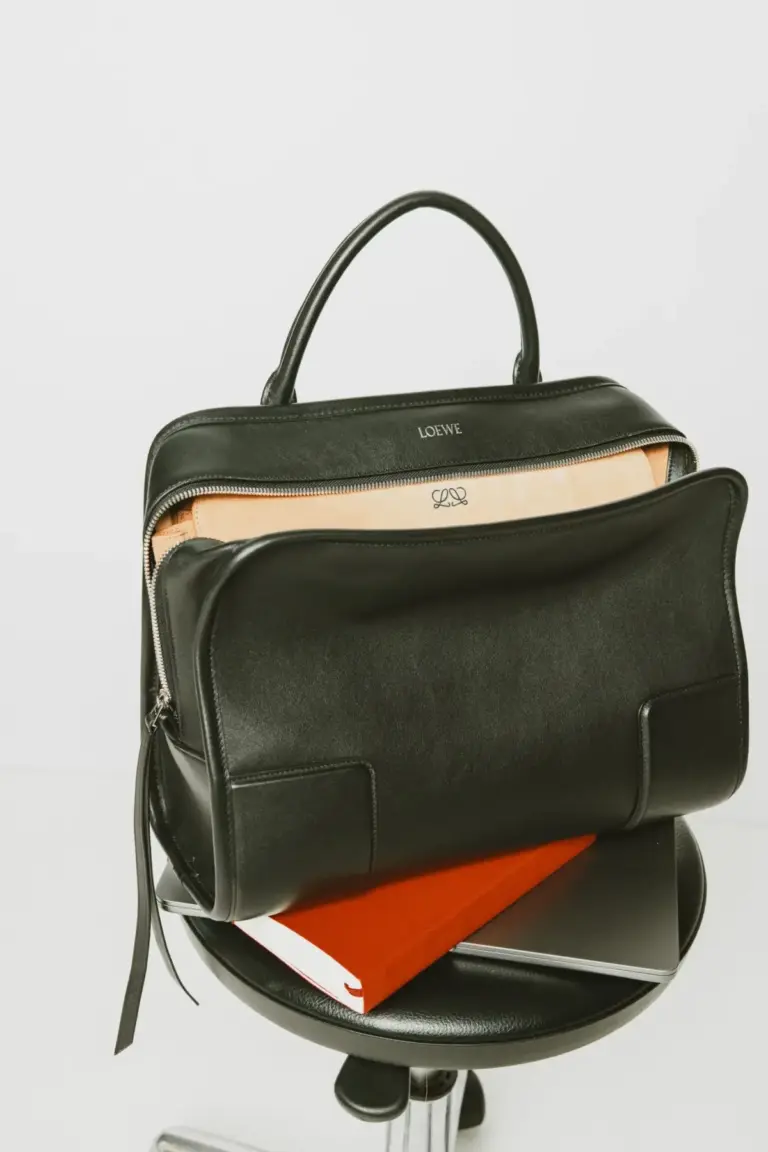
The market options, however, do not end with traditional outdoor outfitters. New adopters have rushed into the category from entirely different segments of the fashion and footwear industries. High-end luxury interpretations of the approach shoe have emerged from luxury houses such as Loewe and Prada. Meanwhile, more mainstream, do-it-all sneaker brands including New Balance and Puma have also entered the arena.

Athletic giant Adidas has also worked to broaden the commercial scope of its Five Ten line—a specialized brand previously familiar primarily to dedicated rock climbers and mountain riders. This strategy was underscored by a high-profile collaboration launched in partnership with the creative label Brain Dead, uniting Brain Dead’s distinct design perspective with Adidas’s existing Guide Tennie approach shoe alongside a dedicated climbing model.
Many of these same mainstream and performance brands have also rolled out high-profile collaborative projects of their own, and industry observers consider it a safe bet that plenty more collaborative releases are currently in the pipeline, originating from both established players and unexpected new market entrants alike.