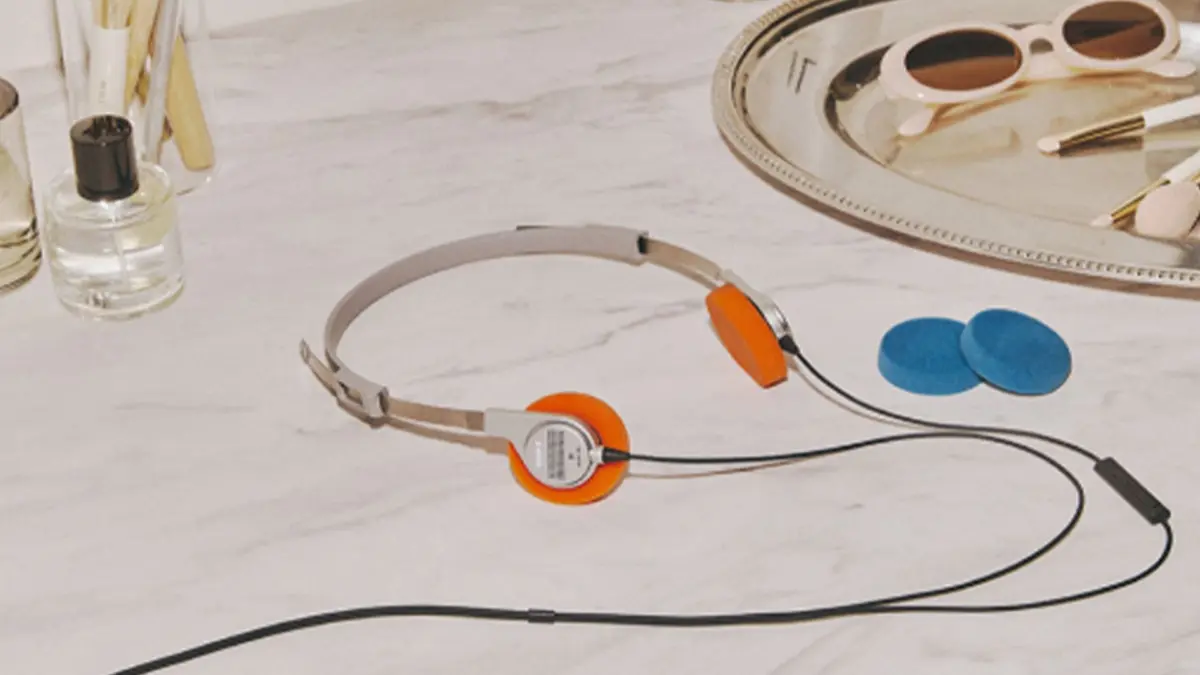
Sony has tapped directly into the surging cultural appetite for retro industrial design with the revival of one of its most recognizable hardware classics from the 1980s. The Japanese electronics giant has officially reintroduced the minimalist, lightweight headphone aesthetic that defined an entire era of personal audio, updating the design for contemporary devices under the moniker of the Sony MDR-3R USB-C Wired Headphones. Offered at an accessible price point of £49, the nostalgic personal audio accessory has triggered an overwhelming response from both vintage tech enthusiasts and modern consumers, causing initial inventory to sell out almost immediately upon release.
The release marks a deliberate nod to the golden age of portable music. During the late 1970s and throughout the 1980s, Sony revolutionized how the world experienced music with the launch of the original Walkman cassette player. While the portable tape deck itself was a triumph of miniaturization engineering, its companion headphones were equally transformative. Models like the classic MDR-3 broke away from the bulky, heavy, fully enclosed ear-cup designs that had dominated home stereos and studio setups for decades. In their place, Sony introduced ultralight, open-air designs featuring thin steel wire headbands, tactile adjustment sliders, and brightly colored foam earpads. This distinct visual identity became synonymous with youth culture, urban mobility, and personal freedom.
The new MDR-3R USB-C Wired Headphones preserve this celebrated aesthetic while re-engineering the internal connectivity for the modern digital hardware ecosystem. By trading the classic 3.5mm analog audio plug for a native USB-C connector, Sony has brought the classic 1980s form factor directly into alignment with contemporary smartphones, tablets, and laptops. Over the past decade, major mobile device manufacturers systematically removed legacy headphone jacks from flagship hardware, pushing the market toward wireless Bluetooth earbuds and over-ear active noise-canceling headsets. However, the inclusion of a built-in USB-C interface allows the modern MDR-3R to plug directly into modern hardware without requiring external digital-to-analog dongles or converters.
The rapid sell-out of the £49 headphones highlights a broader shift in consumer behavior and fashion trends surrounding personal audio accessories. While wireless technology introduced unprecedented freedom of movement, it also brought new friction points to the daily listening experience. Modern consumers frequently contend with battery degradation, charging routines, complex Bluetooth pairing sequences, connection interference, and the persistent fear of losing small, expensive wireless earbuds. As a result, wired audio gear has experienced a significant renaissance, transitioning from an obsolete standard to a trendy, low-maintenance lifestyle choice.
This full-circle movement has been heavily accelerated by a aesthetic shift among younger generations who view late 20th-century technology with fresh appreciation. On social media platforms and fashion runways, visible headphone cords have increasingly been embraced as a deliberate style statement rather than a technical compromise. The tactile simplicity of plugging in a wire, combined with the distinctive slimline profile of retro open-air headphones, offers a striking visual contrast to the uniform, bulbous plastic designs of modern wireless earbuds.
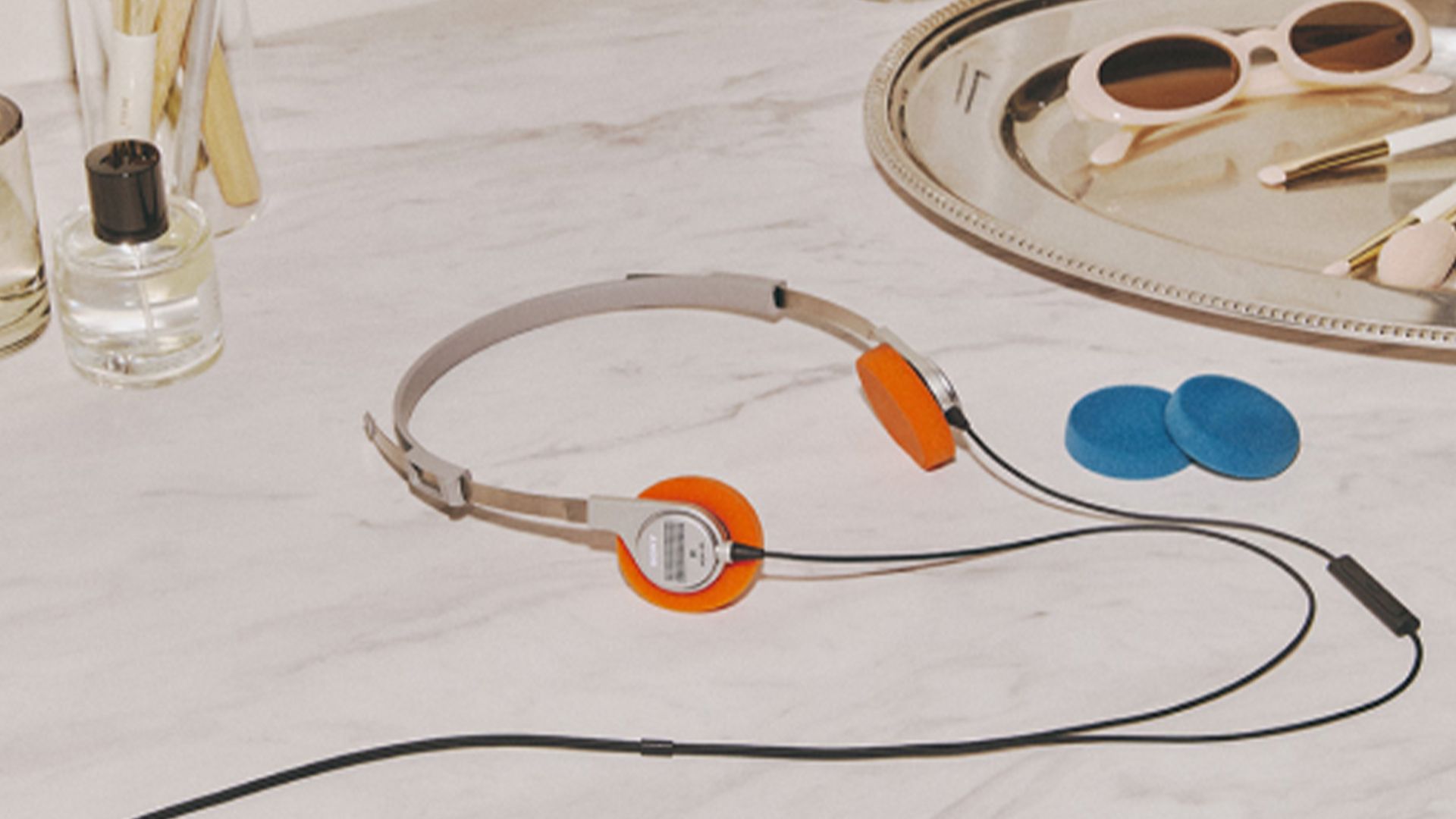
At a retail price of £49, Sony positioned the MDR-3R as an affordable entry point for consumers looking to adopt the retro look without sacrificing native compatibility with current devices. In an audio market where high-end wireless headphones routinely command prices between £200 and £500, a sub-£50 price tag from an original legacy manufacturer presents a highly compelling value proposition. The combination of historical authenticity, low price point, and modernized connectivity created a surge of demand that quickly exhausted available retail stock.
The immediate scarcity of the MDR-3R has left many retro fans searching for alternative ways to achieve the classic look. The sudden sell-out has amplified interest in popular alternatives and dupes across the audio market. Third-party manufacturers and competing audio brands have long produced lightweight, foam-padded wired headphones inspired by 1980s designs, and these products are now seeing increased attention from shoppers eager to secure a retro set while waiting for Sony to replenish official inventory.
The resurgence of interest in hardware like the MDR-3 line underscores the enduring impact of Sony’s early industrial design philosophy. When original Walkman headsets were introduced, they transformed headphones from stationary high-fidelity gear into dynamic fashion accessories intended to be worn in public. Decades later, that fundamental design language remains remarkably effective. The thin metallic headband and foam-covered drivers retain a sleek, functional simplicity that feels unburdened by the heavy plastic housing required to hold modern batteries, microprocessors, and wireless antennas.
Furthermore, the transition to native USB-C wiring reflects a practical realization by audio companies that wired music listening is far from extinct. While audiophiles have long preferred physical cables for their uncompressed audio delivery and zero-latency performance, mainstream casual listeners are increasingly recognizing the practical utility of wired setups. For students, remote workers, commuters, and travelers, the guarantee of continuous audio without worrying about device charge levels remains a powerful incentive.
As stock of the Sony MDR-3R USB-C Wired Headphones remains depleted across major retail platforms, market watchers expect Sony and other legacy hardware producers to take close note of the overwhelming demand. The success of this release demonstrates that nostalgia, when combined with sensible modern adaptations like USB-C and accessible pricing, represents a potent force in consumer technology. Whether driven by fond memories of the original cassette era or a newly discovered appreciation for retro visual style, music lovers have made it clear that some design classics never truly go out of style.