For many people who enjoy unwinding with a soothing playlist, an engrossing audiobook, or a late-night podcast before drifting off to sleep, listening habits depend heavily on living arrangements. Those who live alone rarely have to worry about volume levels or disturbing others in the dead of night. However, sharing a hotel room, hosting a guest, or sleeping next to a partner completely changes the dynamic. While traditional earbuds offer an obvious fix, they also come with a unique set of drawbacks and anxieties. Many listeners harbor an irrational yet persistent fear that loose-fitting earbuds might shift, become buried deep in the ear canal during restless tossing and turning, or cause discomfort over hours of pressure.
Seeking an alternative to conventional in-ear monitors or bulky, room-filling bedside speakers, audio accessory manufacturer Baseus has introduced a novel hardware solution. The newly revealed Baseus Sleep SK1 is designed to slide discreetly underneath a pillow, leveraging specialized acoustic technology to deliver personal sound without requiring anything to touch the user’s ears. By transmitting audio directly through the pillow material, the device aims to keep listening sessions private, allowing one person to enjoy media without keeping a partner awake in the same bed.
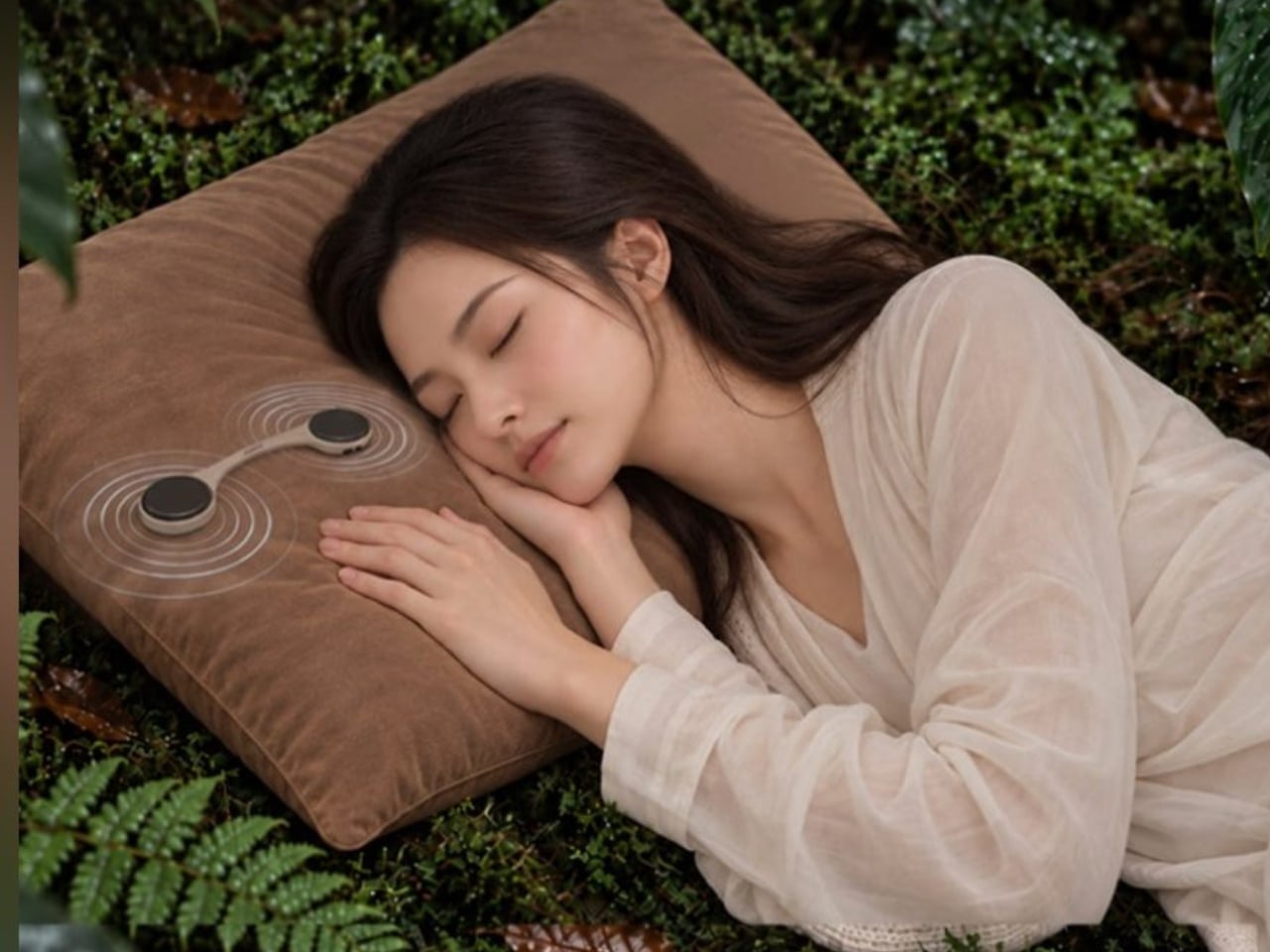
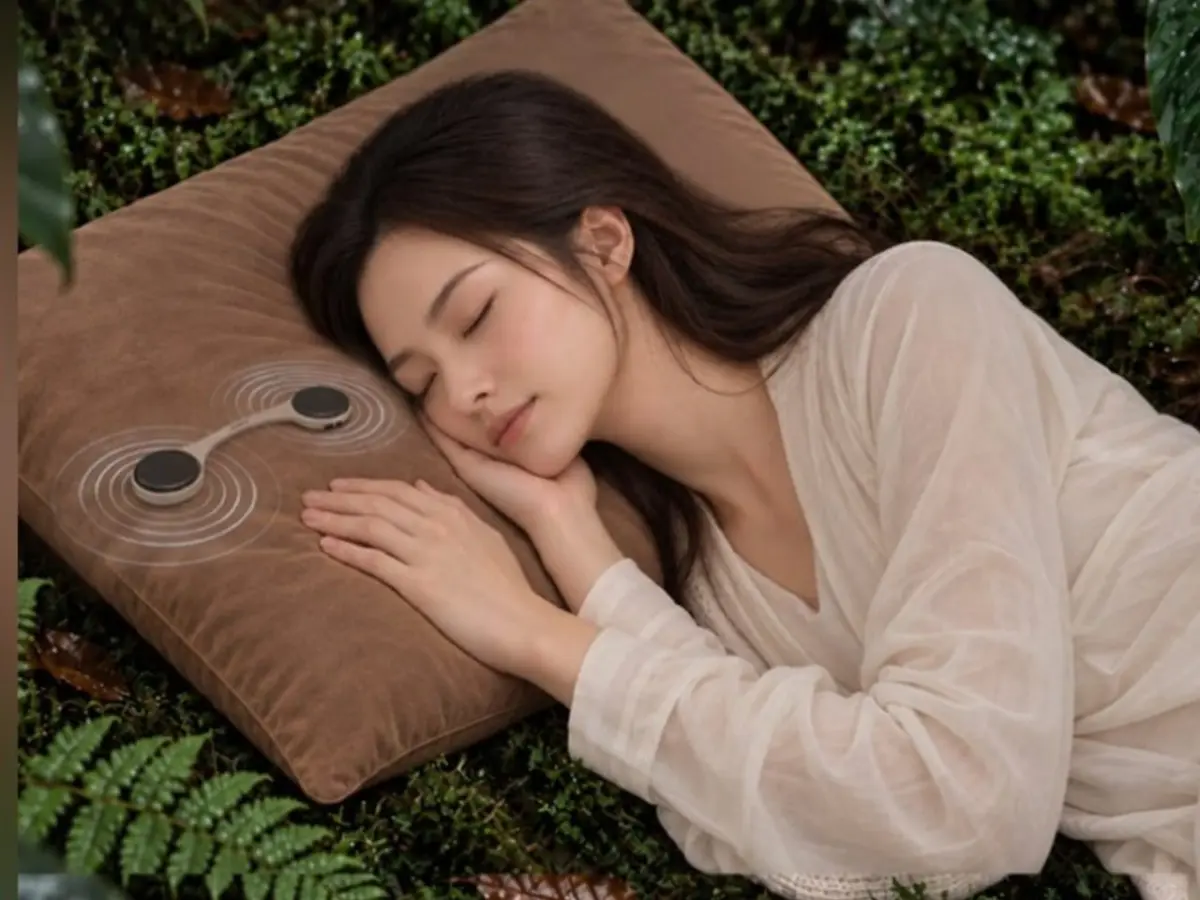
Unlike standard Bluetooth speakers that project sound freely into the surrounding air, the Baseus Sleep SK1 relies on what the company describes as micro-vibration conduction. Rather than relying solely on airborne sound waves, the hardware uses its two main sound-producing units to transfer audio vibrations through the fabric and stuffing of the pillow itself, effectively turning the bedding into a localized acoustic medium. The overarching design philosophy is to keep the listening area tightly focused around the sleeper’s head, restricting the audio footprint rather than filling the entire bedroom with ambient noise.
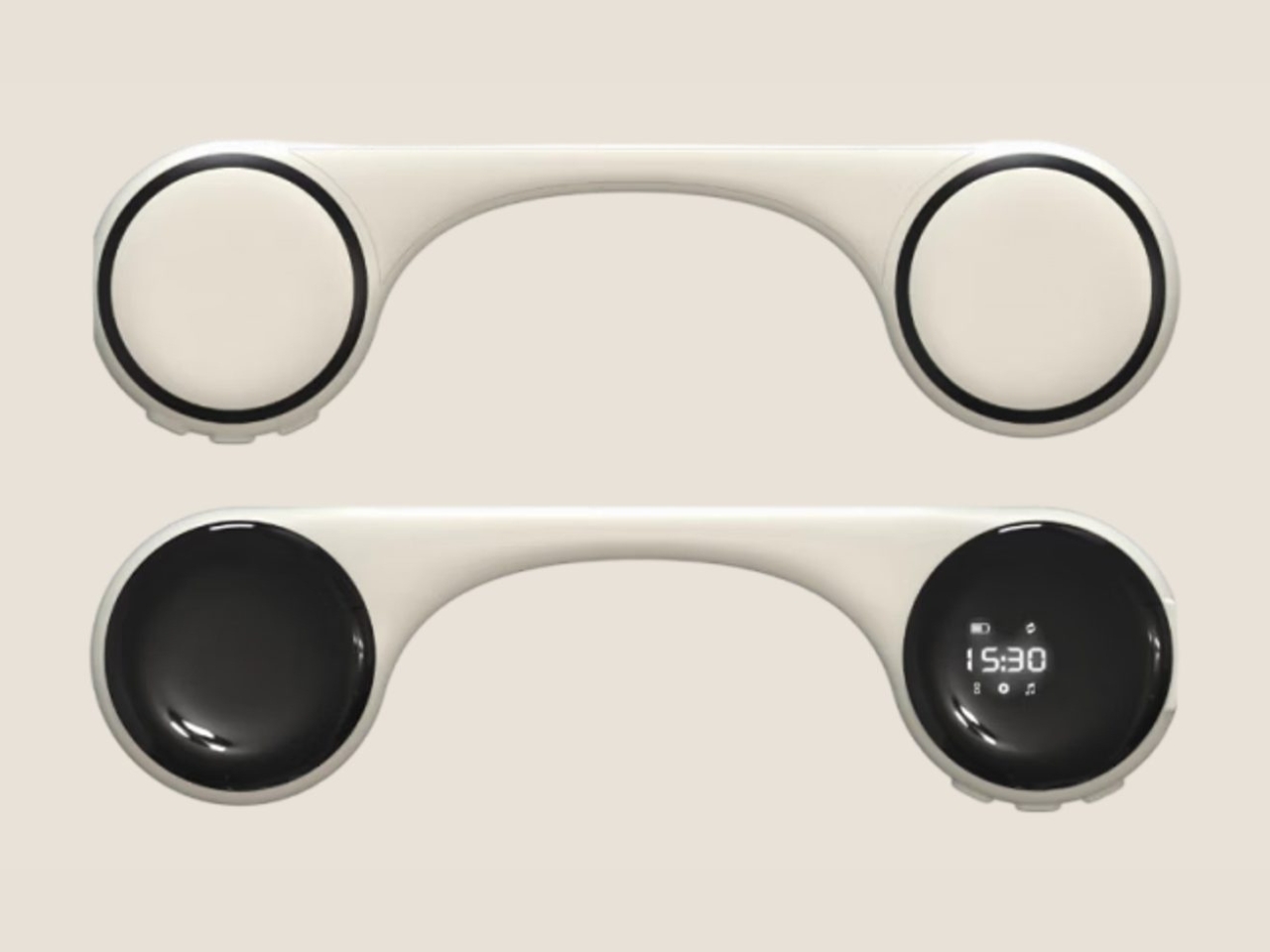
From an aesthetic and physical standpoint, the Sleep SK1 bears a distinct resemblance to a compact, streamlined Bluetooth speaker, though its form factor is tailor-made for horizontal placement beneath bedding. The device consists of two circular acoustic pods connected by a narrow, curved structural bridge. Described as looking more like connected pucks than a traditional bedside clock radio, the unit measures approximately 6.5 by 1.8 by 0.55 inches and tips the scales at a remarkably lightweight 1.55 ounces. This ultra-low profile is intentionally engineered to minimize physical intrusion, ensuring that the sleeper feels as little obstruction as possible. Even so, because the hardware must sit directly beneath a compressed pillow under the weight of a person’s head, long-term comfort remains a subjective factor that depends heavily on individual sleeping habits and mattress firmness.
Practical operation of the Sleep SK1 is handled through a set of physical buttons neatly integrated into the edge of one of the circular pods. Furthermore, Baseus has embedded a discreet digital display directly into the face of one of the pods. This built-in screen provides quick access to vital information, showing the current time, the active operating mode, and the remaining battery percentage. For anyone who wakes up in the middle of the night and wants to check the time without blindly fumbling for a smartphone screen and exposing their eyes to harsh blue light, this feature offers a convenient alternative. However, because the device is intended to rest underneath bedding, users will still need to momentarily lift or shift the pillow to view the display if it happens to be entirely covered.
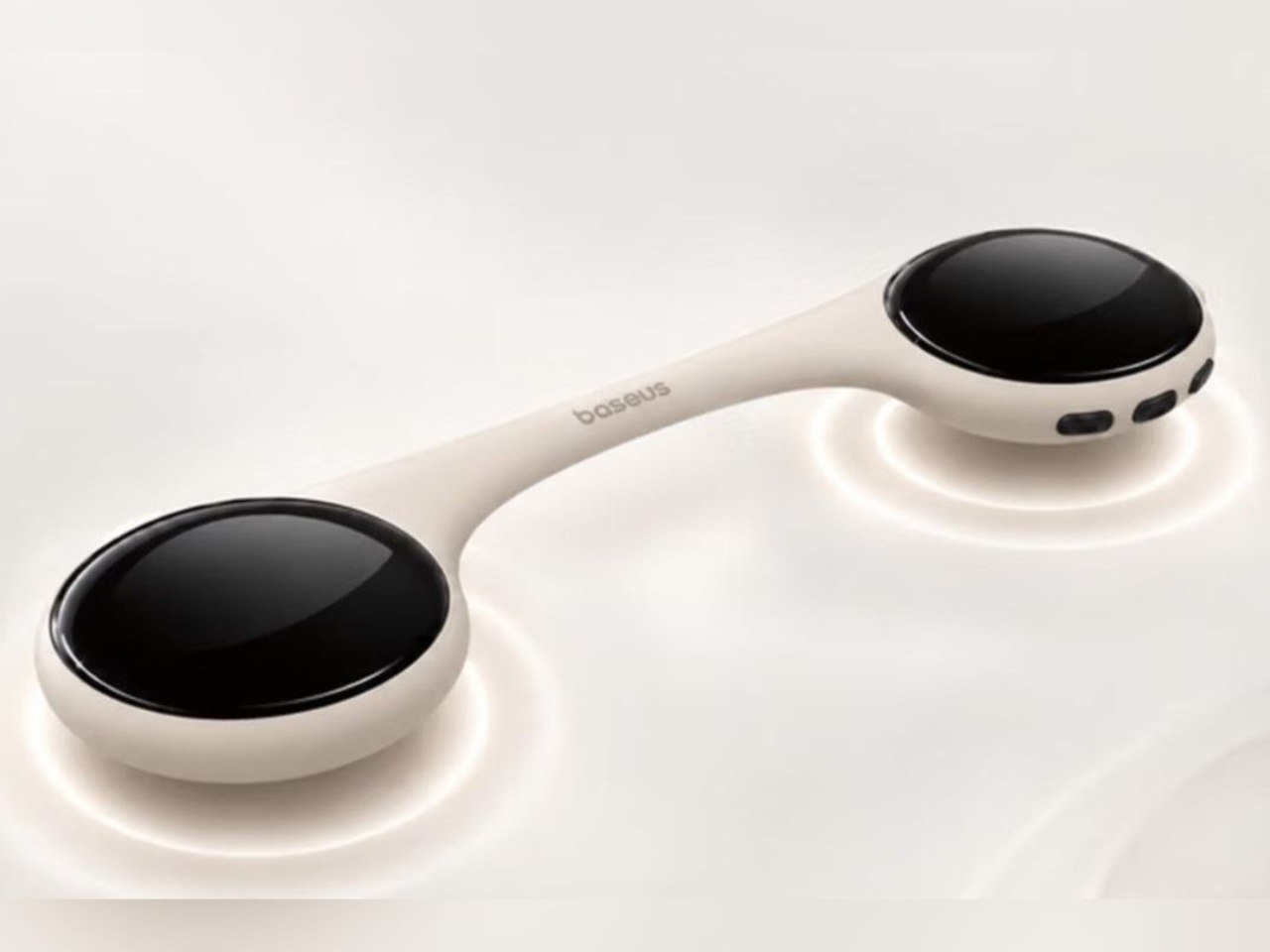
Beyond playing personal media streamed from a phone or tablet, the Baseus Sleep SK1 leans heavily into wellness and sleep hygiene through its dedicated companion application. For individuals who prefer calming ambient backdrops over spoken words or melodic music, the companion app reportedly offers a robust library of more than 100 different sound options. This collection spans traditional natural soundscapes such as gentle rainfall, rhythmic ocean waves, and crackling campfire noises, alongside popular ASMR tracks designed to induce relaxation and accelerate the transition into deep sleep.
The software ecosystem also extends to scheduling and waking routines, allowing users to set up to 10 independent alarms tailored to different daily schedules. Much like the audio playback, these morning alarms utilize the same pillow-directed transmission approach. This subtle wake-up mechanism could prove exceptionally useful for individuals who need to rise early for work or travel without startling or waking up a partner sleeping right beside them.
Powering this nocturnal audio system is a built-in 300 mAh rechargeable battery. Baseus officially claims that the Sleep SK1 is capable of delivering more than 10 hours of continuous playback on a single charge. If this battery endurance holds up consistently in real-world testing, it is more than enough to cover a full overnight listening session from bedtime until morning. When it eventually does run low, the device replenishes its energy via a standard USB-C port, with a complete charge cycle reportedly taking approximately two hours. For a gadget designed to remain tucked away beneath a pillow, having sufficient battery headroom to operate untethered throughout the night is an essential design choice, eliminating the need to leave a live charging cable tangled in the bedsheets.
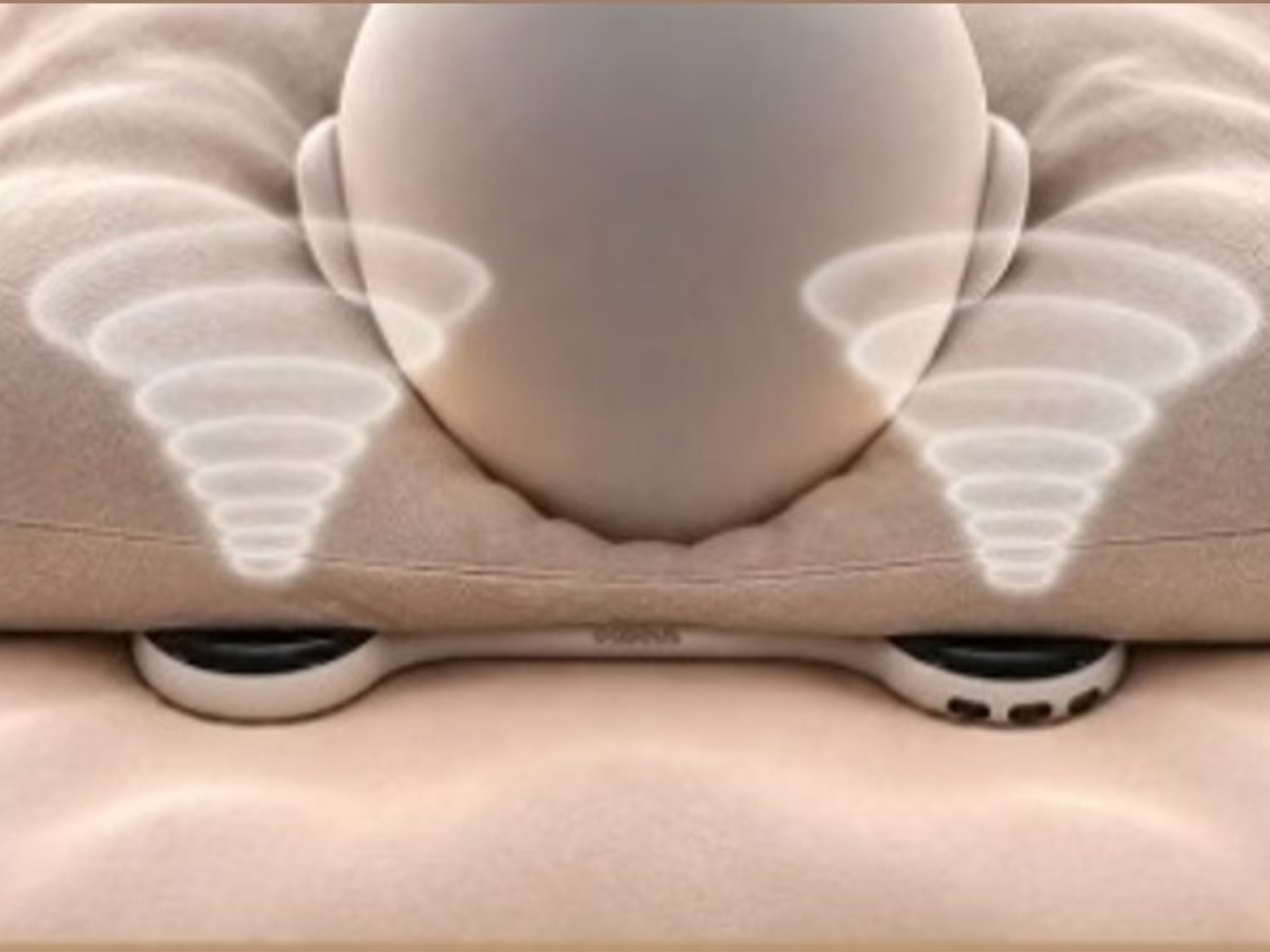
Despite the clever engineering, utilizing the Sleep SK1 requires careful consideration of the user’s existing bedding setup. Because the audio must travel through physical materials to reach the ear, the thickness and density of the pillow play a massive role in overall performance. According to early technical evaluations from outlets like The Gadgeteer, Baseus explicitly recommends using pillows up to roughly 3.1 inches in thickness. For users who prefer thicker, plushder pillows, or for those who frequently sleep on their backs rather than their sides, the company suggests manually increasing the volume output to compensate for the denser barrier.
This requirement introduces a delicate balance for potential buyers. While turning up the volume ensures that spoken words or quiet soundscapes remain audible through heavy padding, it also raises questions about sound leakage. Pushing more power through the pillow to overcome extra loft might inadvertently allow more sound to escape into the surrounding room, potentially defeating the primary purpose of keeping the audio strictly private. Pillow thickness, material density, and preferred sleeping positions are therefore crucial variables that consumers must evaluate before investing in the technology.
In terms of regional availability and pricing, the Baseus Sleep SK1 has surfaced on major e-commerce platforms in China, such as JD.com, where it carries a listed price of 184 yuan. Consumers should note that regional pricing conversions do not necessarily reflect confirmed retail prices for international markets, and an official North American or European release date has not been formally established by the manufacturer. Buyers interested in importing the device or waiting for a wider rollout will want to verify local availability, warranty support, and companion app compatibility rather than assuming an imported unit will offer identical performance across all regions.
For many consumers, the primary allure of the Sleep SK1 lies in the simple freedom of enjoying bedtime media without the physical encumbrance of earbuds or headphones. Yet, determining whether the hardware successfully bridges the gap between personal comfort and effective audio delivery depends entirely on real-world performance. Key questions remain regarding how clearly a whispered podcast or dynamic dialogue track cuts through a standard household pillow, and precisely how much audio bleeds out into a shared bedroom. If the SK1 can reliably keep a familiar voice close to the sleeper’s ear without broadcasting the entire conversation to the rest of the room, it represents a compelling path forward for late-night audio enthusiasts.