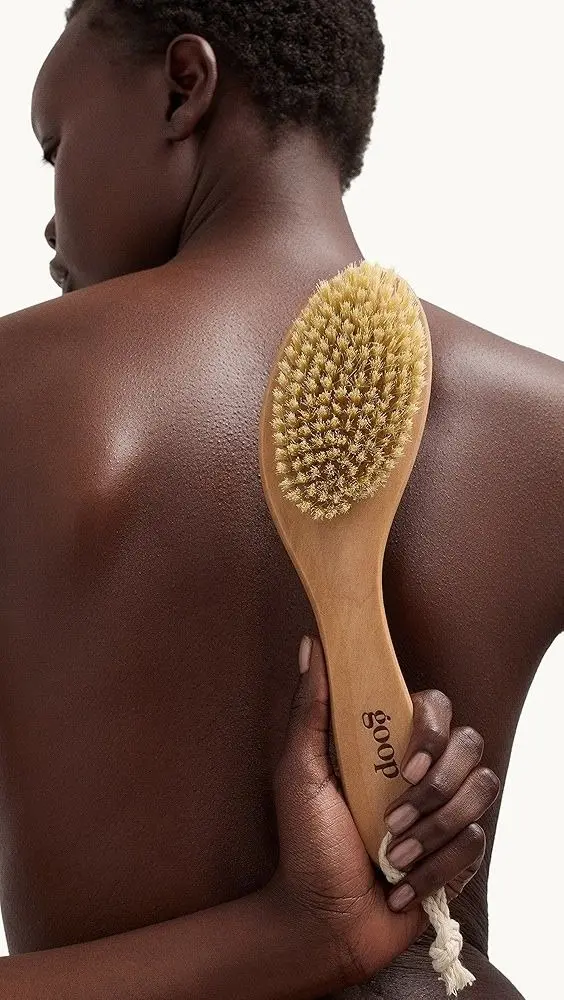
It seems like every time a beauty enthusiast or wellness influencer streams a get-ready-with-me video, the opening ritual is remarkably consistent: dry brushing. While many beauty consumers have experimented with the practice here and there, committing to the habit can sometimes feel like a hurdle. Yet, this centuries-old skin-care practice has steadily built a dedicated following that spans far beyond social media trends. It is beloved not only by wellness icons like Gwyneth Paltrow and Tracee Ellis Ross, but also championed by functional health doctors, dermatologists, and licensed medical professionals alike.
So what exactly is dry brushing? At its core, it is the act of running a bristled brush across the surface of the skin while intentionally working against gravity—meaning sweeping upward toward the torso on limbs—to help stimulate and support the body’s lymphatic system. Across the wellness landscape, advocates constantly rave about the myriad health benefits that accompany dry brushing. These range from physically exfoliating the skin and eliminating the frustrating texture of strawberry skin to increasing microcirculation and potentially diminishing the appearance of surface sluggishness. Perhaps, then, it is finally time to give the pre-shower ritual a serious, consistent try.
True to its straightforward name, dry brushing involves running a specialized bristled brush over dry skin, most commonly across the body, though occasionally on the face using a much softer, face-specific tool. According to Lauren Berlingeri, co-founder of HigherDose, it is a powerful Ayurvedic practice that both exfoliates the skin and opens detox pathways to support lymphatic drainage and boost overall immunity.
This simple pre-shower ritual is deeply rooted in history. It isn’t just utilized in Ayurvedic medicine to stimulate the skin and the body’s internal systems; it is also a staple in traditional Chinese medicine, commonly referred to as TCM. Witnessing a wellness practice stand the test of time is always a reassuring sign when attempting to discern whether a modern trend holds genuine medical and physiological value or is merely a passing fad.
In addition to stimulating lymphatic drainage, which aids the body in natural detoxification processes, dry brushing is widely noted for its ability to effectively remove dead skin cells to smooth the skin’s texture, boost blood circulation, and temporarily reduce puffiness and water retention. It serves as an invigorating way to awaken both the body and the mind, particularly at the very start of the day. While some proponents claim it is also effective at reducing the appearance of cellulite, dermatological perspectives suggest this particular benefit remains somewhat unfounded, even if the temporary increase in blood flow offers a temporary plumping effect.
Sophie Bolvary, a licensed massage therapist at Sanara, expands on the physiological mechanics, noting that the practice of dry brushing may actively support our immune system. She explains that the lymphatic system does not possess an internal pump of its own, meaning it only truly activates when we physically move our bodies or when it is stimulated manually through targeted dry brushing or light massage.
Bolvary also points out that different types of brushes can yield varying physical and sensory effects on the body. Dry brushes constructed with traditional boar-hair bristles are considered ideal for daily use and straightforward exfoliation. Meanwhile, dry brushes featuring ionic-copper bristles carry the distinct added benefit of sweeping the body with negative ions, which hold a long-standing reputation for antiviral and antibacterial properties within traditional healing modalities. Furthermore, these materials may offer a full mind-body refreshment as an added self-care perk.
The brisk, rhythmic motion creates a sensory reset that feels simultaneously grounding and energizing, helping to sharpen mental alertness and brighten the overall mood. For an enhanced experience, some wellness practitioners suggest sprinkling a few drops of a citrus-based essential oil onto the dry brush to further awaken the senses before beginning the sweep.
Personal experiences with dry body brushing often mirror a journey of sporadic enthusiasm. Many individuals pick up a dry brush during episodic health kicks, only to abandon the habit until inspiration strikes again. However, dedicated practitioners who incorporate the tool before every shower—particularly during elaborate weekend pampering sessions like an "everything shower"—report noticeable results. Making dry brushing a frequent habit, at least four times a week, often yields skin that looks visibly more polished and radiant. It provides an exceptionally efficient way to slough off the dull layer of dead skin cells that can accumulate over the cooler months, while serving as an undeniable wake-up call for a groggy morning routine.
Combining dry brushing with a contrast shower—alternating water temperatures between hot and cold—can amplify feelings of deep invigoration, particularly following a vigorous workout. Crucially, a significant time commitment is not required to reap the rewards; dedicating just three minutes to the practice can leave individuals feeling fantastic as they step into their day. However, expectations should be managed; despite persistent wishes to the contrary, dry brushing will not stimulate lymphatic drainage enough to serve as a cure for a tough hangover. While that particular realization may come as a profound disappointment, the search for alternative remedies continues elsewhere.
Newcomers to the practice should anticipate a mild adjustment period. Once you have finished dry brushing, it is entirely normal to experience a temporary itchy, tingling sensation, accompanied by mild, transient redness that quickly settles. This physical reaction is actually a positive indicator that circulation has been successfully revved up and fresh blood is actively making its way to the surface of the skin.
Additionally, users may notice a sensation of surface dustiness immediately following the brush session. This residue consists entirely of the dead skin cells that have just been sloughed away, which is precisely why the vast majority of practitioners prefer to perform the ritual right before hopping into the shower, where a standard body soap easily rinses away the debris.
Ultimately, dry body brushing remains an exceptionally accessible and affordable wellness ritual to integrate into a daily schedule. While every single internal benefit cannot always be observed directly in a mirror, the physical sensations speak for themselves. Regular practitioners frequently report a more even skin tone, lighter-feeling limbs, and a noticeable boost in morning vitality. Beyond the physiological perks, carving out a few intentional minutes each day to dedicate to a positive self-care habit offers undeniable mental health value.
As wellness enthusiasts continue exploring ways to optimize their daily routines, understanding the potential downsides, maintenance requirements, and professional insights surrounding dry brushing remains essential for a safe and effective practice.
When approached incorrectly, dry brushing can present minor drawbacks. Marisa Garshick, a board-certified dermatologist at MDCS Dermatology, cautions that the practice may cause skin irritation or even micro-tears if excessive pressure is applied during the sweeping motions. Individuals must carefully consider their underlying skin conditions and whether their specific skin type can tolerate the mechanical friction. Dr. Garshick explicitly advises against dry brushing for anyone dealing with sensitive, broken, or actively inflamed skin conditions such as eczema or psoriasis.
Hygiene is another critical factor to keep in mind. Sophie Bolvary emphasizes the importance of regularly cleaning the brush. Because the primary function of dry brushing is exfoliation, a significant amount of shed skin debris inevitably accumulates within the bristles over time. Failing to clean the tool properly can render future sessions ineffective or introduce unwanted irritation to the skin barrier.
When evaluating frequency, dermatological consensus suggests that dry brushing should be limited to one or two times a week for individuals with sensitive skin, as more frequent friction can easily provoke inflammation. However, for those with resilient skin types that tolerate physical exfoliation well, Bolvary notes that it can safely become a daily practice. She continues to advocate for morning sessions, right before stepping into the shower, noting that many find the invigorating sensation to be an effective substitute for a morning cup of coffee.
For those curious about the difference between at-home maintenance and professional treatments, visiting a licensed practitioner offers a more comprehensive experience. A professional spa treatment allows the practitioner to handle the physical labor, reaching all the difficult areas of the body while the client simply enjoys the awakening sensations. Furthermore, a trained specialist can accurately demonstrate the proper techniques, angles, and pressure tailored specifically to an individual’s unique skin and body type.
Despite the appeal of professional treatments, at-home dry brushing yields substantial benefits of its own. Utilizing online resources such as lymphatic glow maps can help users visualize the general flow of lymph and understand how to sweep correctly toward the body’s main drainage ports. With just a few attempts, the technique quickly becomes second nature.
Because quality dry brushes are typically constructed from natural materials, maintaining them requires gentle, chemical-free cleaning solutions. A popular method involves preparing a bowl of warm water infused with several drops of tea tree oil, placing the brush with the bristles facing downward, and letting it soak for approximately thirty minutes before setting it aside to air dry.
It is important to recognize that natural bristles soften over time and will naturally shed a moderate amount of hair with regular washing and usage. These tools are not designed to last indefinitely; if a brush becomes overly soft and sheds bristles with every stroke, it has likely reached the end of its functional lifespan and should be replaced. Experts recommend washing the brush roughly once every two weeks, spritzing it with a tea tree mist after individual uses, and storing it in a well-ventilated area like a sunny window rather than on a damp shower ledge where moisture and bacteria can accumulate.