It is a familiar refrain in the worlds of art and architecture: creators eager to espouse a desire for breaking conventions, challenging the status quo, and pushing the boundaries of design. Yet, very few figures have embodied that mandate quite as thoroughly, inventively, or playfully as James Wines. An unparalleled devotee of wit and architectural irony, Wines is the visionary behind SITE (Sculpture in the Environment), a New York-based studio founded in 1970 whose prolific portfolio spans commercial construction, urban infrastructure, public art, environmental design, and beyond. No matter the scale or the medium of the project, SITE’s foundational approach has always been deeply rooted in questioning the rigid divisions between fine art and functional architecture, consistently defying public expectations.
That philosophy is now celebrated in a new publication titled What Else Could It Mean?, published by Skira. In the preface to the book, Wines reflects on his formative years, describing how he spent months living and working in Rome after college. Immersing himself in the city’s historic religious designs and civically unified architecture, he found the inspiration that would ultimately shape his signature mode of working. When he eventually returned to the United States to continue teaching at New York University, he challenged his students to approach design with the exact opposite perspective—one that actively tapped into a fractured, diverse, and heavily commercialized contemporary landscape.
"What else could it mean?" quickly evolved into a driving ethos for the architect, centering around "architecture as a critique of itself, as an inversion of design expectations, as humorous insights and the absorption of context as a motivating source of ideas," he writes in the book. Rather than treating buildings as static, isolated monuments, Wines envisioned structures that engaged in an ongoing dialogue with their surroundings, using irony and wit to provoke thought among everyday passersby.
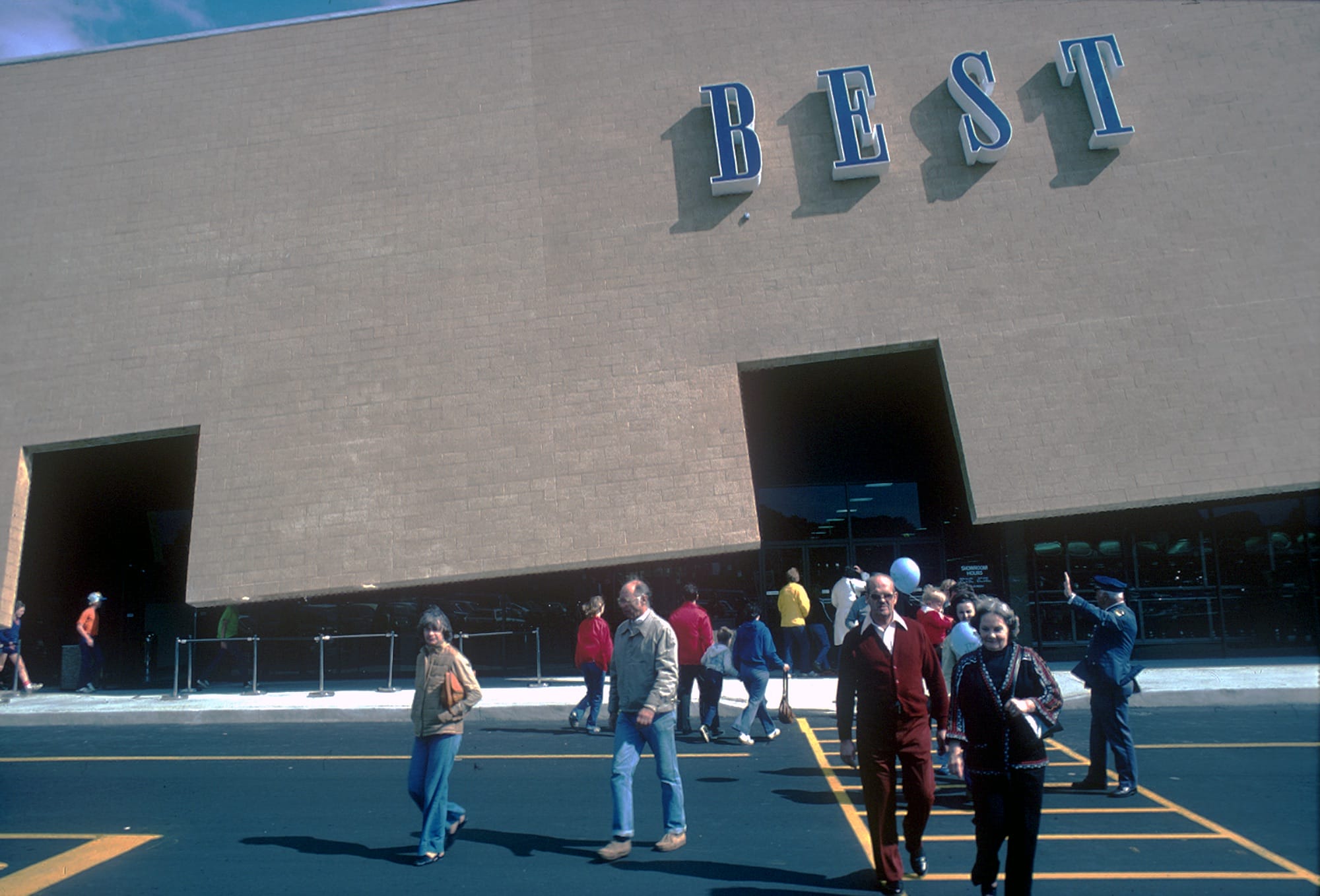
Published to capture the sprawling breadth of the studio’s history, What Else Could It Mean? showcases dozens of projects from the SITE oeuvre, tracing a trajectory that spans over five decades. Among the most iconic and widely recognized works in the studio’s catalog are its pioneering designs for the BEST Products Company, a prominent big-box retail chain that operated for four decades. Store owners Sydney and Frances Lewis tapped Wines and SITE to create radically unconventional structures for their showrooms, transforming standard commercial retail boxes into theatrical works of art.
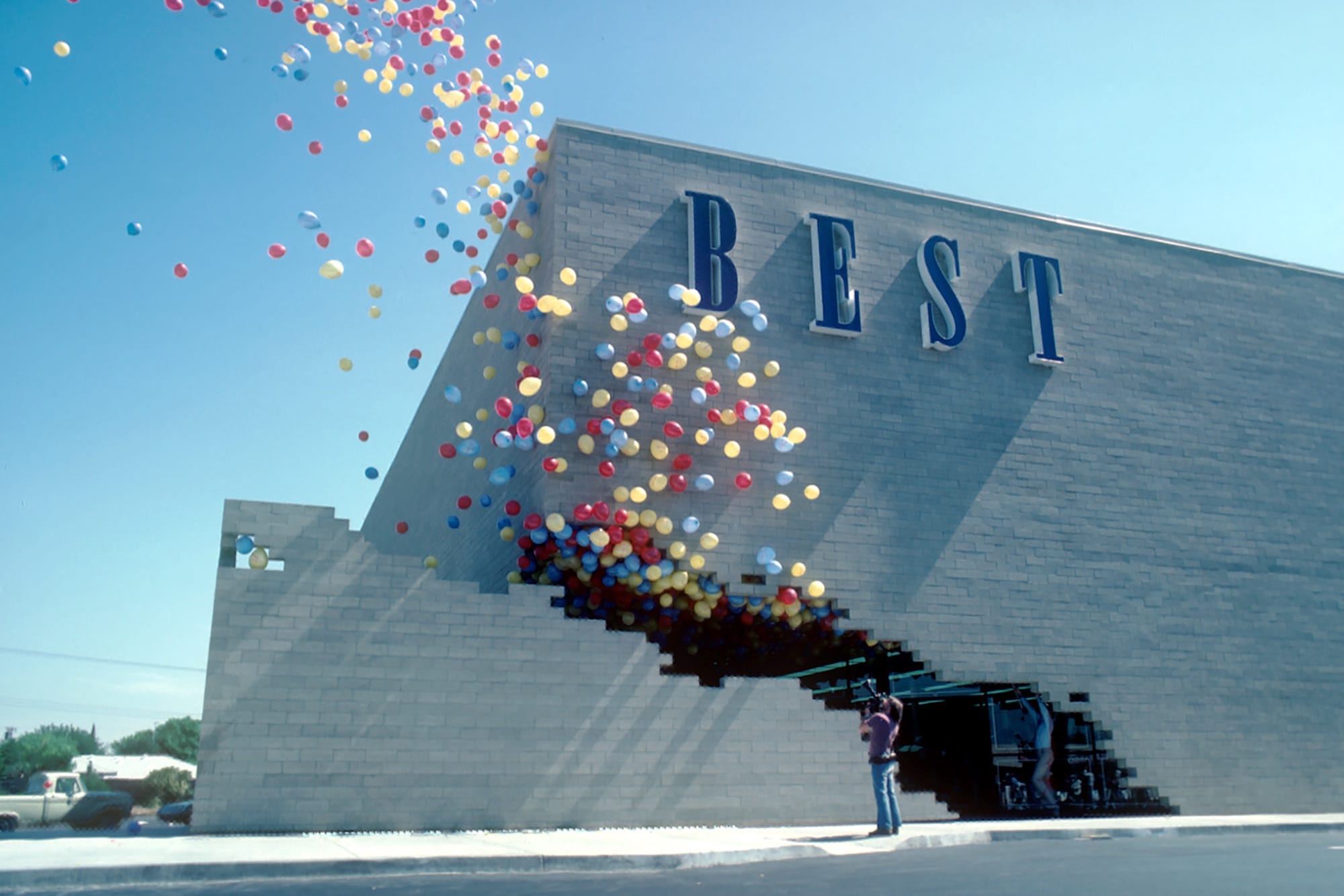
These interventions included legendary buildings that seemed to defy the laws of physics—such as a showroom that appeared to be slowly sinking into the ground at a dramatic angle, and another that famously split open as the front facade fractured cleanly away from the rest of the building, revealing colorful surprises like balloons emerging from the structural void. The grand opening of structures like the Best Notch Showroom captured public imagination precisely because they disrupted the monotonous landscape of suburban retail architecture.
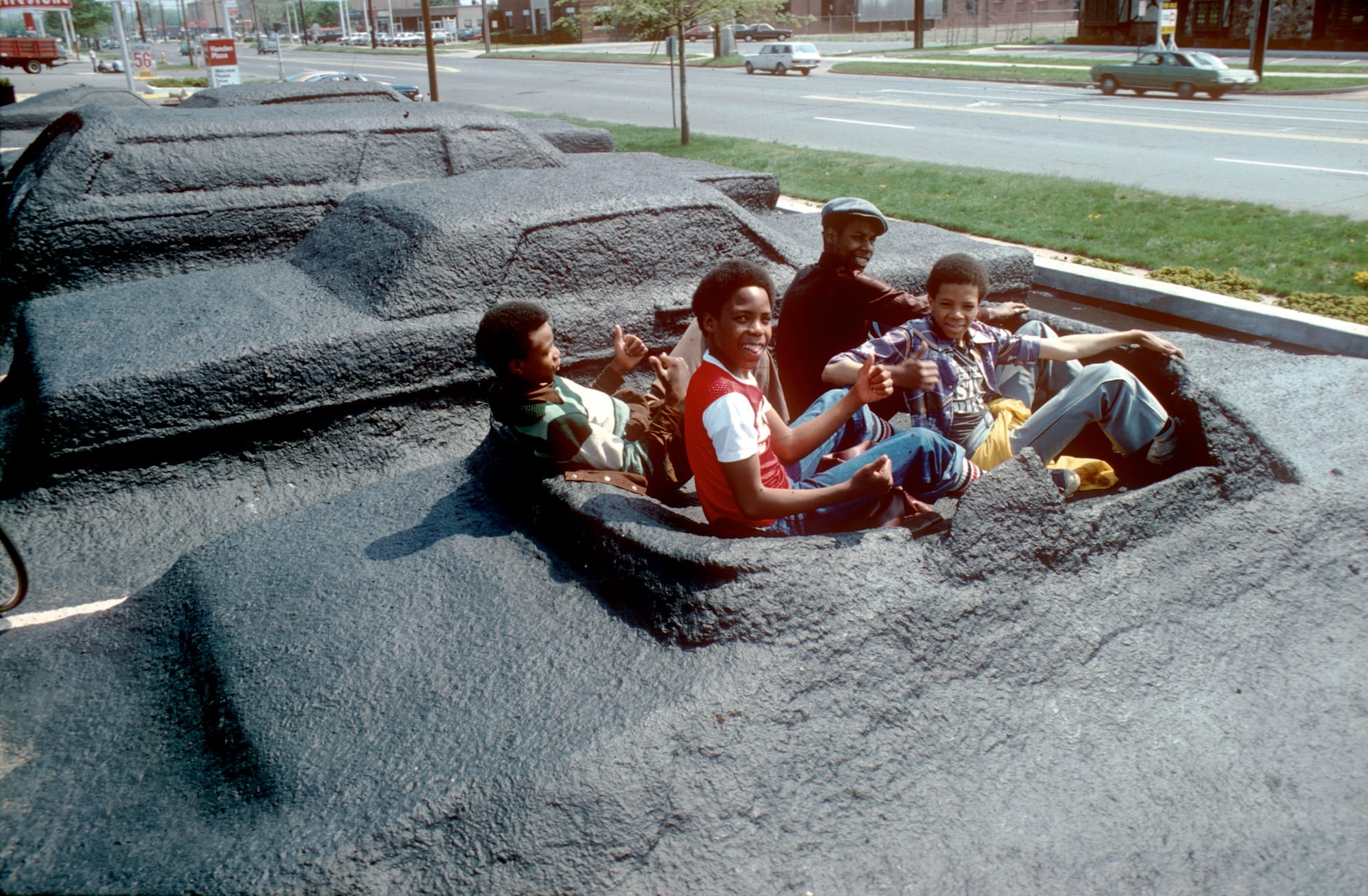
However, the playful BEST designs were ultimately just one piece of SITE’s much broader, deeply critical commentary on the forces of commercialization, consumerism, and suburban sprawl. Another monumental example of this critique is "Ghost Parking Lot," an enormous and permanent public art project realized in Hamden, Connecticut. For this conceptual installation, twenty actual automobiles were completely buried beneath a layer of asphalt in a standard shopping mall parking lot. Forever halted and frozen outside the consumerist temple of the mall, these immobile, half-submerged vehicles became haunting, ghostly signals of endless American consumption and unchecked urban expansion.
By collecting decades of drawings, architectural renderings, and personal writings by Wines, What Else Could It Mean? presents these rarely seen archival documents alongside striking historical photographs of the studio’s realized projects. The core ethos of SITE carries a particular relevancy in the contemporary cultural landscape, especially as modern conversations increasingly challenge the inherent accessibility of art and architecture, advocating instead for a much more democratic, open approach to collective public life.
Designer and curator Phillip Denny eloquently highlights this enduring populist appeal in the book’s introduction, writing that SITE’s creations "are works that engage their context, invite participation, and reward curiosity regardless of one’s background. It is art and architecture for the popular public that anyone can stop in front of, be surprised by, laugh at, and think about without a guidebook."
Denny adds that the studio’s output is "often ironic but never cynical, always generous and ecumenical, SITE created art where people least expected to find it, in the ‘junk-culture world of the commercial strip and suburban sprawl.’"
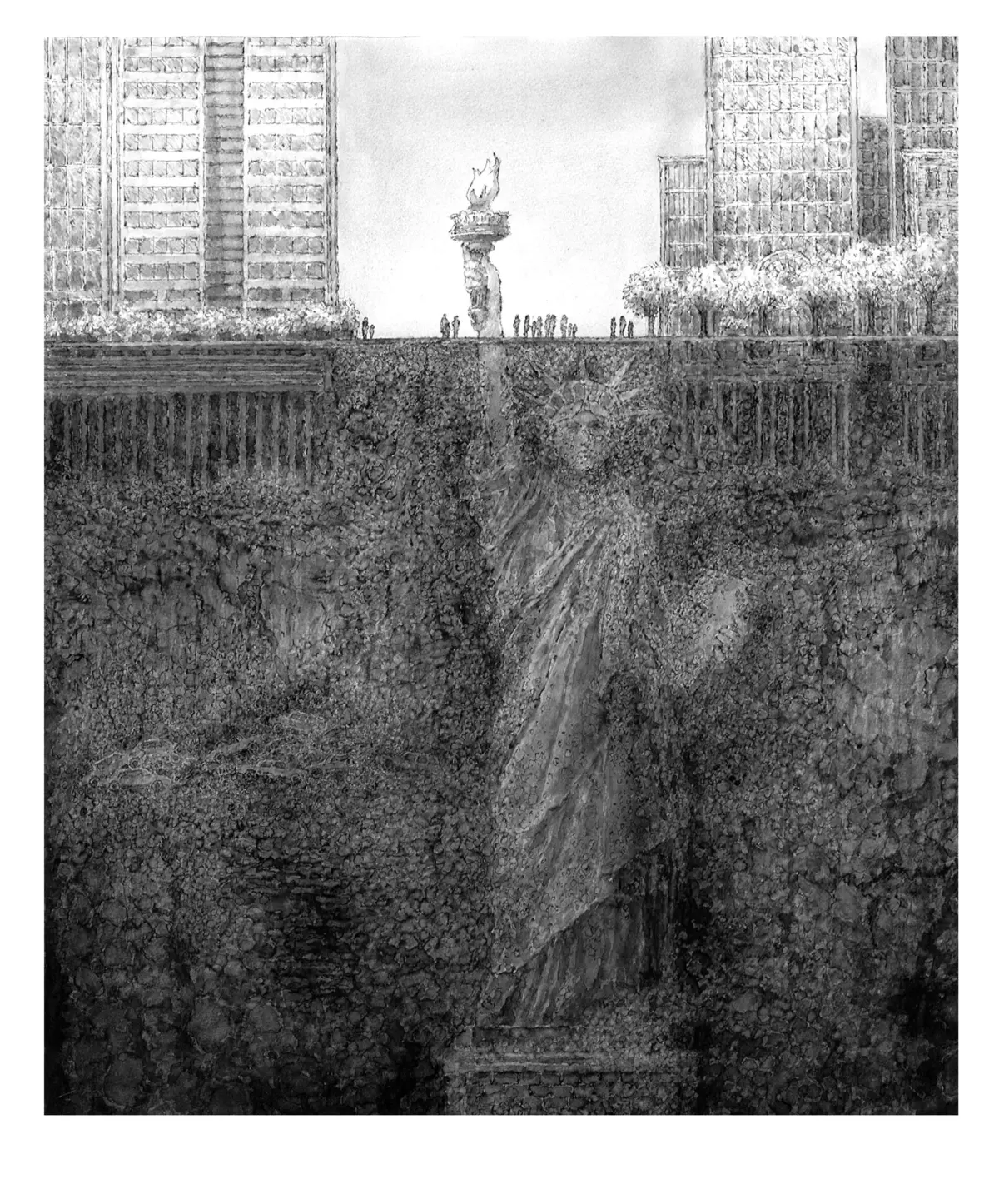
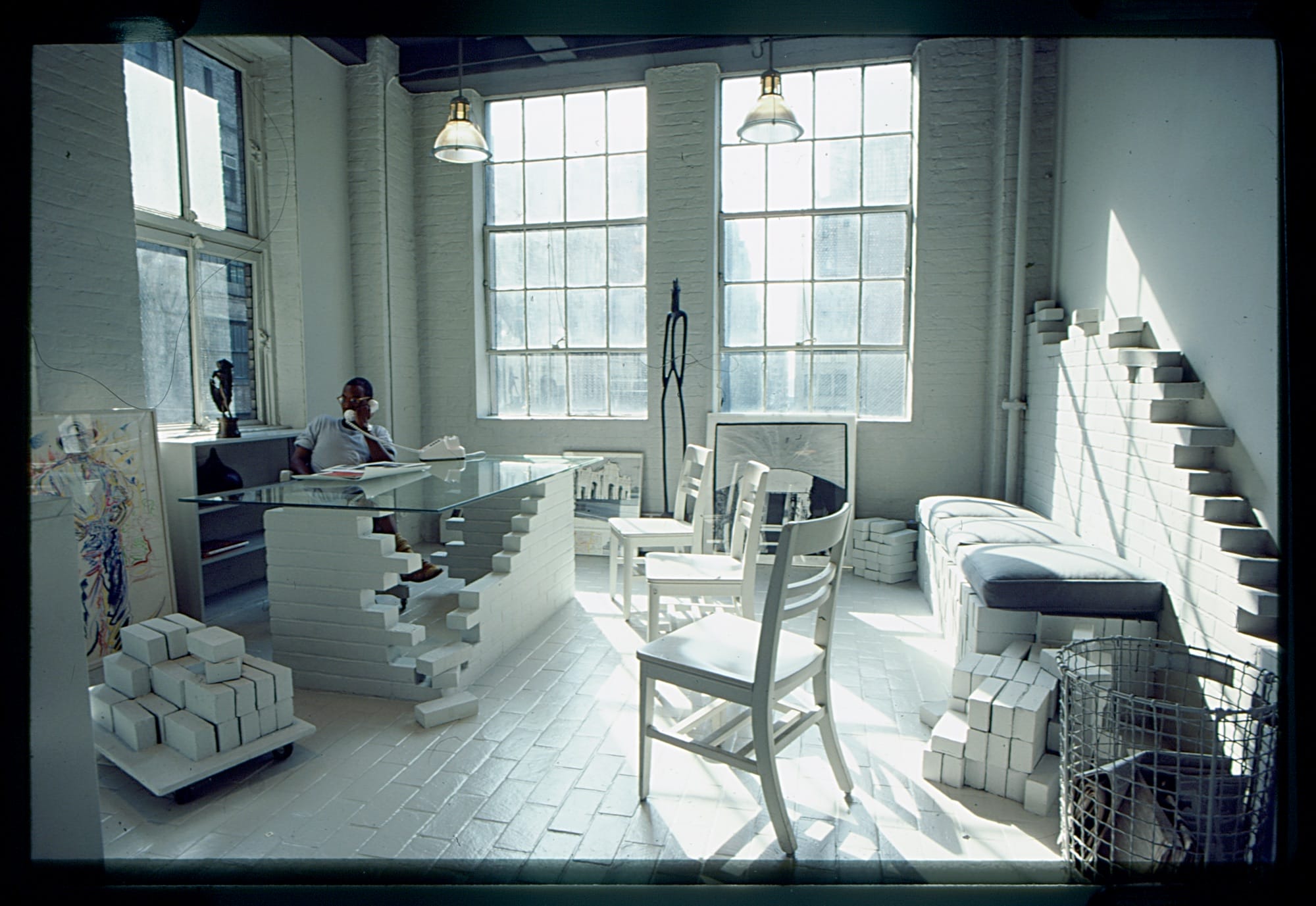
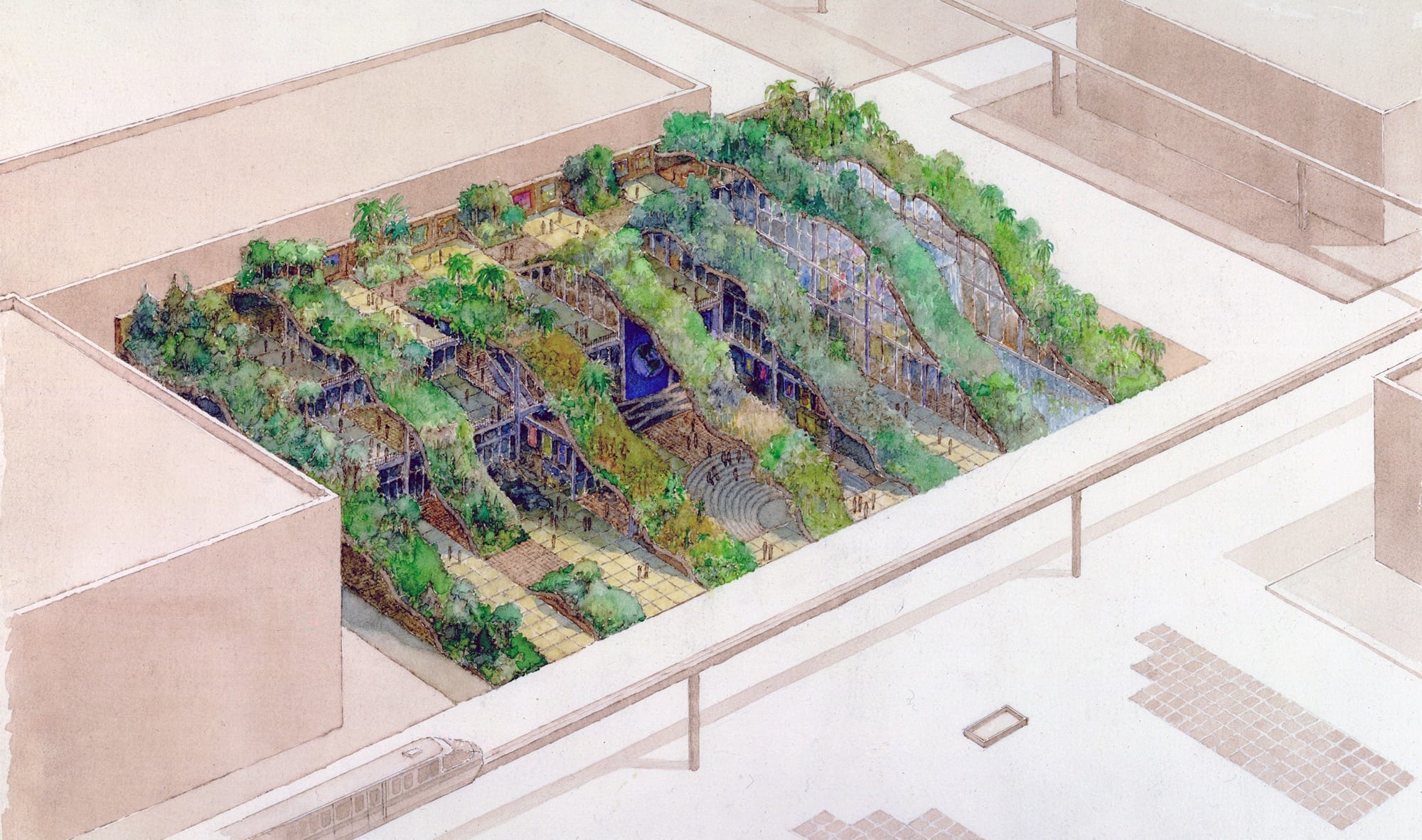
From the tilting walls of the BEST Tilt Showroom and the raw, half-finished brick workspaces of the Willi Smith WilliWear Office, to visionary unbuilt concepts like the World Ecology Pavilion, the Liberty Landfill Plaza, and the Four Corners Project, Wines and his collaborators have consistently pushed the boundaries of spatial design. By treating the commercial strip not as an eyesore to be ignored, but as a rich canvas for cultural critique and public amusement, SITE fundamentally redefined what architecture could communicate.
What Else Could It Mean? is available now through Bookshop, offering readers a comprehensive look into five decades of radical design, while SITE continues to document its ongoing legacy through its official studio website.