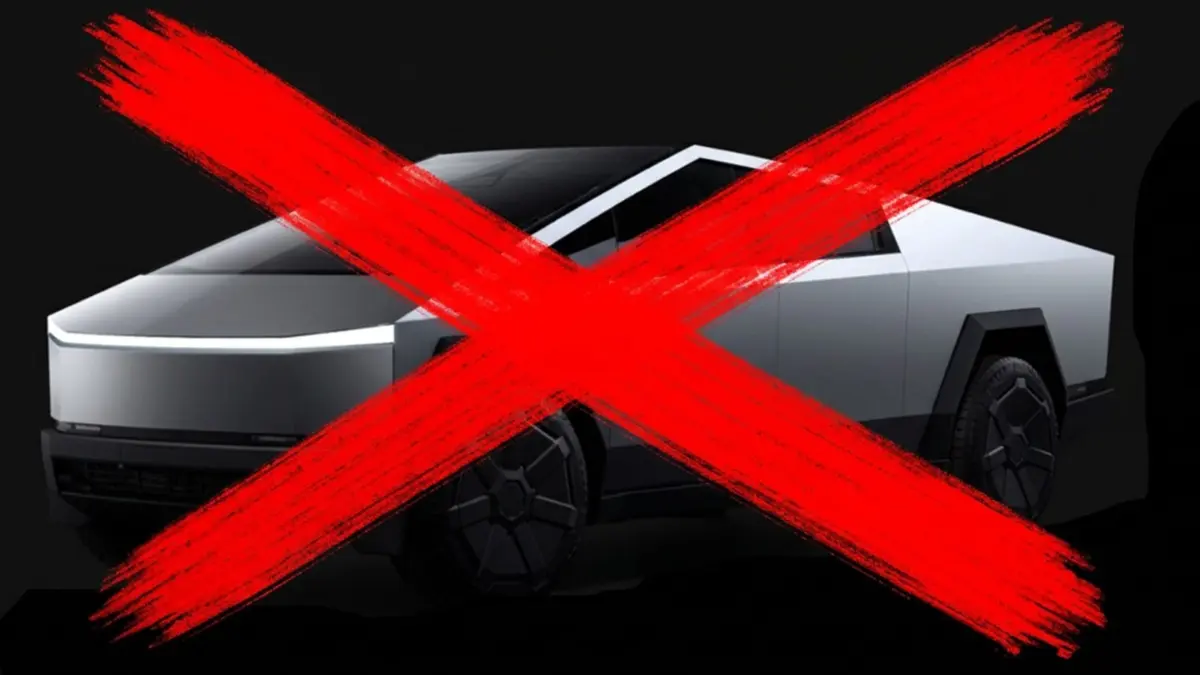
Tesla is preparing to wind down manufacturing of its controversial Cybertruck at its primary Texas Gigafactory, marking the beginning of the end for one of the most unconventional and polarizing product designs in modern automotive history. Chief Executive Officer Elon Musk confirmed that production of the stainless-steel electric pickup will be systematically scaled back around mid-2027. The manufacturing capacity and floor space currently dedicated to the truck will be repurposed to accommodate the mass production of Tesla’s upcoming Cybercab, a fully autonomous two-seat robotaxi.
While Tesla has stopped short of explicitly declaring that the Cybertruck is being permanently discontinued across all markets, industry analysts and corporate communications point to a clear trajectory. Gigafactory Texas stands as the only manufacturing facility in the world outfitted with the specialized heavy machinery and custom tooling required to form, stamp, and assemble the vehicle’s rigid stainless-steel body panels and unique mechanical components. Without an active production line in Austin or plans to construct duplicate assembly facilities elsewhere, the decision to clear space for the Cybercab effectively signals the twilight of Tesla’s flagship utility vehicle.
Cybertruck is winding down
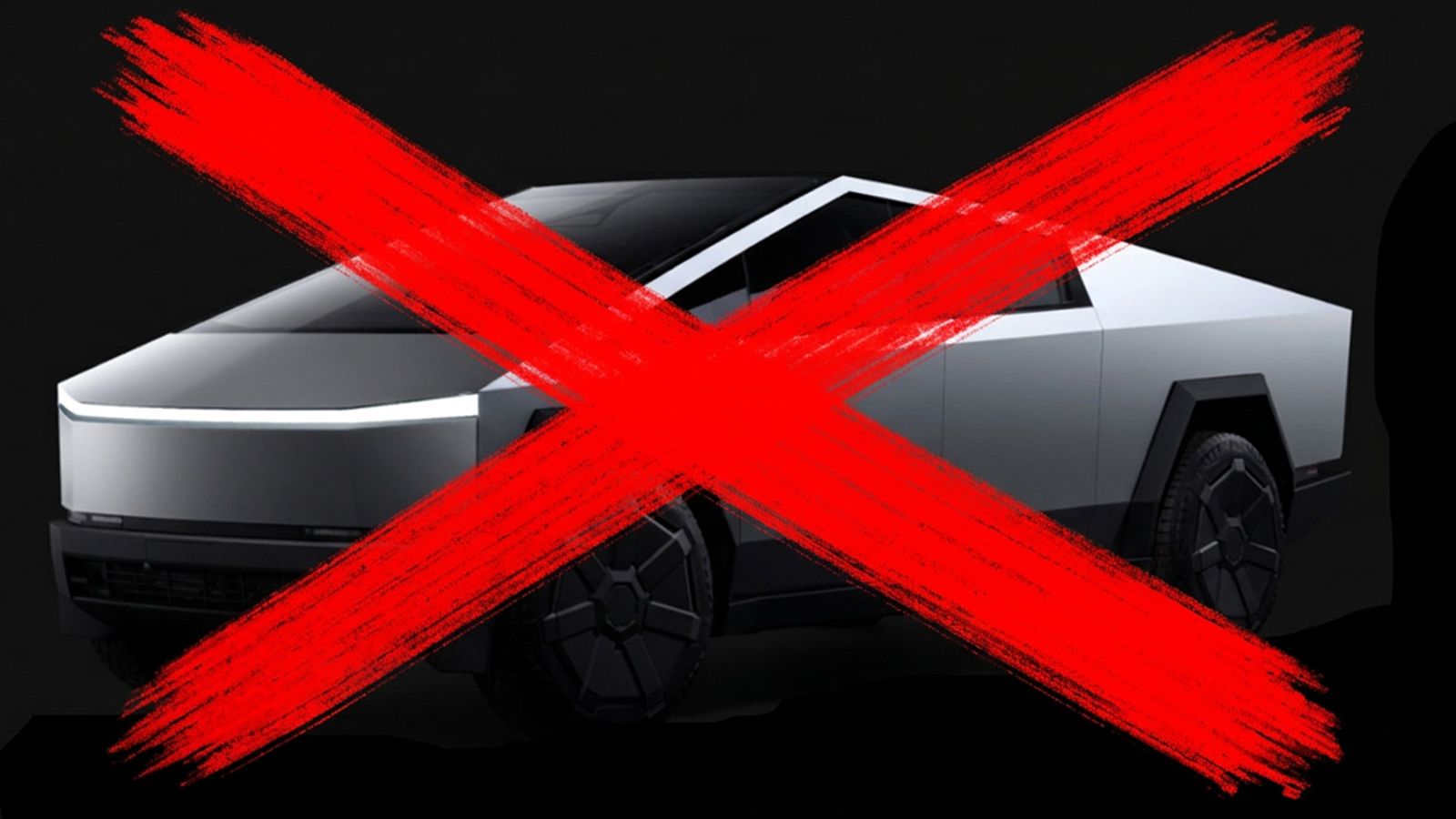
When Elon Musk first introduced the Cybertruck to the public during a high-profile unveiling event in November 2019, he promised a fundamental revolution in truck design—a vehicle intended to disrupt a market segment long dominated by conventional Detroit automakers. Instead of the rounded contours and traditional ladder-frame architectures typical of American pickups, Tesla presented a low-polygon, wedge-shaped concept that looked as if it had been pulled directly from a retro-futuristic sci-fi film.
Constructed from ultra-hard cold-rolled stainless steel with extreme planar angles, a steeply sloped roofline, and an extraordinarily large windshield serviced by a single oversized wiper blade, the design immediately polarized the automotive and product design communities. While enthusiastic fans praised the vehicle as a bold break from corporate design monotony, critics, industrial designers, and internet observers quickly labeled it an ergonomic and aesthetic gamble.
The public reveal event set a dramatic tone for the vehicle’s turbulent lifecycle. In a live demonstration intended to showcase the structural durability of Tesla’s proprietary "Armor Glass," Chief Designer Franz von Holzhausen threw a heavy steel ball at the driver-side window. To the shock of the audience and executives on stage, the reinforced glass shattered instantly. A second attempt on the rear window yielded the same result, creating an embarrassing moment of live performance failure for a truck whose primary selling point was unyielding toughness and durability.
Despite the awkward debut, Tesla initially reported strong interest, with Musk claiming the company intended to eventually manufacture and sell up to 250,000 Cybertrucks per year once production reached full capacity. However, translating the radical concept into a mass-market retail vehicle proved extraordinarily difficult. The vehicle suffered multi-year release delays, recurring specification changes, structural revisions, and substantial price increases over the initial estimates provided in 2019.
When customer deliveries finally commenced in meaningful numbers, consumer demand failed to match early projections. According to industry tracking data from Kelley Blue Book cited by Reuters, Tesla sold just 20,237 Cybertrucks in the United States throughout 2025. This figure marked a steep 48 percent decline compared to the previous year’s sales volume, underscoring a sharp drop in market momentum as initial reservation holders took delivery and broader mainstream interest faded.
Cybertruck design fails
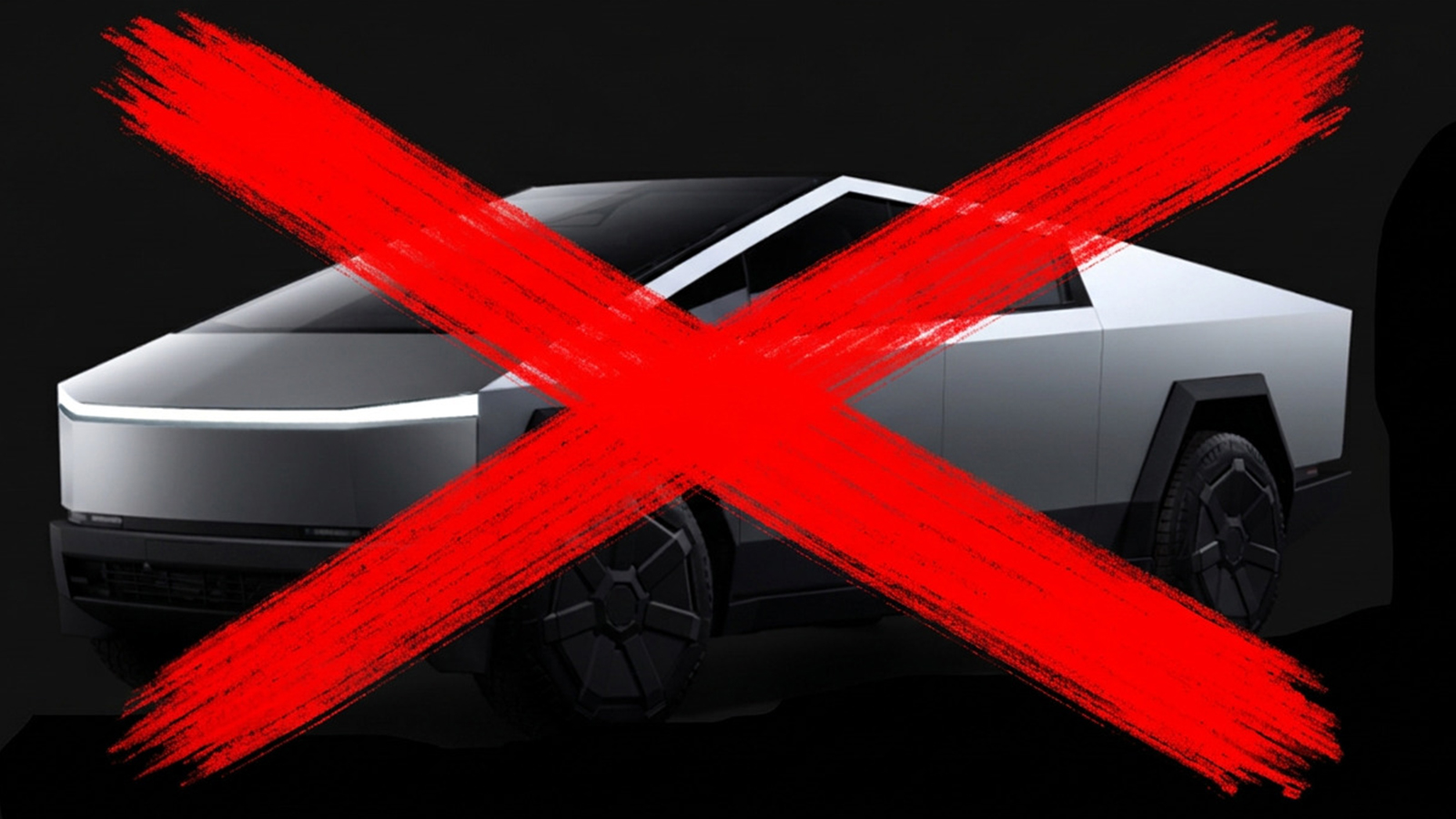
Throughout its development and short-lived commercial lifespan, the Cybertruck was continually dogged by public scrutiny regarding its engineering choices, manufacturing quality, and practical usability. Long before volume production began, early design sketches revealed that internal teams had explored multiple alternative concepts for an electric truck. Yet Tesla ultimately committed to the sharp-edged, angular stainless-steel exoskeleton, a decision that created persistent manufacturing hurdles.
Engineering vulnerabilities began surfacing well before the truck hit public roads. In June 2023, leaked internal documentation revealed deep-seated technical challenges within early development prototypes. The confidential reports detailed persistent difficulties with braking performance, unpredictable handling dynamics, excessive cabin noise, and inadequate sealing against water ingress.
As mass production ramped up, physical quality control issues continued to trouble early adopters. In April 2024, safety regulators issued a high-profile recall addressing a critical defect in the accelerator pedal assembly, where an unapproved lubricant applied during manufacturing caused the pedal pad to dislodge and become trapped beneath the interior trim, holding the throttle down.
By March 2025, additional production defects began making headlines as owners reported structural exterior trim pieces detaching from vehicles during highway driving. For a truck explicitly styled and marketed as an indestructible armored vehicle, reports of decorative exterior panels and body trim flying off under normal driving conditions severely damaged its reputation for quality engineering.
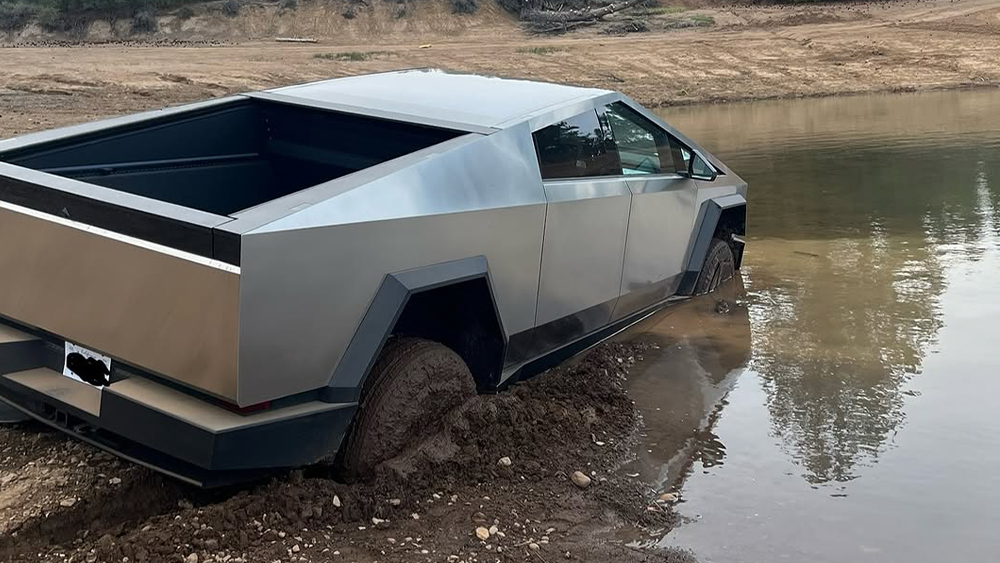
Real-world capability challenges further eroded the truck’s practical credentials. Despite aggressive marketing positioning the Cybertruck as an elite off-road vehicle capable of traversing rugged terrain, high-profile videos and field reports emerged showing trucks becoming immobilized in relatively mild off-road conditions, including shallow mud, loose snow, and beach sand. In several instances, stranded Cybertrucks required recovery assistance from traditional gasoline and diesel pickup trucks, sparking widespread commentary across social media and automotive forums.
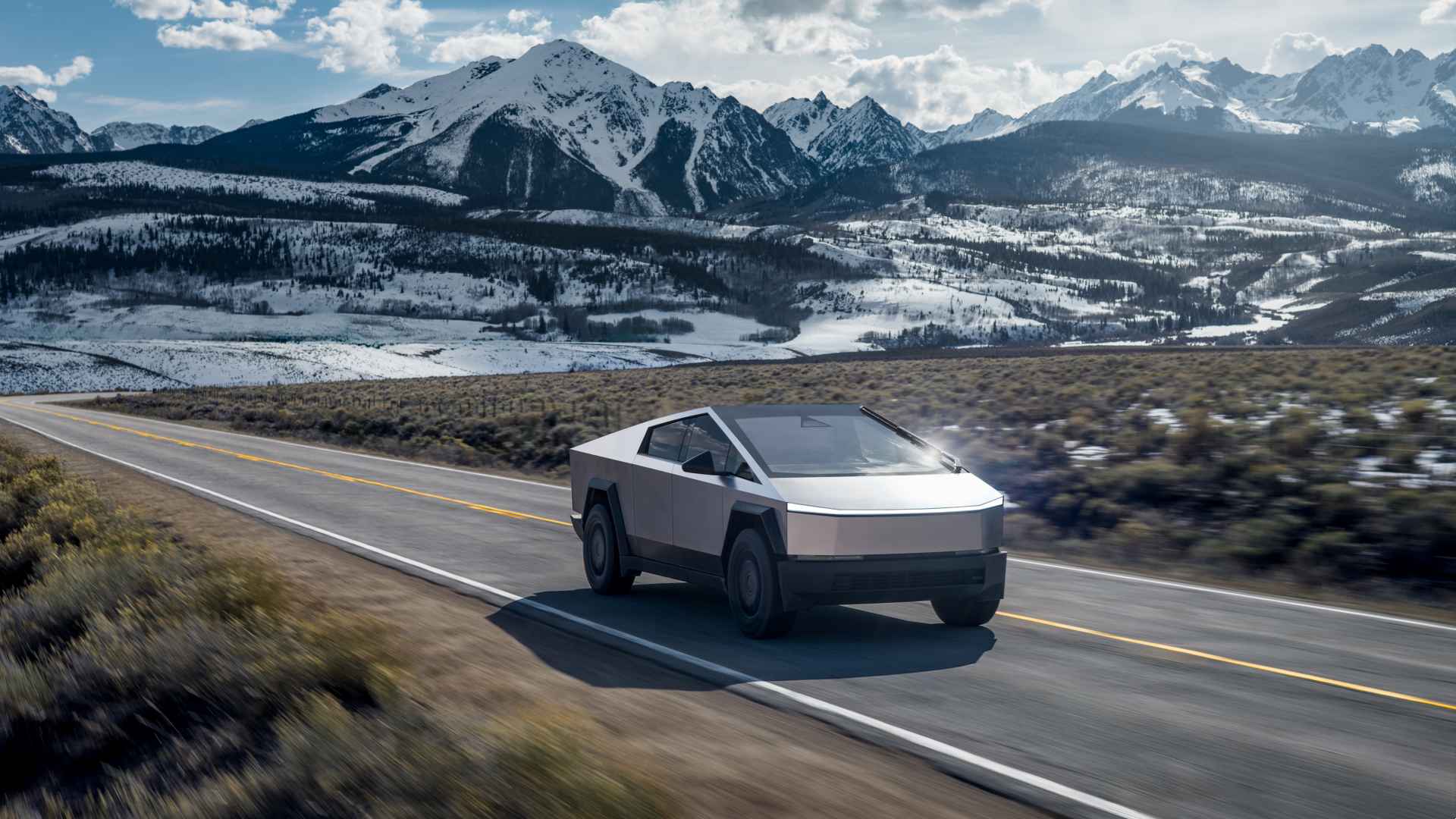
Beyond mechanical and manufacturing troubles, the vehicle’s physical dimensions and structural rigidity severely limited its global commercial reach. The heavy, rigid stainless-steel body and sharp front fascia failed to meet stringent pedestrian safety regulations in Europe, which require vehicles to incorporate energy-absorbing deformation zones to protect pedestrians in collision scenarios. Because modifying the vehicle to pass European crash and safety standards would have required a complete structural redesign, Tesla was effectively shut out of major international consumer markets, leaving the truck largely confined to North America.
Furthermore, critics highlighted broader product design shortcomings. Industrial design principles typically demand that form follow function, ensuring that a product not only captures visual attention but also performs its intended daily role reliably and intuitively. The Cybertruck’s unyielding stainless-steel exterior proved difficult to clean and maintain, prone to smudging and surface corrosion if exposed to certain environmental contaminants, and unforgiving in tight parking environments where its lack of protective side moldings left adjacent vehicles vulnerable to damage from its sharp edges.
Is Cybercab really the future?
As Tesla prepares to wind down Cybertruck assembly at Gigafactory Texas, the company is shifting its strategic vision and manufacturing footprint toward fully autonomous transport. The assembly lines currently occupied by the Cybertruck will be re-engineered to produce the Cybercab, a compact, two-seat autonomous vehicle designed specifically for robotaxi fleet operations.
This transition reflects a fundamental strategic pivot by Tesla, moving away from niche consumer utility vehicles and redirecting capital toward artificial intelligence, autonomous driving software, and scalable mobility services.
However, early previews of the Cybercab suggest that Tesla’s penchant for unconventional, minimalist design choices remains firmly intact. The robotaxi concept features a sleek, futuristic cabin devoid of traditional driver controls, omitting both the steering wheel and foot pedals entirely. Yet early commentators and product design analysts have already identified potential operational hurdles within the Cybercab’s design language, raising questions about whether the company has fully absorbed the practical lessons of the Cybertruck era.
The legacy of the Cybertruck stands as a striking case study in automotive design ambition versus practical execution. Major heritage automakers such as Ferrari, Porsche, and Mercedes-Benz have historically maintained enduring brand identities built on subtle evolutionary design, structural refined performance, and mechanical reliability. In contrast, the Cybertruck attempted a radical aesthetic revolution that prioritized striking visual impact over manufacturing practicality, aerodynamic efficiency, and pedestrian safety.
While the Cybertruck successfully generated unprecedented global media coverage and reshaped public perceptions of what an electric pickup could look like, its commercial decline and premature production wind-down highlight the boundaries of unconventional product design. As Gigafactory Texas prepares its floor space for the Cybercab, the era of Tesla’s stainless-steel pickup draws toward a close—leaving behind a unique, highly debated legacy in modern industrial history.