Under Armour founder and chief executive officer Kevin Plank is doubling down on the brand’s footwear division, insisting that the $1 billion business possesses untapped potential to scale significantly larger despite recent turbulence and lingering skepticism from financial markets.
Speaking to investors during the company’s second-quarter earnings conference call, Plank addressed the performance of the footwear category head-on, offering a timeline for when tangible market results should materialize. “We think you’re going to see a lot more of that proof coming through in spring ’27,” Plank promised, signaling that the athletic sports brand’s turnaround strategy requires a multi-season runway to fully take root.
However, given a history of underperformance in the highly competitive footwear sector, many analysts on Wall Street remain cautious, questioning whether the Baltimore, Md.-based sportswear and shoe firm can successfully execute its ambitious goals and translate athletic innovation into broad commercial demand.
To refuel its shoe business, Under Armour is betting on a streamlined leadership structure and a much sharper focus on core priorities. The strategy centers on concentrating resources where the brand holds authentic performance credibility, thereby creating the strongest opportunities to win market share.
“We’re concentrating resources where our performance credibility gives us the strongest opportunity to win. Our leaders are then responsible for translating those actions and the product athletes choose,” Plank explained during the investor call. He emphasized that the brand is striving to build a stronger overall identity through more compelling products, consistent execution, and aspirational storytelling that connects with consumers on a deeper level.
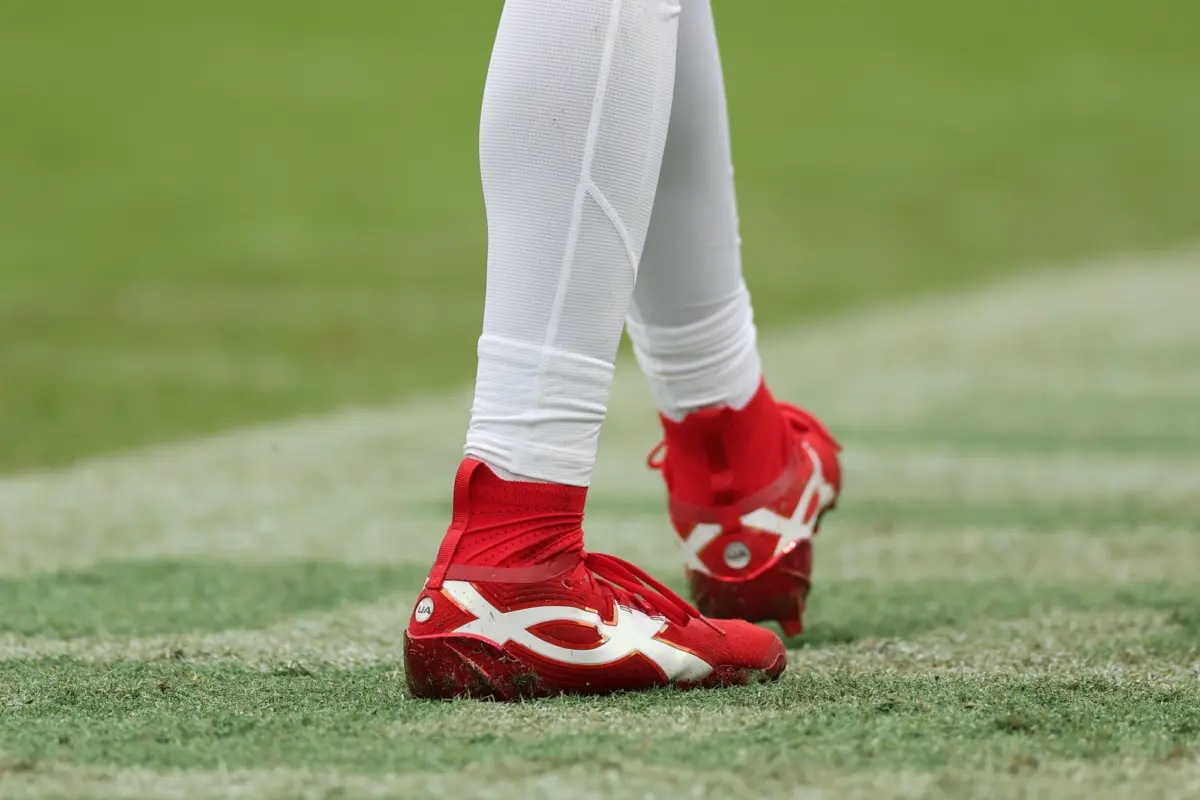
A key pillar of this strategy involves backing proven franchises that have already demonstrated market viability. Plank pointed to the company’s American football cleat business as a prime example of this methodology in action. During the quarter, the cleat category posted double-digit growth, bolstered by higher average selling prices and meaningful market share gains. These improvements have propelled Under Armour to become the second-largest brand in the U.S. football cleats market, a milestone executives hope to replicate across other product categories.
To support these efforts on the operational side, Under Armour held a global supplier summit, focusing on establishing closer collaborations with key manufacturing partners. The discussions centered on achieving shorter lead times, more efficient use of materials, and faster response capabilities to better match volatile market trends.
Furthermore, Plank highlighted the integration of artificial intelligence as a vital tool for calendar compression, significantly reducing the time required to bring new products from the drawing board to the retail shelf. “We see opportunities for AI to speed decisions and reduce repetitive work, so our teams can spend more time developing products and serving athletes,” he noted.
This overarching commitment to meeting athlete needs is actively guiding the company’s broader footwear reset. By capitalizing on established strengths in team sports while simultaneously elevating design and perceived value across the entire portfolio, management hopes to rebuild consumer trust and retail presence.
Running represents another critical growth vehicle for the brand, particularly through its Velociti footwear franchise. Plank noted that Under Armour’s primary challenge lies in translating its elite technical expertise into a broader, well-segmented assortment that speaks to a wider audience of everyday runners and earns a permanent, competitive place at retail.
As validation of the franchise’s elite credentials, Plank highlighted elite marathoner Sharon Lokedi’s stellar performance at the Chicago Marathon. Running in the Velociti Lead 3, Lokedi finished second while slashing her personal best by more than three minutes, a feat that cemented her status as the eighth-fastest female marathoner in history. “It is an exceptional achievement for Sharon and another demonstration of Under Armour footwear at the highest level,” Plank said.
Capitalizing on this high-profile visibility, the company plans to introduce more commercially driven executions of the Velociti Lead 3, including iterations rolled out at more accessible price points in the coming spring. Moving forward, marketing investments will shift toward supporting fewer, larger-scale campaigns, while regional teams collaborate more closely with local media outlets to drive hyper-targeted branding and storytelling.
“We have a brand that is much bigger than our business,” Plank acknowledged, conceding that when it comes to footwear, the company has historically fallen short in extracting full commercial value. He stressed that this dynamic is shifting through the delivery of a clear, concise point of view that tells consumers precisely what products to buy and, just as importantly, why they need them. Whether addressing running, team sports, or everyday training, Plank insisted that a robust innovation pipeline is already in place. “We need to do a better job packaging those stories into a reason that consumers need to buy it,” he added.
Despite the optimistic outlook from leadership, financial results for the latest quarter illustrate the uphill battle Under Armour faces. Footwear sales dropped 11 percent to $234 million during the period. While pockets of strength emerged within cleated footwear and specialized running models, these gains proved insufficient to offset broader weakness across the rest of the footwear category.
BTIG analyst Robert Drbul pointed out that while product innovation remains the central focus, the critical unknown is whether Under Armour can successfully translate that innovation into widespread consumer demand. “We continue to believe the production simplification and increased focus on innovation are steps in the right direction, but sustained improvement will ultimately require these initiatives to translate into better traffic and broader full-price demand,” Drbul concluded.
Similarly, Jefferies analyst Randal Konik observed that while the product pipeline shows early signs of progress, inventory dynamics are currently moving in an unfavorable direction. Inventory rose 4 percent during a quarter where overall revenue declined by 7 percent. In response to the inventory buildup, management has begun cutting future purchase orders and executing aggressive sell-through strategies. However, Konik cautioned that the necessary markdowns will inevitably weigh on profit margins through the second half of the fiscal year, underscoring the urgent need for enhanced demand planning.
Wall Street’s cautious stance reflects the choppy nature of the brand’s ongoing transformation. Prior to the release of first-quarter results, analysts had expressed optimism that Under Armour might finally be nearing its long-awaited turnaround. However, subsequent earnings reports and downwardly revised outlooks revealed that consumer demand continued to pose a stubborn hurdle for the firm.
In its most recent earnings report for the second quarter ended September 30, Under Armour announced that total company revenues fell 7 percent to $1.2 billion. While that performance managed to beat Wall Street’s consensus expectations—which had projected a steeper decline of 8.3 percent—it underscores the reality that the company’s comprehensive recovery plan is still navigating significant economic and operational headwinds.