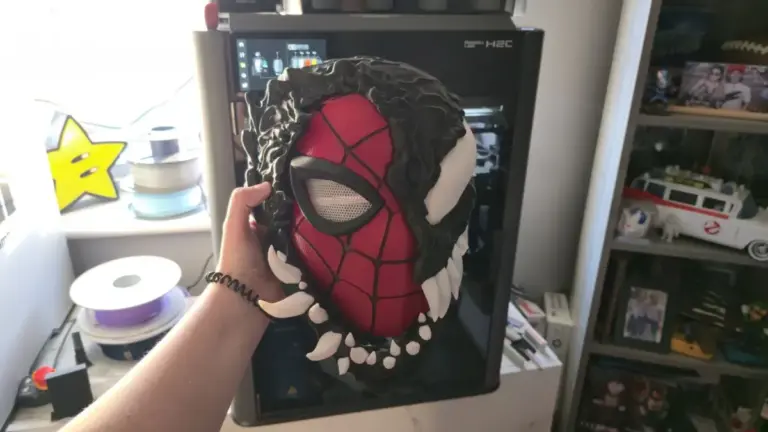
For holiday shoppers looking for a genuinely practical gadget that can cross multiple names off their gift list, the 3D printing market is offering a major seasonal discount. Snapmaker has announced a significant Black Friday price drop for its flagship U1 3D printer, slashing the device by 30% from its standard retail price of $999 down to $699. As a high-speed, multicolor, and multi-material desktop manufacturing tool, the U1 arrives packaged with four spools of PLA filament and a collection of 30 ready-to-print models, positioning it as a turnkey solution for users hoping to fabricate customized holiday ornaments, figurines, and fidget toys directly from their home workspaces.
The promotional price point marks a notable shift in the consumer 3D printing landscape, where multi-toolhead printing systems have traditionally commanded premium prices. Historically, independent tool changers such as the Prusa XL have required investments well north of $2,000, placing them out of reach for casual hobbyists and mainstream consumers. By bringing a four-toolhead architecture down to the sub-$700 tier, Snapmaker is challenging the conventional market dynamics of additive manufacturing. The hardware’s commercial reception has already set records, driven by more than 20,000 backers on Kickstarter who propelled the campaign to become the most-funded 3D printer in the platform’s history, establishing a global user base that now exceeds 150,000 active participants.
Five-Second Swaps and a Lot Less Printer Poop
At the core of the U1’s engineering is the SnapSwap system, a proprietary multi-head mechanism designed to keep four distinct print heads loaded, heated, and ready for deployment simultaneously. Rather than routing different filaments through a single nozzle, the printer relies on its four individual toolheads, parking the active head and automatically acquiring a new one whenever a design calls for a color or material transition. This swapping sequence takes approximately five seconds to execute.
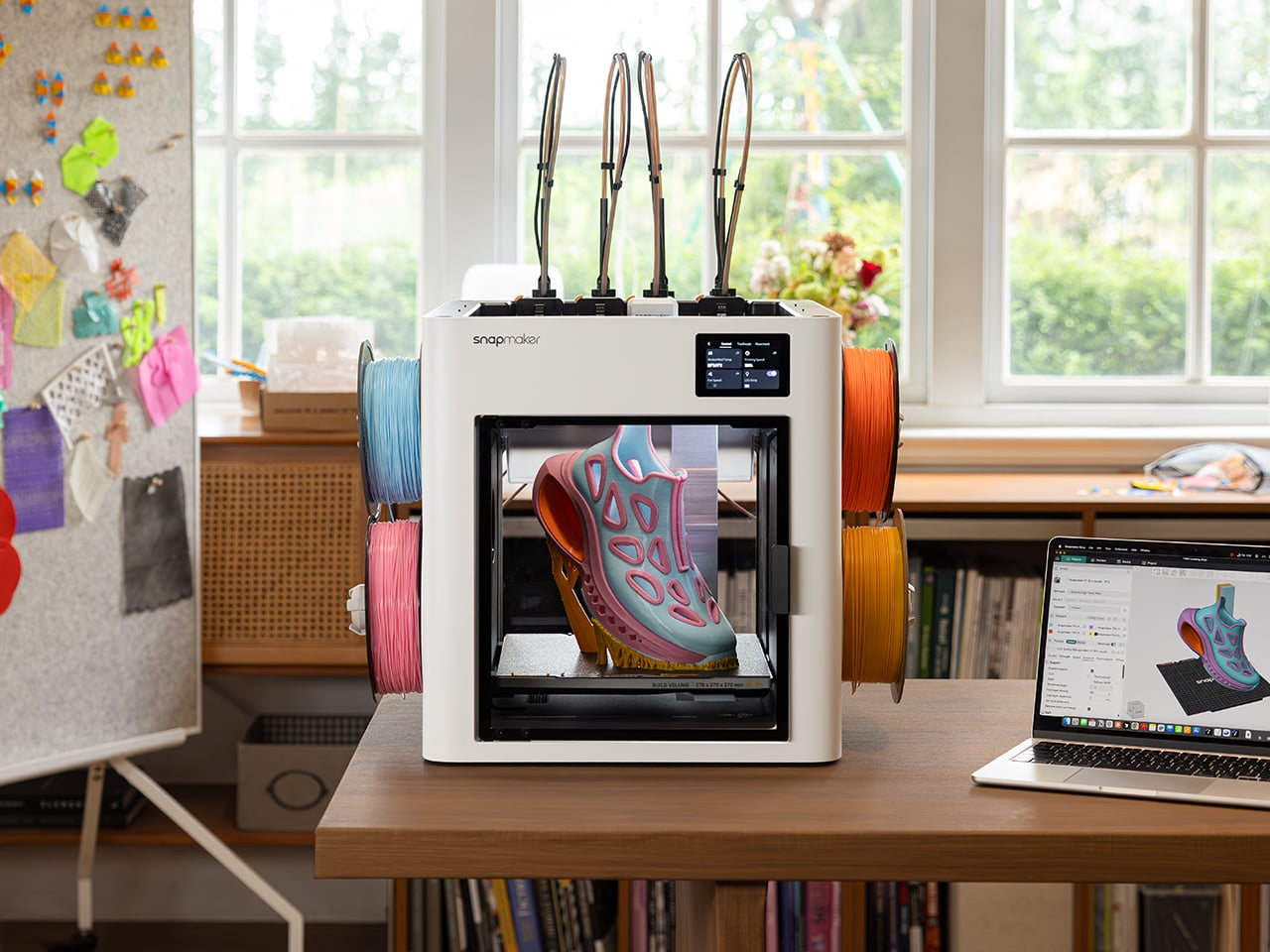
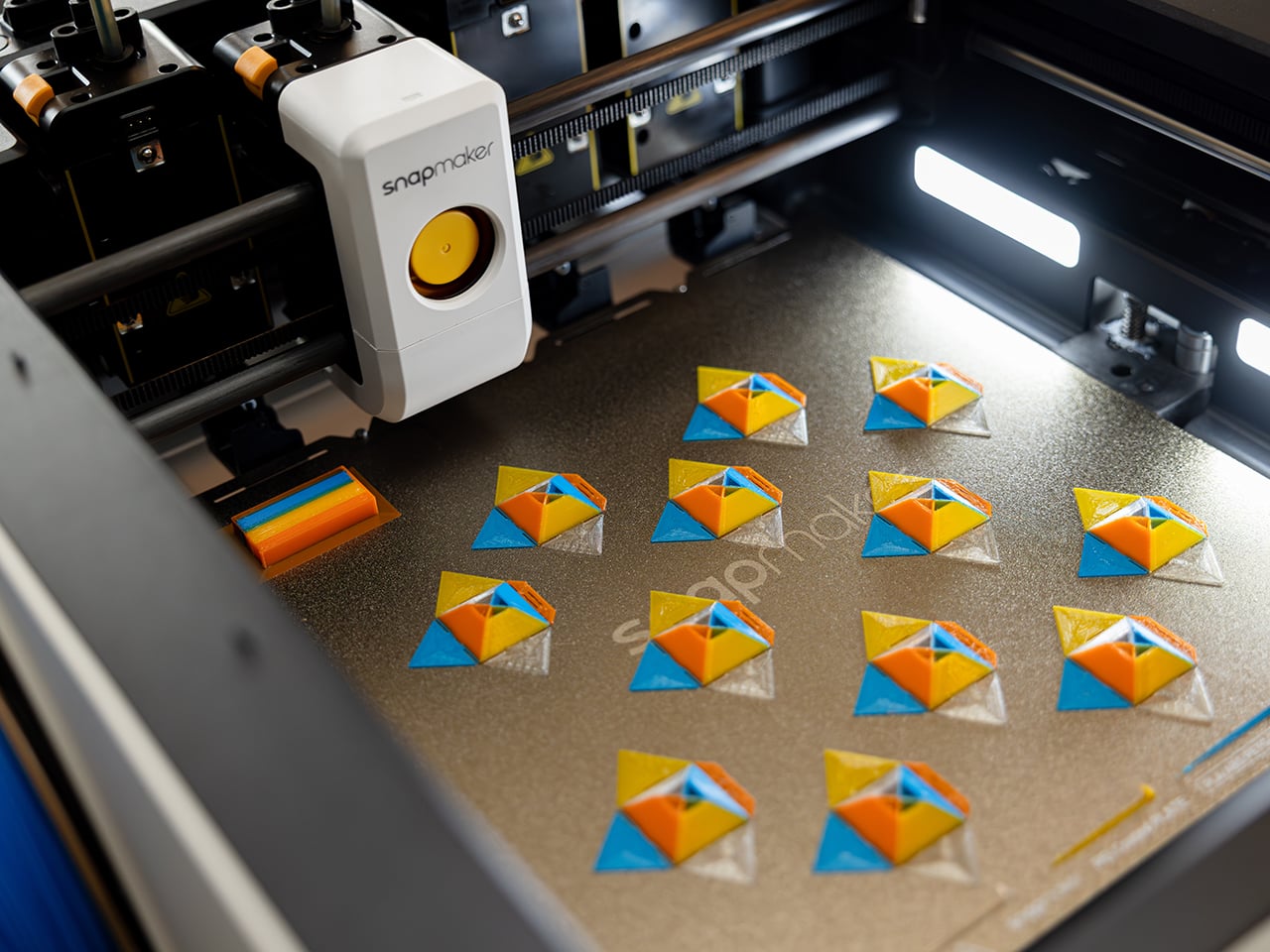
To ensure long-term mechanical reliability and precision, Snapmaker utilizes a steel-ball coupling paired with a mechanical lock, which seats each interchangeable head into the exact same physical coordinates during every swap. According to factory durability testing, this coupling mechanism has successfully endured over a million continuous swaps without sustaining mechanical failures. Furthermore, the firmware incorporates an automated calibration routine that aligns all four heads to within 0.04 millimeters of each other, ensuring that complex, multi-colored geometries—such as the fine white trim on a miniature Santa hat—align with absolute precision.
The multi-head approach also addresses one of the most prominent environmental and economic inefficiencies associated with desktop additive manufacturing: filament waste. Conventional single-nozzle multi-color setups, such as Bambu Lab’s Automatic Material System (AMS), rely on purging methods that force legacy filament out of the hotend until the new color runs completely clean. Industry estimates and user data frequently indicate that printing complex, multi-shaded models on single-nozzle machines can generate purge waste that outweighs the mass of the final printed object, with individual color transitions taking upwards of two minutes.
Snapmaker reports that its multi-head architecture eliminates the vast majority of this purging process, as each head retains its own dedicated filament path. The U1 only requires minor purging routines at the initiation of a job and during calibration checks. When printing a full tray of multicolored holiday ornaments or intricate functional parts, these cumulative savings translate directly into reduced print times and significantly lower material consumption, keeping the filament budget directed toward finished products rather than discarded plastic waste.
A Personalized Ornament, From Download to Gift Box
The hardware flexibility enabled by four independent toolheads extends beyond aesthetic color blending into functional material combinations. Because each head maintains its own thermal and mechanical independence, users can load a mixture of distinct materials into a single print job. This capability allows rigid plastics like standard PLA to be combined seamlessly with flexible thermoplastic polyurethane (TPU) or specialized dissolvable support structures for complex overhangs.
For the majority of holiday applications, however, a standard four-color palette of PLA filament provides ample versatility. To expand this palette further, the U1 features a proprietary "Full Spectrum" function. This software-driven feature interweaves thin, alternating microscopic layers of the four loaded filaments, creating optical illusions of new intermediate shades that the human eye perceives as blended colors. While the exact visual outcome depends on specific material properties, geometric contours, and slicing parameters, loading a combination of red, green, white, and gold effectively provides a complete holiday color scheme within a single print job.
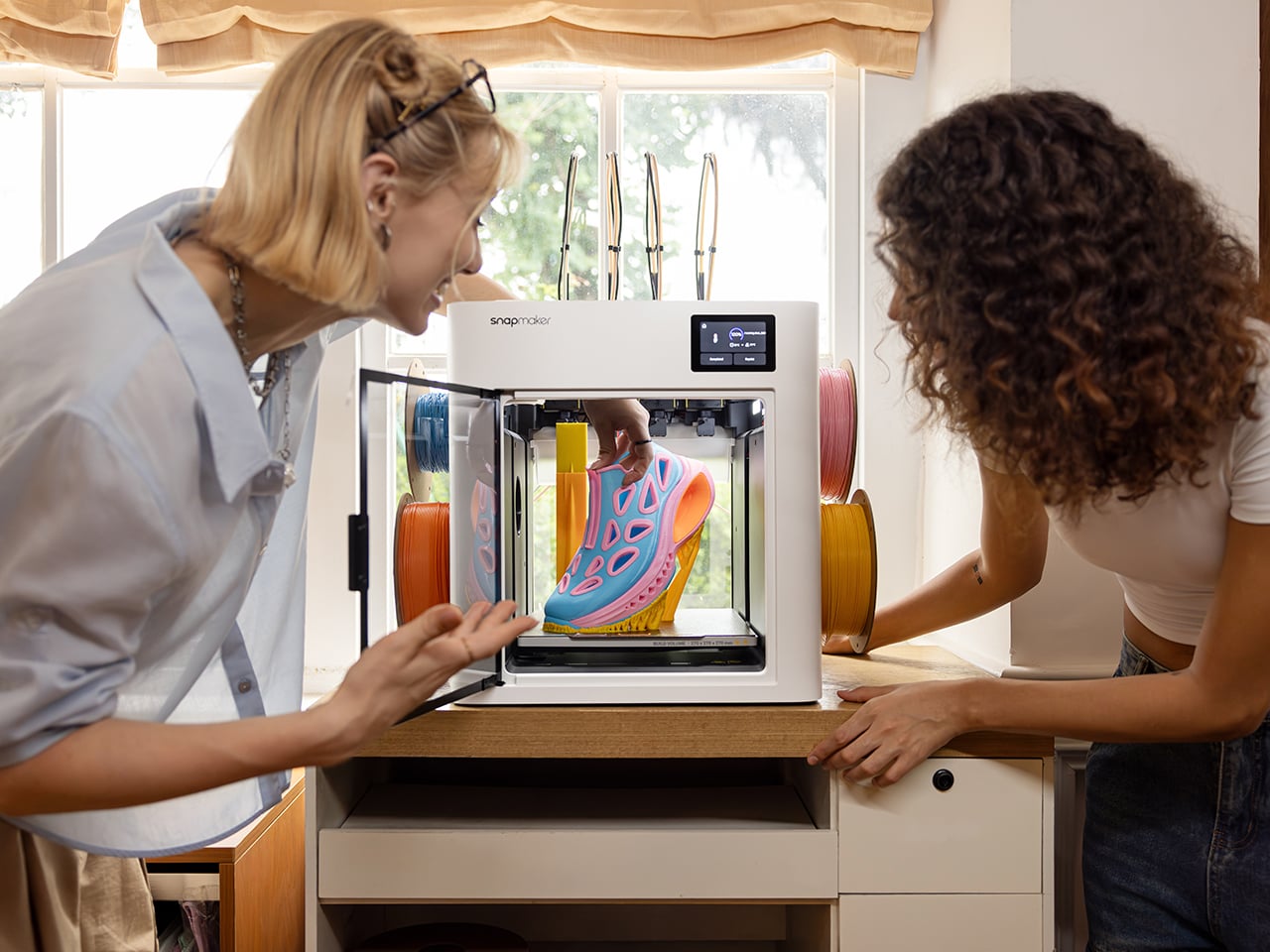
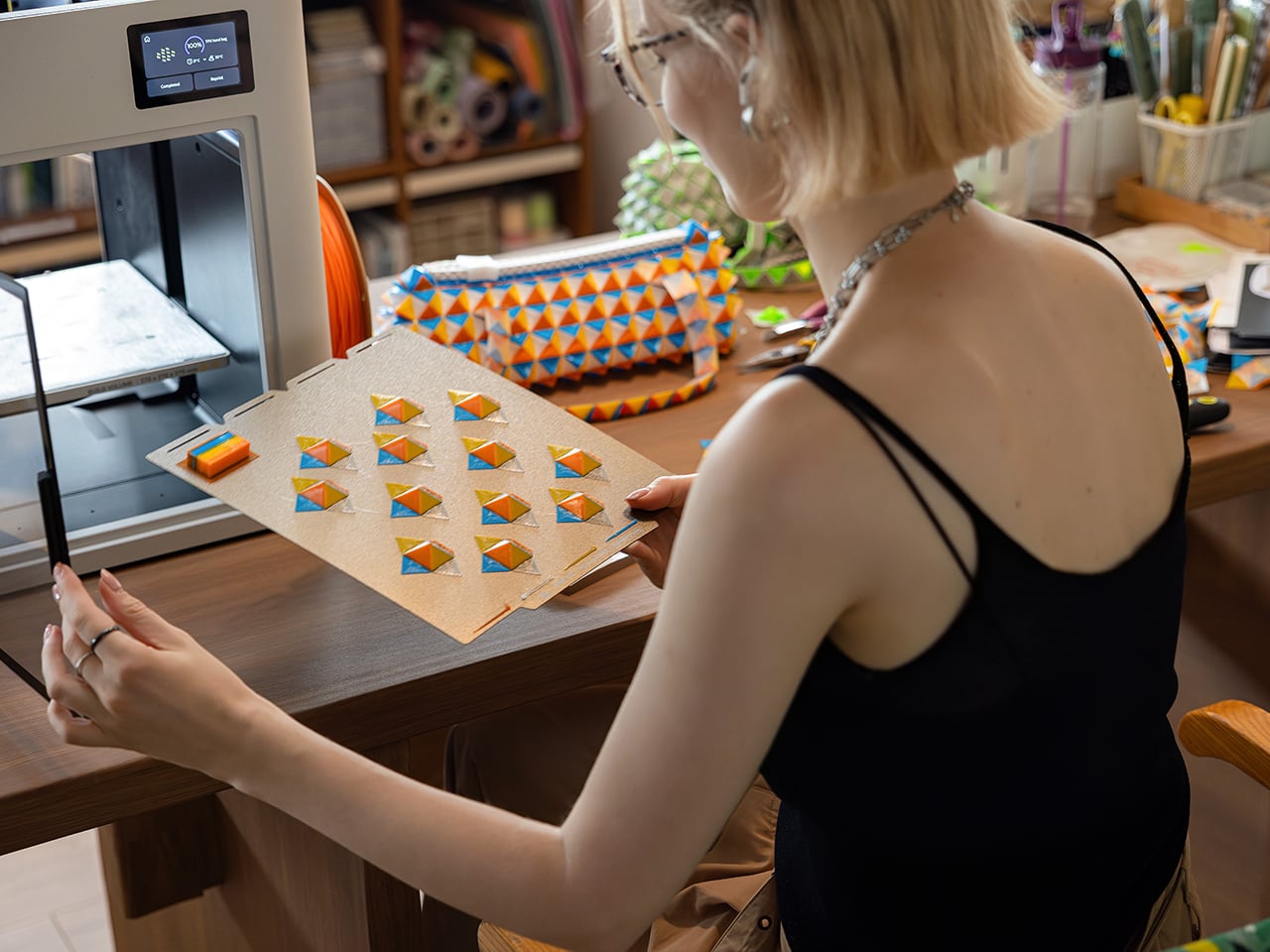
Customizing holiday gifts via the platform requires minimal technical expertise, functioning with a simplicity comparable to sending a digital message. Users can import an ornament template into the Snapmaker Orca slicing software, integrate personalized text using integrated editing tools, and assign specific toolhead colors to designated sections of the model. Because a palm-sized holiday ornament consumes only a few grams of raw filament, individual production costs are minimal. Once the parameters are configured, users can initiate the print job, allowing the U1 to execute all necessary color transitions autonomously while the user attends to other tasks.
Smart Enough for First-Timers, Cheap Enough for Black Friday
Designed to accommodate both novice users and experienced makers, the U1 integrates a comprehensive suite of automated calibration and monitoring tools. The company’s newly launched model library, Snapmaker Space—currently operating in an open beta phase—provides access to a repository of pre-optimized, multicolor models, enabling beginners to bypass traditional 3D modeling workflows entirely.
To ensure reliable daily operation, the printer features automated bed leveling to guarantee proper initial layer adhesion, alongside input shaping algorithms designed to mitigate mechanical vibrations and maintain structural stability at high speeds, which peak at 500 millimeters per second. Additional automated conveniences include auto-loading filament mechanisms, RFID-enabled spool recognition that automatically applies optimal temperature and flow settings for Snapmaker materials, and an intelligent Backup Mode that seamlessly transitions to a secondary matching spool when the primary material supply is exhausted.
For quality assurance, the integrated hardware includes an onboard camera supported by artificial intelligence monitoring. This system is capable of detecting common print failures, such as filament tangles or detached prints commonly referred to as "spaghetti," and sending automated status notifications directly to the user’s mobile device. Meanwhile, advanced hobbyists and tinkerers retain full operational freedom through native Klipper firmware integration and comprehensive compatibility with OrcaSlicer.
The promotional pricing event is currently active through official retail channels, offering consumers an opportunity to acquire the hardware ahead of the peak winter gifting season.