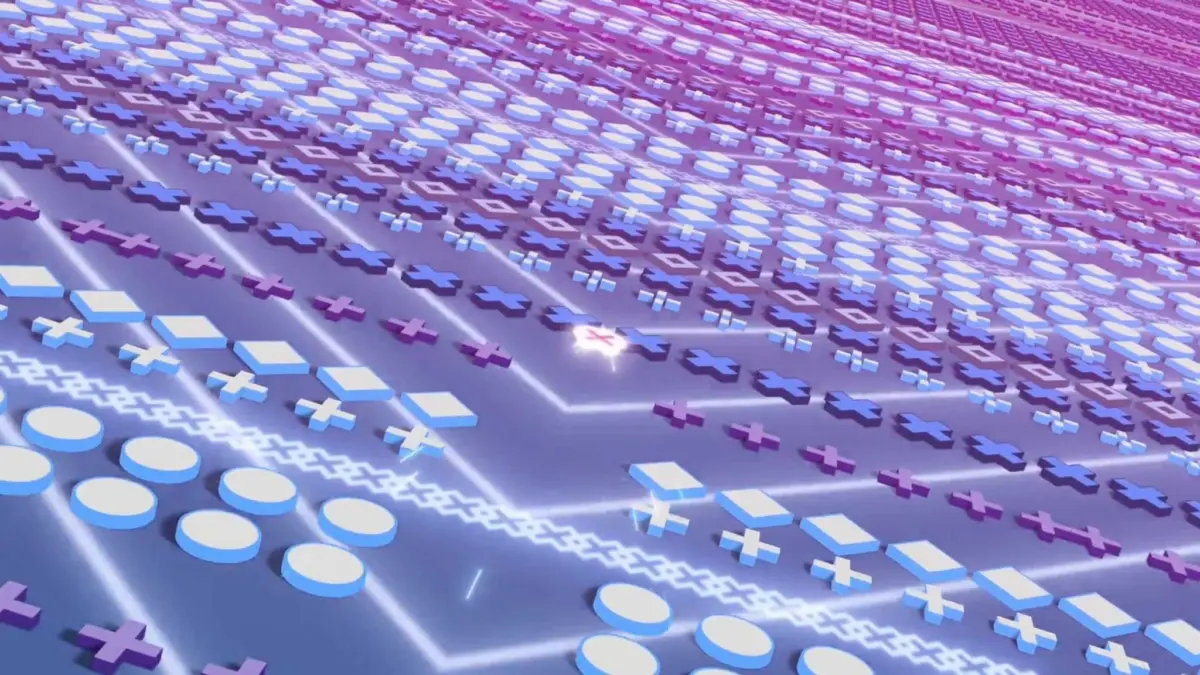
As the late-year holiday season approaches, audiences are routinely inundated with a relentless annual torrent of high-concept, emotionally charged commercial advertisements designed to tug at heartstrings. For viewers seeking a sharp pivot away from predictable festive sentimentality, Montreal-based director and animator Renaud Hallée has offered an ideal antidote. Under his Possible Metrics production banner, Hallée has just released his latest personal short film, an uncompromising exercise in music-driven visual precision entitled “PLUS.”
The newly premiered short film shifts the focus entirely toward rhythm, geometry, and exacting synchronization, trading emotional narratives for a mesmerizing kinetic experience. Built entirely around a framework where every visual element must align flawlessly with the accompanying audio track, the project showcases Hallée’s signature meticulous approach to motion design. Running on a strict ethos of absolute timing, the film serves as both a showcase of technical discipline and a refreshing aesthetic palate cleanser for design enthusiasts and animation fans alike.

Creating a piece driven by such uncompromising parameters, however, required navigating a grueling production landscape filled with constant technical hurdles. According to Hallée, the realization of the film was a delicate balancing act that demanded countless iterations to achieve its final form. In a medium where minor errors can often be seamlessly masked by a quick edit, a clever transition, or a stylized visual filter, “PLUS” offered no such safety nets. Every single frame required precise execution, leaving zero room for hidden imperfections.
“With this film, everything had to be at exactly the right place at exactly the right time and mistakes couldn’t be hidden by a cut or a filter,” Hallée explained regarding the unforgiving nature of the production. He further noted that alongside the demand for flawless precision, the project faced another major creative challenge: maintaining viewer engagement without devolving into monotony. Striking the right balance between rhythmic consistency and evolving visual interest required a deeply considered approach to composition and pacing.

Reflecting on his workflow and software choices, Hallée detailed the evolution of his technical strategy as the project scaled in scope. Initially, the director aimed to avoid heavy scripting within Adobe After Effects, operating under the assumption that manual execution generally yields more organic, intentional artistic results. Yet, as the short film expanded in complexity and the sheer volume of animated assets multiplied, that initial philosophy had to adapt.
As the production grew, Hallée found himself relying heavily on scripts out of sheer necessity. These scripts became indispensable tools, serving a dual purpose: they allowed him to efficiently manage massive quantities of concurrent visual elements while simultaneously solving complex technical roadblocks that would have been practically impossible to handle manually within a reasonable timeframe.
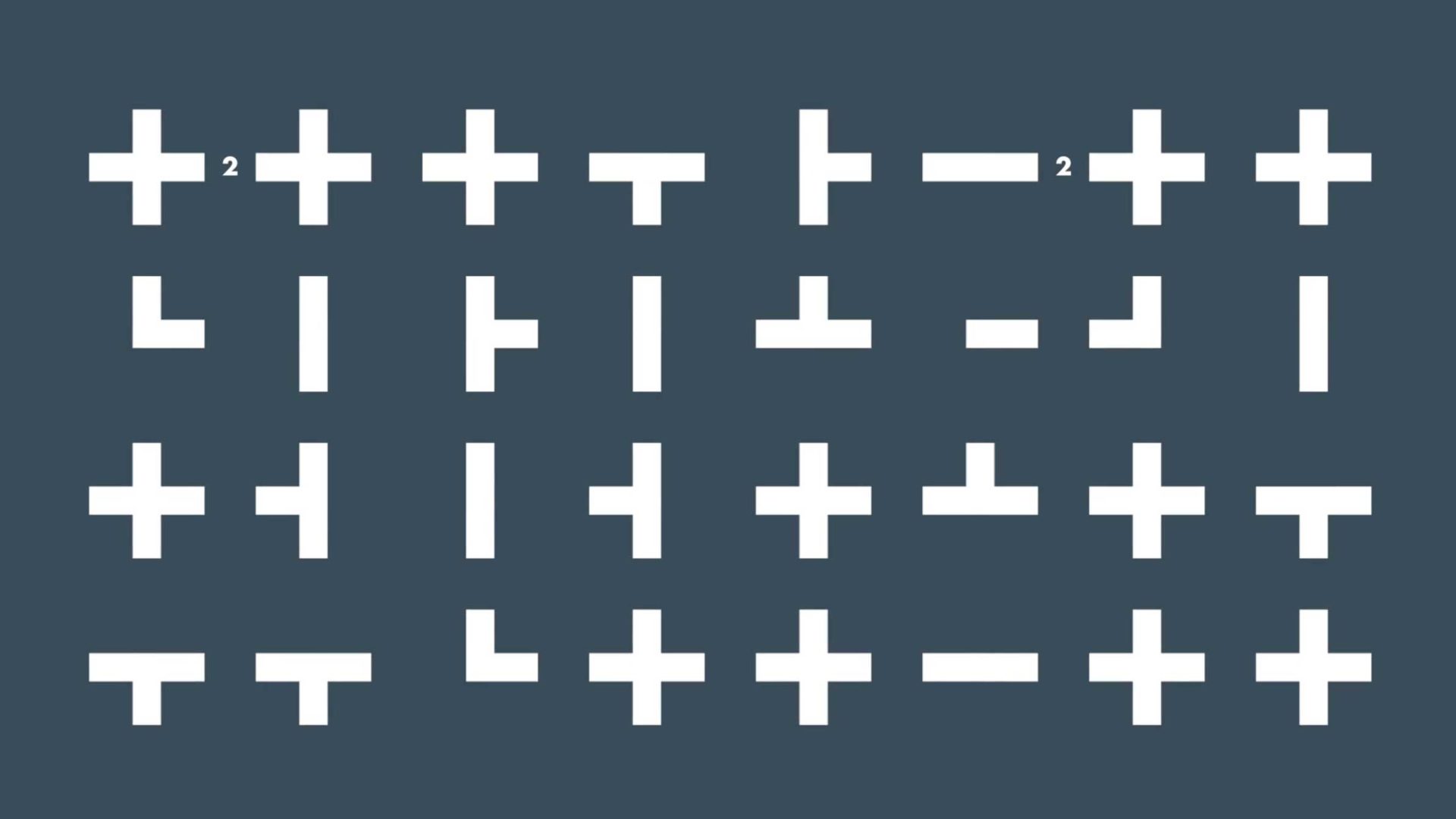
The division of labor across the pipeline was split between two primary software packages. All of the intricate visual components, grids, geometric shapes, and spatial animations were crafted entirely within Adobe After Effects. Meanwhile, the robust, driving audio landscape that anchors the visual rhythm was composed and engineered using Reaper. Despite successfully bringing the ambitious project to life within this software ecosystem, Hallée offered a pragmatic technical takeaway for future endeavors. Looking back on the grueling production cycle, the animator noted that if he were to tackle a similar project again, utilizing dedicated three-dimensional animation software for the latter stages of the production would have spared him a significant number of technical headaches.
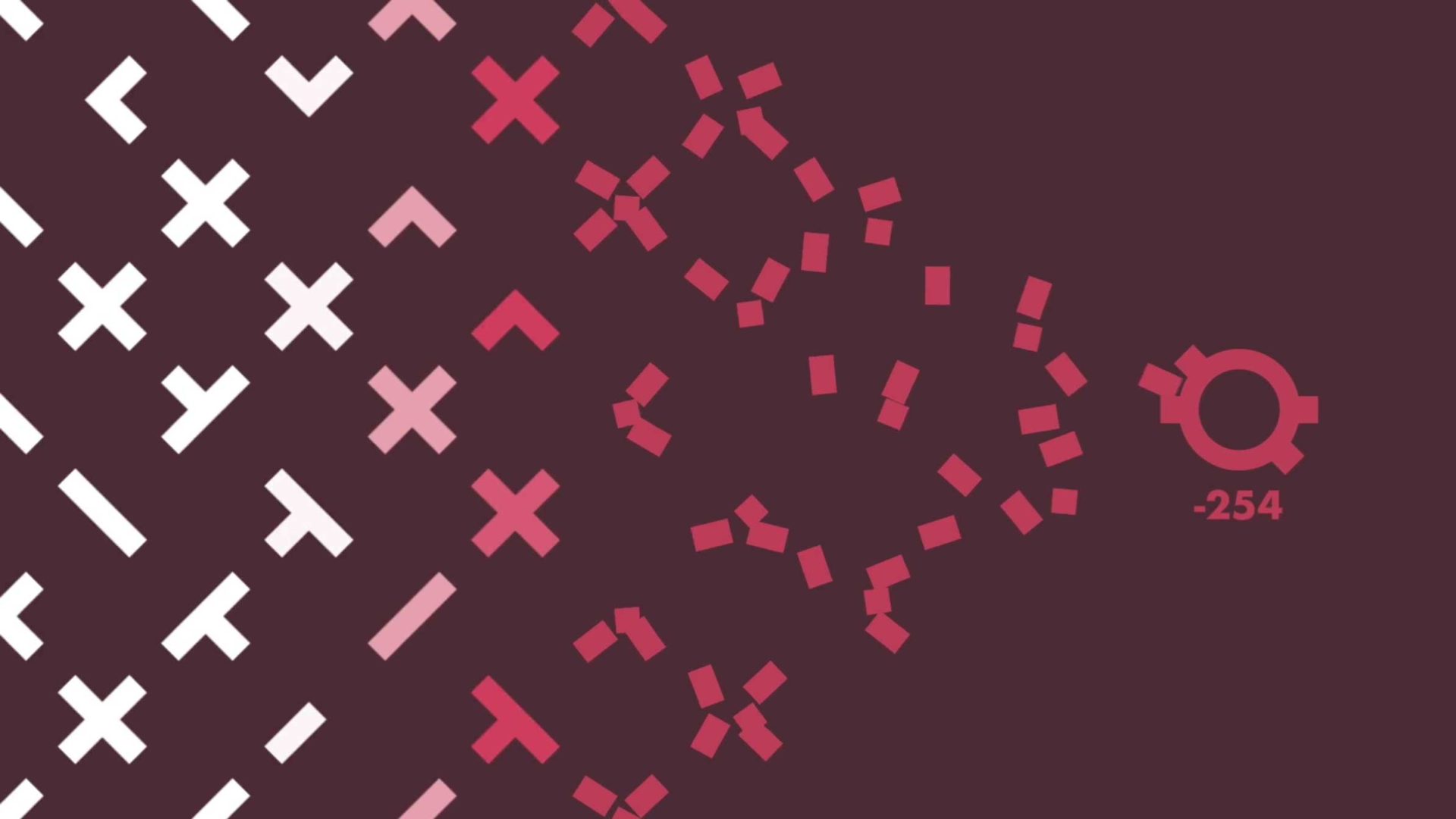
The resulting aesthetic of “PLUS” is characterized by striking geometric compositions, dynamic grids of abstract shapes, and stark lighting contrasts. Frames from the short film reveal sophisticated arrangements of crosses, Ts, lines, and numerical elements shifting across dark blue and deep purple backgrounds. Other compositions showcase glowing white pyramids standing at the center of surreal minimalist landscapes, alongside intricate circular reticles and graphical overlays that evoke precision engineering and optical calibration. These arresting visuals reinforce the core theme of the film: a celebration of mathematical order and synchronized motion.
Behind the scenes, the completion of “PLUS” was supported by a talented network of collaborators and creative peers. Production for the short film was handled through Possible Metrics, with Renaud Hallée spearheading both the direction and animation duties, as well as composing the film’s precise musical score. Additional contributions and special thanks for the project were extended to Marc Bertrand, Colin Racicot, Hubert Lapointe, Joey Simas, Simon Allard, and the team at Outpost MTL. The primary software toolkit utilized to bring the production across the finish line consisted of Adobe After Effects for the visuals and Reaper for the audio design.