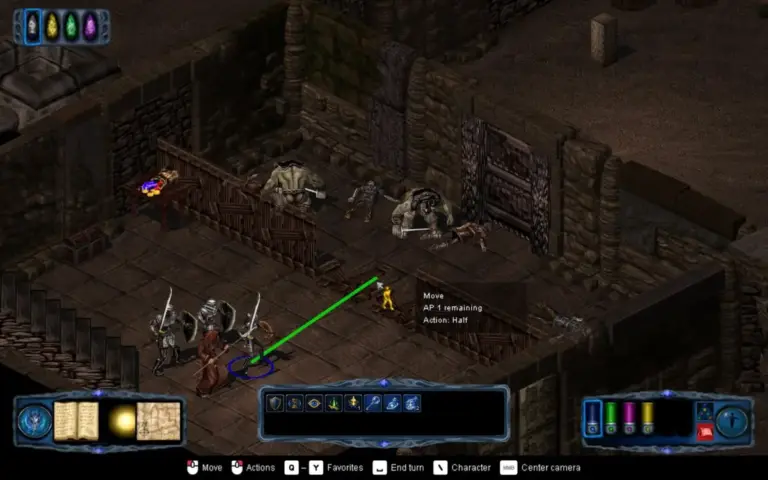
In an era where modern media consumption often trends toward sprawling, multi-hour video essays that lack accompanying text transcripts, digging into the historical context of classic computer role-playing games can feel like a daunting task. Whether it is a nearly ten-hour deep dive into the 1988 classic Pool of Radiance and its place in CRPG history—requiring a major time investment from viewers—or lengthy developer retrospectives scattered across various video platforms, finding concise and readable breakdowns is becoming increasingly rare. Fortunately, distilling these massive video formats into digestible written analyses helps bridge the gap for gaming enthusiasts who prefer reading over watching hours of footage.
A prime example comes from a comprehensive interview conducted by The Examined Game with Bruce Nesmith, the lead designer behind The Elder Scrolls V: Skyrim. When asked how a game of such monumental scale and enduring cultural success managed to materialize, Nesmith pointed directly to a foundational element that many modern AAA game studios frequently overlook: keeping the core development team intact across project cycles.

According to Nesmith, the secret ingredient to replicating and expanding upon previous success lies within institutional knowledge. Reflecting on the studio’s trajectory, Nesmith noted that if there were a literal blueprint for crafting a masterpiece, he would be a very wealthy man. Instead, much of the triumph came down to the simple fact that Bethesda retained the exact same team that had previously worked on The Elder Scrolls IV: Oblivion. Because the studio did not experience massive structural upheaval or a revolving door of developers, they were able to leverage institutional knowledge at an exceptionally high level. This continuity allowed the team to avoid repeating past mistakes while seamlessly building upon previous triumphs, proving to be an absolute cornerstone of the development process.
Beyond team retention, Nesmith highlighted the deliberate effort made to ensure the open world felt alive, dense, and engaging. There was virtually no corner of the map that did not offer something interesting to look at or an activity to partake in. These did not always have to manifest as massive, sprawling quests; instead, they could be subtle vignettes encountered dynamically on the side of the road, supported by stellar environmental storytelling that naturally drew players into the atmosphere.
This philosophy leaned heavily into a core sense of player freedom, a concept that Bethesda actively accelerated in The Elder Scrolls V: Skyrim compared to its predecessor, Oblivion. Crafting a rich world, Nesmith explained, requires a diverse tapestry of experiences rather than forcing players to trudge through the exact same encounters repeatedly. To combat monotony, the development team injected a wide array of enemy archetypes, varied loot systems, and the signature Bethesda mechanic of allowing players to interact with and pick up nearly every loose item scattered throughout the environment.

Visually and geographically, the game sought to establish stark, believable contrasts. Forests genuinely looked and felt like dense woodlands, towering mountain ranges captured the harsh reality of rugged peaks, and desolate ice fields provided an entirely distinct atmospheric tone. Furthermore, individual cities were populated with unique characters possessing distinct personalities, ensuring that players felt like they were constantly exploring uncharted territory rather than interacting with cookie-cutter templates.
Despite the widespread praise for Skyrim’s design philosophy, certain aspects of Nesmith’s assessment—particularly regarding the depth of the non-player characters—spark debate among critics and longtime fans. Many players and journalists argue that memorable NPCs actually represent one of the game’s notable weak spots, pointing to recurring voice actors and restricted dialogue trees as limitations. However, many agree with Nesmith’s assessment of how organic the game world feels, especially given the absence of modern, checklist-driven open-world design tropes
popularized by other franchises, such as Ubisoft-style map markers or exhaustive collectible counters.

In Skyrim, stumbling upon a swarm of butterflies does not trigger a mundane on-screen notification tracking arbitrary progress metrics; the insects simply exist naturally within the ecosystem. Players can choose to ignore them, or they can catch them to utilize as alchemy ingredients for potions. While out gathering materials, a player might suddenly cross paths with a rogue thief, a dying orc seeking a warrior’s death, or a wandering traveler who inadvertently points the way toward a hidden dungeon. It is this organic friction and emergent storytelling that defines what the game executes so masterfully.
Nesmith elaborated that depth of this caliber was only achievable because Bethesda’s personnel thoroughly understood their craft from day one, allowing the production to hit the ground running. Because the core staff was already deeply familiar with what it meant to build an Elder Scrolls title, management did not have to waste precious time training incoming developers on the foundational philosophies of the franchise.
Reflecting on broader industry trends, Nesmith pointed out a recurring pattern among major AAA studios working on high-profile sequels. Studios that repeatedly lay off massive portions of their workforce immediately after shipping a game often struggle to recapture the magic of previous entries. Conversely, the most critically acclaimed and enduring titles in a long-running franchise are frequently the ones managed by teams capable of maintaining a stable percentage of their original staff, thereby preserving a unified, cohesive creative vision throughout the entire development lifecycle.