Rather than engaging in a conventional diplomatic rebuke or issuing a standard political statement, Norway’s official tourism agency decided to respond with a masterclass in deadpan, high-concept public relations. Seizing upon the insult, Visit Norway transformed the derogatory phrase into an unexpected marketing badge of honor. The agency revamped a pre-existing web page dedicated to the nation’s architectural marvels—specifically, its strikingly designed, high-end public restrooms—and repositioned it to directly answer the former president’s remarks with a heavy dose of wry humor.
The updated web page boldly proclaims, “Norway makes shithouse great again!”—a playful twist on Trump’s well-known political slogan. The digital feature highlights a curated collection of the country’s most scene-stealing public accommodations, which are strategically situated along the Norwegian Scenic Routes, a scenic network encompassing eighteen of the most breathtakingly picturesque drives across the nation.
While the website update was deployed just last week, the response has been overwhelmingly massive, demonstrating the viral power of self-deprecating humor and brilliant digital marketing. According to representatives from Visit Norway, the page has quickly surged to become the most popular feature on their entire platform across the vast majority of international markets. The digital response has pulled in an impressive 200,000 page views since Monday alone, while related organic social media posts shared by the agency have generated a staggering 5 million views globally.
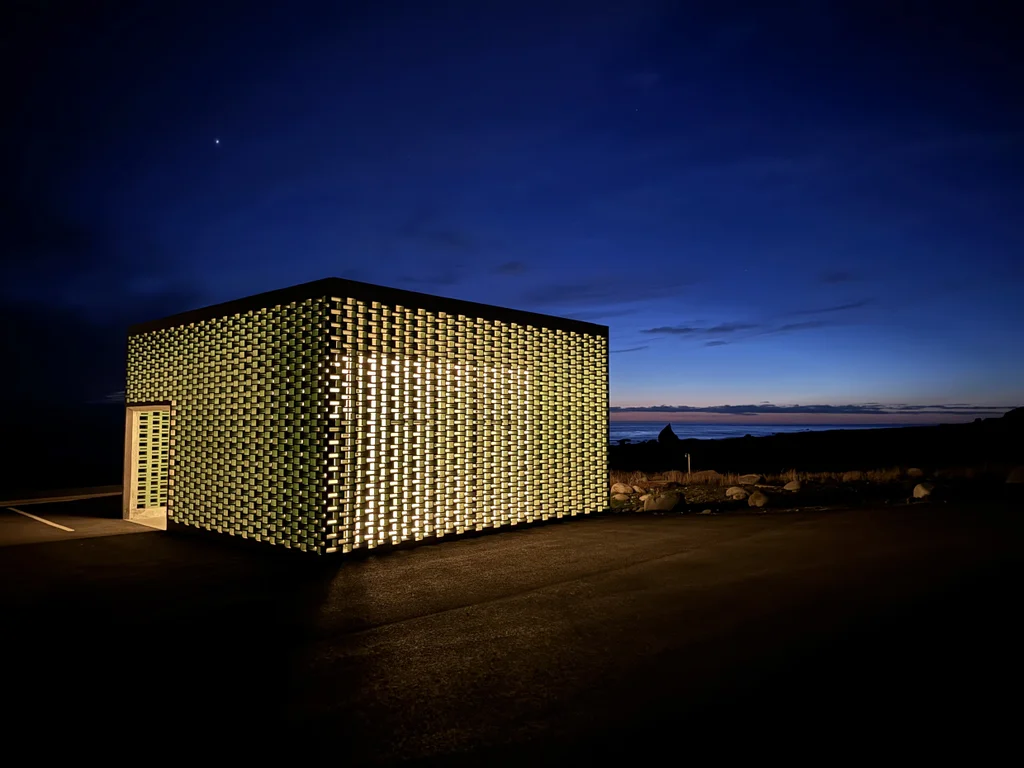
The phenomenon shines a light on a lesser-known aspect of Norwegian infrastructure and architectural philosophy: the elevation of essential travel necessities into celebrated works of public art. While Visit Norway has maintained a digital directory highlighting its public toilets for several years, the enduring popularity of these facilities stems entirely from their dramatic integration into the landscape, featuring visionary architectural designs that far surpass the standard roadside restroom.
Among the standout locations showcased on the viral web page is the Stegastein Lookout restroom, perched dramatically over a deep fjord. Designed by renowned architects Todd Saunders and Tommie Wilhelmsen, the structure offers visitors a striking visual experience and previously earned a prestigious Norwegian National Construction Prize for its innovative approach to blending human infrastructure with the natural world.
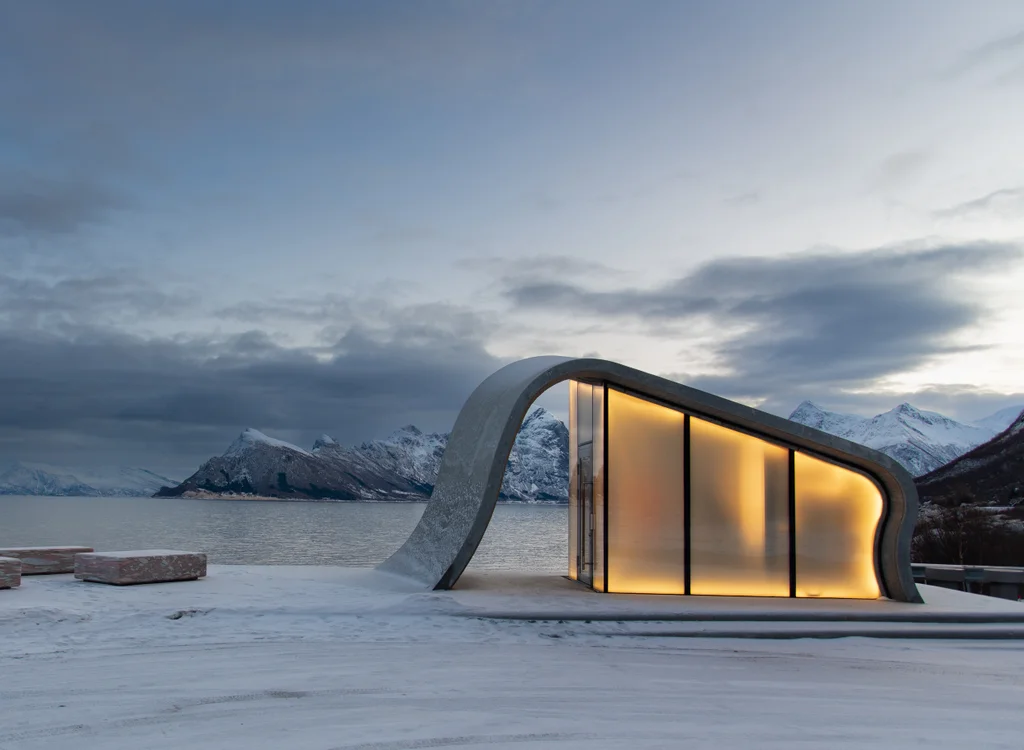
Another crown jewel of the Norwegian Scenic Routes featured on the platform is the restroom facility located at Ureddplassen. Situated along a coastal scenic area that also serves as a solemn seaside memorial honoring those who lost their lives when a Norwegian submarine was struck by a German mine during World War II, the structure has achieved global renown. Designed by Haugen/Zohar Architects, the facility is housed inside a fluid, wave-shaped building crafted from poured concrete and finished with frosted glass windows. International travel publications and architecture critics have frequently dubbed it “the world’s most beautiful public loo,” drawing travelers from around the globe who come to marvel at its form.
The inclusion of these architectural marvels along remote travel corridors is far from accidental; it reflects a deliberate national strategy to harmonize human intervention with fragile natural ecosystems. Anne-Signe Fagereng, the head of consumer marketing at Visit Norway, explains that design plays a critical and intentional role in shaping how visitors experience the country’s rugged geography.
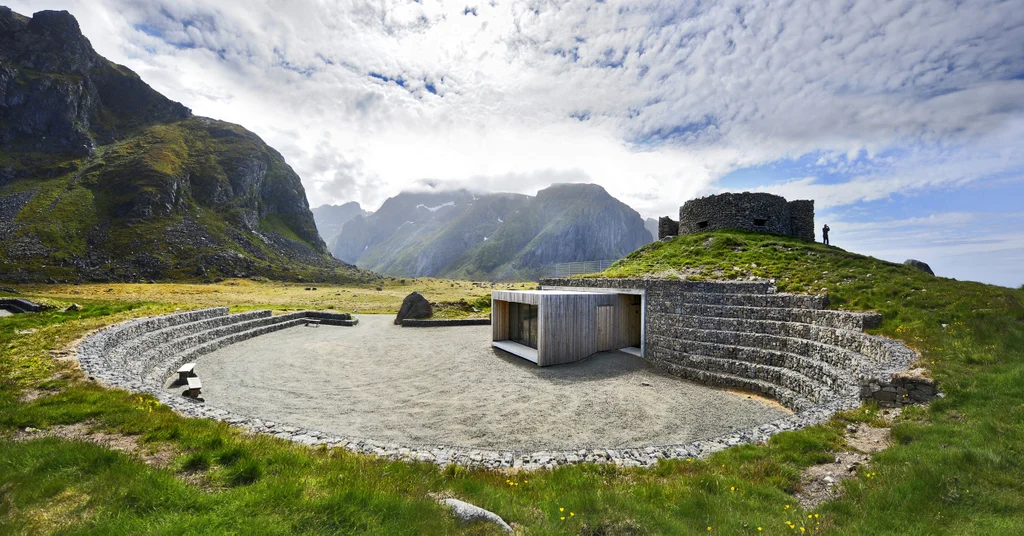
“Along the Norwegian Scenic Routes, architecture and design are used deliberately to enhance the experience of traveling through some of Norway’s most dramatic landscapes,” Fagereng notes. She emphasizes that leading architects have been commissioned specifically to design rest stops, viewpoints, and public toilets that fit seamlessly into the surrounding terrain rather than disrupting it. Many of these projects have secured international architecture awards over the years, steadily transforming practical roadside amenities into primary tourist attractions in their own right. Travelers frequently make a point to visit them, photograph them, and, as Fagereng points out, use them.
From a structural and environmental perspective, the strategy serves a dual purpose. Providing well-designed, functional stops in remote areas helps alleviate the ecological pressure on nature, ensuring that high visitor volumes do not compromise the pristine wilderness. Furthermore, it ensures that remote regions remain accessible and comfortable for a wide range of travelers, effectively transforming a mundane and necessary travel break into an integral part of the overarching cultural and visual experience of journeying through Norway.