If you walk through the children’s furniture section of a major American big-box retailer like Target or Walmart, you are immediately offered a predictable glimpse into what adults traditionally assume children like. It is a world sharply divided by color codes—typically pink for girls and blue for boys—accompanied by an endless parade of cartoon bunnies, racing cars, and Disney princesses emblazoned across bed frames, storage bins, and step stools.
Yet, this raises a fundamental question that the children’s design industry rarely confronts: Do kids actually want all of this visual noise, or have adults simply stereotyped them into conformity? Industrial designer Hanne Willmann strongly suspects that society persistently underestimates children’s innate ability to appreciate clean, thoughtful, and minimalist design.
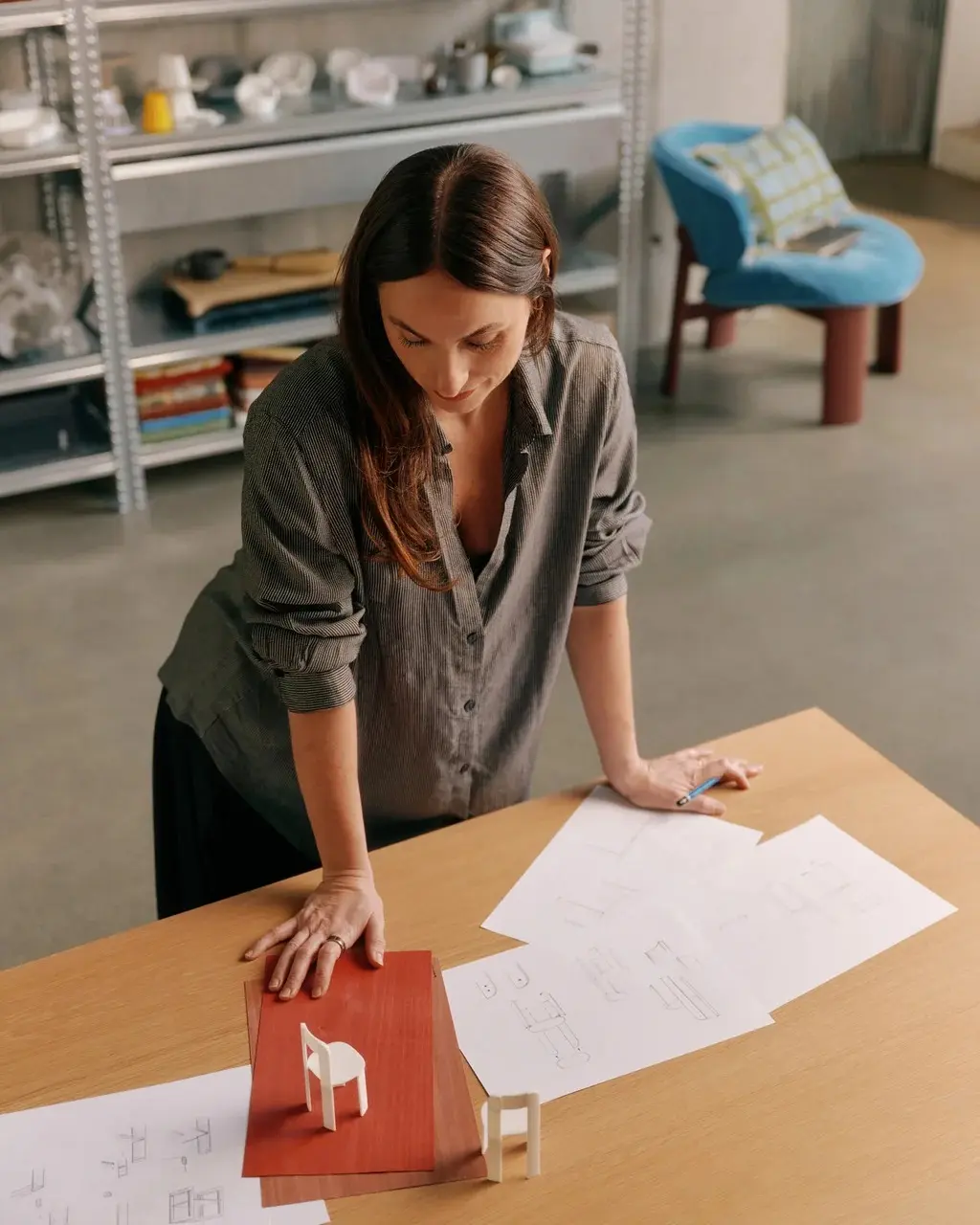
Willmann, a Berlin-based industrial designer and the founder of Studio Hanne Willmann, has spent the better part of a decade carving out a prominent reputation for making sophisticated, high-end products for grown-ups. Her portfolio includes sleek chairs and plush sofas designed for Freifrau, elegant dining and occasional tables for Favius, and refined lighting solutions for Hartô Designs. Today, in a fascinating and unexpected career twist, Willmann is expanding her creative footprint by taking on the role of chief design officer for Piccalio, a rapidly growing, six-year-old Los Angeles-based children’s furniture startup.
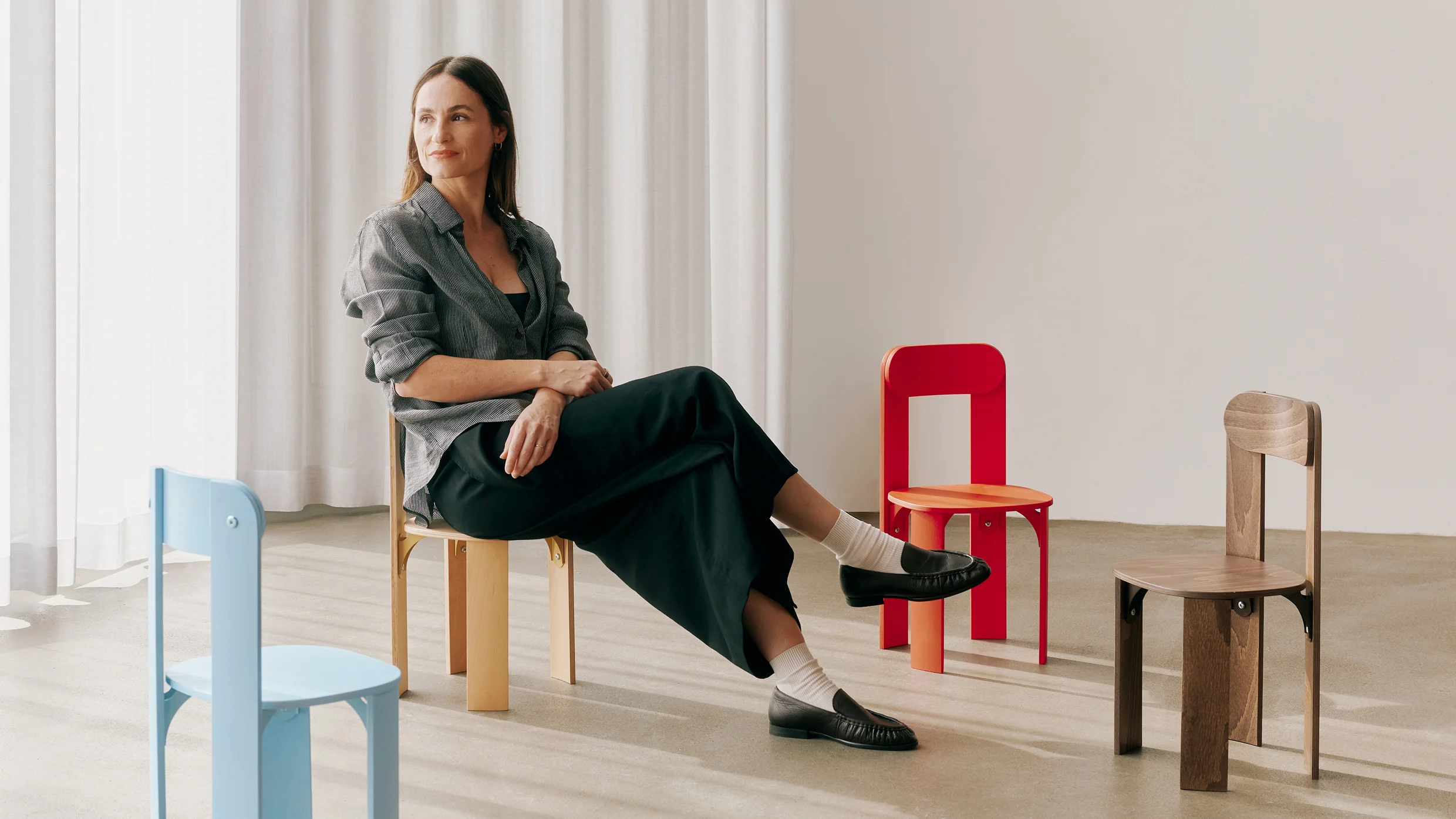
Willmann’s debut collection for Piccalio—consisting of a meticulously crafted table and chair set made of carved wood—neatly reflects her broader philosophy on designing for children. The pieces, which draw subtle aesthetic inspiration from a classic 1970s Swiss chair, expertly blend the natural warmth and simplicity of wood with unexpected, fluid curves. Willmann firmly believes that pieces like these will naturally appeal to both parents striving for a cohesive home aesthetic and children themselves, who will gradually cultivate an early, discerning taste for good design rather than growing accustomed to disposable, gimmick-driven novelties.
A European Approach to Functional Childhood Spaces
The appointment of a prominent European industrial designer to helm a children’s furniture brand is not an isolated experiment, but rather part of a rich, century-old history of European designers bringing their sophisticated architectural and functional skills to the domain of children’s environments.
This tradition dates back to the avant-garde movements of the early 20th century. Notably, designer Alma Siedhoff-Buscher designed an innovative suite of children’s furniture for a model house featured at the landmark 1923 Bauhaus exhibition in Weimar, Germany. In true Bauhaus fashion, every single piece in her collection was intentionally multipurpose, blurring the lines between furniture and play. A standard dresser cabinet could easily transform into a miniature puppet theater, while a functional changing table was ingeniously engineered to double as a child’s writing desk.
Decades later, in the 1930s, legendary Finnish designer Alvar Aalto turned his attention to the domestic sphere by crafting a scaled-down children’s version of his famous three-legged Artek stool. That simple, sturdy, stackable wooden stool went on to become a permanent fixture in Scandinavian schools, daycare facilities, and nurseries for generations, proving that children do not require specialized babyish motifs to thrive in their physical surroundings. Similarly, in Norway, industrial designer Peter Opsvik revolutionized the global parenting market with his iconic Tripp Trapp chair for Stokke, a remarkably adjustable high chair designed to grow alongside a child from infancy straight through to adulthood, which has since cemented its status as a global best-seller.
The Origin of Piccalio and Its Rise in the U.S. Market
The founders of Piccalio—Ali Tavsanoglu and Aneta Kostic, a married couple who first met in the United Kingdom and now reside in Los Angeles—drew direct inspiration from this rich European lineage of thoughtful, long-lasting design. They officially launched the startup in 2020, driven largely by personal frustration after spending a tiring afternoon shopping for functional, aesthetically pleasing furniture for their own niece and nephews.
As they scoured the market, they realized that a vast majority of children’s products available in the United States were disappointingly low in quality, heavily covered in loud graphics and distracting primary colors, and completely inconsistent with the clean, neutral aesthetics of a modern home. They saw a glaring market gap for children’s furnishings that respected both the intelligence of the child and the interior design sensibilities of the parents.
For their very first product, Tavsanoglu and Kostic wanted to create something genuinely practical and safe: a sturdy step stool that would allow young children to safely assist their parents in the kitchen. They engineered a durable wooden "toddler tower" equipped with a secure safety railing that safely lifts small children up to counter height, enabling them to safely reach kitchen countertops and sinks to participate in daily household activities.

They began their entrepreneurial journey quite modestly, initially selling the $249 product through online marketplace Etsy. However, the product quickly struck a chord with modern parents and turned into a massive breakout success. Buoyed by this unexpected momentum, the founders decided to launch their own dedicated e-commerce website.
On their platform, they expanded their catalog to include a $499 children’s bed that subsequently earned prestigious product design awards from prominent lifestyle publications like Domino and Good Housekeeping. As the brand gained traction for its minimalist aesthetic and reliable craftsmanship, its distribution footprint expanded beyond its direct-to-consumer website. Today, Piccalio products are also retailed through respected curated platforms and specialty children’s retailers, including Babylist, Maisonette, and Janie and Jack.
Since its humble inception in 2020, Piccalio has experienced explosive commercial growth, more than doubling its sales figures year after year. The Los Angeles startup now generates upwards of $10 million in annual revenue, signaling a significant broader shift in consumer demand away from cartoon-heavy plastic items and toward enduring, high-quality wooden furniture designed to seamlessly integrate into contemporary family life.