“China’s development has progressed at such a fast pace that we have lost the joy of living,” says Xie Ke, a Chongqing native and designer who fell in love with the mountain city of Dali in Yunnan province more than two decades ago. “It’s conventional wisdom to work hard when we’re young and enjoy the fruits of our labour when we’re old. Many Chinese, however, are starting to ask, ‘Why can’t I enjoy the present too?’”
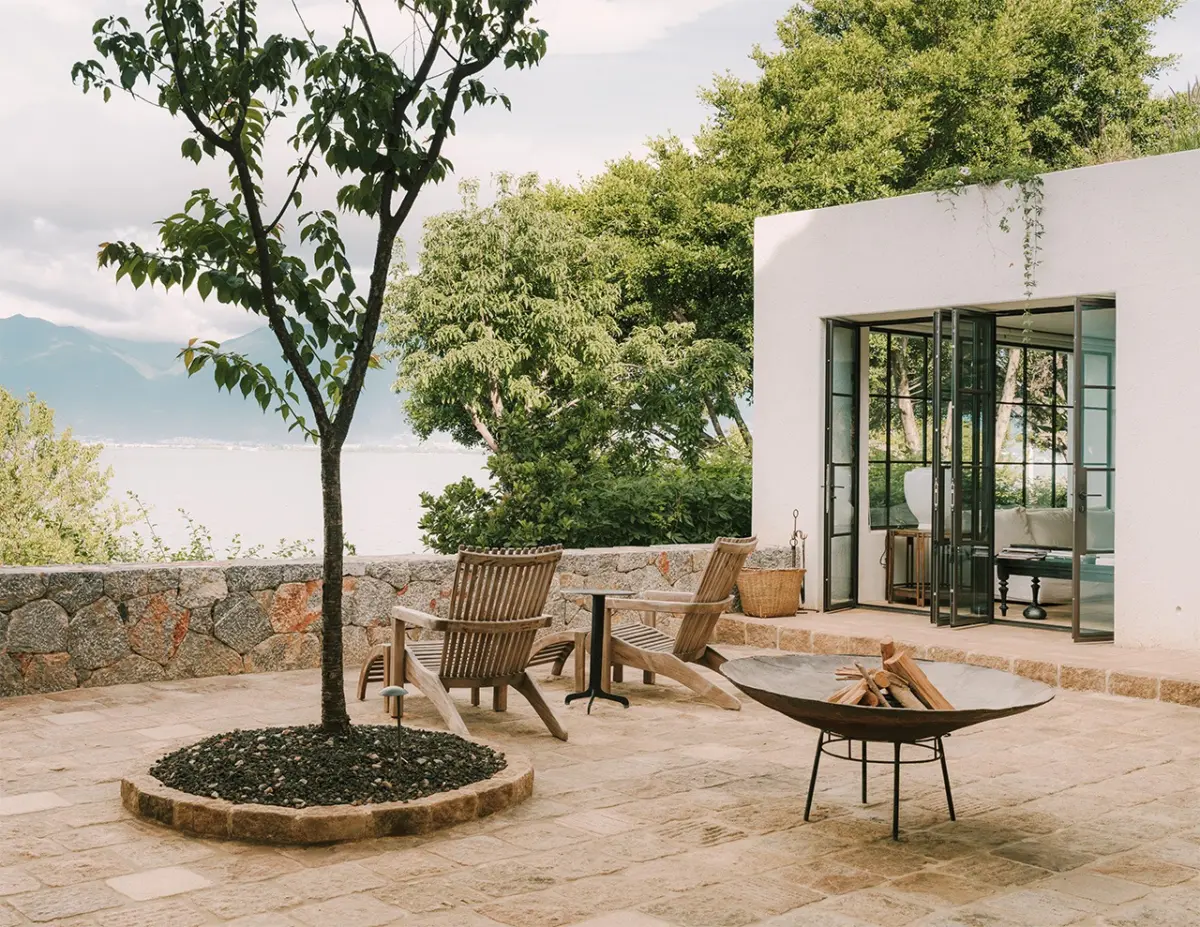
For a growing segment of China’s urban population, this question marks a profound ideological shift. Across the nation’s hyper-competitive megacities, the relentless pursuit of corporate advancement is increasingly giving way to a desire for sanctuary. Nowhere is this trend more visible than in Dali, a historic destination nestled 1,900 meters above sea level, flanked by the crystalline waters of Erhai Lake and the lush, towering peaks of the Cangshan mountains.
Dali’s subtropical highland climate, breathtaking natural scenery, and notoriously languid pace of life have long captivated travelers. However, the city is no longer merely a weekend getaway. According to a recent report published by the Dali Bai Autonomous Prefecture People’s Government, the number of internal migrants relocating to the area surged to 407,000 in 2025—representing a dramatic 49 per cent increase from the previous year.
Burnt out by the relentless grind of corporate urban life, the suffocating expectations of the infamous “996” work culture—where employees toil from 9:00 to 21:00, six days a week—and the soaring cost of living in major hubs like Beijing, Shanghai, and Shenzhen, a rising demographic is finding refuge in Yunnan. An increasing number of young professionals, typically hailing from stable middle-class families, are choosing to drop out of the traditional rat race altogether. Instead, they are opting to tang ping, or “lie flat,” seeking a radically different existence in Dali’s welcoming embrace.
An Independent Spirit and a Haven for Creatives
Dali’s historical reputation for inclusivity and open-mindedness has long made it a beacon for big-city escapees. Located within China’s most ethnically diverse province—home to 25 officially recognized minority groups—the region offers a social and cultural fabric far removed from the rigid administrative rules and corporate conformity of China’s eastern economic powerhouses.
Centuries ago, a famous Chinese idiom captured the sentiment of regions far removed from central political control: “The mountains are high and the emperor is far away.” In Dali, this historical remoteness has fostered a fiercely independent spirit. The combination of a relaxed, sun-soaked lifestyle, creative freedom, and stunning landscapes has even drawn frequent comparisons to the American state of California, inspiring the slightly colloquial portmanteau: "Dalifornia."
This expansive sense of space and freedom is what originally drew Xie Ke to the region in 2004, after he made the momentous decision to quit his high-pressure job as an interior designer.
“When you’re not hemmed in by tall buildings and crowded streets, the environment can impact you in big ways,” Xie reflects. “In Chongqing, I was busy every day but didn’t know what I was busy with. I was just trying to survive and began to dislike that more and more.”
Early visits to Dali allowed him to pause, reflect, and take stock of his trajectory. During his travels, he stayed in small, independent hostels and guesthouses founded and managed by proprietors who were intimately involved in every aspect of their operations.
“They were industrious and the care in everything that they did really inspired me,” Xie says. “This is real living, where you put your heart and soul into all that you do.”
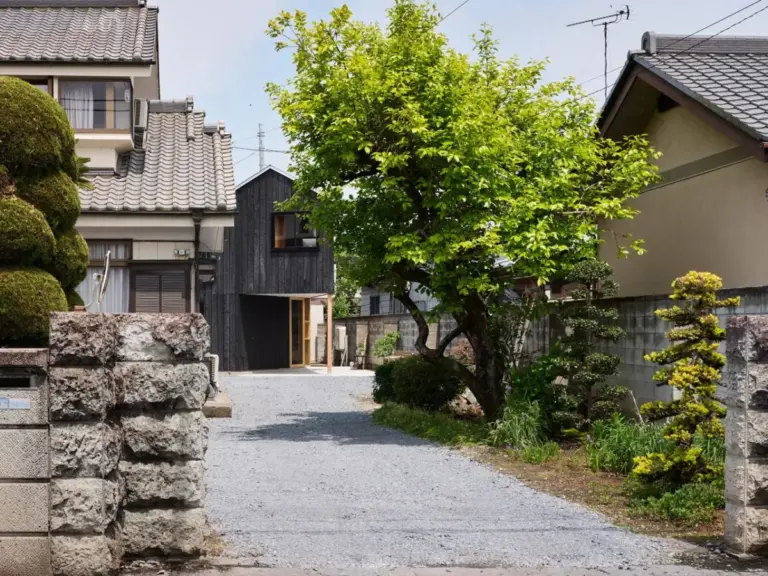
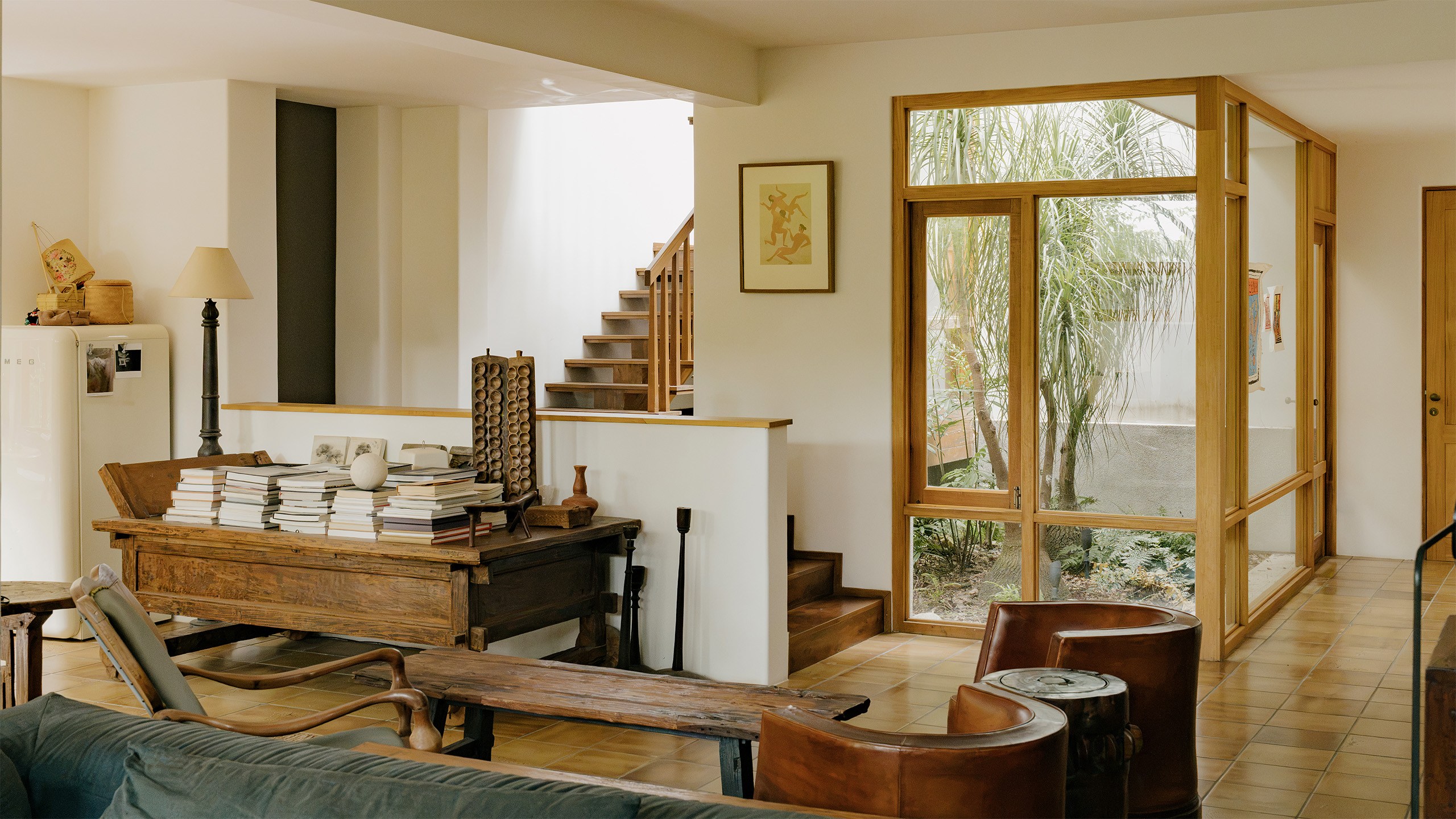
By 2006, Xie felt ready to return to Chongqing with renewed professional vigor, but Dali had left an indelible mark on his worldview. He ultimately decided to establish a second home in the city’s scenic Shan Shui Jian neighborhood. The architectural layout of his four-storey residence—where the main entrance leads directly down a flight of steps into a subterranean living space—embodies his core design philosophy: slowing down the tempo of daily life to allow individuals to appreciate the subtle, frequently overlooked details of modern existence.
Xie’s home, deeply inspired by Dali’s naturalistic setting and traditional rural Chinese architecture, has inadvertently helped set a aesthetic benchmark for a new wave of boutique hospitality projects across the region. Among them are Qing Shan 49, an intimate seven-room retreat, and Qing Shan Hot Spring, a tranquil thermal hideaway housed within a meticulously restored historic courtyard.
Gastronomic Renaissance and Hyper-Local Culinary Arts
It was a similar disillusionment with wealth-focused, high-stress city life that compelled chef Xu Kai to pack up his knives and move to Dali, where he ultimately opened his acclaimed restaurant, Trout.
Xu’s culinary pedigree is formidable. Following professional stints at high-profile establishments such as Eleven Madison Park in New York and The French Laundry in California, he spent a grueling year working in a high-end fine-dining kitchen in Shenzhen. Yet, despite the prestige, the lifestyle proved unsustainable.
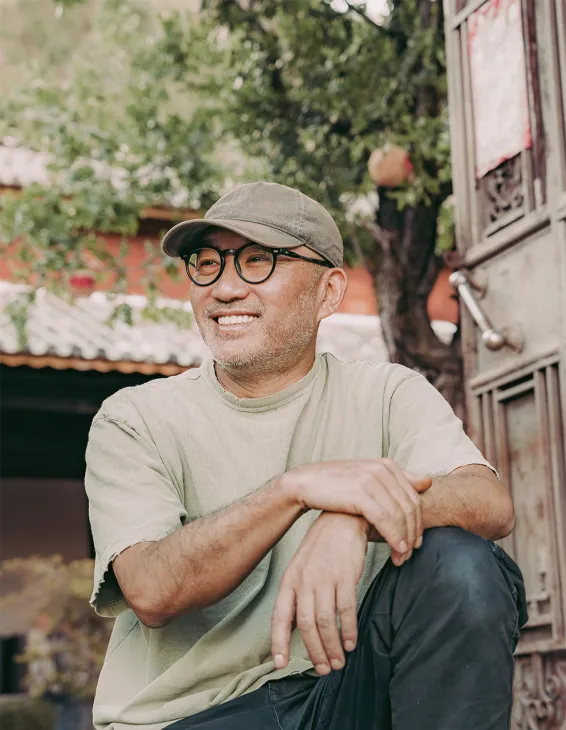
“There were few opportunities to be in nature and experience the local culture,” Xu explains. “Plus, half of my salary would go straight to rent.”
In 2022, Xu left his corporate culinary position and embarked on a soul-searching motorcycle road trip across China, eventually parking his helmet permanently in Dali. What ultimately convinced him to stay was the staggering variety, seasonality, and pristine quality of Yunnan’s regional produce—factors that have steadily attracted an entire vanguard of ambitious young chefs, restaurateurs, and specialty café owners to the area.
“Yunnan has the best ingredients because of the seasonality, quality, and diversity,” Xu notes.
In recent years, the region’s agricultural output has captured international attention. Coffee cultivated in Pu’er—traditionally known as China’s historic tea capital—has garnered global acclaim, alongside a burgeoning market for fine Yunnan wines. Furthermore, the province’s rich multicultural heritage, where diverse culinary traditions coexist side by side, offers endless opportunities for gastronomic exploration.
At Trout, Xu practices what he preaches by forging direct partnerships with local farmers, foragers, and small-scale producers. His menu relies entirely on regional treasures, ranging from sour honey harvested in the province’s dense rainforests and freshly foraged wild mushrooms to cured ham from Jianchuan county and sustainable catfish sourced from the Mekong River basin.
“All of the ingredients, wine, furniture, and crockery at Trout are from Yunnan,” he says, describing a hyper-local, eco-conscious philosophy that is rapidly spreading throughout the local business community.
This collaborative creative spirit is echoed by furniture designer Shun Li Li, known professionally as Dengzhou. Specializing in transforming leftover timber and scrap metal into striking sculptural pieces, Dengzhou originally moved to Dali from Wenshan in 2008 to attend university and simply never left.
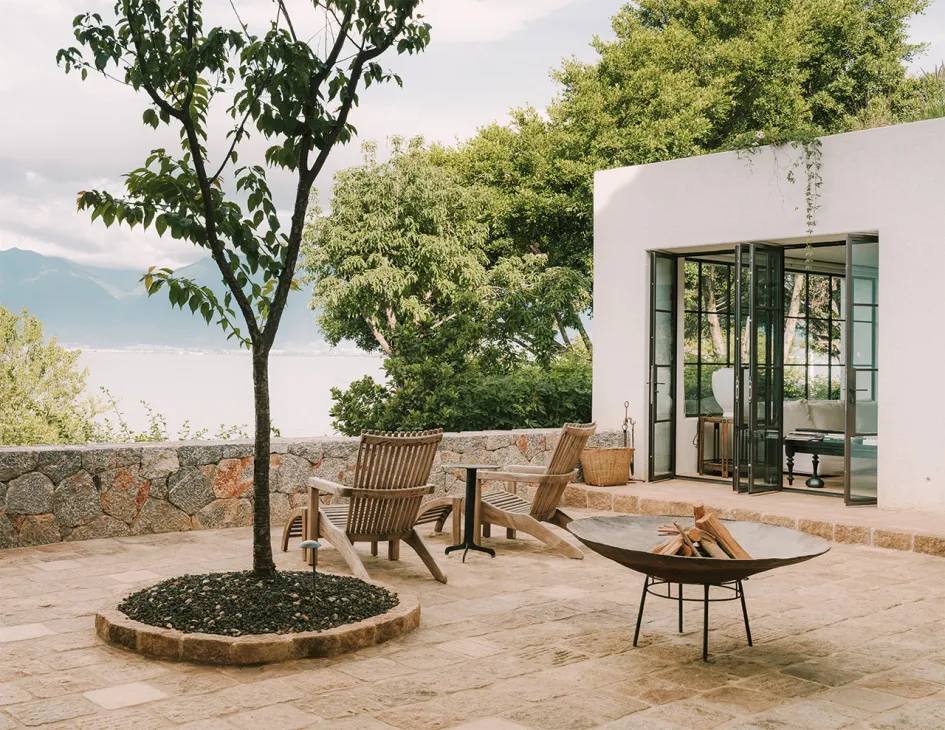
She credits Dali’s tight-knit, collaborative creative community as the primary anchor keeping her rooted in the mountain city.
“We do many things as one, from crafting to cooking and hiking,” she says.
This daily cross-pollination of ideas has continuously revitalized her artistic practice, inspiring her recent expansion into textile weaving. Eager to give back to the community that nurtured her career, Dengzhou is preparing to open a specialized homeware and lifestyle boutique designed to showcase and sell the works of fellow local artisans and independent designers.
Balancing Growth, Gentrification, and Community Integration
Despite its laid-back reputation, Dali is not entirely immune to the pressures of modern economic expansion. Foreign investment, corporate retail chains, and a steady influx of mass tourism are actively transforming the urban and rural landscape.
In nearby Xizhou—an ancient town renowned for its grand historical courtyards and bustling traditional markets—mainstream commercial brands have recently established a foothold in a small neighborhood, including popular bubble tea kiosk Heytea, coffee giant Luckin, and budget ice-cream chain Mixue.
Unsurprisingly, local rental prices have crept upward in response to the population boom, though they remain remarkably modest compared to China’s primary economic centers. Renting a fully furnished three-bedroom apartment in Dali’s historic old town currently costs approximately CN¥5,000 (€644) per month, a figure roughly 40 per cent cheaper than equivalent housing in central Shanghai.
This rapid popularity and the slow creep of gentrification have naturally elicited mixed feelings among long-term residents and early foreign settlers.
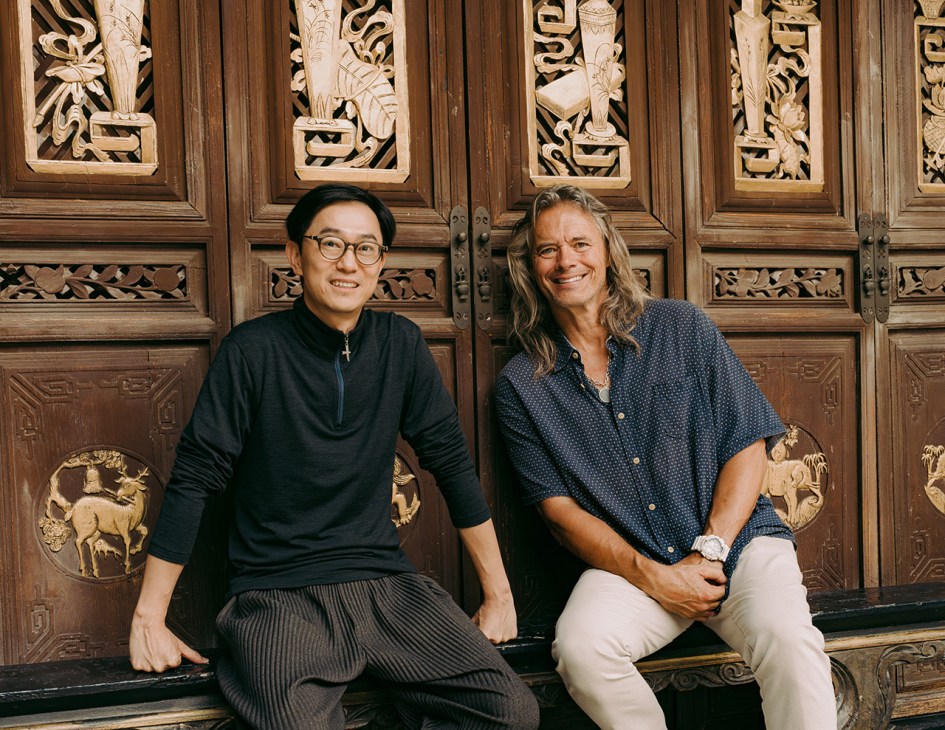
Brian Linden, an American entrepreneur who has lived in Dali for over two decades, acknowledges the complicated nature of the region’s recent transformation.
“I love China and appreciate the new energy of this new Dali, but I also feel that existing social structures have been impacted,” Linden reflects.
Linden is intimately familiar with Xizhou’s developmental trajectory. In 2008, he invested $1 million (€880,000) to painstakingly preserve a traditional Bai courtyard gatehouse, transforming it into the Linden Centre—a cultural hub and hotel dedicated to fostering deep cross-cultural dialogue.
“Because new migrants, including people like my family, often come to Dali with more financial resources and different social traditions, we tend to pick and choose our lifestyles and neighbours rather than immerse ourselves in the local way of life,” he cautions.
Nevertheless, concerted efforts are underway to bridge the gap between newcomers and the established community, ensuring that recent arrivals integrate respectfully into the fabric of Dali life. Wang Yiyang, the Dali-based founder of contemporary fashion label Zuczug, has actively partnered with the Linden Centre to organize immersion trips for his corporate employees and designers. These programs are designed to encourage meaningful collaborations between urban creatives and Yunnan’s traditional rural craftspeople.
Yujiang Mou, the CEO of the Linden Centre and a native of Dali, points to the tangible benefits that have emerged from the area’s recent evolution.
“When foreigners come here, locals learn from them how to run better businesses,” Mou observes. “This has given them fresh perspectives.”
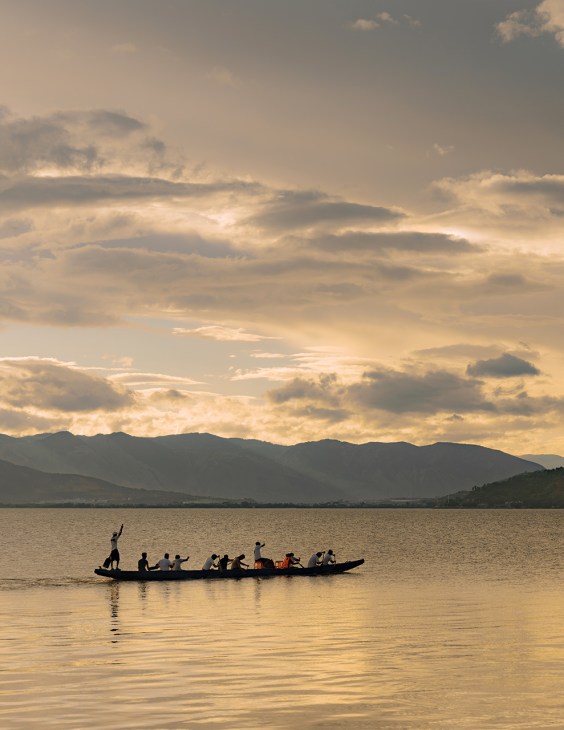
Furthermore, the surge in population and consistent visitor numbers has created viable economic incentives for younger generations of locals to remain in Dali rather than migrating to coastal megacities, enabling them to build sustainable enterprises close to home.
“I see many opportunities for young people here—for those who explore the world, equip themselves with the right skills, and then return home to start their own practice or enterprise,” Mou concludes. “Dali’s independent spirit will only continue to grow.”