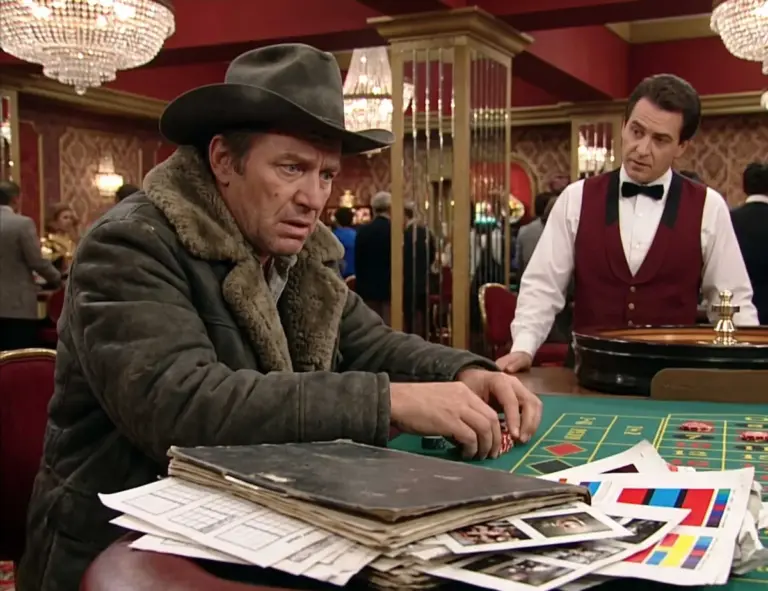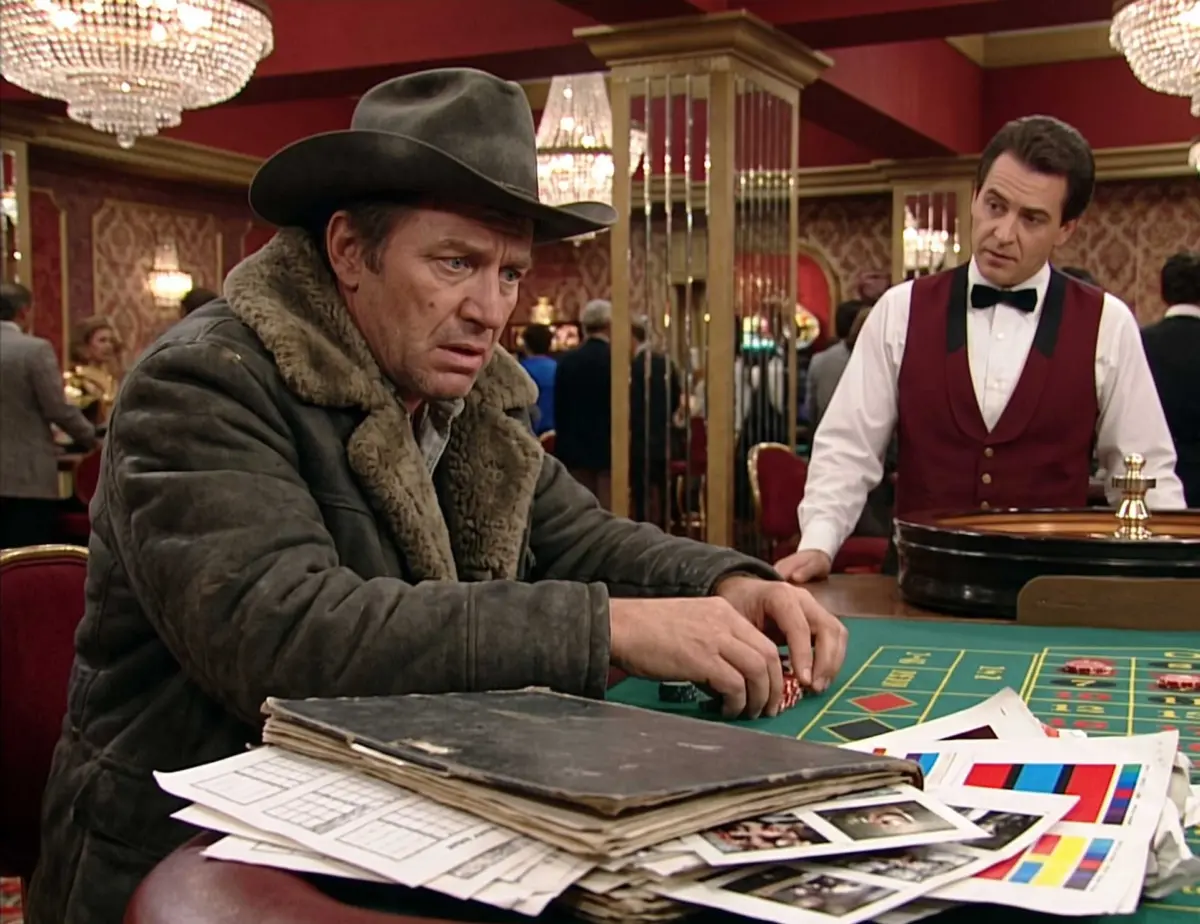
In the fast-paced and visually driven universe of motion design and animation, few topics spark as much quiet anxiety and debate as the traditional creative pitch. For studios, agencies, and directors alike, the pitch represents a foundational paradox of the modern creative economy: Is the immense expenditure of time, emotional energy, and financial resources a calculated investment in future growth, or is it simply an expensive, high-stakes gamble where the house usually wins?
Claus Cibils, Executive Creative Director at Nerdo, tackles this persistent industry dilemma head-on in the latest installment of a prominent guest editorial series. Published on Stash Media, Cibils’ essay—titled We Love Pitching: Chronicles of a Necessary Mess – Part 22—examines the heavy toll that the pitching process takes on creative businesses. Through a critical lens, the article questions whether studios have unwittingly normalized a broken system where companies essentially pay for the privilege of competing for work.
The Cost of Doing It Wrong: Place Your Bets
Within the motion design sector, pitching is almost universally framed by industry stakeholders as an "investment." Proponents argue that a well-crafted pitch serves as a vital gateway, allowing a boutique studio or an ambitious director to step into a room they would otherwise never access. It provides a platform to pitch concepts to tier-one agencies, introduce fresh creative perspectives to clients who may not realize they need them, and experience the adrenaline rush of high-level creative competition.
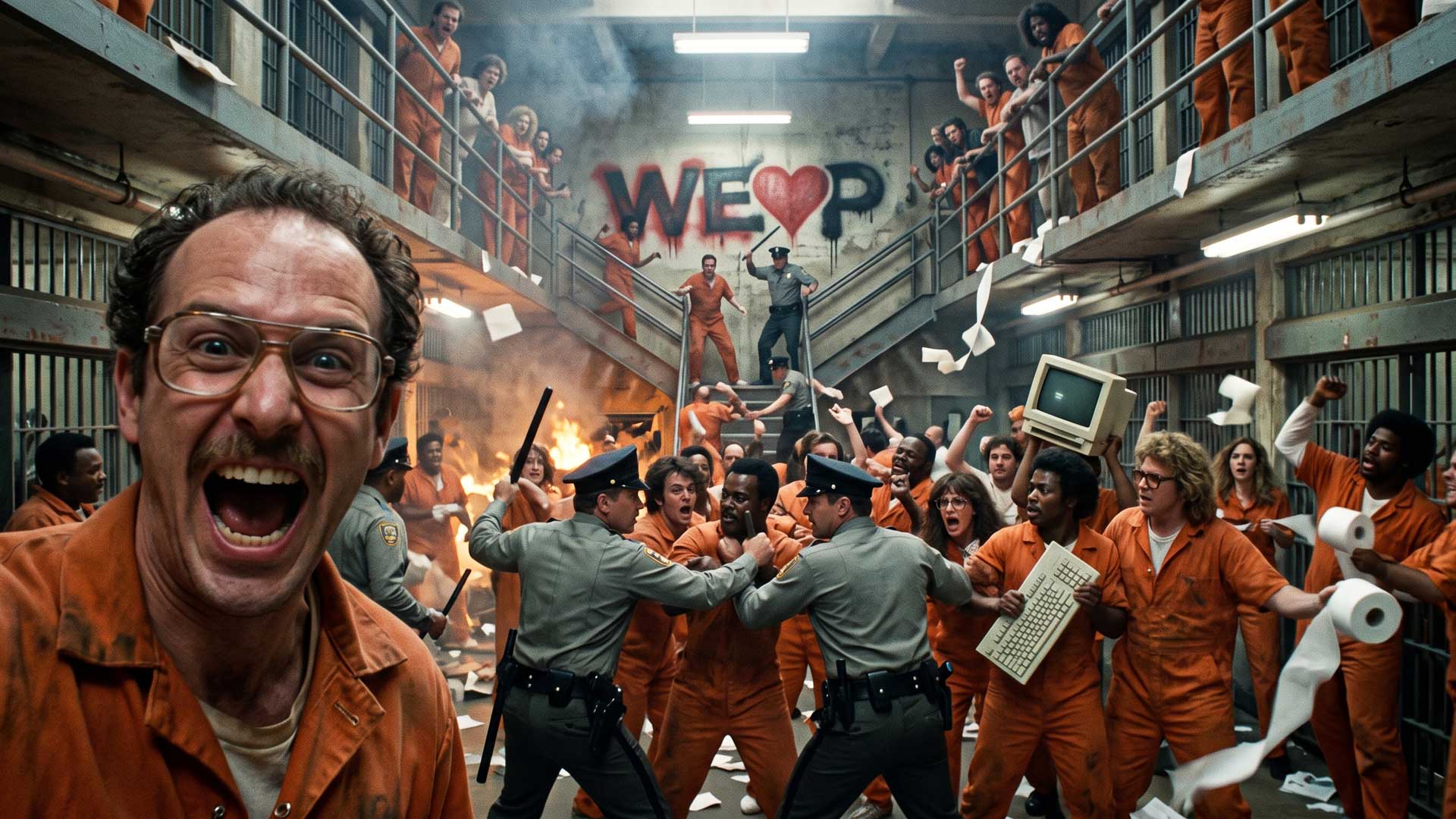
Yet, this optimistic narrative often clashes with the harsh economic realities of running a modern creative enterprise. If an agency or studio enters ten pitches with an optimistic win rate of 30 percent, they will secure roughly three projects while absorbing the operational costs of all ten attempts. The remaining seven unsuccessful pitches must still be conceptualized, designed, and presented, requiring valuable billable hours, software resources, and team bandwidth.
When the majority of pitch attempts ultimately fail to translate into signed contracts, the word "investment" begins to feel like a convenient euphemism. For most creative companies, it is the bread-and-butter work—returning clients, ongoing relationships, and organic projects that arrive without a competitive bake-off—that keeps the studio lights on and subsidizes the uncompensated labor lost to unsuccessful pitches.
Compounding the problem is the blurred line between genuine creative development and unpaid problem-solving. By the time a pitch deck is finalized and presented to a prospective client, the hours logged on timesheets can look identical. However, those hours often serve radically different functions. Some time is dedicated to exploring innovative ideas and pushing visual boundaries, while an equally significant portion is spent compensating for incomplete briefs, delayed client feedback, and strategic conversations that should have taken place long before the pitching phase began.

Sunk Costs and the Cycle of Competition
As more resources are poured into a competitive pitch, psychological factors take over. The familiar refrain of "we have already put so much into this project" frequently becomes the primary driver for pushing forward. Walking away from a pitch starts to feel like a complete waste of accumulated effort, while continuing down the path feels like a necessary step to protect the initial outlay. Driven by the hope that a victory is just around the corner, teams invest another day, another meeting, and another round of revisions.
The stakes vary depending on where a company sits within the industry ecosystem. An established advertising agency might be chasing a lucrative multi-year corporate account, while a specialized animation studio might be vying for a single high-profile commercial film. A director, meanwhile, may view the pitch as an opportunity to secure a portfolio piece that opens entirely new doors for future career advancement.
However, this creates a cascading cycle of competition. Once an agency successfully captures a major account, that win immediately triggers another round of pitching down the line. Independent studios and directors must then compete fiercely against one another to win the production contract for the campaign, once again investing their own capital to develop concepts for work they may never actually produce.
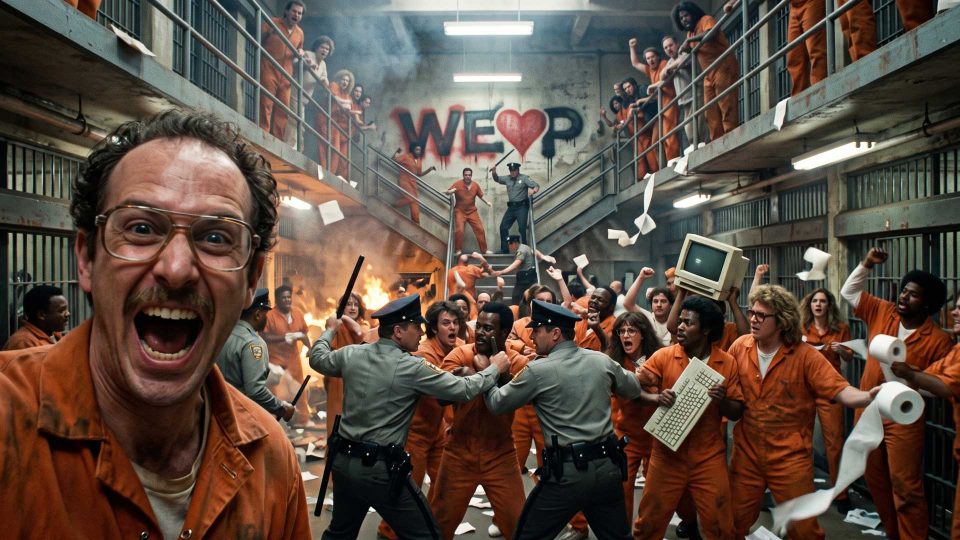
While a successful pitch can undoubtedly catalyze studio growth and foster valuable new client relationships, a lost pitch typically leaves behind little more than an unaddressed financial invoice. These losses draw directly from the exact operational capital that independent businesses need to build long-term stability.
Challenging the Status Quo of Creative Pitches
Cibils points out that the financial and human capital drained by constant pitching could otherwise be funneled into crucial internal development. Studios often defer their own long-term goals—such as launching original personal projects, funding award ambitions, attending industry conferences, hiring specialized talent, and upgrading hardware and software infrastructure—waiting for a moment "when things calm down."
Instead, because the industry demands continuous pitching to secure a pipeline of future work, creative companies find themselves trapped in a cycle where they feed the very process that strains their resources. This dynamic leads to uncomfortable systemic questions within the creative community: Have industry leaders consumed so much internal marketing that every risky bet is automatically classified as an investment? Are companies inadvertently starving their own business growth to feed the pitch machine? Ultimately, are creative professionals paying for the right to be hired?
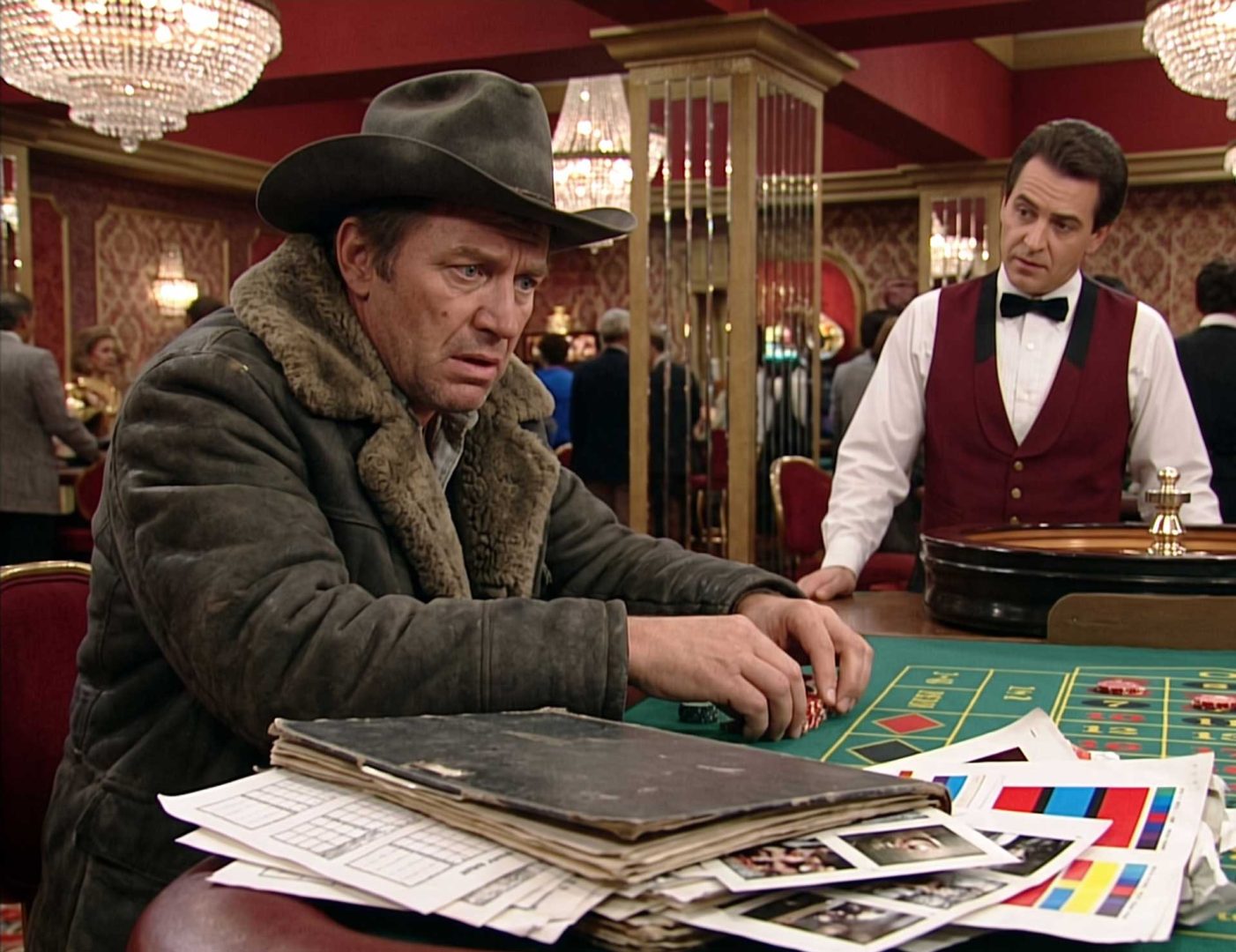
To foster a healthier creative ecosystem, industry observers suggest that it is time to fundamentally reexamine how the game is played. While data from market research firms like SCOPEN—which tracks pitch win rates hovering between 32.5 percent and 37 percent in regions like Chile and Spain—indicates that roughly one in three pitches succeeds, the structural inefficiencies of the process continue to weigh heavily on creative talent.
As the discussion around the ethics and economics of pitching continues to evolve across digital and professional platforms, voices like Claus Cibils and platforms like Stash Media aim to provoke a broader industry reckoning. The ongoing dialogue challenges agencies, clients, and studios alike to rethink pitching practices, reduce unnecessary waste, and build a more sustainable future for the animation and motion design community.