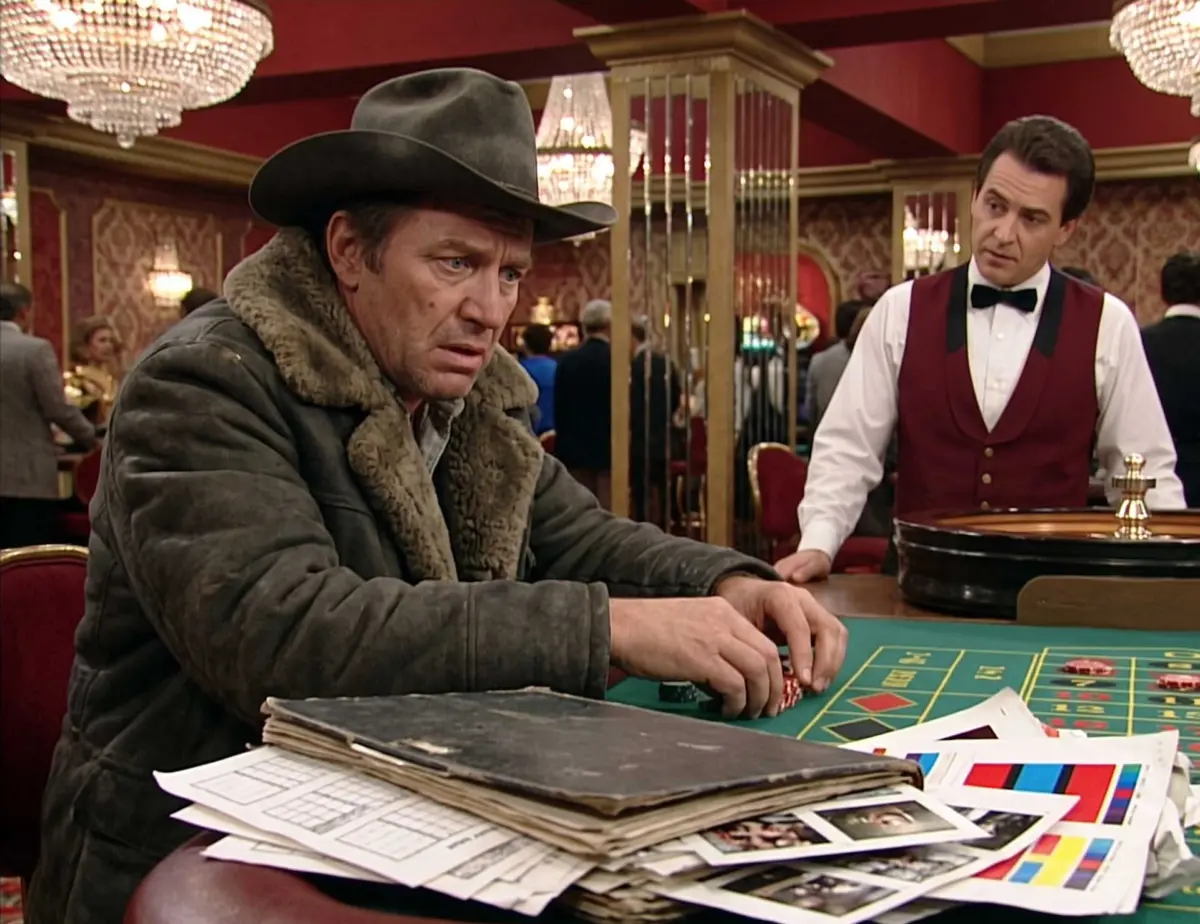
In the fast-paced, highly competitive world of motion design and animation, few topics spark as much debate, exhaustion, and quiet resignation as the pitch process. It is the invisible engine driving the industry forward, yet it remains one of its most persistent economic paradoxes. For creative studios, directors, and agencies alike, pitching offers a gateway to prestigious accounts and high-profile projects that would otherwise remain out of reach. But beneath the surface of glossy presentations and creative fervor lies a sobering question that refuses to go away: Is the staggering investment of time, effort, and capital required to secure a pitch truly a strategic investment, or has it quietly mutated into an expensive gamble where creative companies pay for the privilege of being hired?
Claus Cibils, Executive Creative Director at Nerdo, tackles this foundational conundrum head-on in the latest installment of his ongoing editorial series for Stash Magazine, titled "We Love Pitching: Chronicles of a Necessary Mess — Part 22. The Cost of Doing It Wrong — Part I: Place Your Bets." As Cibils points out, the industry has long relied on comforting terminology to justify the heavy toll of pre-production pitching, routinely labeling the process an "investment."
On paper, the logic holds up. A pitch can successfully maneuver a boutique studio into a high-level room no one would otherwise invite them to. It provides an advertising agency with a legitimate shot at winning a lucrative multiyear account. It allows creative teams to place an entirely fresh, unexpected perspective in front of a client who may not have even realized they needed it. Above all, it feeds the intrinsic thrill of creative competition that drives many artists into the commercial sector in the first place.
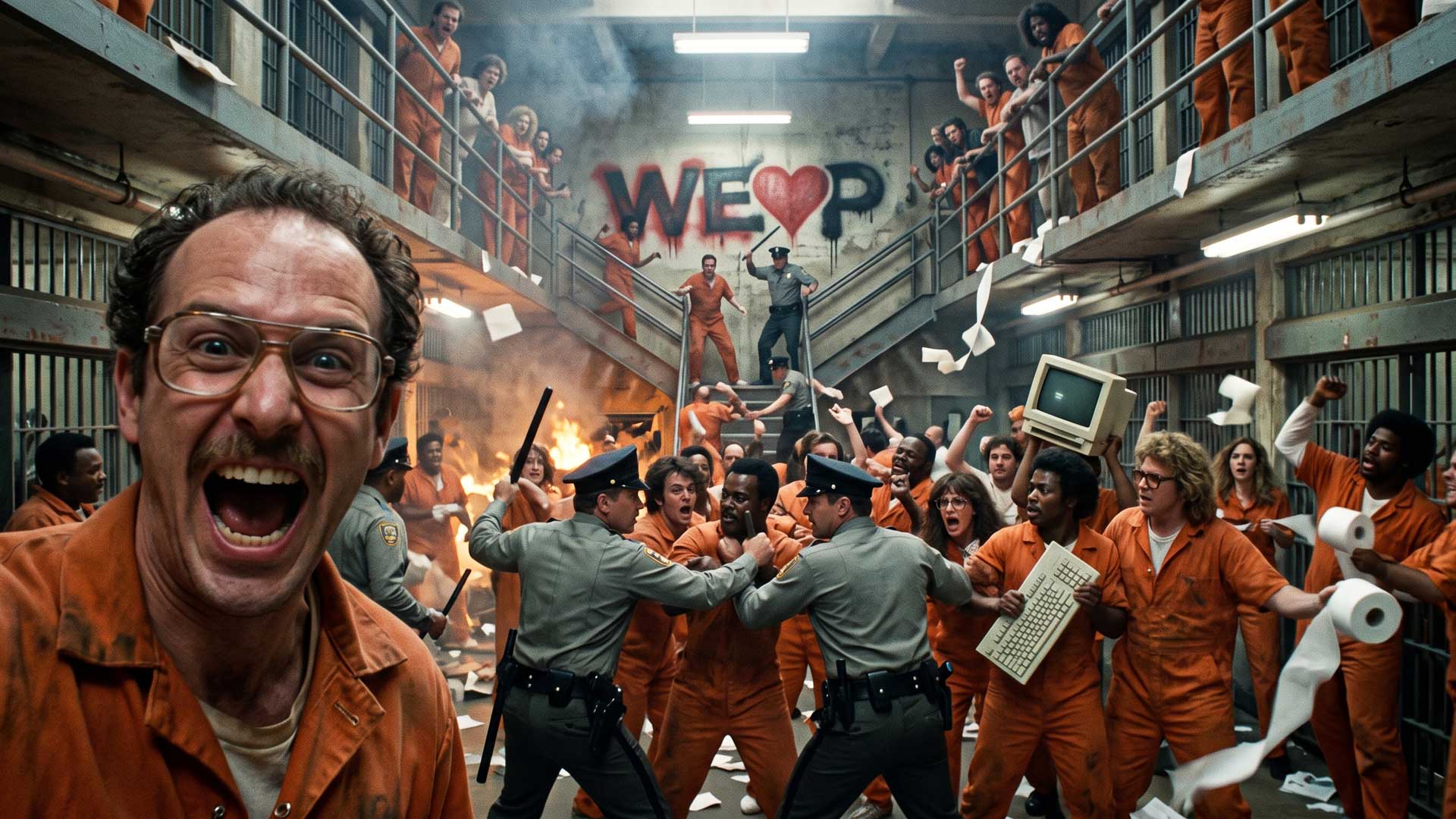
Yet, beneath the glossy veneer of industry optimism, the math behind pitching reveals a punishing financial reality for most creative enterprises. Consider a baseline operational scenario within the commercial sector: a studio submits ten pitches with an estimated success rate of roughly thirty percent, resulting in about three wins. Crucially, the studio must pay entirely out of pocket for the resources, labor, and overhead required for all ten attempts. Under these conditions, the comforting descriptor of an "investment" begins to warp, sounding increasingly like a convenient linguistic spin applied to a system where the vast majority of attempts yield zero direct financial return.
In practice, it is the reliable foundation of returning clients, ongoing retainer projects, and unpitched jobs that ultimately keeps the studio lights on. More critically, that steady revenue stream is quietly diverted to subsidize the mounting pile of unpaid, lost pitches. Meanwhile, the core day-to-day work that actually generates revenue still demands intense focus, forcing creative teams to juggle active client projects alongside speculative labor.
Pitching inherently demands uncompensated hours, financial capital, internal resources, and deep cognitive thought—all rolled out on the mere possibility of securing something bigger, long before any formal contract has been signed or a single dollar of production budget has been secured. As Cibils observes, a significant portion of this preliminary effort goes toward genuine creative ideation and visual development. However, an equally substantial portion is often spent simply compensating for inadequate information, delayed conversations, and strategic decisions that should have been hammered out by clients long before the brief ever crossed a studio’s threshold.

By the time a team reaches the final presentation phase, these disparate hours often look completely identical on a standard employee timesheet. In reality, they have performed vastly different functions, masking operational inefficiencies under the guise of artistic ambition.
At that advanced stage in the pipeline, psychological momentum takes over. The familiar refrain of "we have already put so much into this project" quickly hardens into the primary justification for keeping the engine running. Walking away starts to feel uncomfortably like wasting a sunk investment, while pushing forward feels like the only rational way to protect what has already been spent. Another day of overtime, another team member pulled off a billable project, another exhaustive revision round—driven entirely by the lingering, seductive belief that success might still be just around the corner.
The stakes, of course, vary wildly depending on where a company sits in the commercial food chain. An advertising agency might be chasing a massive, multiyear corporate account that promises long-term stability. A boutique animation studio might be gambling everything on a single ambitious cinematic film. A freelance director might be pitching a stylized treatment simply to open a completely different career door for the future. Each scenario carries vastly different financial stakes, yet they all share the fundamental vulnerability of risking unrecovered capital for uncertain returns.
This creates a recursive, cascading cycle throughout the entire creative ecosystem. Once an agency finally wins a major account, it has successfully secured funded work from a client. But that very victory immediately triggers yet another high-stakes pitch cycle: multiple independent animation studios and directors must now fiercely compete against one another for the privilege of executing the campaign. Once again, multiple creative teams absorb the heavy financial burden of developing sophisticated visual concepts for a job that only one of them will ultimately get to make.
Undoubtedly, a rigorous pitch can occasionally act as a catalyst for creative and business growth. Even a lost pitch can sometimes leave behind a valuable new professional relationship, a brilliant stylistic concept worth repurposing later, or a door that remains open for future collaborations. Too often, however, the only tangible takeaway is an unpayable invoice. That financial loss is then absorbed directly by the very business enterprise that is desperately trying to scale and survive.
This dynamic inevitably forces a hard look at internal resource allocation. Most creative businesses have a backlog of visionary proprietary projects, personal shorts, and award ambitions that are perpetually sidelined, waiting for the mythical moment "when things finally calm down." At the same time, these companies are trying to fund essential business improvements: attending industry conferences, networking with key decision-makers, recruiting top-tier talent, conducting internal team training, upgrading hardware and software infrastructure, or bringing in specialized business development personnel.
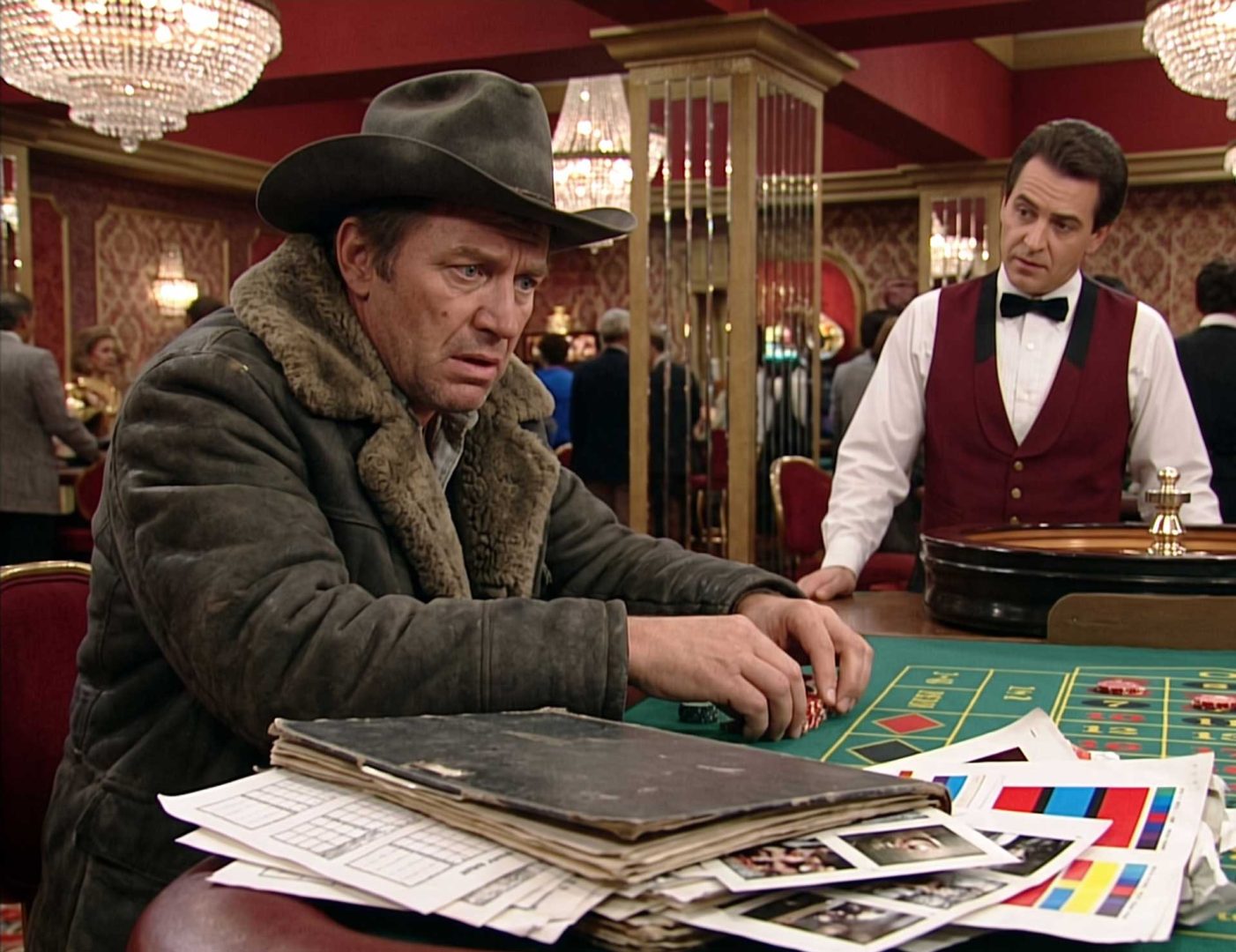
These foundational efforts represent the true mechanisms for building a studio’s long-term capacity to execute exceptional work. Yet, because the market demands speculative pitching as the undisputed price of admission, studios find themselves repeatedly redirecting their capital away from internal growth and straight into the speculative lottery of the pitch deck.
This pervasive reliance forces a stark, uncomfortable question for industry leaders navigating the modern commercial landscape. Have creative professionals consumed so much of the industry Kool-Aid that every speculative financial bet is automatically categorized as a strategic investment? Are studios inadvertently feeding the very pitch mill that drains the financial health of the businesses they are trying to scale? In short, are modern creative companies essentially paying out of pocket just for the opportunity to get hired?
As Cibils and the broader ongoing dialogue behind the Stash Magazine series emphasize, the objective is not necessarily to abolish the pitch entirely, but to fundamentally change the way the game is played. While industry reference points like the 2025 SCOPEN studies—which report pitch win rates hovering between 32.5 percent and 37 percent among creative firms in regions like Chile and Spain—provide helpful context, the underlying structural burden remains universally felt across the global animation community.

The conversation continues to resonate across the motion design and animation sectors, encouraging studio leaders, creative directors, and producers to reevaluate the true cost of chasing the next big job. As the industry looks toward a more sustainable future, the push to reform the pitching ecosystem remains a vital undertaking for those striving to balance creative ambition with economic survival.