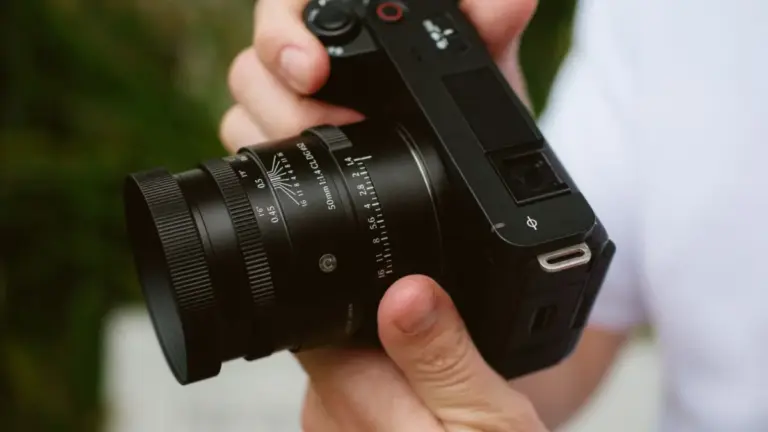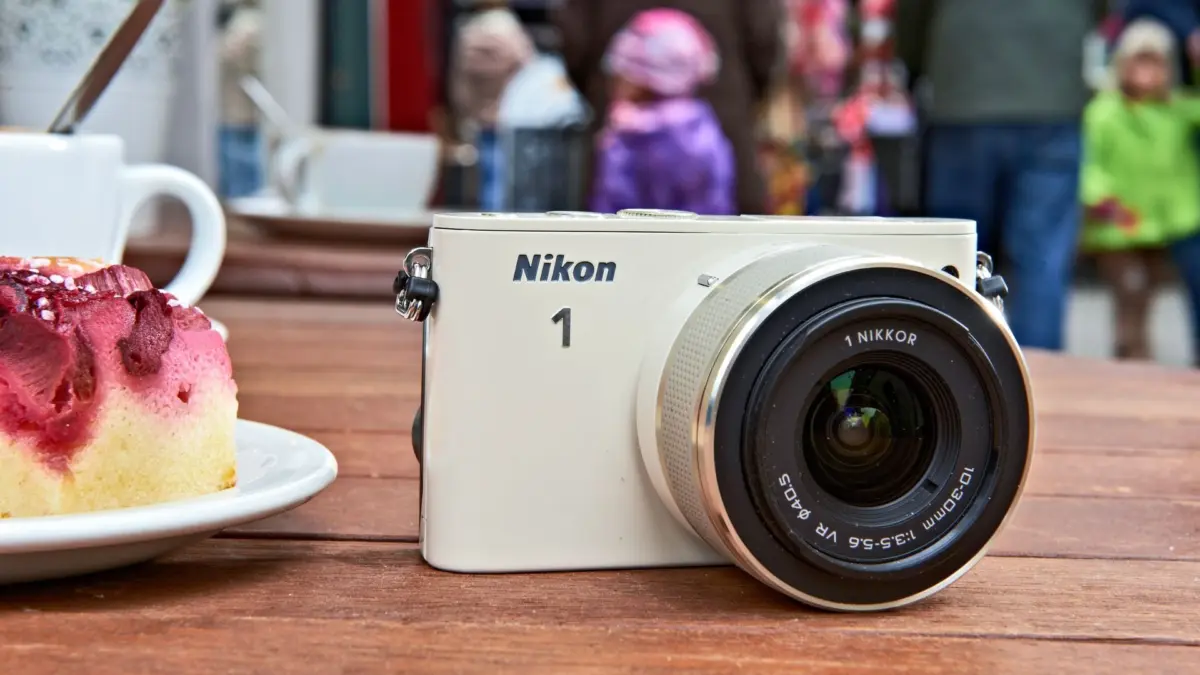
The photography landscape is experiencing a fascinating cultural regression. Across the globe, casual shooters, content creators, and photography enthusiasts are turning away from smartphones in droves, breathing new life into the once-moribund point-and-shoot market. Vintage digital cameras, early-generation digicams, and ultra-compact modern models have become viral sensations, with the most popular retail options frequently backordered and difficult to find in stock. Naturally, this surging appetite for small, portable, and distinct image-making tools has bled directly into the mirrorless sector, where manufacturers are increasingly scrambling to cater to a public hungry for downsized hardware.
As modern camera brands lean heavily into compact form factors—such as Sony’s enduringly popular full-frame A7C series, the OM System PEN lineup, and Nikon’s own modern compact releases like the viewfinder-free Z5IIC—it is difficult for industry veterans not to look back. Amid this contemporary renaissance of pocketable and minimalist design, observers of the photographic world are inevitably reminded of an ambitious, divisive, and ultimately ill-timed experiment from a decade prior: the Nikon 1 series.
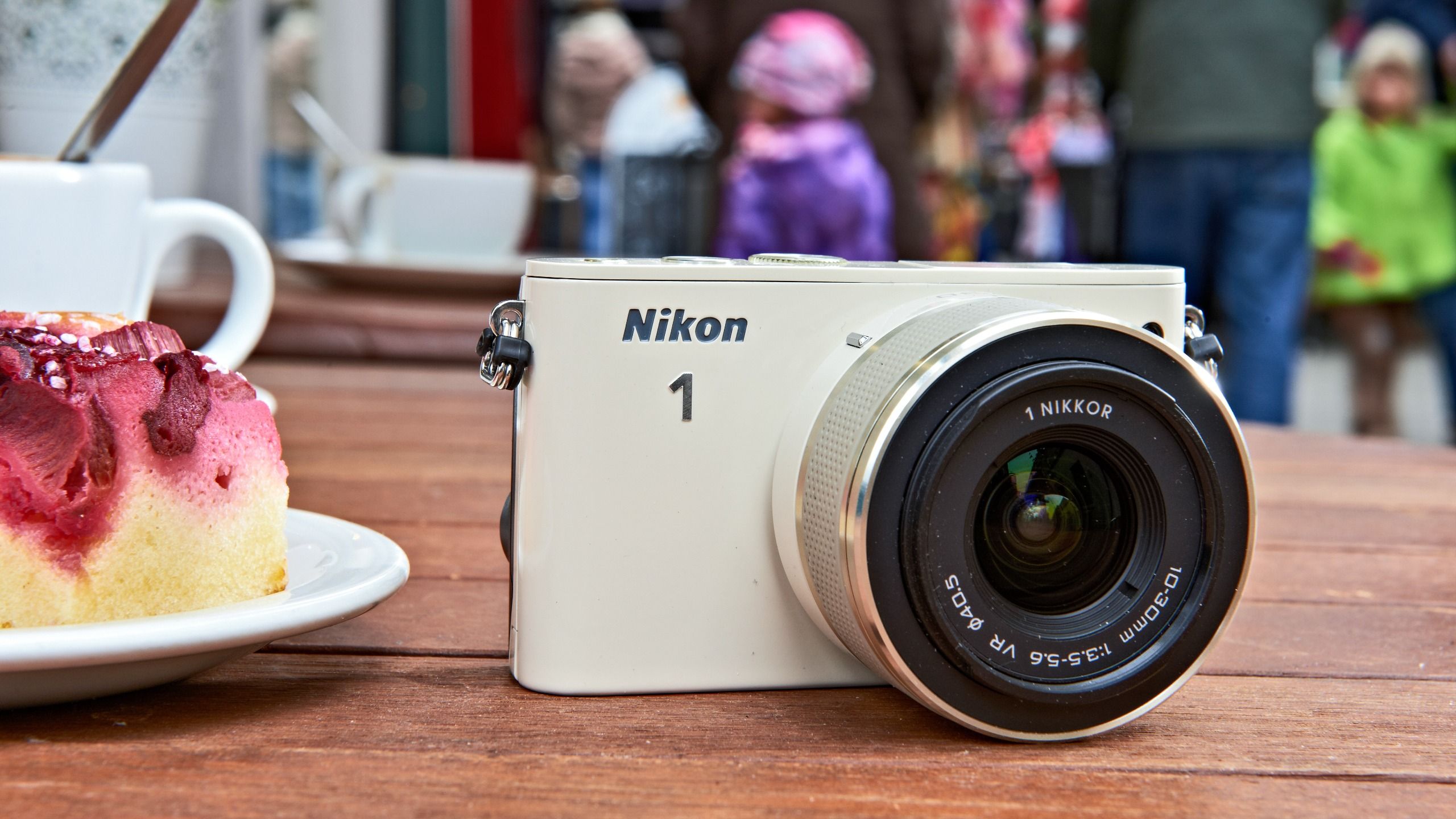
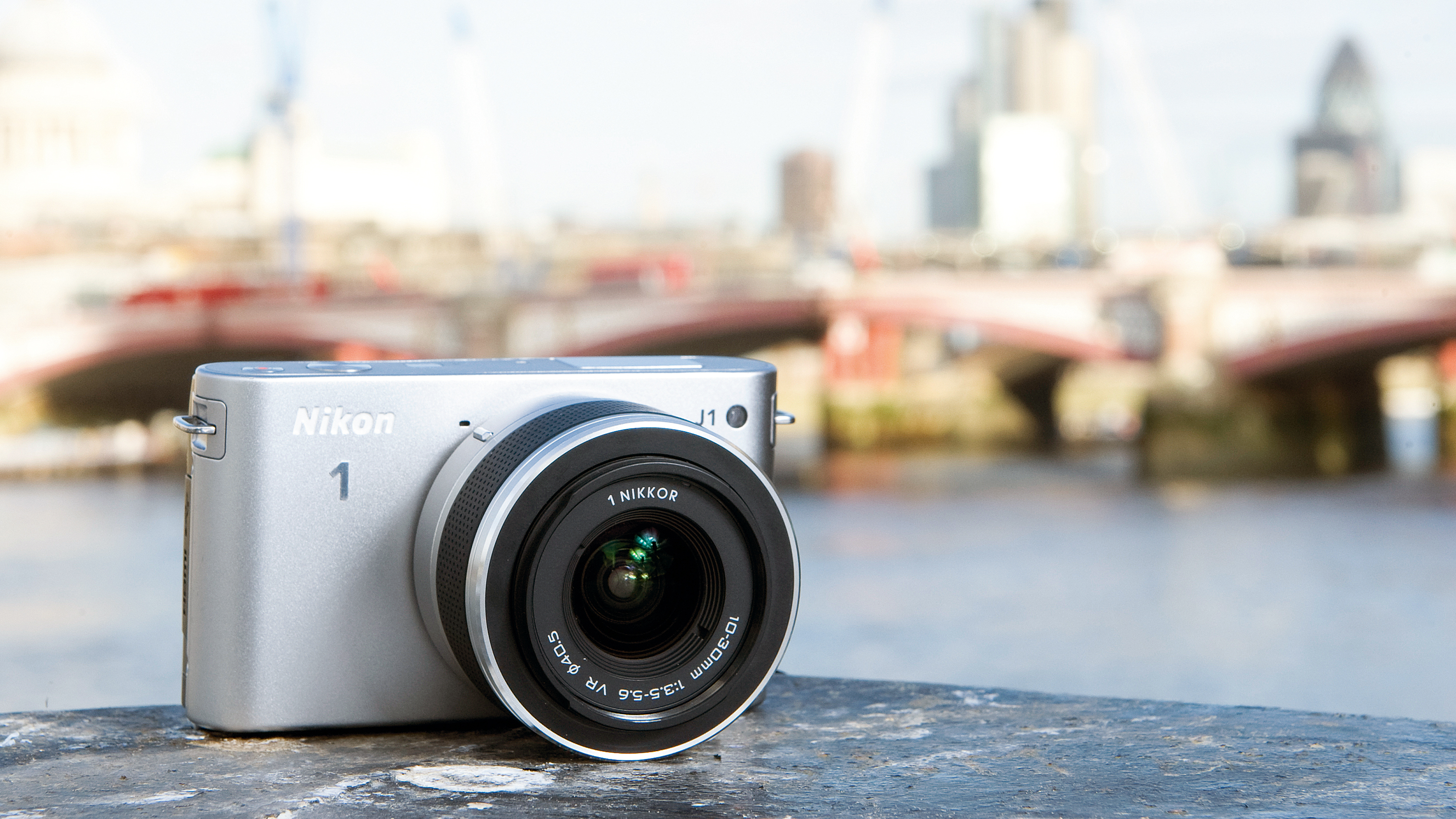
Introduced in 2011, the Nikon 1 series was a groundbreaking line of interchangeable-lens mirrorless bodies built entirely around a 1-inch sensor format. When Nikon launched the initiative with the entry-level Nikon 1 J1 and the more advanced V1, the company proudly marketed the J1 as the world’s smallest and lightest mirrorless camera. Stripped of a traditional mirror box, the early models in the J-series closely resembled traditional point-and-shoot cameras. However, the physical reality of optics meant that attaching a dedicated lens quickly rendered the cameras far too bulky for a standard pocket, occupying a curious middle ground between pocketability and traditional interchangeable-lens versatility.
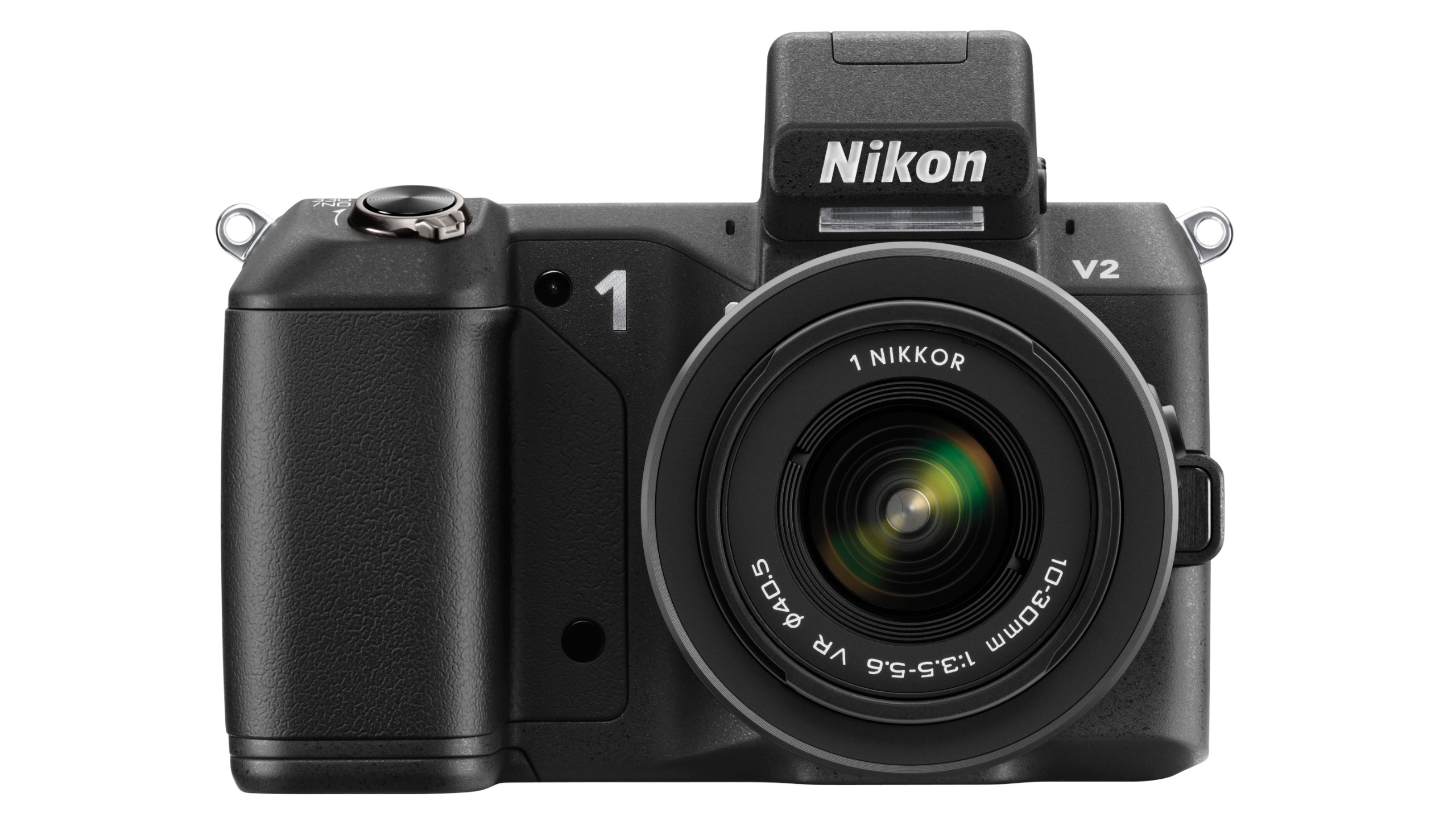
The lineup evolved rapidly. Just a year after the initial rollout, Nikon pushed higher-resolution iterations into the market with the Nikon 1 J2 and the 1 V2, the latter offering a more robust grip and an integrated electronic viewfinder tailored toward advanced enthusiasts. Throughout its lifecycle, the system cultivated a devoted, albeit niche, following among casual users who appreciated the speed and simplicity, even as serious photographers largely turned up their noses in favor of larger-sensor APS-C and full-frame Nikon DSLRs.
By 2018, however, the writing was on the wall. Nikon officially discontinued the 1 series as part of a massive strategic pivot toward developing its modern Z-system full-frame mirrorless mount. Commercially and technologically, shuttering the 1 series was unequivocally the correct move for Nikon. It allowed the venerable manufacturer to pool its engineering resources, catch up to competitors in the full-frame mirrorless race, and build the acclaimed foundation that supports its current pro-tier hardware.
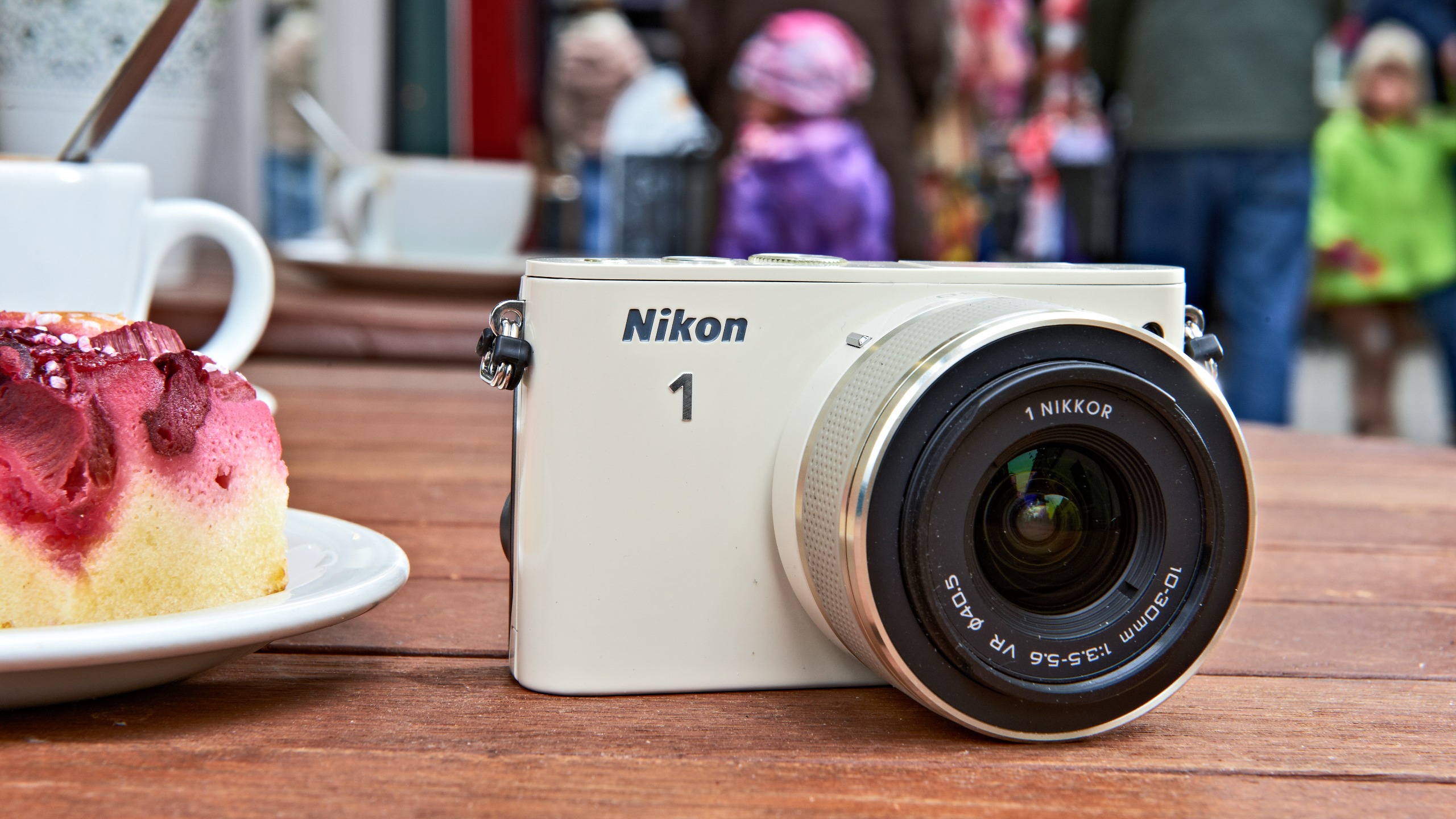
Yet, looking at the photographic landscape today, the optics surrounding the 1 series look entirely different. The 1-inch sensor format that Nikon pioneered for interchangeable-lens use back in 2011 did not fade into obscurity; rather, it became a massive industry standard. Today, the 1-inch sensor is the undisputed king of high-end point-and-shoot compact cameras, powering many of the most sought-after pocket models on the market. Furthermore, the format has even managed to claw its way back into the mirrorless discussion, as demonstrated by GoPro’s recent launch of the Mission 1 Pro ILS, a 1-inch sensor mirrorless camera built primarily for cinematic creators and filmmakers rather than traditional still photographers.
Examining the spec sheets of the old Nikon 1 cameras reveals just how ahead of the curve Nikon truly was. Features that felt futuristic or overly experimental in the early 2010s—such as blindingly fast 60 frames-per-second continuous burst shooting driven by an electronic shutter—are now considered baseline expectations for high-end modern mirrorless cameras with much larger sensors.
Even so, several of the system’s most distinctive engineering feats remain unmatched relics of the past. Perhaps the most notable among them is the Nikon 1 AW1, which holds the distinction of being the world’s first and only waterproof, shockproof interchangeable-lens mirrorless camera. While the modern market features plenty of splashproof camera bodies, the AW1 remains uniquely legendary for its ability to be submerged directly underwater without requiring an external, bulky housing. Even GoPro’s recent entry into the mirrorless space requires a sealed lens to achieve basic splash resistance and cannot be taken deep underwater in its base configuration.
This historical mismatch between technology and market timing naturally raises a compelling hypothetical question: Would the Nikon 1 series have achieved runaway success if it had debuted today instead of 2011?
The original series struggled precisely because casual users were migrating to smartphones for everyday snapshots, while enthusiasts demanded the shallow depth of field and dynamic range offered by larger DSLR sensors. But the contemporary resurgence of dedicated compact cameras is being driven by that exact demographic of casual users who actively want to decouple the act of photography from their mobile phones. Many of the most coveted modern point-and-shoot models rely on versatile zoom lenses—a capability that the Nikon 1 series offered natively through its proprietary lineup of interchangeable optics.
For consumers looking to tap into both the compact camera craze and the exploding trend of shooting with vintage digital gear, the secondhand market has quietly become a treasure trove. A robust selection of used Nikon 1 bodies and lenses remains readily available through major pre-owned camera retailers, frequently commanding price tags well below the inflated costs of brand-new, trending point-and-shoots. For budget-conscious shooters looking for a genuinely unique piece of photographic history that doubles as a compact, interchangeable-lens tool, these older systems offer a compelling alternative.
Ultimately, while Nikon has firmly closed the chapter on the 1 series in favor of its sleek modern Z-lineup—ranging from ultra-compact crop-sensor options like the Nikon Z30 to the innovative, minimalist full-frame Z5IIC—the legacy of those tiny, polarizing cameras lingers on. In an era where smaller, retro-styled imaging gear commands unprecedented cultural capital, the Nikon 1 series simply arrived a decade too early for its own good.