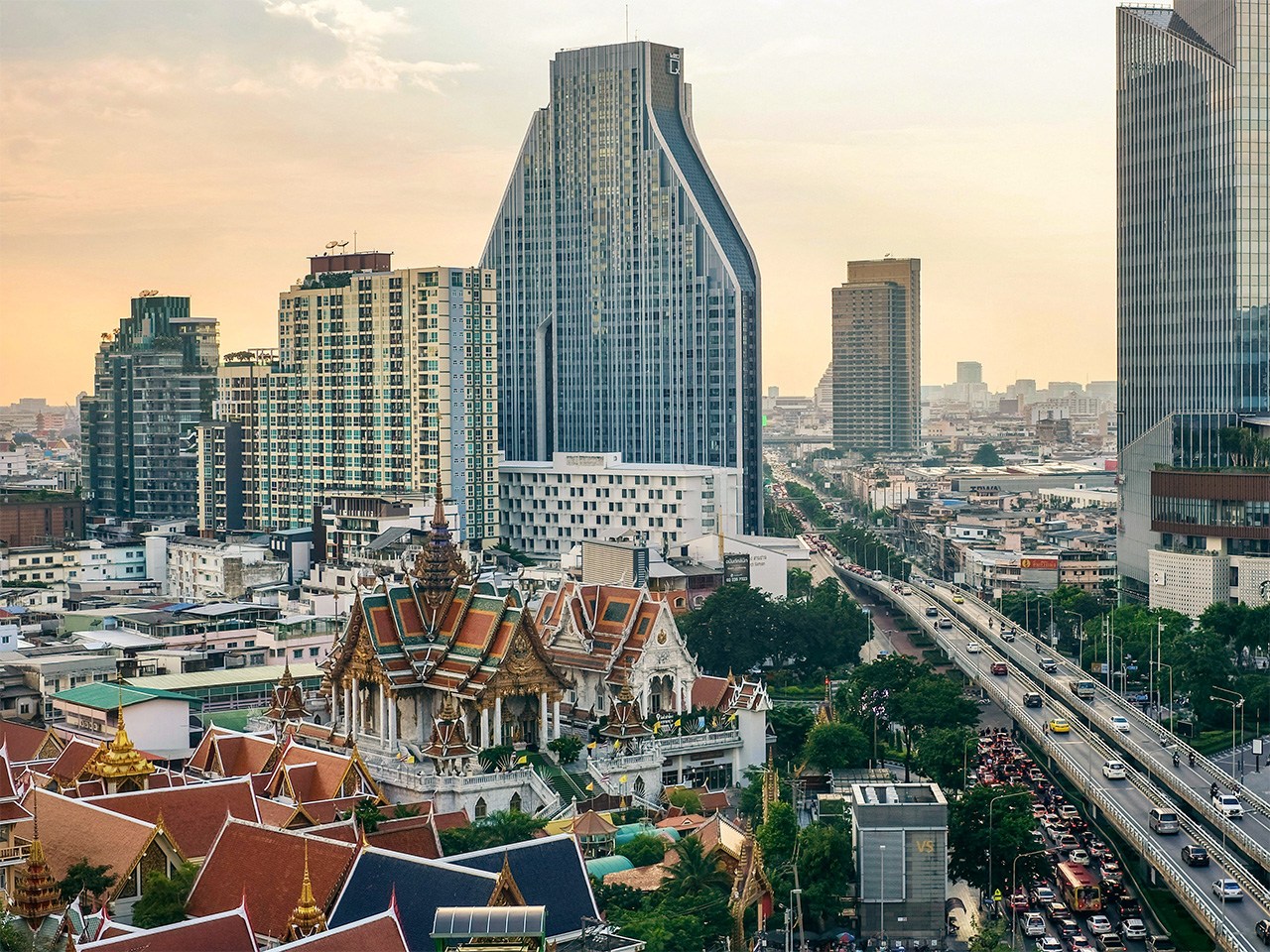
Bang Rak was once celebrated as the principal gateway to Thailand. Decades ago, international merchant vessels would anchor along the eastern banks of the Chao Phraya River, checking in at the majestic Customs House. While contemporary international travelers now arrive through other entry points and expatriates predominantly populate the modern high-rises lining Sukhumvit Road, a profound shift is underway in this historic neighborhood. A new generation of Thai makers, designers, artists, and entrepreneurs is moving into the district, systematically transforming old commercial shophouses and industrial spaces into a vibrant creative quarter.
A walking tour through the backstreets of Bang Rak reveals a district steeped in multicultural heritage, where the echoes of maritime trade, Thai-Chinese commerce, and colonial-era architecture blend seamlessly with contemporary art galleries, independent fashion boutiques, and specialty coffee shops.
Where to stay
While the Chao Phraya riverfront features an array of well-established luxury hotels, travelers seeking a deeper connection to the neighborhood’s past can look to Beanstalk Bangkok, situated on Surawong Road. Housed in a building that previously operated as the New Fuji Hotel—a notable mid-century establishment that once accommodated American soldiers on rest and recreation leave during the Vietnam War—the property retains subtle historical nods. A small brass plaque remains affixed to its discrete facade, offering a quiet tribute to the structure’s past.
Following a comprehensive redevelopment, the property reopened as a boutique accommodation featuring 57 rooms designed to channel Bang Rak’s distinct Thai-Chinese heritage. The surrounding streets reinforce this sense of place. A short distance away on Charoen Krung Soi 39 stands a traditional Chinese shrine dedicated to the goddess of the sea, while faded red lanterns from recent seasonal celebrations continue to flutter overhead across narrow side streets.
The neighborhood’s commercial DNA remains visible through generations of silversmiths, jewelers, and diamond traders whose families established businesses here decades ago. Their shophouses, protected by weathered metal shutters bearing names in multiple languages such as House of Gems, Heritage Gems, and Gem Plaza, lend a faded, industrious sparkle to the district’s labyrinthine alleys.
Breakfast
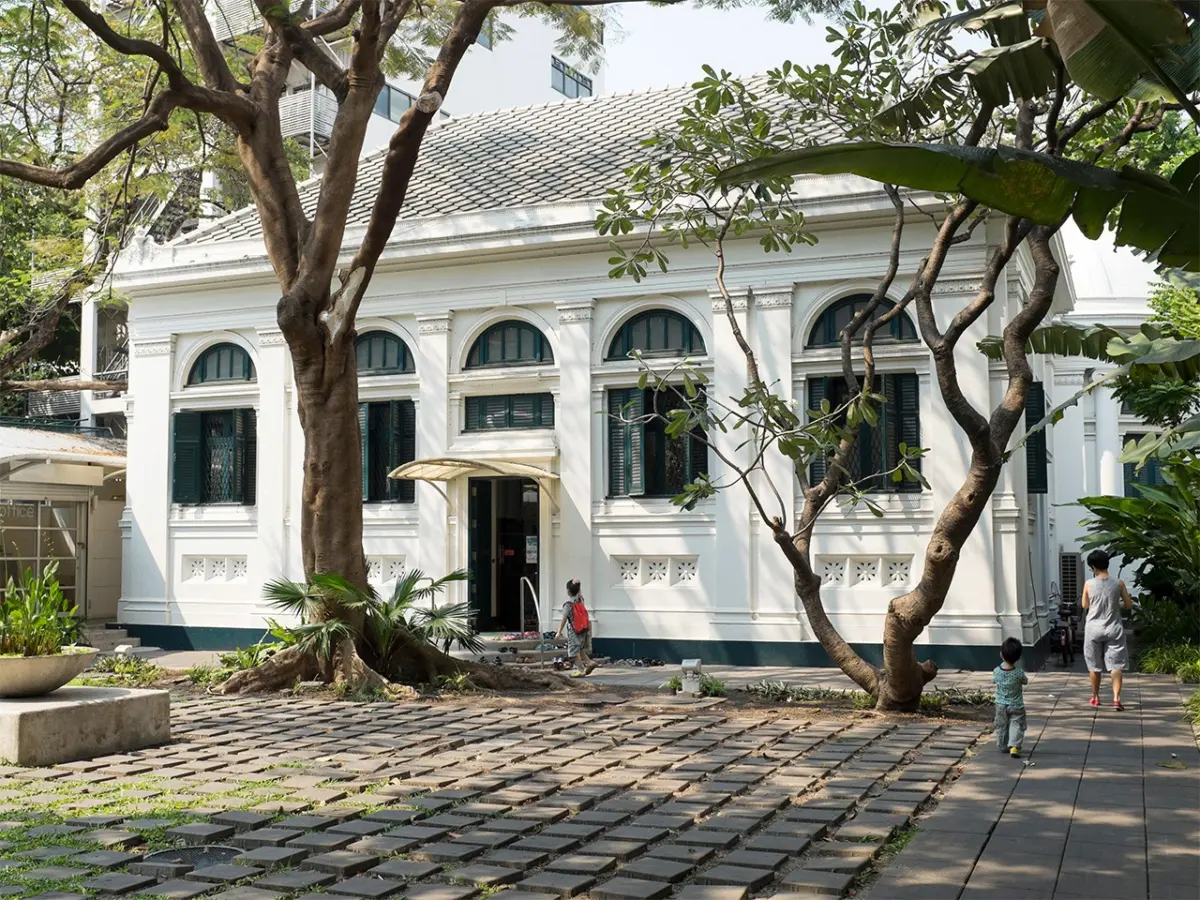
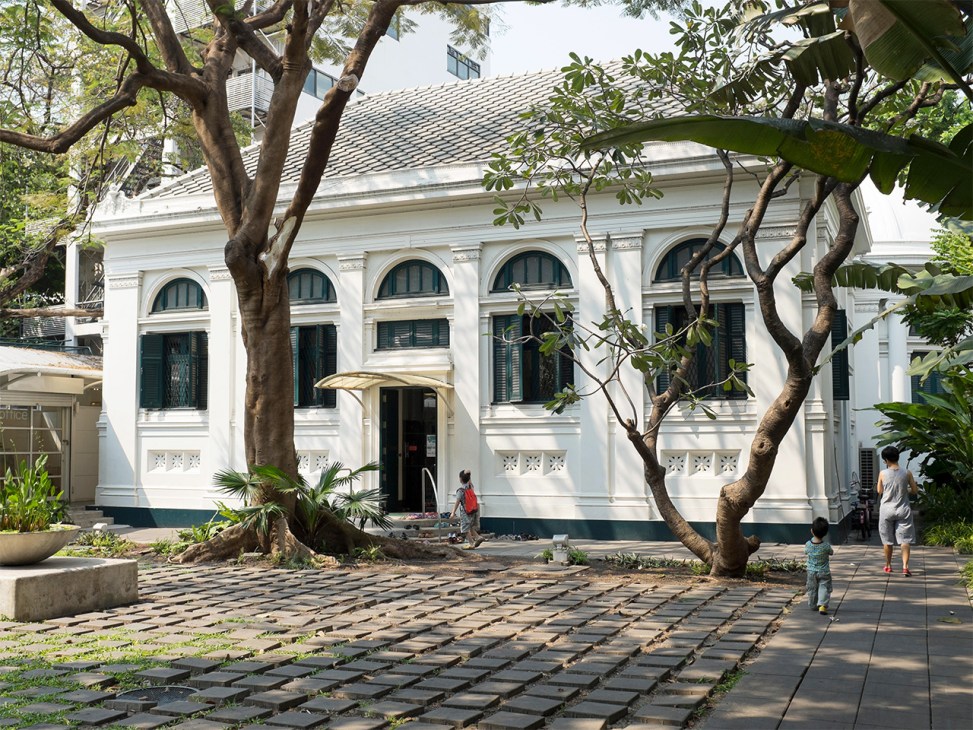
To beat the tropical heat, early mornings offer the ideal window to explore the neighborhood on foot. Heading east toward the interior brings visitors to the Neilson Hays Library, one of the enduring cultural pillars of Bang Rak. Housed within a distinguished neoclassical building, this privately funded English-language library dates back to the 19th century and remains a tranquil intellectual hub.
In April of the previous year, the prominent Bangkok coffee chain FIX took over the operation of the library’s courtyard cafe. Beneath the broad canopy of tropical palm trees, visitors can enjoy morning meals featuring artisan eggs served on sourdough and vibrant, fruit-topped yogurt bowls.
The library directly backs onto the British Club, another preserved Victorian-era institution renowned for housing one of the best swimming pools in the area. Yet, rather than lingering in the atmosphere of a classic colonial novel, the itinerary continues onward toward Si Phraya Road via Naret Road, tracing the physical footprint of Bang Rak’s modern renaissance.
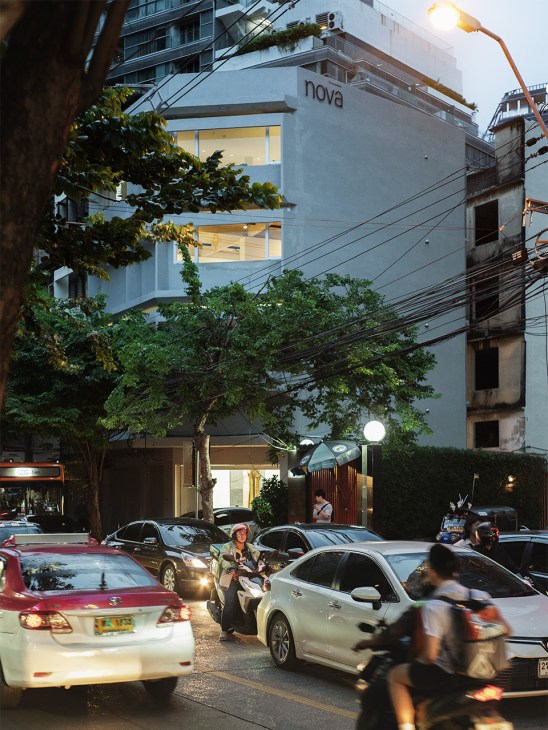
The contemporary transformation of the district gained significant momentum around 2025, marked by the relocation of independent gallerist Sutima Sucharitakul. Relocating her esteemed establishment, Nova Contemporary, to the district, Sucharitakul has cemented her reputation for championing some of Thailand’s most promising contemporary visual artists, including Latthapon Korkiatarkul, Vacharanont Sinvaravatn, and Prae Pupityastaporn.
Sucharitakul is far from the only entrepreneur investing in the revitalization of Si Phraya Road. Just three doors away sits Glamma Vintage, an exceptional boutique where the owner curates a museum-like collection of haute couture. Operating more like a private archive than a traditional retail store, it serves as an invaluable resource for fashion designers and historians. Like many establishments in the area, visits are often arranged by appointment, and Mondays see most neighborhood doors closed.
Around the same period, the Bangkok-based fashion label Philip Huang established a new presence at the opposite end of Si Phraya Road. Taking over Prachoom Chang—a name translating to "the meeting of makers"—the brand repurposed the former office and printing press building of the Daily News, one of Thailand’s most widely circulated newspapers.
The extensive facility now functions as a unified flagship retail store, corporate office, and natural dyeing workshop. Central to the space are large indigo-dyeing vats created by renowned contemporary artist Pinaree Sanpitak. Sharing the expansive building is creative talent Channatip Chanvipava alongside Burmese furniture designer Ivan Pun’s brand, Paribawga. This collaborative approach, where like-minded creatives pool resources to take over large historical buildings, has emerged as a defining trend in Bang Rak’s property landscape.
Lunch
After exploring Prachoom Chang, lunch options range from elevated local cuisine to inventive neighborhood eateries. On weekends, Samlor—situated near the corner of Charoen Krung Road, Bangkok’s historic first paved thoroughfare—serves a menu celebrating elevated Thai street food. A metal three-wheeled rickshaw suspended above the entrance signals the restaurant’s playful yet serious approach to local culinary traditions. While evening menus feature hearty meat preparations, daytime diners can sample the fresh catch of the day, sourced directly from the warm waters of Thailand’s southern coast.
For weekday visitors, Kick! Chop! Slice! offers an alternative interpretation of casual dining, serving New York-style pizza dough infused with distinct Thai ingredients, such as flavorful Isan sausage.
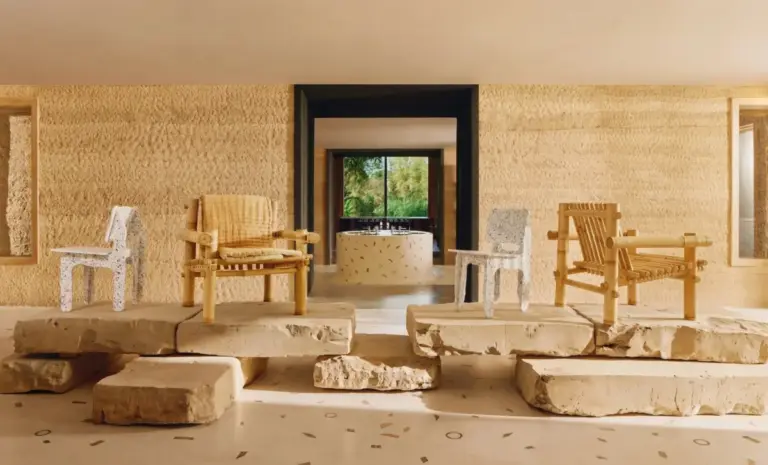
A short walk from these culinary spots leads to Kitt Ta Khon, a craft studio that opened its inaugural retail space to showcase handwoven contemporary furniture. The studio’s armchairs, benches, and decorative pieces are wrapped in colorful beads, ropes, and natural string. Visitors can customize items such as the signature Sukpha stools on the upper level, with staff providing bubble wrap for international transit. For travelers traveling light with carry-on luggage only, the shelves also stock portable items including woven bamboo fans, reed table mats, and miniature ceramics.
Kitt Ta Khon sits just steps away from the Chao Phraya River, a waterway that has experienced a profound commercial and hospitality renaissance over the past two decades. The opening of luxury properties such as Capella and the Four Seasons successfully drew international visitors back to Bangkok’s historic river artery, complementing the enduring presence of the Mandarin Oriental, which has anchored the waterfront for a century and a half.
This momentum shows no sign of abating, with several major developments scheduled to launch. The historic Customs House is currently undergoing an intricate engineering project to elevate the subsided heritage structure by an entire floor, preparing for its eventual reopening as a 75-room luxury hotel under The Langham banner. Designed to orient rooms and dining spaces entirely toward the river, the property will also feature a new riverside pier and cocktail bar slated for completion in 2027.
Coffee
Leaving the riverfront and moving inland requires navigating the intimate network of residential streets. Following Charoen Krung Alley 43 toward Surawong Road leads past neighborhood garages, traditional laundromats, and multigenerational shophouses. Crossing over to Decho Road brings visitors to Monochrome, a specialty coffee shop where iced espresso drinks provide a welcome respite from the afternoon heat.
Decho Road itself reflects the broader creative expansion of Bang Rak. Late last year, collaborative groups working across fashion and film took over the former House of Chao antique shop. The fashion brand Nong Rak claimed the ground floor for its first permanent retail space, offering limited-edition silk garments produced locally alongside curated vintage apparel.
The upper floor of the building was simultaneously transformed into Sala Saneha, a hybrid venue functioning as an independent cinema, wine bar, and social lounge. Offering multiple screenings nightly—ranging from local Thai cinema to American independent films and European arthouse releases—the venue invites visitors to return after dinner for late-night screenings and drinks.
Dinner
Dining options in the district include Aunglo by Yangrak, a casual restaurant specializing in traditional Thai classics prepared over an open grill. Having relocated to a larger space near the corner of Si Lom Road, the restaurant draws crowds for its signature barbecue pork ribs and contemporary interpretations of local desserts, such as Khanom Krok Brûlée, which reimagines traditional coconut pudding through modern culinary techniques.
The southern edge of Bang Rak is poised for further transformation with the upcoming completion of the Hatai development. Designed by architect Thomas Heatherwick, this large-scale mixed-use project occupies the former site of the Narai Hotel, a legendary 1960s landmark once celebrated for its 500 rooms, revolving rooftop restaurant, and status as the tallest building on Si Lom Road. Scheduled to open in late 2027, the Hatai development will introduce Bangkok’s first Six Senses hotel alongside a redesigned Narai Hotel complex.
Until then, evenings in the neighborhood conclude as they often begin: with a glass of wine in the intimate screening room at Sala Saneha, followed by a quiet walk back through the lantern-lit alleys to rest at the Beanstalk.