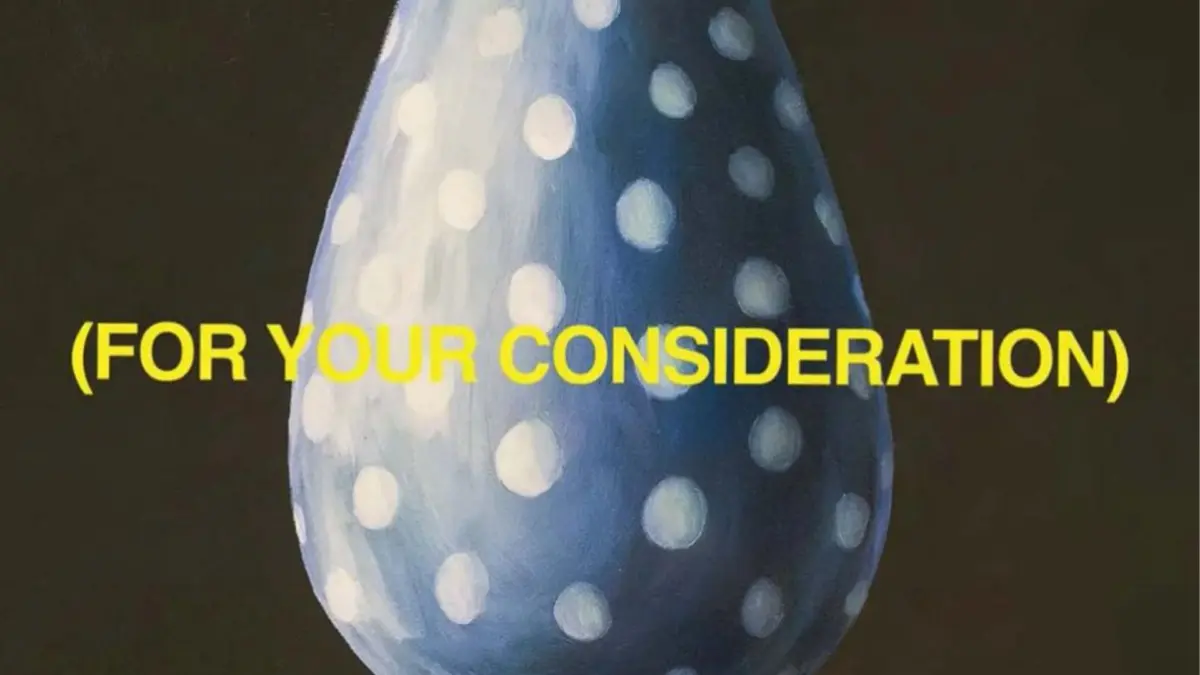
As the music industry enters the high-stakes push for Grammy Award consideration, British singer Lily Allen has launched an ad campaign that stands as perhaps one of the most nonchalant and irreverent pitches in recent award season history. Vying for recognition from Recording Academy voters for her acclaimed album West End Girl, Allen has unveiled a For Your Consideration (FYC) poster design that is equal parts disarmingly raunchy and strikingly elegant. The visual strategy underscores the artist’s long-standing affinity for offbeat, rebellious branding, offering a stark subversion of the highly polished, corporate aesthetics that typically dominate the annual awards race.
At the center of Allen’s FYC poster is an object that has already gained legendary status among her fanbase during the promotional cycle for West End Girl: a novelty USB flash drive shaped like a butt plug and decorated in a classic polka-dot pattern. The object, which served as an unexpected focal point throughout her cheeky album rollout, takes center stage once again in the official campaign imagery aimed at Grammy voting members. By juxtaposing the cozy, traditionally domestic connotation of polka dots with an overtly sexualized novelty item, the poster design achieves a playful yet sharp visual contrast. It embodies the core ethos of Allen’s recent creative era, leaning into a wonderfully unserious sense of playfulness while maintaining an undeniably sophisticated graphic execution.
The FYC phase of the Grammy Awards process is traditionally a rigorous, highly choreographed promotional window. During this period, record labels, publicists, and artists purchase space across trade publications, billboards, and digital networks to highlight critically acclaimed work in hopes that Recording Academy members will cast their ballots accordingly. Historically, these promotional materials adhere to a well-tested corporate template. FYC ads often feature high-fashion portraits, dramatic studio shots, list of critical accolades, or minimalist fine-art photography designed to emphasize prestige and commercial success. High-profile campaigns from global pop icons such as Taylor Swift and Harry Styles routinely rely on polished, glossy aesthetics that reinforce their status as mainstream titans, presenting their music through a lens of refined, flawless professionalism.
Allen’s campaign actively rejects these established conventions. Rather than presenting a stylized, sanitized image aimed at courting conservative industry voters, her poster relies on casual, unbothered vulgarity to make its point. This unceremonious approach functions as a breath of fresh air in a marketing ecosystem that often leans heavily on self-importance. By introducing an explicitly adult, humorously designed object into the formal realm of Grammy campaigning, Allen demonstrates a willingness to challenge long-held industry taboos and subvert the rules of artist pitching. The result is a marketing piece that feels entirely authentic to her artistic persona, proving that prestige and provocative humor do not have to be mutually exclusive.
This bold visual choice is far from a mere publicity stunt; it is a direct reflection of the narrative and emotional landscape explored throughout West End Girl. The album era has been widely praised by critics and fans alike for its raw, unfiltered approach to songwriting and storytelling. Across the record, Allen delves deeply into the messiness, chaos, and clumsiness inherent in modern relationships, romance, and intimacy. Rather than offering romanticized or idealized visions of love, her lyrics confront the awkward realities, emotional vulnerabilities, and chaotic intersections of passion and everyday life.
This candid lyricism has been matched by Allen’s live era, where her immersive tour performances have leaned heavily into emotional intimacy and unvarnished narrative delivery. The raw authenticity of the album’s music has earned her genuine critical momentum and put her in firm contention for this year’s Grammys. The FYC poster simply extends this artistic thesis into the promotional realm. By choosing an ad that highlights the messier, more explicit, and humorous dimensions of human experience, the campaign mirrors the exact themes that give West End Girl its emotional resonance.
From a graphic design perspective, the poster achieves a delicate balance between vulgarity and poise. While the featured item is inherently lewd, the composition, lighting, and overall visual presentation borrow from the visual language of luxury product design and fine-art photography. This tension between high-brow presentation and low-brow subject matter creates a disarming effect. It captures the viewer’s attention precisely because it refuses to conform to expected visual hierarchies. The choice to pair a domestic, retro pattern like polka dots with an adult novelty item highlights a keen understanding of visual irony, allowing the campaign to feel witty rather than merely shocking.

Allen’s offbeat approach also speaks to a broader shift in how visual identity and physical objects operate within contemporary music marketing. In an era dominated by digital streaming services, where music consumption often feels ethereal and detached from tangible forms, creative physical branding plays a crucial role in grounding an album’s concept. Novelty items, custom merchandise, and distinctive graphic assets give fans and industry insiders a concrete entry point into an artist’s world. By elevating a cheeky, physical promo item to the primary image of her Grammy campaign, Allen highlights the enduring power of bold object design in defining a musical era.
Throughout her career, Allen has consistently forged a unique path in pop music, frequently using irony, humor, and sharp cultural commentary to navigate an industry that often demands conformity. Her refusal to tone down her signature style for the Grammys reinforces her status as an artist who prioritizes creative freedom over corporate polish. Where other artists might adjust their image to appear more traditional or universally palatable to an older voting demographic, Allen doubles down on the precise qualities that make her work distinct: honesty, wit, and an embrace of life’s inherent absurdity.
As Recording Academy members review the deluge of sleek, highly standardized campaign materials filling their feeds and mailboxes this season, Allen’s poster stands out as an unmistakable anomaly. Whether or not the cheeky campaign ultimately translates into Grammy hardware, it has already succeeded in making a lasting impression. By delivering a For Your Consideration ad that is equal parts raunchy, classy, and unapologetically her own, Lily Allen has demonstrated once again that the most effective branding is often the kind that dares to break the rules.