Software giant Autodesk has officially launched Made to Make, an ambitious new branded content series debuting on YouTube that offers an intimate, behind-the-scenes look at the intersection of human creativity, determination, and cutting-edge technology. Hosted by acclaimed chef and entrepreneur José Andrés, the documentary series goes inside the creative processes of world-class designers, makers, artists, filmmakers, and digital innovators. By examining how complex visual projects are constructed from the ground up, the show positions Autodesk as a foundational technology partner whose software ecosystem enables creative teams to bring extraordinary ideas into reality.
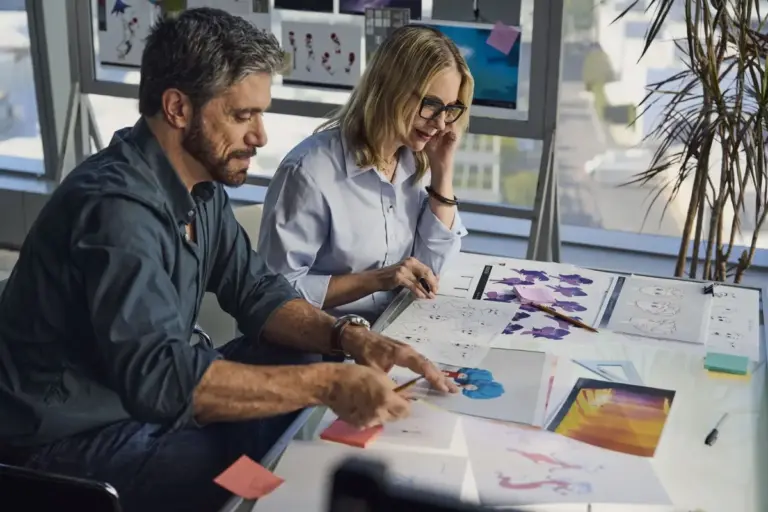
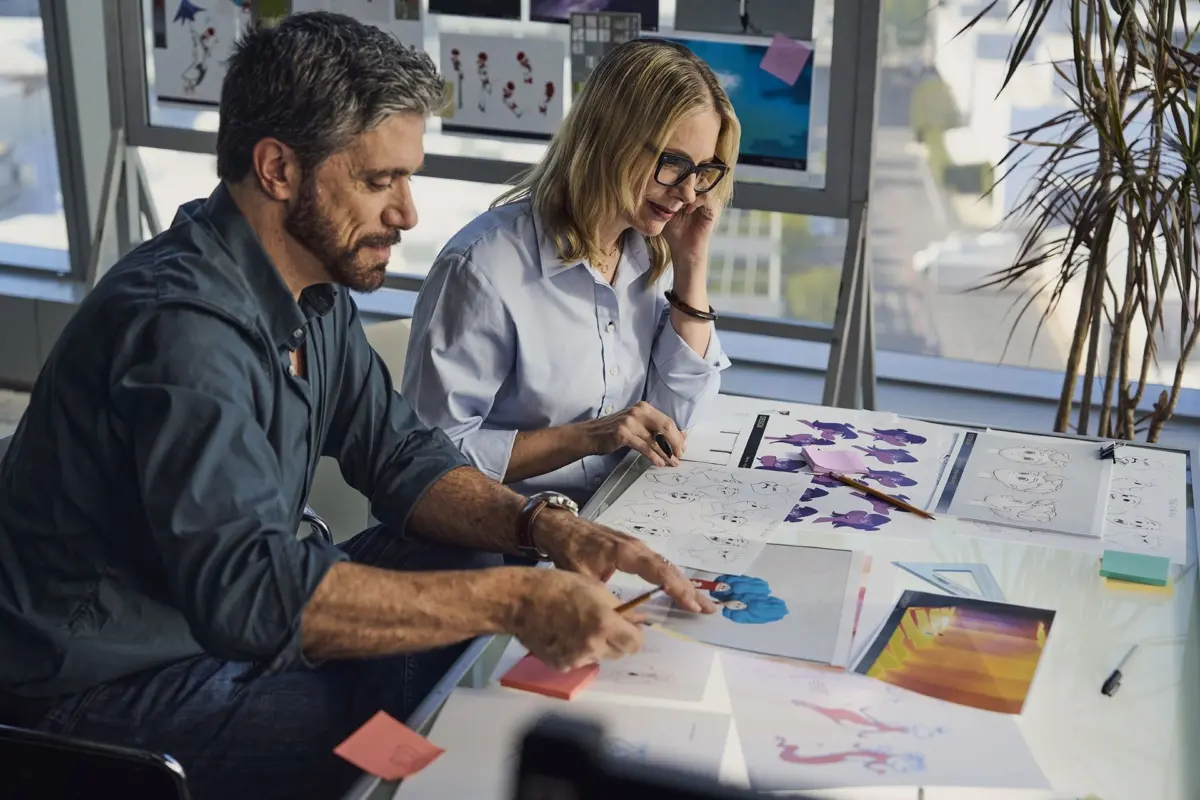
The inaugural episode of the series, titled The Making of The Cat in the Hat, focuses on Warner Bros. Pictures Animation and its upcoming feature-length animated adaptation of Dr. Seuss’s classic children’s book. Featuring rare access to key creative leadership—including writer-directors Alessandro Carloni and Erica Rivinoja, animator Marek Kochout, central supervisor Jessica Killiam, visual effects supervisor Matt Waters, and production designer Aidan Sugano—the premiere episode explores how a global studio apparatus leveraged modern digital workflows to accomplish a massive artistic undertaking under demanding production constraints.
For host José Andrés, the series represents an extension of his own long-standing personal passion for storytelling, filmmaking, and animation. Beyond his culinary and entrepreneurial achievements, Andrés has actively engaged with the entertainment industry, having lent his voice to characters in animated television projects such as Disney’s Firebuds and Netflix’s Green Eggs & Ham. His creative pursuits have also extended into the world of graphic storytelling through collaborations with major comic book publishers including Marvel and DC. In Made to Make, Andrés acts as a bridge between the audience and the technical visionaries who shape modern pop culture, exploring the relentless ingenuity and software tools required to bring speculative worlds to life.
In the debut episode, writer-director Alessandro Carloni captures the delicate balance between unfettered artistic imagination and practical technical execution that defines modern digital animation. “In a way, our job is to come up with something absurd, entertaining, and crazy, and then discover: can we make it happen with technology?” Carloni explains. This dynamic serves as the guiding thesis for both the episode and the broader series, illustrating how digital toolsets are continuously pushed to their limits by storytellers striving to achieve novel visual experiences.
How Was ‘The Cat in the Hat’ Made in Just Two Years?
One of the central accomplishments highlighted in the premiere episode is the rapid development cycle achieved by Warner Bros. Pictures Animation. The studio managed to complete its first full-length animated feature in just two years—an extraordinarily accelerated timeline for a major studio production of this scale and visual complexity. Standard feature-length animated films frequently require four to five years of development and production, making a 24-month turnaround an exceptional feat of pipeline efficiency and studio coordination.
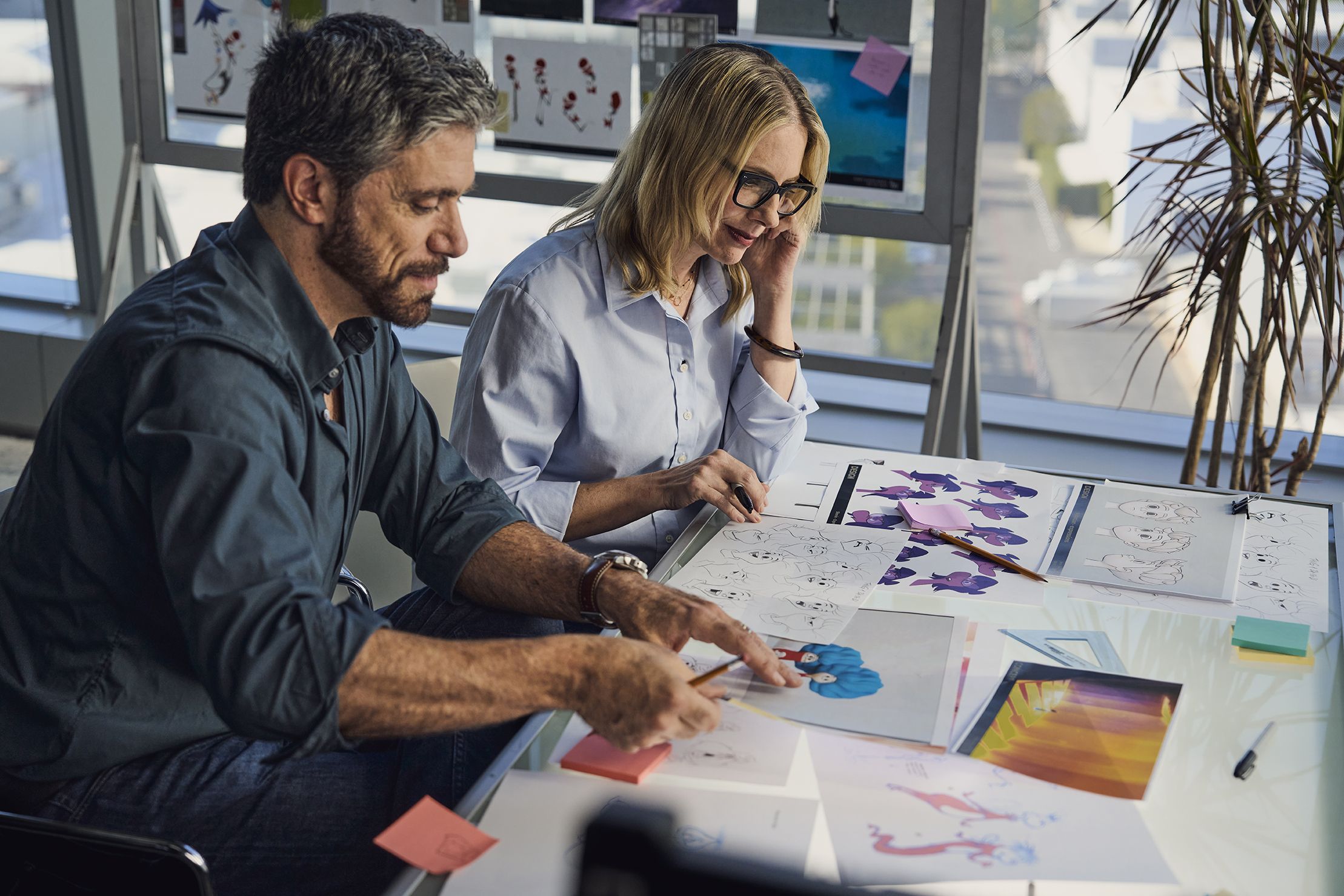
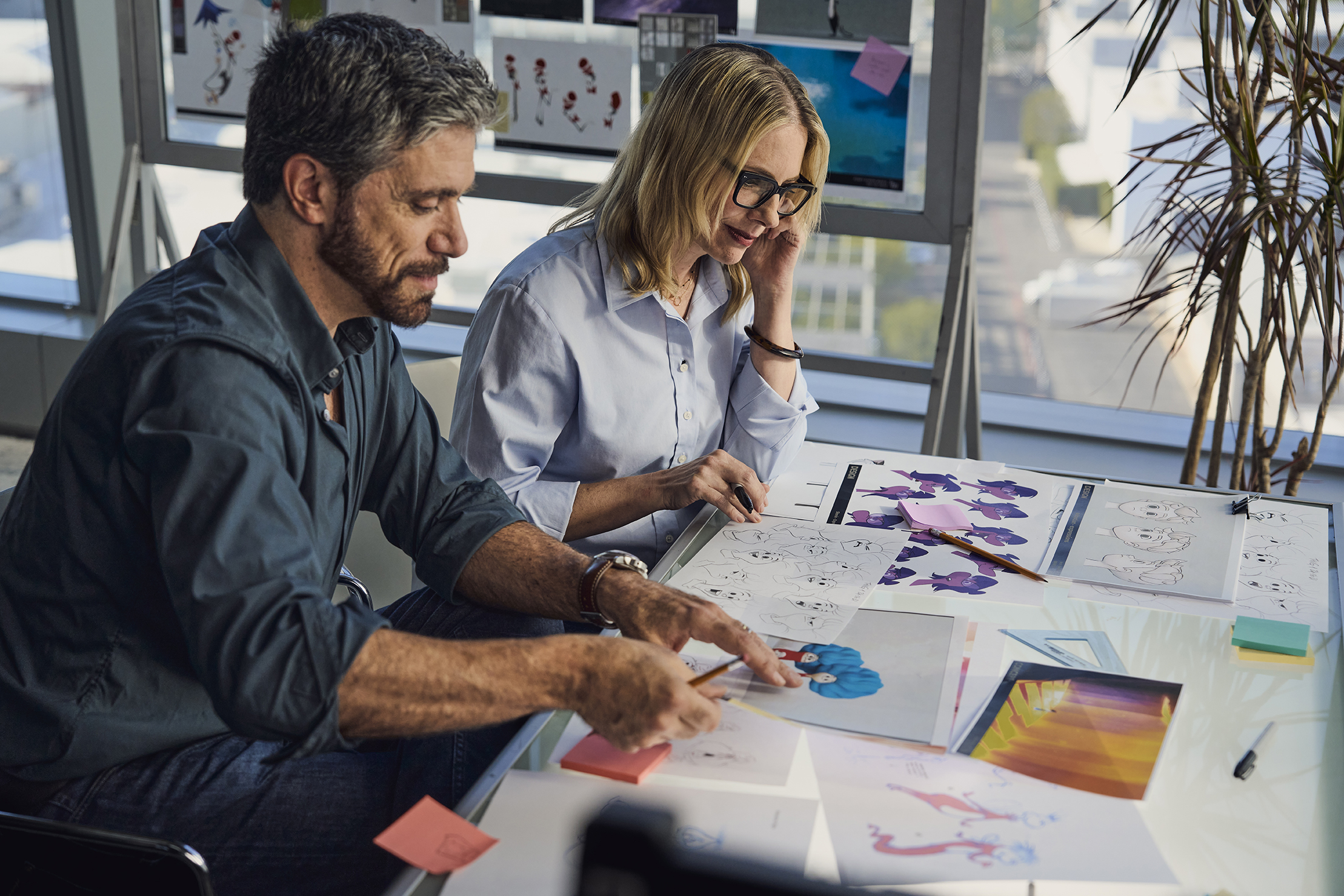
Achieving this rapid pace required seamless integration across a hyper-distributed global workforce. Production tasks were distributed across time zones and geographic regions, with key creative and technical teams operating out of Los Angeles, Montreal, London, and multiple cities across India. Coordinating hundreds of artists across distinct international hubs demanded a robust technical backbone capable of maintaining visual consistency, version control, and real-time collaboration across thousands of miles.
Despite the tight timeline, the directors and visual departments refused to compromise on visual ambition or narrative scope. Writer-director Erica Rivinoja notes that the medium of animation provided the perfect platform to push storytelling boundaries beyond traditional cinematic limits. “The exciting thing about animation is that it can do so much more than other types of filmmaking,” Rivinoja states, pointing to the limitless potential of digitized environments and stylized character design.
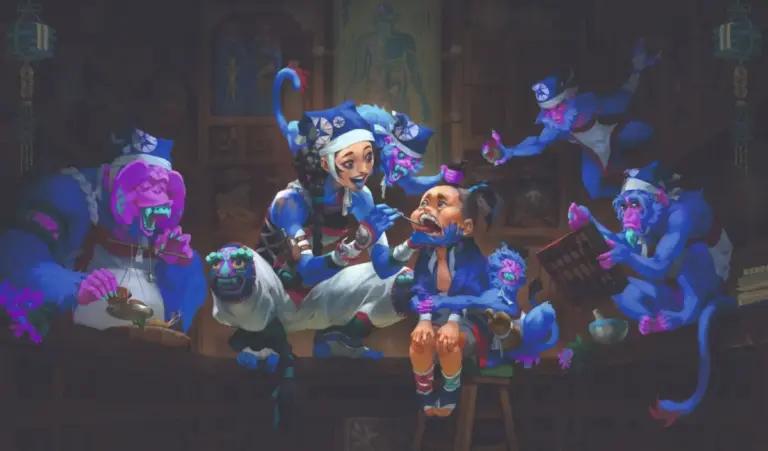
Rather than confining the narrative strictly to the simple, localized setting of the original 1957 Dr. Seuss book, the filmmakers expanded the story’s visual universe significantly. The team designed five stylistically distinct environment categories to frame the narrative:
- The Real World: A grounded, relatable reality that anchors the characters’ emotional journeys.
- The Whimsical Dr. Seuss World: A surreal, expressive realm faithful to the curved lines and playful aesthetics of Dr. Seuss’s original illustrations.
- Three Character-Centric Worlds: Distinct fantastical environments specifically tailored to mirror the personalities, arcs, and emotional lives of individual characters in the film.
Furthermore, the screenplay expands upon the original source material by addressing narrative territory that the original book never explored. The film takes audiences beyond the final page of Dr. Seuss’s text, examining what happens after the classic story concludes and following the Cat on his subsequent adventures after departing the children’s home.
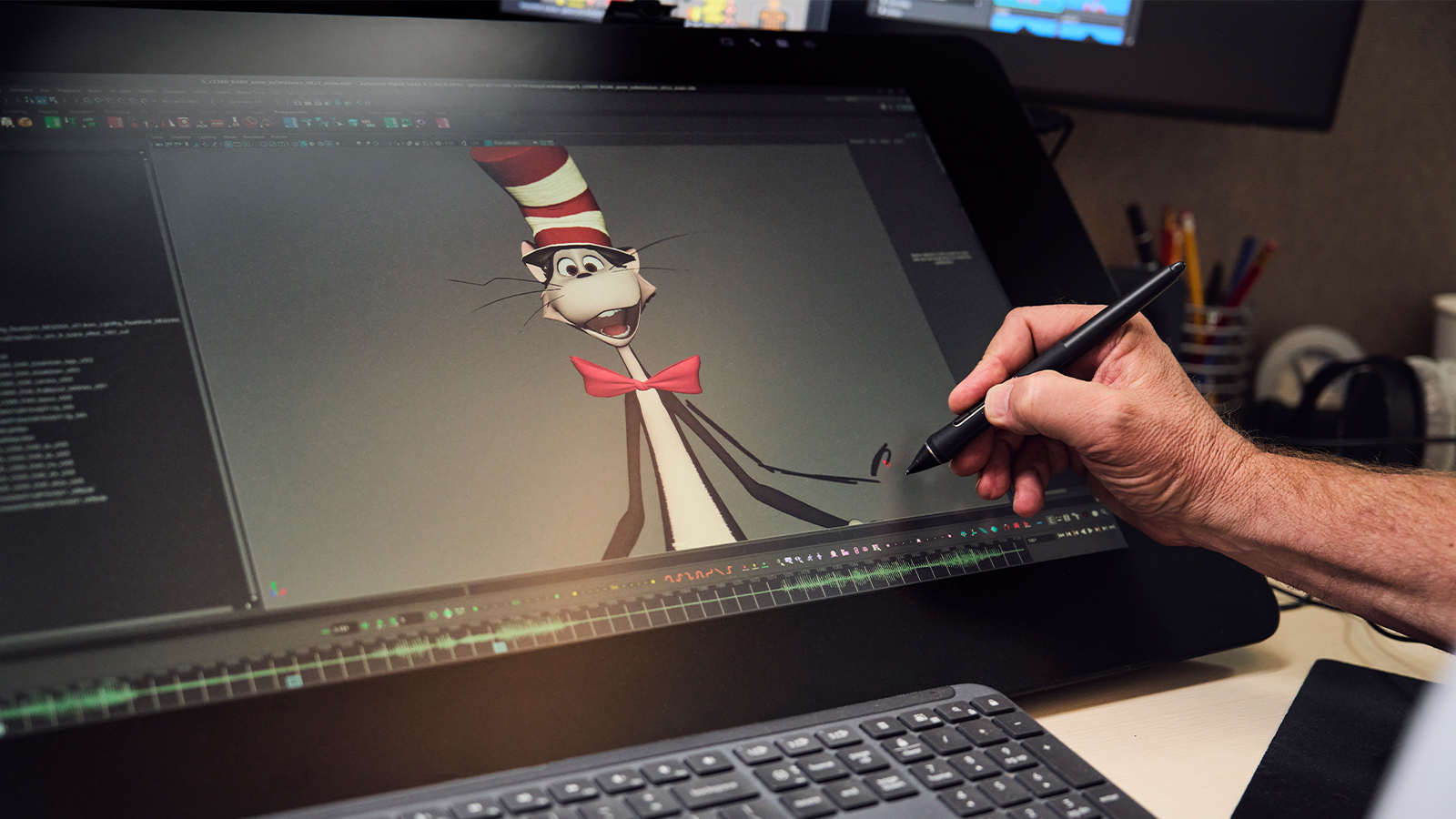
To build and animate this expansive, multi-world vision within a compressed two-year schedule, the production relied on Autodesk Maya as its core artistic hub. Long recognized as an industry-standard application for 3D modeling, rigging, and animation, Maya was utilized across every phase of visual development—from initial environmental modeling to the subtle, expressive performances of the character cast. The software’s flexibility allowed artists to experiment with distinct stylistic approaches while maintaining the technical stability required for high-throughput production.
For animator Marek Kochout, Maya served as the primary interface through which digital characters were given life and emotional depth. Expressing the tactile connection an animator forms with digital rigs, Kochout emphasizes the software’s indispensability to his craft. “It’s essential,” Kochout explains during the episode. “I have no other way of touching these characters other than through Maya. It’s my porthole into the marionette. This is my tool.”
How Flow Production Tracking Kept Teams on Track
Managing an international workforce spread across Los Angeles, Montreal, London, and India required a comprehensive management infrastructure to prevent bottlenecks and ensure asset parity. To maintain operational cohesion across all departments and locations, Warner Bros. Pictures Animation deployed Autodesk Flow Production Tracking (formerly ShotGrid) as the central nervous system for the entire feature production.
Central supervisor Jessica Killiam explains how Flow Production Tracking allowed leadership and department heads to maintain complete visibility over the millions of digital assets required for the film. “We use Flow Production Tracking to track the entire movie, so you can find a variety of different things in here,” Killiam details in the documentary. “We have our assets, all of the characters, the environments, the props.”
By establishing a centralized database for tracking shot progress, asset iterations, and task assignments, the software ensured that artists operating in different time zones were always working with the latest approved versions of every model, texture, and rig. This unified tracking system eliminated asset duplication and minimized communication friction between disparate overseas studios.
In addition to core asset management, the production relied heavily on integrated review tools within the Autodesk ecosystem to maintain high visual standards despite the compressed schedule:
- RV in Flow Production Tracking: Allowed supervisors, directors, and artists across multiple cities to conduct synchronized, high-resolution media playback and review sessions. Directors could annotate frames, discuss performance tweaks, and approve asset iterations in real time with international teams.
- PIX (Part of Autodesk Flow Capture): Enabled secure, streamlined sharing of footage, scene cuts, and temporary clips across creative departments, executive leadership, and external review teams, fostering continuous collaborative feedback throughout the two-year build.
By coupling high-end creative software like Maya with enterprise-grade production tracking and media review infrastructure, Warner Bros. Pictures Animation established a modern, highly optimized digital assembly line capable of delivering a high-caliber animated feature on a fraction of the traditional production timeline.
The Cat in the Hat: Cast, Plot, and Release Date
The film features a star-studded voice cast led by Oscar nominee Bill Hader, who provides the voice for the iconic titular character, the Cat. Joining Hader is an ensemble of accomplished comedic and dramatic talent, including Matt Berry, Quinta Brunson, Xochitl Gomez, Giancarlo Esposito, and America Ferrera.
Directed by Erica Rivinoja and Alessandro Carloni, the movie introduces an expanded narrative lore surrounding its main character. In this reimagining, the Cat is operating on behalf of a secretive, high-concept organization known as the I.I.I.I.—the Institute for the Institution of Imagination and Inspiration, LLC. The plot follows the Cat as he takes on his toughest professional assignment to date: cheering up two young siblings, Gabby and Sebastian, who are struggling to cope with the emotional upheaval of moving to a new, unfamiliar town.
Through a blend of chaotic humor, imaginative world-hopping, and heart, the Cat attempts to reignite the siblings’ sense of wonder and help them navigate their new reality. The film’s vibrant animation style balances reverence for the hand-drawn, line-heavy aesthetic of Dr. Seuss’s original 1957 literary work with modern 3D rendering techniques, producing a visual presentation that feels both classic and contemporary.
Audiences will be able to experience the completed film in theaters worldwide in late 2026. The Cat in the Hat is scheduled to premiere in cinemas and IMAX format across North America on November 6, 2026. International theatrical rollouts will begin slightly earlier, starting on November 4, 2026.
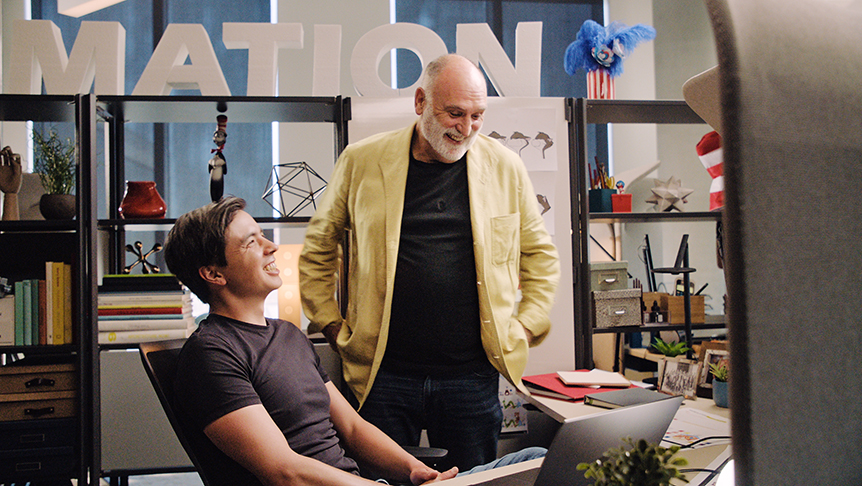
Meanwhile, the premiere episode of Made to Make featuring The Cat in the Hat is currently available for streaming on Autodesk’s official YouTube channel. Autodesk plans to release future installment episodes in the series, continuing to highlight the behind-the-scenes stories of creators, studio teams, and technology pioneers who are redefining the boundaries of physical and digital craft.