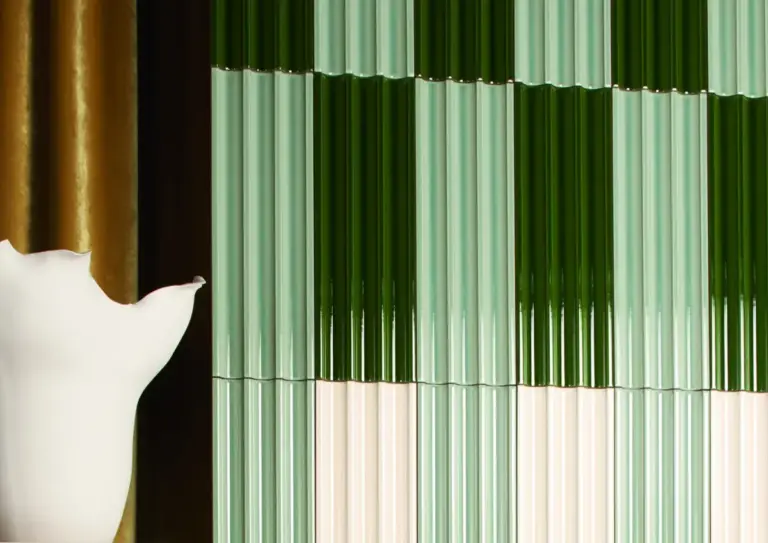
In contemporary architectural discourse, color is frequently treated as an afterthought—a decorative veneer selected from standardized commercial swatches, applied to surfaces once the fundamental spatial decisions have already been resolved. Yet within the rich and layered context of Latin American interior architecture, chromatic expression operates under an entirely different logic. As architectural writer Valentina Díaz observes in an examination of the region’s domestic spaces, color possesses an intrinsic biography. It carries origins, endures transformations, moves across disciplines and materials, and reflects the evolving social and territorial conditions of the environments it inhabits. Rather than existing as an isolated aesthetic choice, color within the domestic interior represents a complex convergence of geography, local craftsmanship, climate, and daily domestic life.
The concept that a color possesses a biography challenges the conventional modernist perspective that treats chromatic choices as purely formal or optical phenomena. Modernist theory, particularly in its standardized global iterations, has often favored monochromatic neutrality or treated primary colors as abstract, universal signifiers detached from place. By contrast, an architectural examination of Latin American interiors reveals that tones and shades are fundamentally dynamic. A color begins somewhere specific: in the composition of a particular regional soil, the mineral density of a stone quarry, the extraction of a plant-based dye, or the firing process of local clay. From these origins, color moves. It traverses the boundaries between traditional craft practices and contemporary architecture, migrating from textiles, pottery, and vernacular masonry into the spatial compositions of private residences and collective dwellings.
Throughout this migration, color undergoes a continuous process of recontextualization. What begins as an ordinary, practical byproduct of construction or material availability can, over time, acquire profound symbolic resonance. Conversely, colors that once carried ritualistic, sacred, or institutional meanings can be reabsorbed into the mundane texture of everyday life, persisting across generations without residents actively registering them as overtly cultural. As Díaz notes, the life of a color unfolds directly through the conditions under which it is produced, applied, repeated, and inhabited. When the social, technological, and material conditions of a society shift, the meanings, associations, and spatial readings carried by that color inevitably transform alongside them.
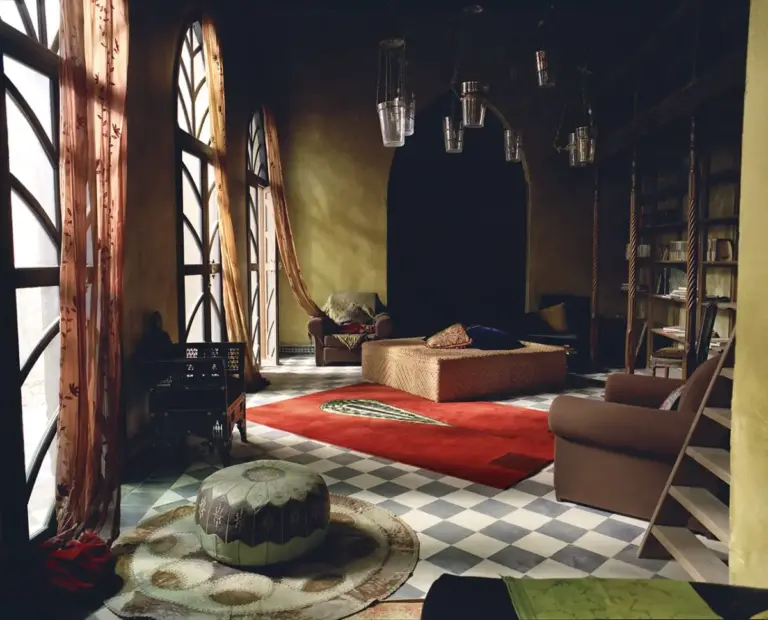
The domestic interior serves as the essential crucible where these disparate histories meet. While exterior facades negotiate public identity, urban regulations, and immediate environmental exposures, the interior functions as an intimate enclosure where human life unfolds in direct tactile contact with building materials. Inside a room, color is not an abstract concept observed at a distance; it is an environmental condition that interacts continuously with changing daylight, shadows, interior climate, and human movement. The walls, floors, ceilings, and built-in furnishings of an interior become repository surfaces, gathering traces of territorial identity, construction practices, and prolonged domestic routines.
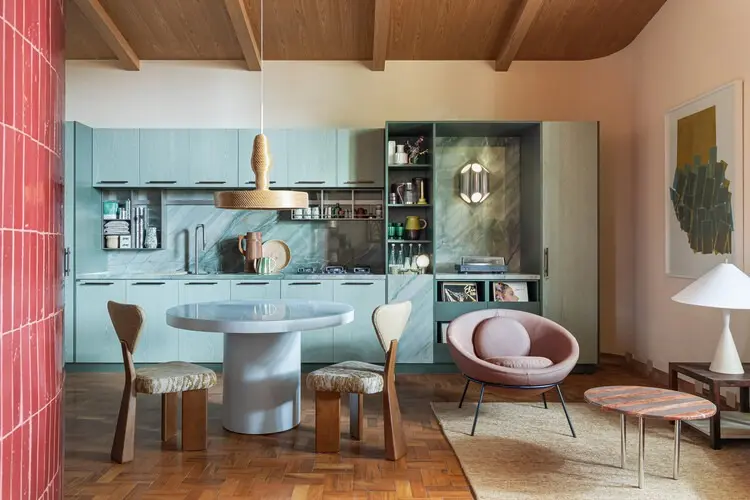
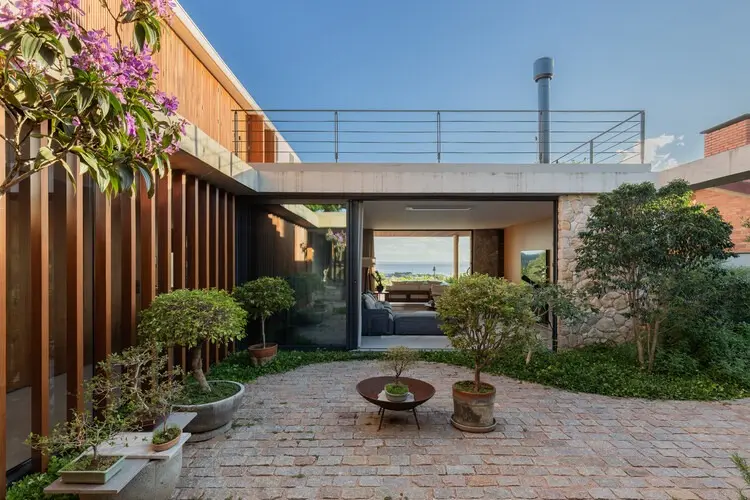
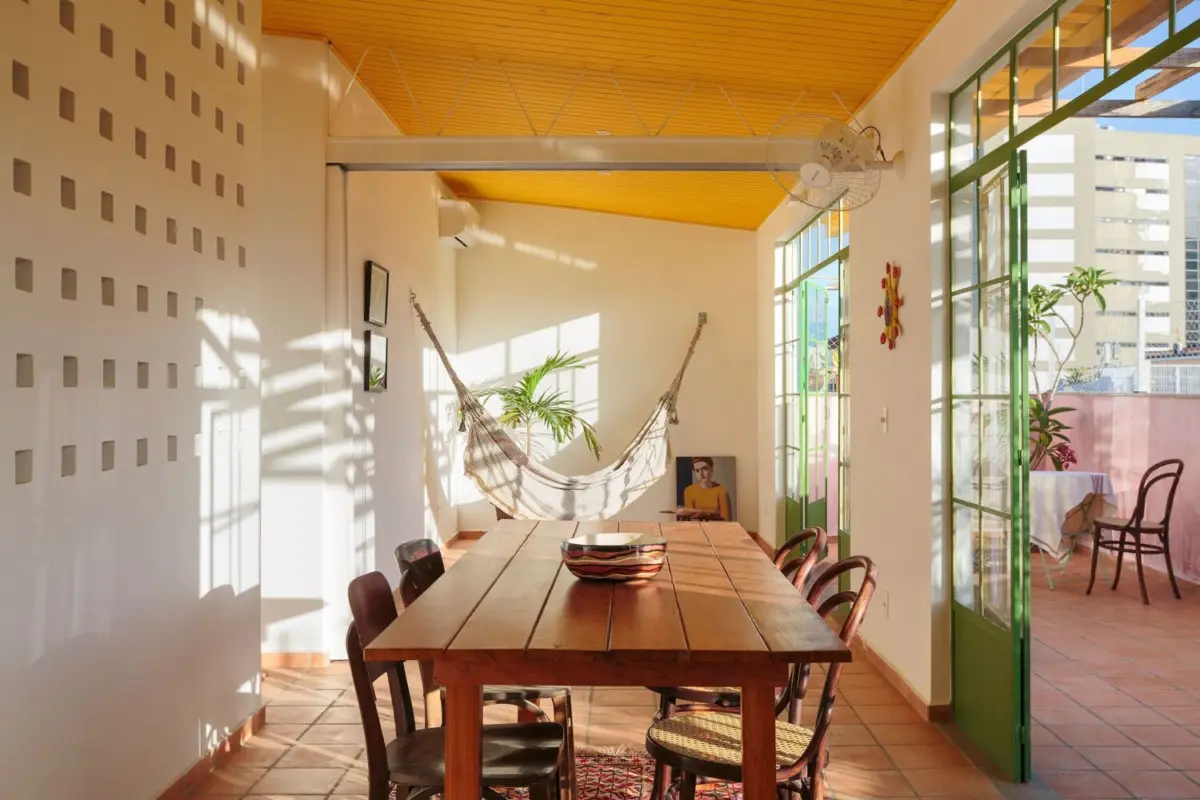
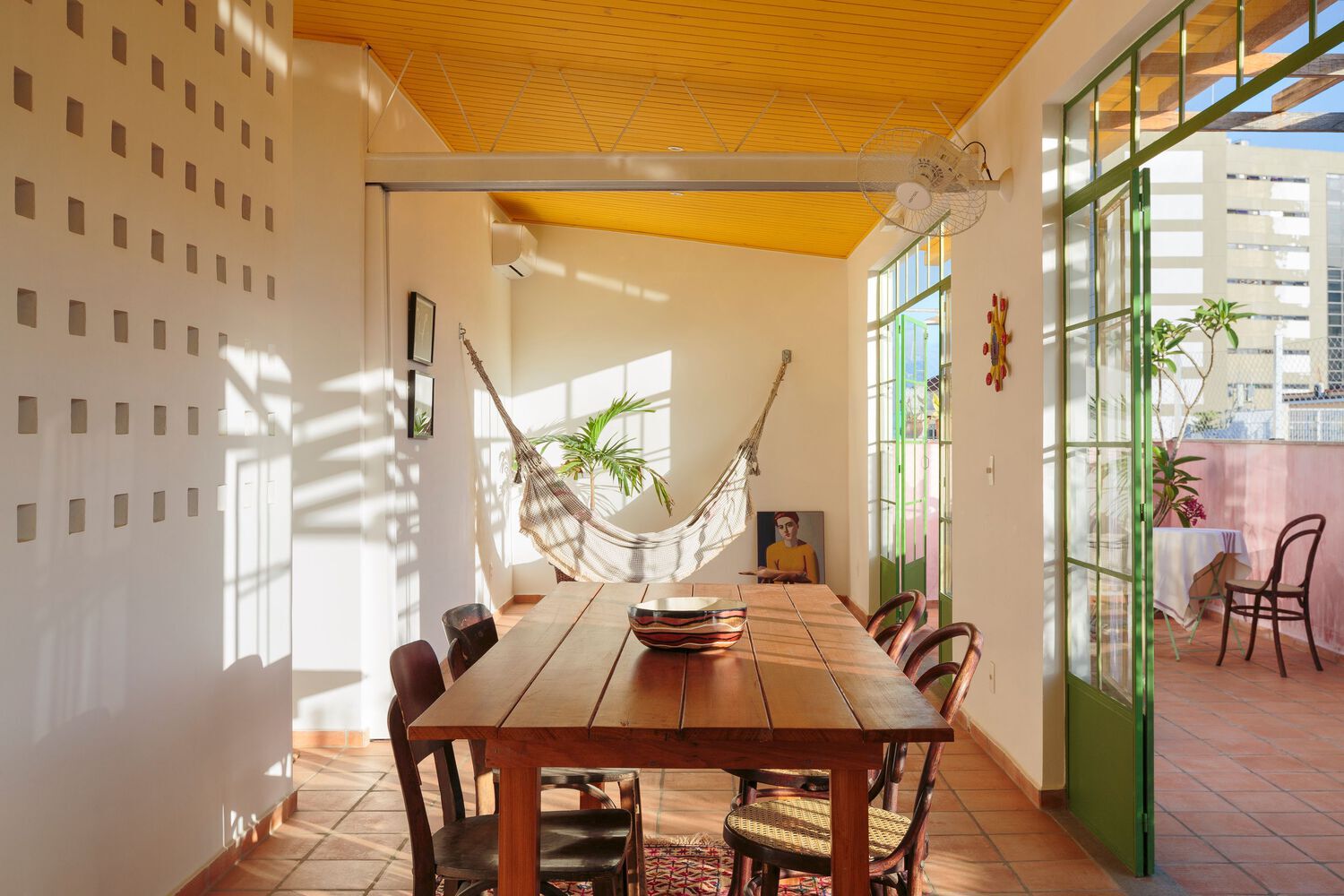
Importantly, this presence does not require a conscious or didactic intention on the part of the architect or the occupant. A room does not need to set out to represent a regional history or make an explicit cultural statement in order to embody it. In many of the most compelling Latin American interior projects, such as the CL Apartment designed by the practice MZNO, color emerges organically through the continuity of materials and traditional modes of living. When an interior incorporates exposed masonry, pigmented plasters, native woods, or localized ceramic finishes, the resulting palette is not a decorative overlay applied to signal identity; it is the natural consequence of engaging with the physical matter of the region. The chromatic atmosphere becomes an authentic dimension of the architecture, possessing a cultural weight that extends far beyond surface-level ornamentation.
This organic continuity illustrates how closely interior color is tethered to regional climate and geography. Latin America encompasses an extraordinary range of ecological landscapes—from high-altitude Andean plateaus and arid coastal plains to humid tropical basins and temperate southern valleys. In each of these environments, natural light possesses distinct intensities, angles, and color temperatures. An interior color palette that feels balanced and protective under the sharp, high-altitude sun of a mountain plateau would feel entirely incongruous in the diffused, humid light of a coastal forest. Vernacular builders and contemporary architects alike have long understood that interior hues function in tandem with climatic modulation. Deep earth tones, cool lime washes, and warm natural plasters are not chosen in isolation; they are deployed to regulate the psychological and sensory temperature of domestic spaces, providing refuge from exterior extremes while calibrating the ingress of natural light.
The material systems used to produce these colors further anchor them to specific territories. Before the global industrialization of synthetic paints, the coloration of domestic spaces was dictated by local geology and available binders—slaked lime, natural earths, volcanic ash, iron oxides, and organic resins. These materials imparted surfaces with a visual depth and textural variation that modern flat paints rarely achieve. When light strikes a wall coated in a traditional lime or mineral wash, it reveals subtle variations in grain, density, and saturation. Even as contemporary practices incorporate modern manufacturing processes and synthetic pigments, the architectural memory of these tactile finishes endures. Today, many designers across Latin America deliberately reintroduce artisanal plastering techniques, unglazed tiles, and natural mortars into contemporary urban apartments, recognizing that the subtle chromatic irregularity of craft-based finishes provides interiors with a grounding sense of permanence and warmth.
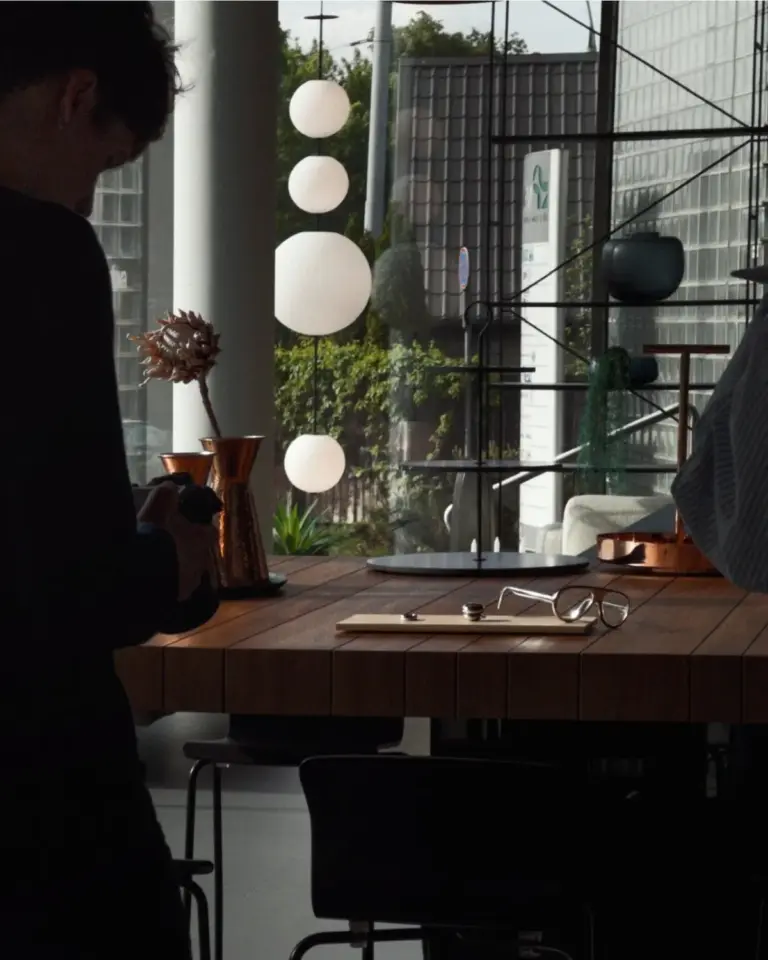
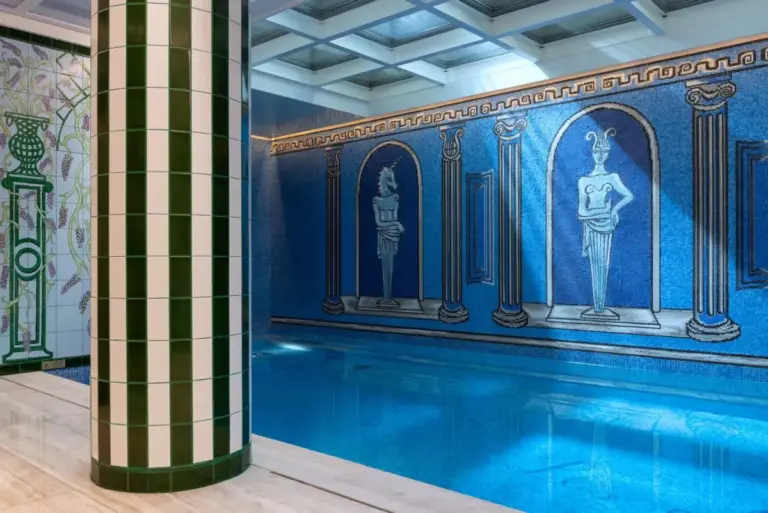
This interplay between material tradition and contemporary living also reshapes how interior spaces are documented and perceived. In architectural photography, such as Felco’s documentation of MZNO’s CL Apartment, the spatial life of color is rendered legible through the interaction of texture, furniture, and daylight. The images capture how an interior palette is rarely uniform; rather, it shifts dynamically as light moves across different planes throughout the day. In such spaces, color becomes active, softening transitions between rooms, accentuating structural joints, or framing specific domestic rituals. A deeply colored wall can anchor an area intended for quiet contemplation, while lighter, more reflective surfaces amplify natural illumination in communal living areas.

Moreover, the life cycle of color in interior environments is defined by inhabitation and maintenance. Over time, lived spaces accumulate wear, patinas, and interventions. Walls are repainted, plasters are patched, sunlight gradually bleaches surfaces near windows, and continuous handling polishes edges and surfaces. In many Latin American domestic contexts, the act of periodically refreshing interior walls—often through reapplication of lime or pigment washes ahead of seasonal shifts or family gatherings—is itself an embedded cultural ritual. Through these repetitive actions, color ceases to be a static design decision frozen at the moment of construction; instead, it becomes an evolving register of the household’s passage through time.
The distinction between intentional representation and lived continuity highlighted by Díaz provides a critical framework for evaluating regional design in a globalized era. In an international design market that frequently commodifies regional aesthetics—reducing rich cultural practices to superficial trends, stylized motifs, or curated color palettes—understanding color as a lived biography offers a necessary corrective. Latin American interiors derive their authenticity not from the deliberate staging of folklore or the performative application of bright hues, but from an unforced alignment between material logic, environmental awareness, and domestic practice. When color is rooted in the physical reality of a place and the rhythms of its inhabitants, it operates as an integral spatial element rather than a transient decorative device.
As cities across Latin America continue to densify and urban lifestyles adapt to changing economic and social realities, the ways in which interior spaces are conceived and inhabited will continue to shift. Apartment living, compact domestic footprints, and industrial construction methods inevitably introduce new constraints and materials into residential design. Yet, as contemporary projects increasingly demonstrate, the cultural life of color remains resilient. By looking to the intrinsic qualities of regional materials, the nuances of local daylight, and the layered histories embedded in the act of building, architects and designers continue to create interiors where color is not merely seen, but deeply felt and lived. The enduring significance of color in Latin American architecture lies precisely in this capacity to bridge past and present, anchoring the private domestic sanctuary within the broader, continuous narrative of its territory.