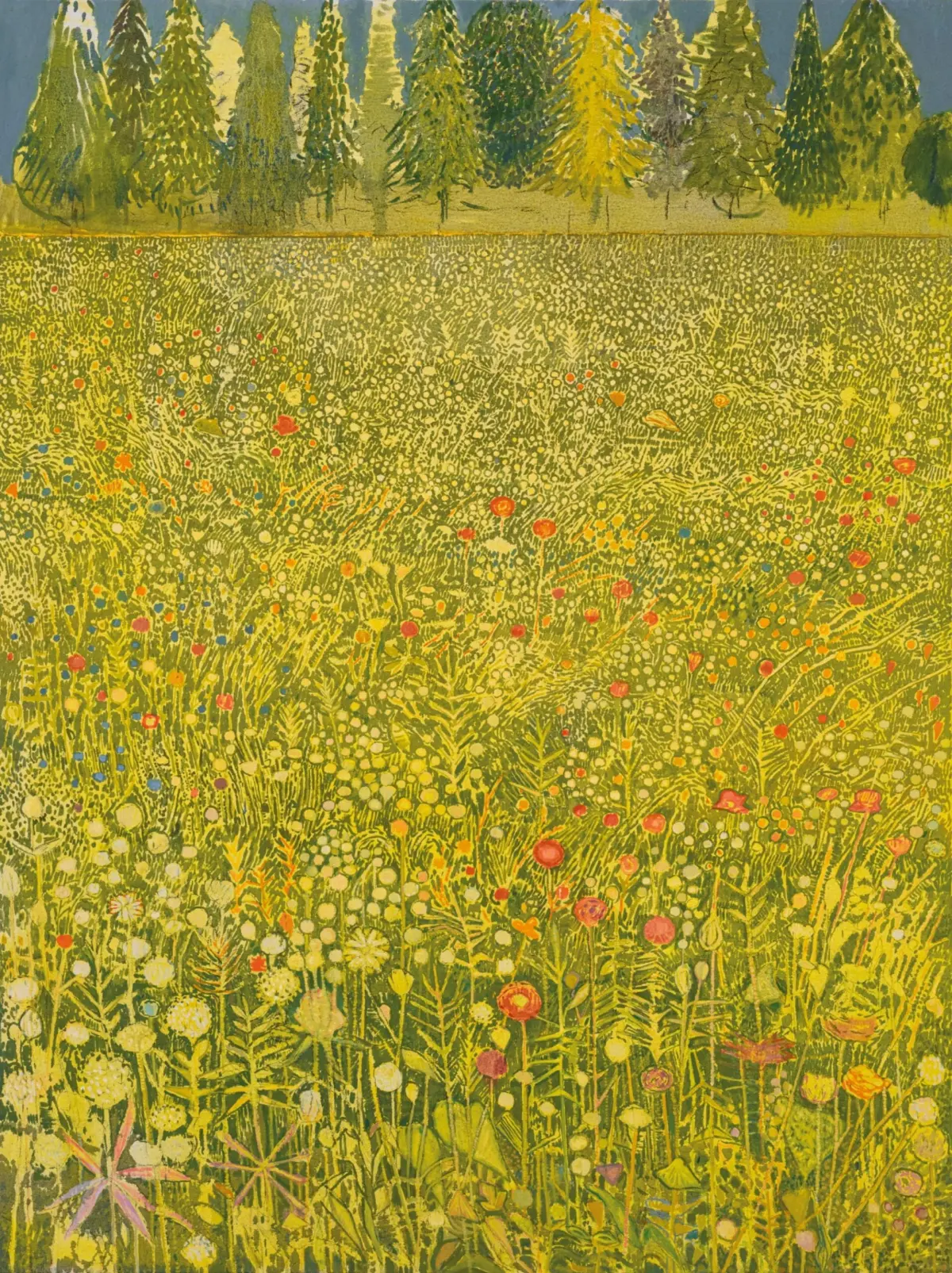
Stepping into the serene and atmospheric world of Sky Glabush’s paintings, viewers are immediately enveloped by a profound sense of place. It is easy to imagine a soft summer breeze grazing bare shoulders, or to hear the crisp, distinct crunch of autumn leaves underfoot, their parched fibers seemingly reverberating across the canvas and into the gallery space. Transportive and heavily charged with mood, these landscape paintings harness the raw allure of physical texture to pull the observer deeply into the composition, inviting them to linger, reflect, and stay a while.
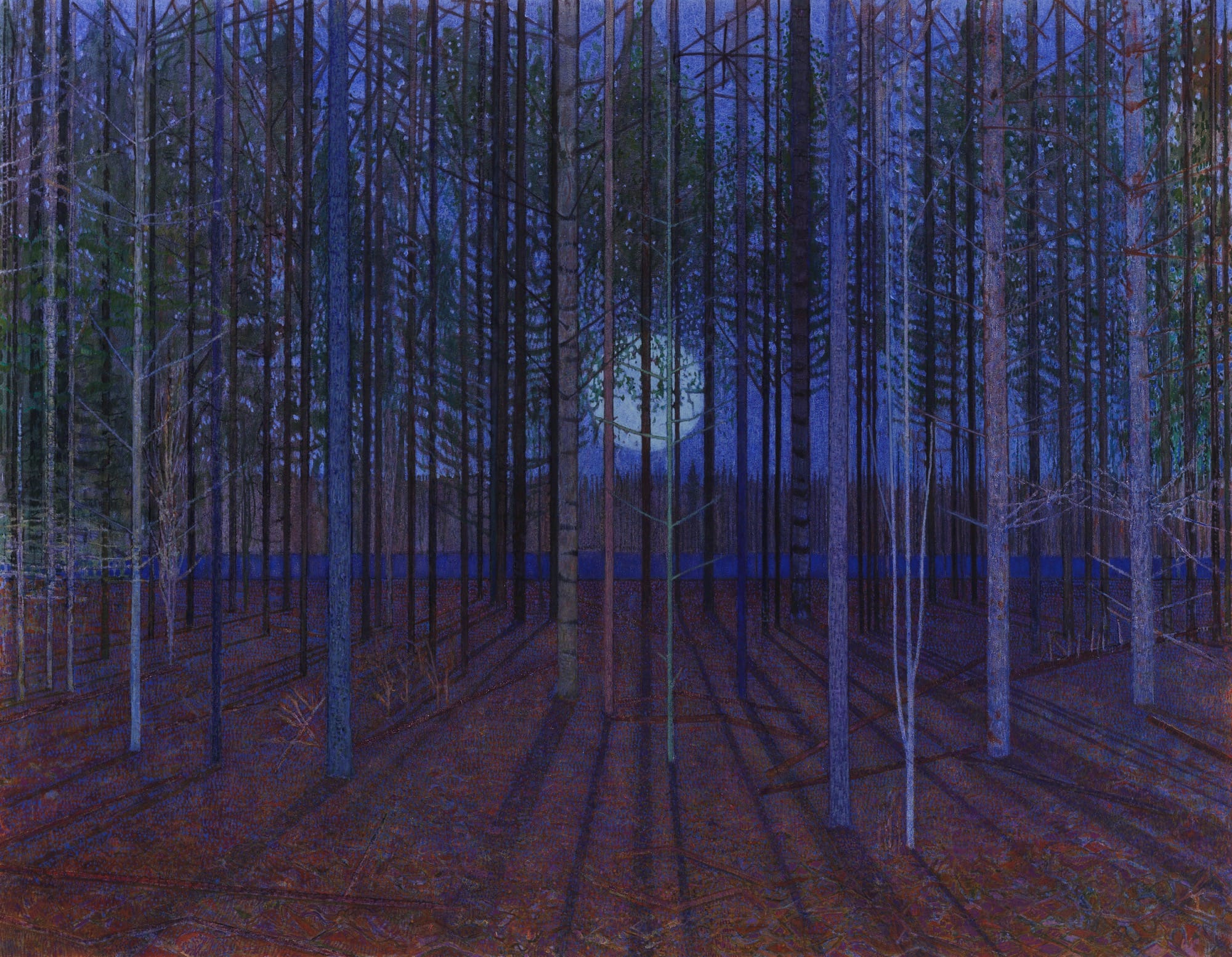
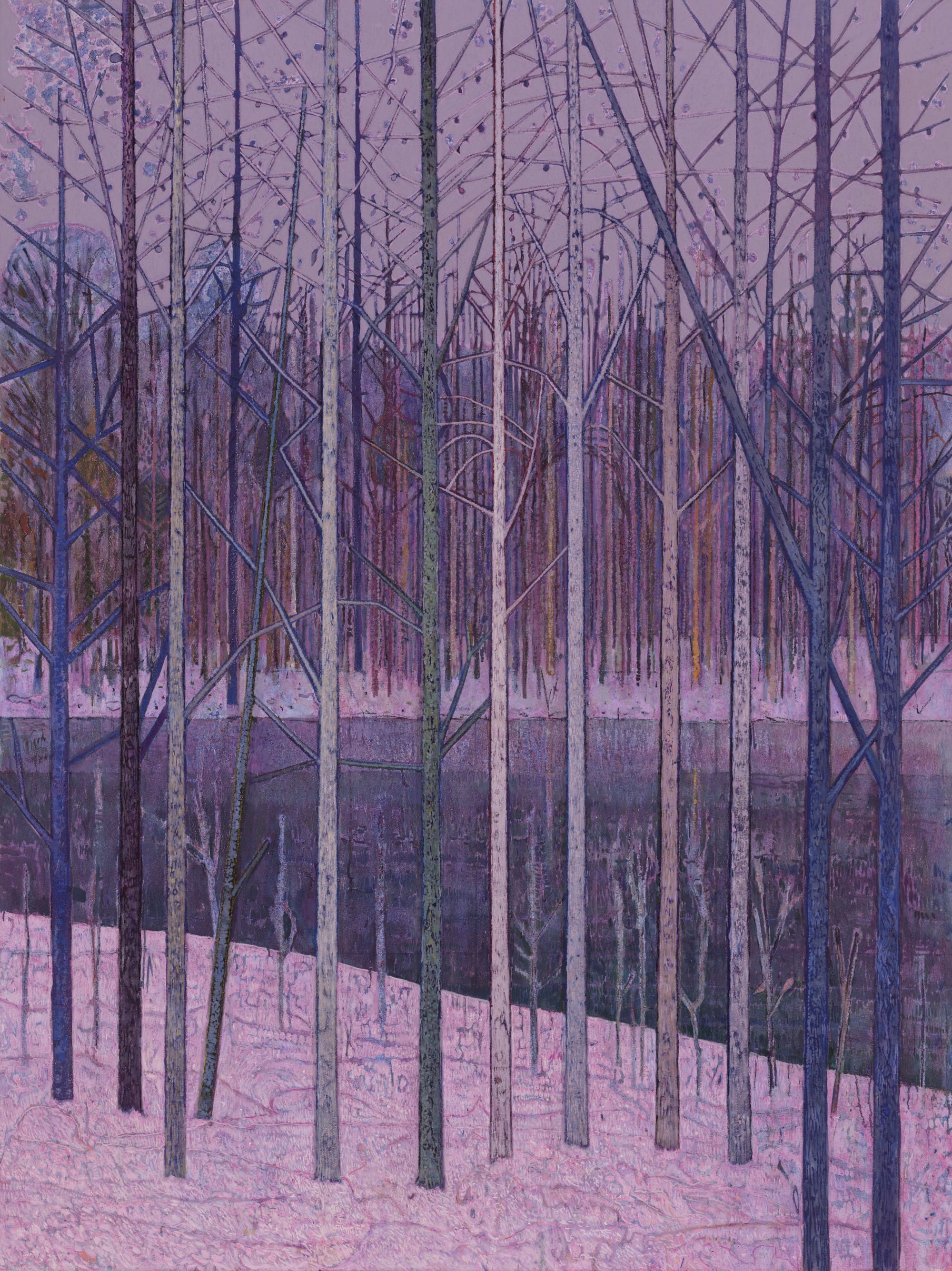
Raised along the rugged and picturesque west coast of British Columbia and currently living and working in rural Ontario, Glabush has maintained a lifelong, acute attunement to the natural world. This deep-rooted familiarity informs his creative process, wherein he frequently identifies specific emotional resonances and psychological feelings associated with a particular geographic location. He then translates these intangible experiences onto the canvas through a careful selection of color and highly intuitive interpretations of the terrain. The results are striking yet grounded compositions: the spindly, strangely straight tree trunks of a dense forest rendered with architectural precision, or the striking manner in which a bold sunflower mirrors the blazing, radial form of the sun itself.
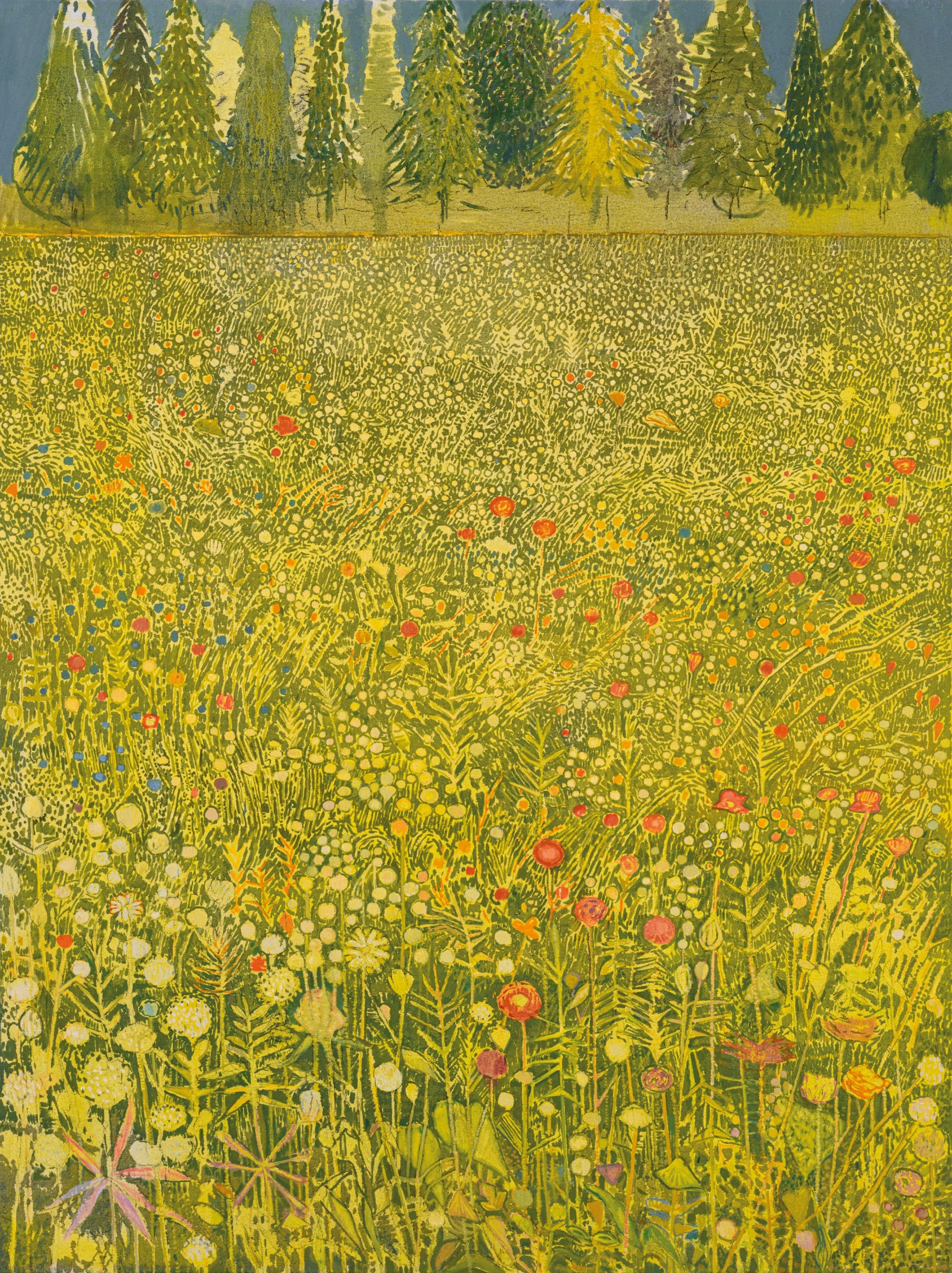
Central to Glabush’s distinctive aesthetic is his deliberate and restrained approach to color and materiality. He typically utilizes limited palettes that adhere strictly to just one or two color families, allowing tonal nuance to carry the emotional weight of the piece. Beyond traditional paint application, the artist is widely known for mixing oil paint with various granular particles. While crushed quartz and raw pigment have occasionally found their way into his mixtures, sand remains his most common and trusted medium for building surface complexity.
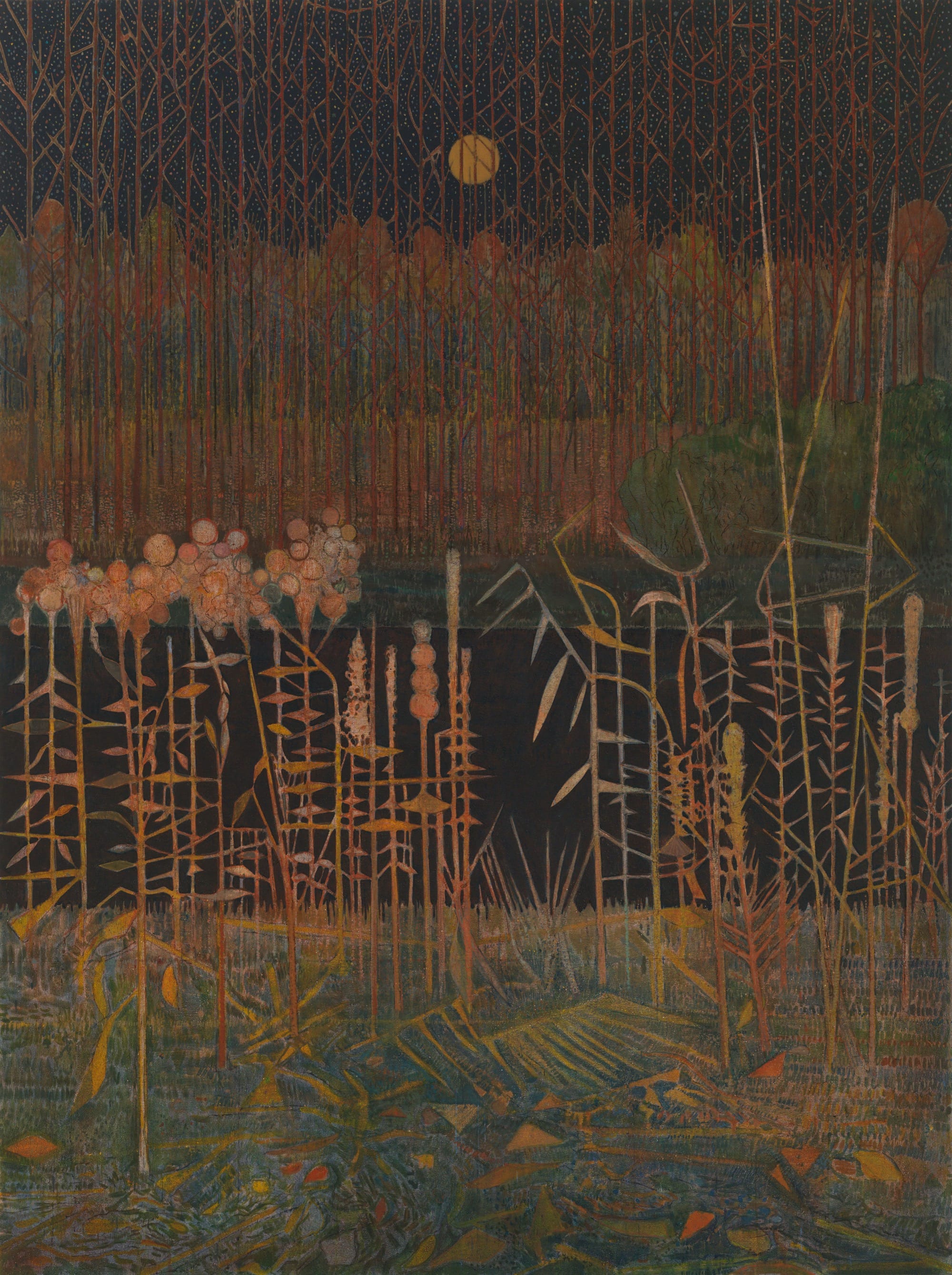
This innovative technique of combining traditional painting media with coarse, earthly elements originated from a very specific artistic impulse. Initially, the idea of incorporating these rough, granular materials emerged because the artist wanted to actively disrupt and, as he describes it, “obliterate the image.” However, this experimentation yielded a surprising revelation rather than an outright destruction of the pictorial space. Glabush quickly realized that the underlying image was not erased; instead, it remained persistently present, humming quietly just beneath the uppermost surface layer. This realization granted him a newfound sense of artistic freedom, allowing him to carefully dictate what elements he ultimately wanted to hold on to and what he chose to obscure or erase.
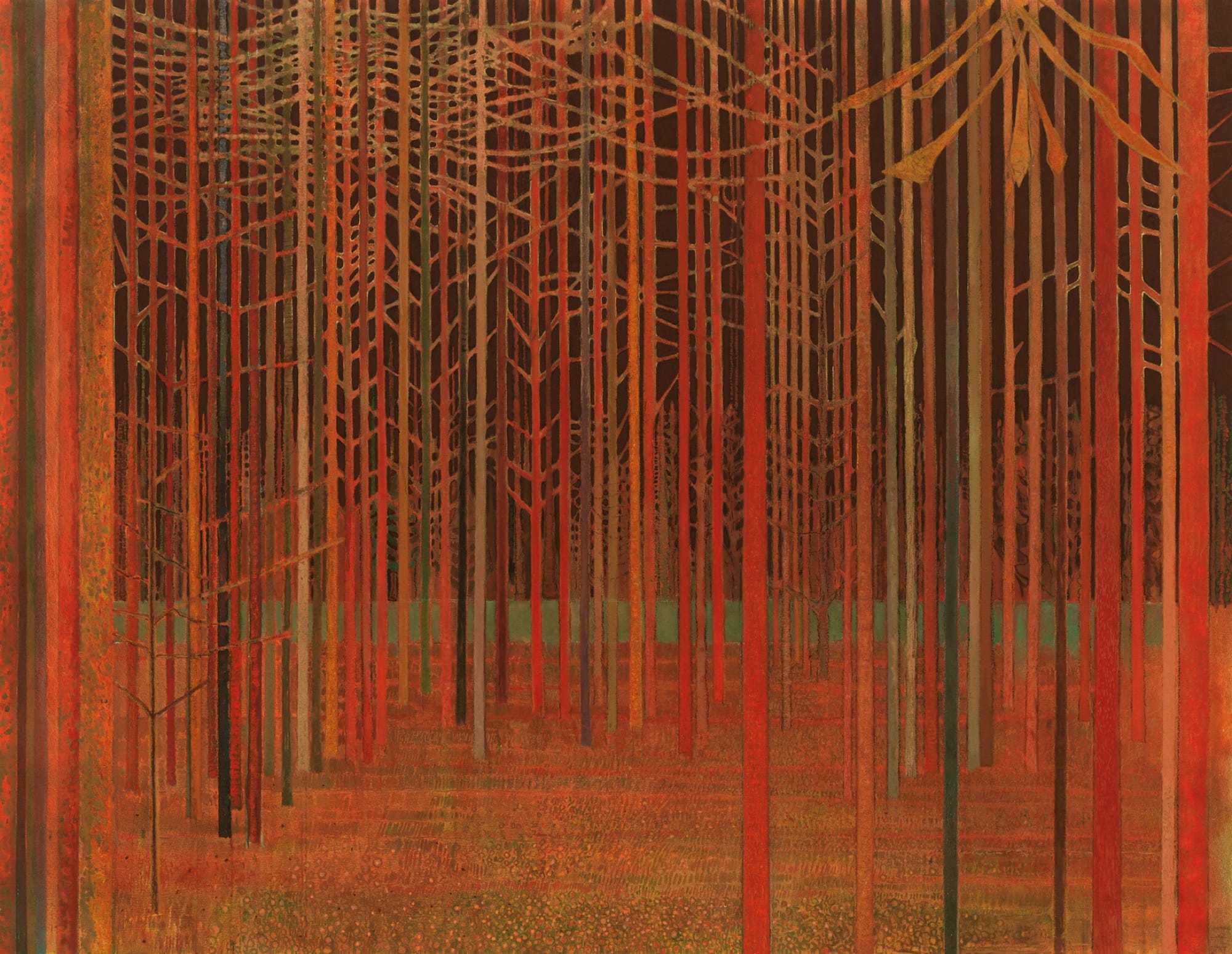
The dynamic interplay of adding and removing layers has since become an absolute cornerstone of Glabush’s contemporary practice. His studio method involves applying delicate, translucent stains of oil paint and turpentine repeatedly, building the surface up to the point where the painting begins to take on a tangible, relief-like quality. Every work typically commences with a firm architectural structure that serves to securely anchor the composition. Depending on the piece, this foundational pattern might take the form of a strict grid or a sweeping, expansive radial arrangement. These underlying geometric layouts quietly inform and structure each subsequent layer of paint and sand that follows.
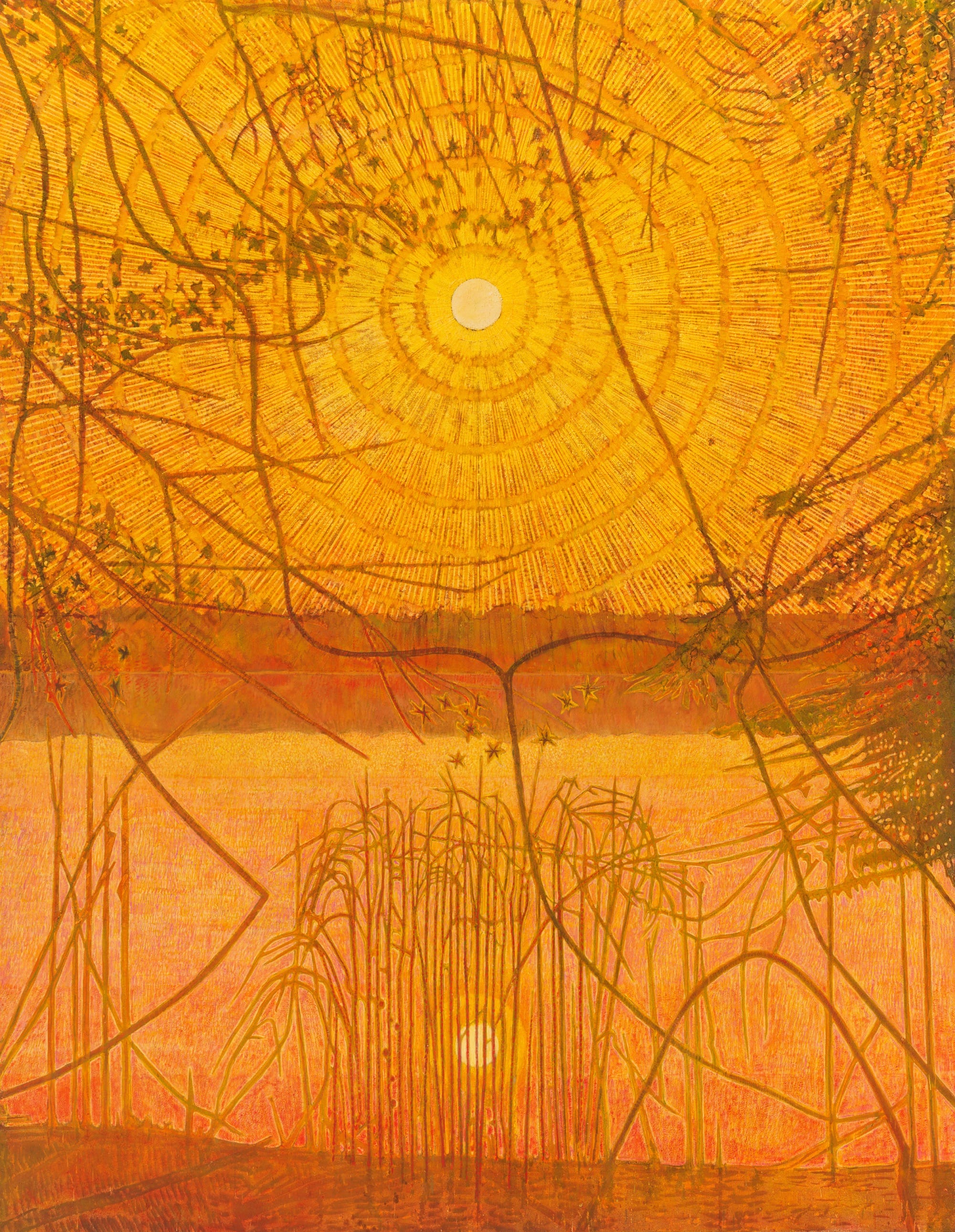
Yet, amid this rigorous structural framework, color remains the supreme unifying force within the work. For Glabush, color is never merely decorative; rather, it functions as the very energy and dynamism of the painting, serving as an essential element of surprise. He notes that individual paintings frequently undergo several dramatic iterations of color and palette shifts before he finally decides on a definitive compositional direction.
Although Glabush has successfully worked with a variety of other artistic mediums in the past—harboring a particular fondness and talent for the physical demands of carving—the enduring conventions, challenges, and rich history of painting have continually drawn him back into its fold. Reflecting on his brief forays into three-dimensional disciplines, the artist notes how those experiences ultimately enriched his two-dimensional output. That dedicated period of experimentation with sculpture ultimately allowed him to approach his canvas-based works in a manner that was physically more robust, daring, and experimental. Even during the height of his most experimental sculptural phases, he firmly viewed himself primarily as a painter, driven to discover new pathways for personal expression strictly within the traditional language of painting.
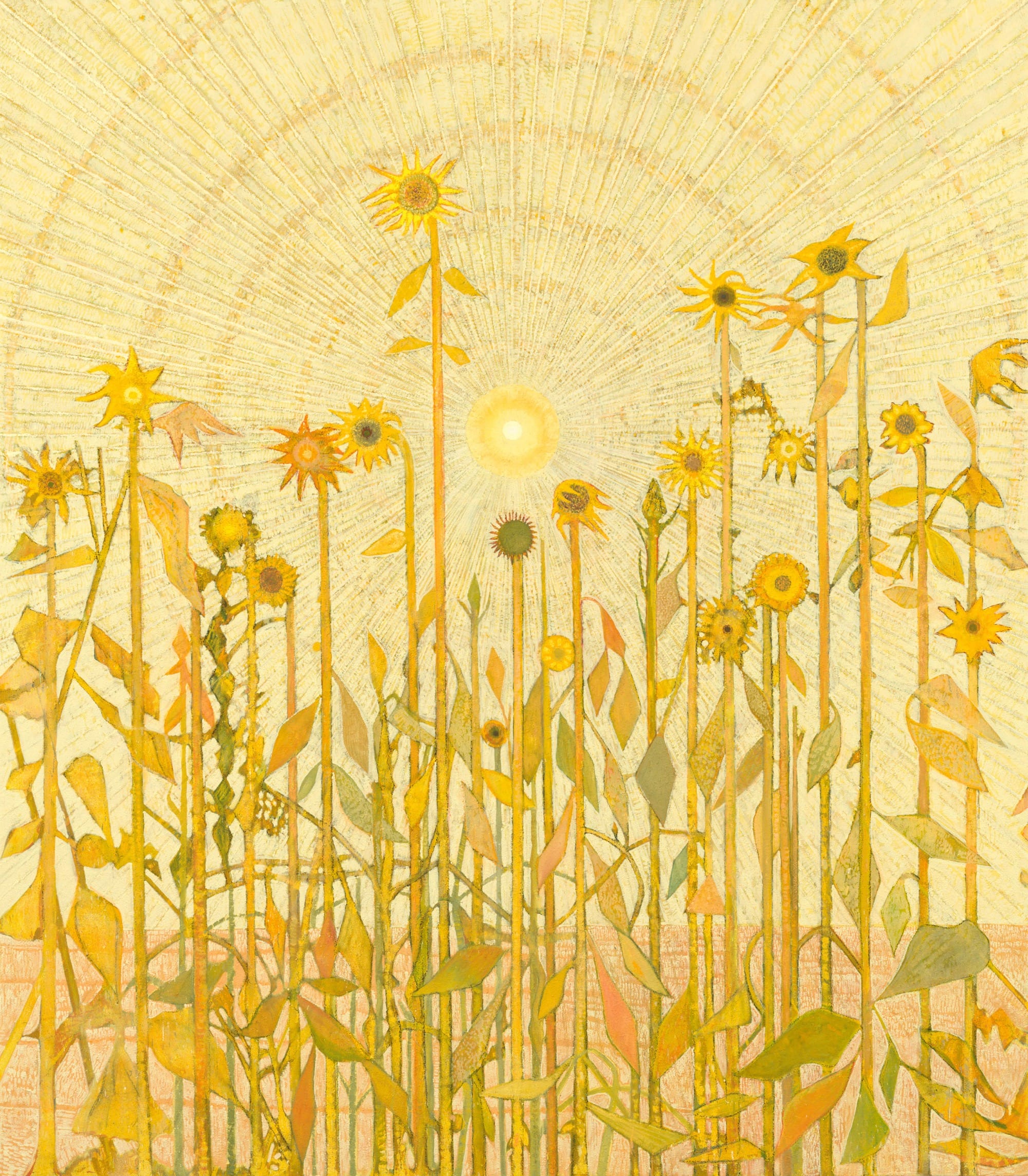
Art enthusiasts and collectors eager to experience these tactile, atmospheric vistas firsthand will soon have the opportunity to view a selection of these remarkable pieces. Several of Glabush’s latest and most compelling works are featured in his upcoming solo exhibition, titled If the Wild Bird Could Speak. The exhibition is scheduled to run from November 20 to January 9 at the prestigious Alison Jacques gallery in London, offering international audiences a comprehensive look at his recent explorations of terrain, memory, and material.