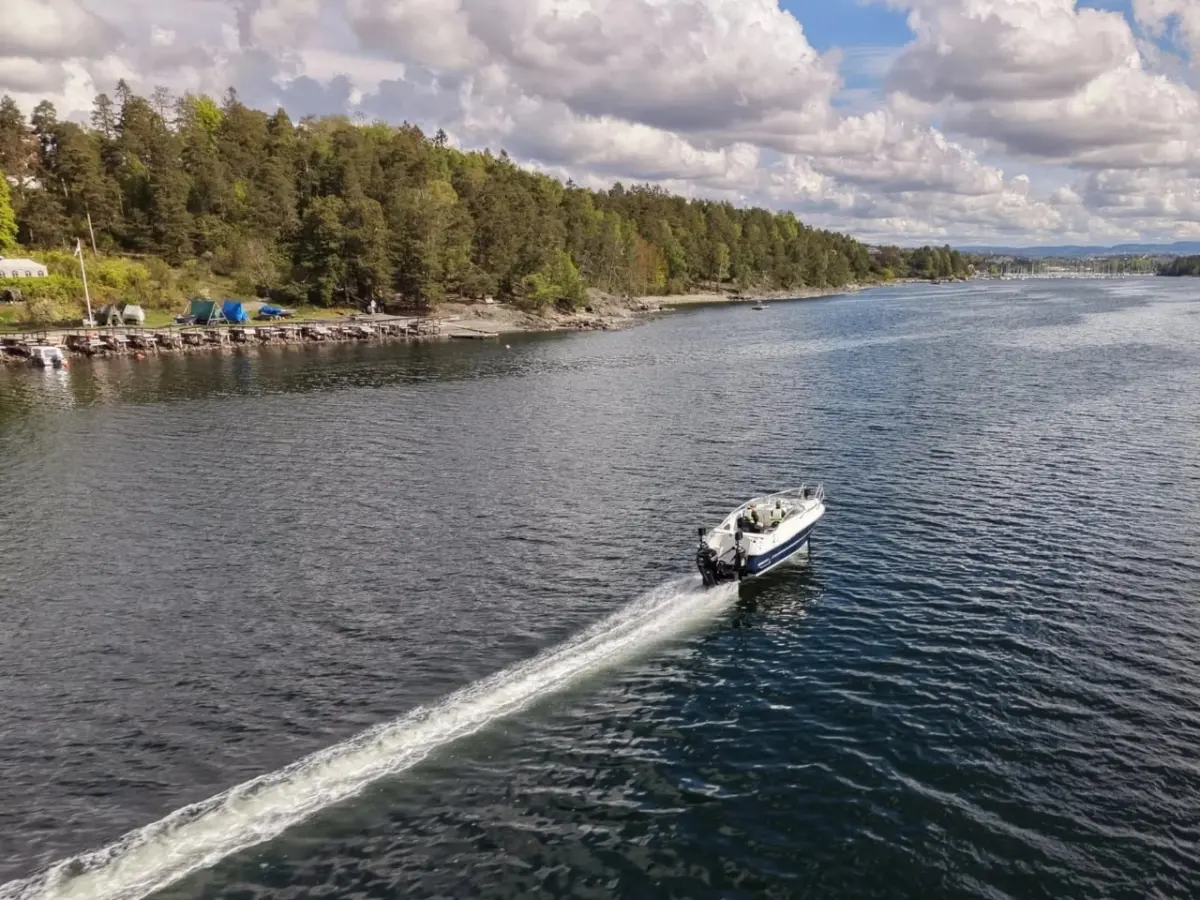
The visual appeal of a speedboat rising gracefully above the water has always been an easy sell for marine enthusiasts and designers alike. Yet, the much less glamorous question hanging over the modern marine industry is what happens to the perfectly usable boats people already own. Replacing an entire vessel just to secure a smoother, more efficient ride is an extravagant and environmentally taxing upgrade path. Norwegian engineering firm Lift Ocean is working on an alternative approach with ONE, a specialized hydrofoil system designed to fit conventional boats rather than demanding the creation and purchase of a completely new hull.
While the concept of hydrofoils is far from novel, applying them as a flexible system to existing boat architectures represents a notable shift in marine design philosophy. The hardware layout of ONE is engineered for straightforward physical logic, featuring one foil assembly positioned at the bow and two at the stern, perfectly flanking a single outboard motor. Each of these assemblies places a movable underwater wing at the bottom of a vertical mast. As the vessel builds speed, those submerged wings generate hydrodynamic lift, elevating the hull entirely clear of the water’s surface. While this arrangement looks distinctly unconventional, the underlying mechanical logic is simple: by drastically reducing the amount of hull surface moving through the water, the system dramatically cuts down hydrodynamic resistance and drag.
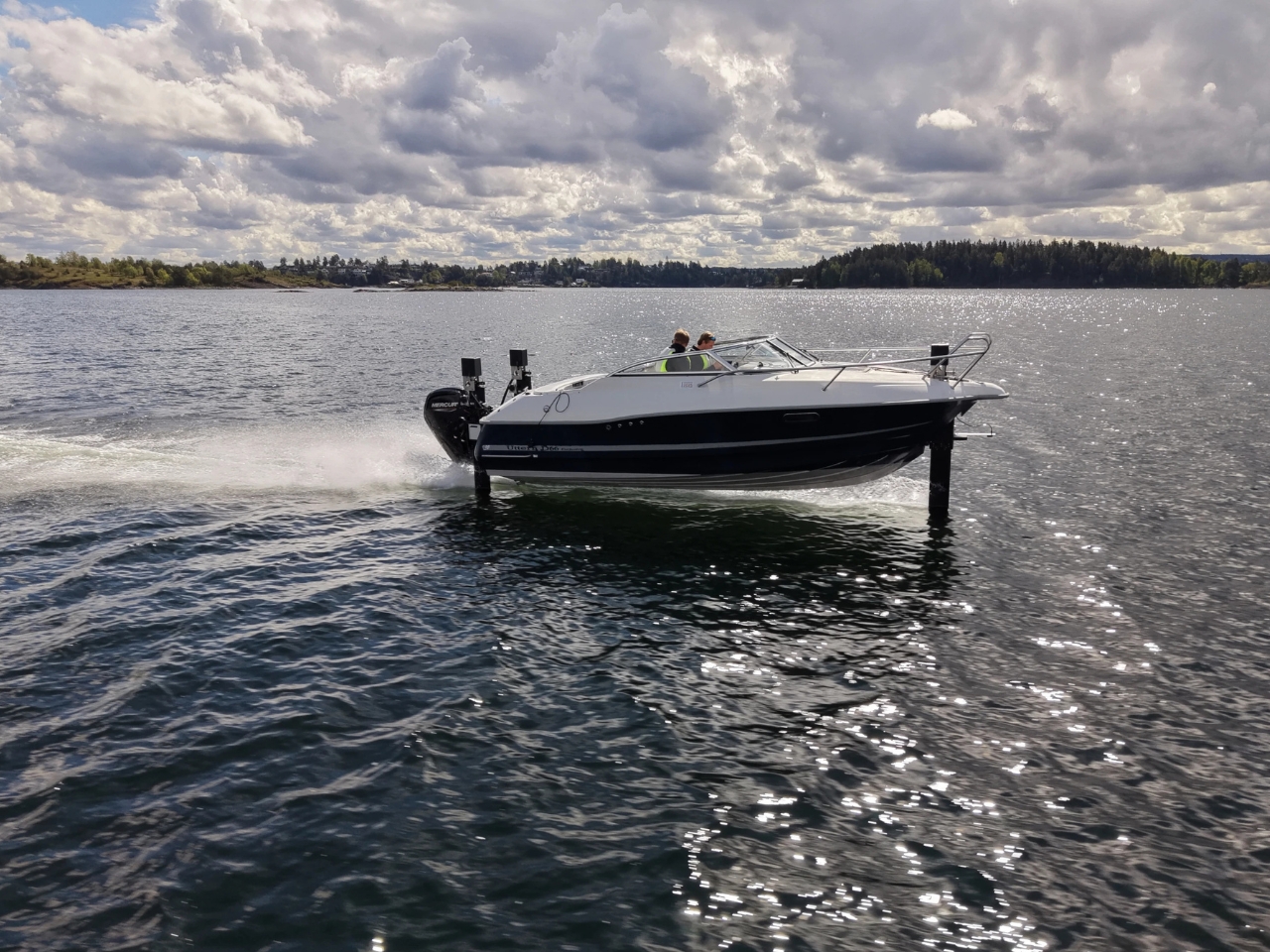
Keeping such an arrangement stable and reliable requires far more than simply bolting wings to the bottom of a boat. Lift Ocean addresses this challenge through an integrated active control system that automatically adjusts the angles of the underwater wings in real time. This automated management maintains a consistent ride height and smoothly handles banked turns during navigation. Because of this automation, the driver continues to operate the vessel using familiar steering and throttle controls, rather than needing to learn how to manually balance a flying boat. By embedding the technical complexity inside the automated control systems where it can perform useful work, the design avoids turning a familiar recreational activity into an intimidating new skill test.
Beyond the dynamic performance in open water, the mechanical details of the hardware reflect a practical understanding of how boats are actually stored and maintained. The retractable wings developed by Lift Ocean are just as important to the overall design as the dramatic flying-boat footage, even if they command less initial attention. According to the company, retracting the foils allows the vessel to operate in a conventional planing mode when desired, while also reducing marine growth accumulation and simplifying routine maintenance procedures. Furthermore, Lift Ocean’s CEO has noted that this retractable arrangement comfortably accommodates a standard boat trailer. These are sensible design priorities that recognize a boat must eventually come home, sit unused in a driveway or slip, and undergo regular cleaning, meaning the architecture must handle these unphotogenic hours gracefully.
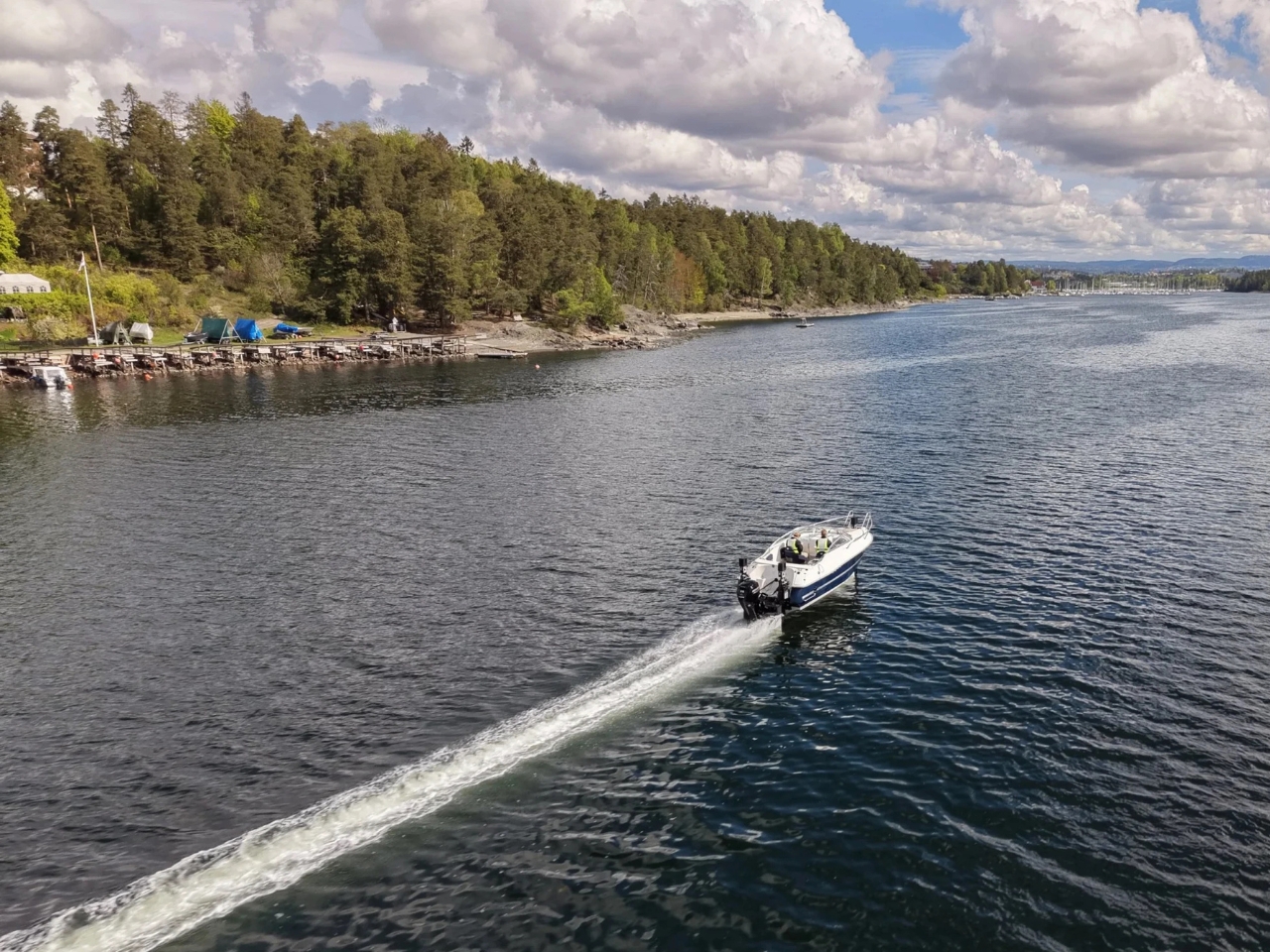
Compatibility represents another compelling choice in the development of the system. ONE is deliberately engineered to work seamlessly with both traditional gasoline outboards and modern electric propulsion units, meaning that adopting the technology does not inherently force owners or builders to change their energy sources. To ensure continuous functionality, an automatic engine lift bracket moves the motor vertically, keeping the propeller properly submerged even as the main hull rises out of the water. This engineering detail is critical, as lifting the hull is only useful if propulsion continues working uninterrupted. The automated bracket effectively solves a physical problem created by the very feature that draws people to the technology in the first place.
When it comes to operational performance, the efficiency claims associated with the system are substantial. In reports published by New Atlas following industry updates, Lift Ocean indicated that measurements gathered from its test boats and client prototypes demonstrated roughly a 50 percent reduction in fuel consumption, though the company emphasizes that exact results will naturally vary between different vessel types and weights. While industry observers treat such figures as company-reported milestones rather than guaranteed discounts at the fuel dock, reducing the energy required to move an existing hull remains a compelling direction for marine engineering. It shifts the conversation about efficiency from solely focusing on alternative power sources to also examining how a boat travels through the medium itself.
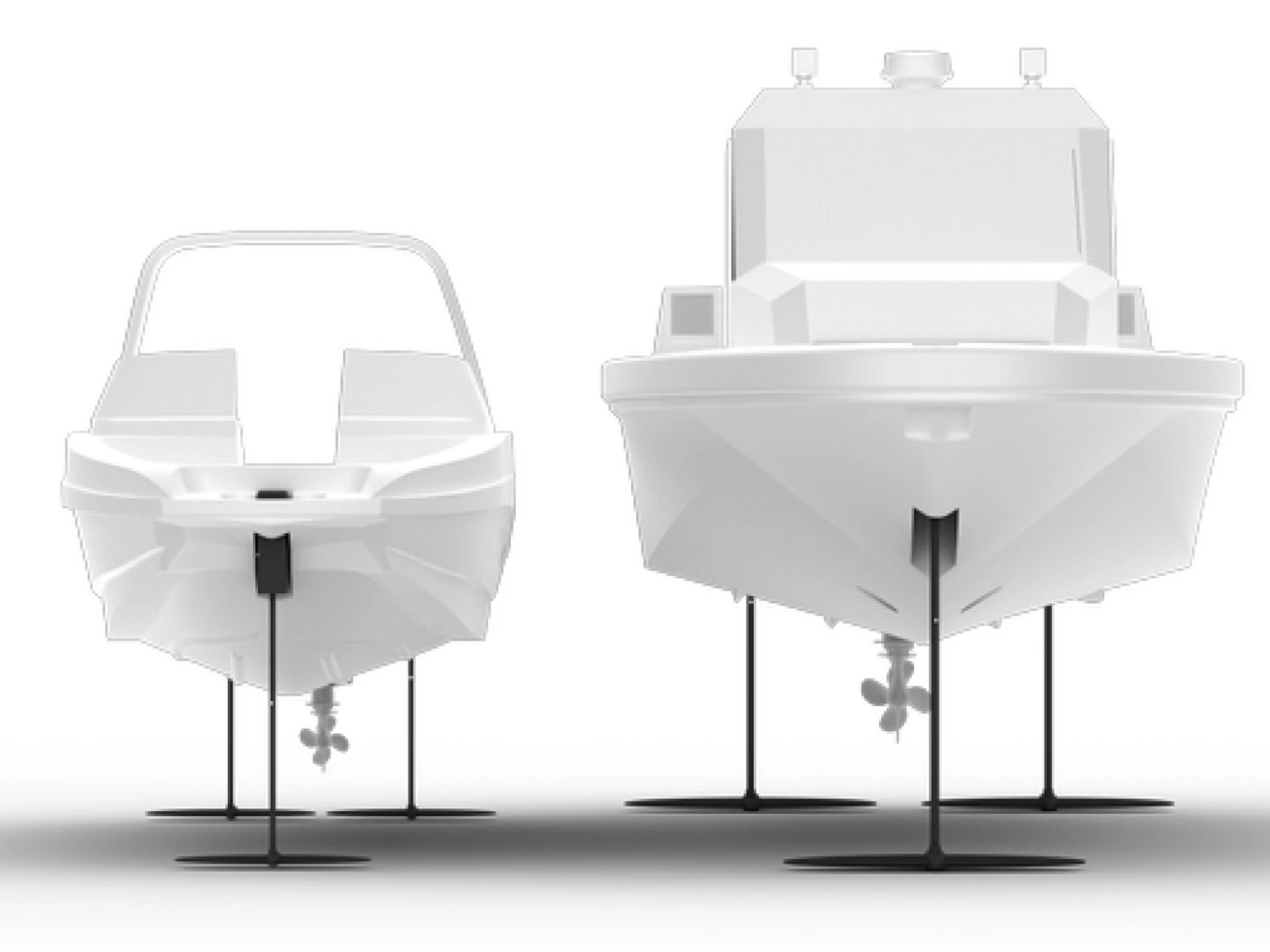
Lift Ocean has also been transparent about the realities of installation and engineering integration. In an interview with Marine Industry News, CEO Petter Mårland Pedersen explained that structural modifications are normally required depending on the specific vessel being upgraded. The concept of a bolt-on system should never be mistaken for universally effortless installation. Boatbuilders still have substantial integration work to perform, and a standardized hydrofoil system does not erase the unique structural characteristics, weight distributions, or proportions of an individual boat. That realistic caveat adds significant credibility to the company’s proposition, leaving ample room for genuine naval architecture and custom engineering rather than promising a universal quick-fix accessory.
For individual consumers, the system is not positioned as a weekend DIY installation project. According to industry reports, initial commercial availability and shipping schedules are strictly limited to boat manufacturers and commercial fleet operators, with deployments expected in the coming year. This establishes ONE firmly as a supplier-side technology offering advanced foiling capabilities directly to the marine manufacturing industry, rather than an off-the-shelf accessory that boat owners can order for a weekend excursion.
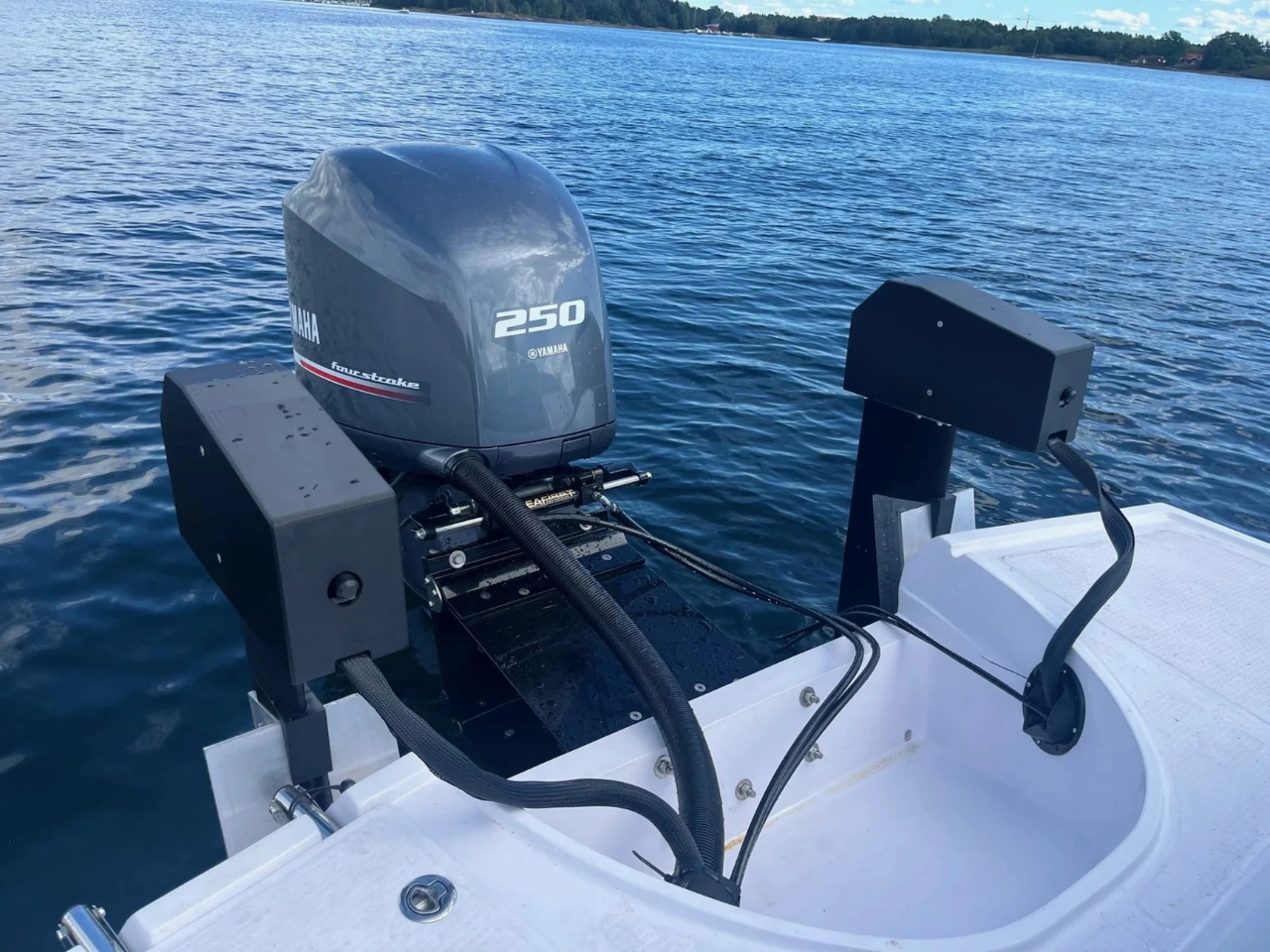
Before the marine market can fully embrace ONE as a practical, everyday upgrade, prospective buyers and builders will need to evaluate the installed price, ongoing maintenance requirements, and verified fuel savings across specific vessel models. Yet, as a broader design proposition, the system has successfully captured the attention of the maritime sector. The fundamental appeal lies in the ability to vastly improve the performance and efficiency of a familiar object without treating the entire hull as obsolete. If boatbuilders can master the integration process, the most satisfying achievement of this technology may simply be the perfectly good hull that owners did not have to replace.