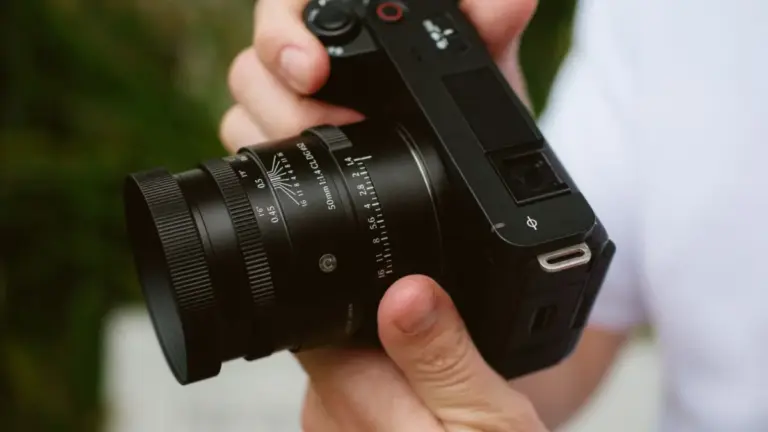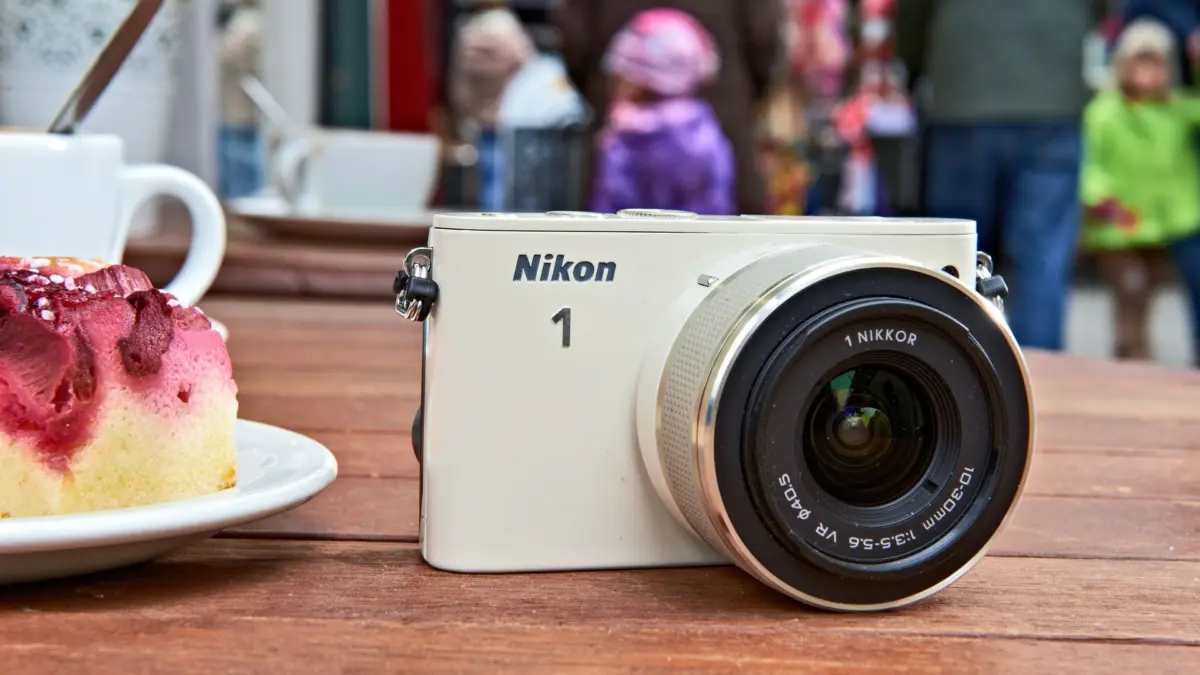
The modern photography landscape is currently undergoing a massive cultural shift, one that has effectively raised the point-and-shoot camera from the dead. Across the industry, compact mirrorless designs are riding this exact same wave of nostalgic popularity. Amid this resurgence of pocketable hardware—sparked further by recent high-profile entries like a one-inch sensor mirrorless camera from GoPro—it is difficult not to look back at a pioneering experiment from a previous decade that attempted something remarkably similar: the Nikon 1 series.
The Nikon 1 series was a groundbreaking line of ultra-compact mirrorless camera bodies built entirely around a smaller one-inch sensor format. When the system first launched in 2011 with the introduction of the Nikon 1 J1 and the more advanced V1, it represented a bold bet on the future of portable digital imaging. At the time of its debut, Nikon proudly advertised the 1 J1 as the world’s smallest and lightest interchangeable lens mirrorless camera. The smallest models in the lineup bore a striking resemblance to traditional point-and-shoot compacts, though attaching a dedicated lens immediately expanded their footprint, making them far less pocketable in everyday practice.
As the ecosystem evolved, Nikon continued to refine the formula. Just a year after the initial rollout, higher-resolution iterations arrived on the market in the form of the Nikon 1 J2 and the 1 V2, offering enhanced performance and updated styling to attract consumers looking for a step up from smartphone photography.
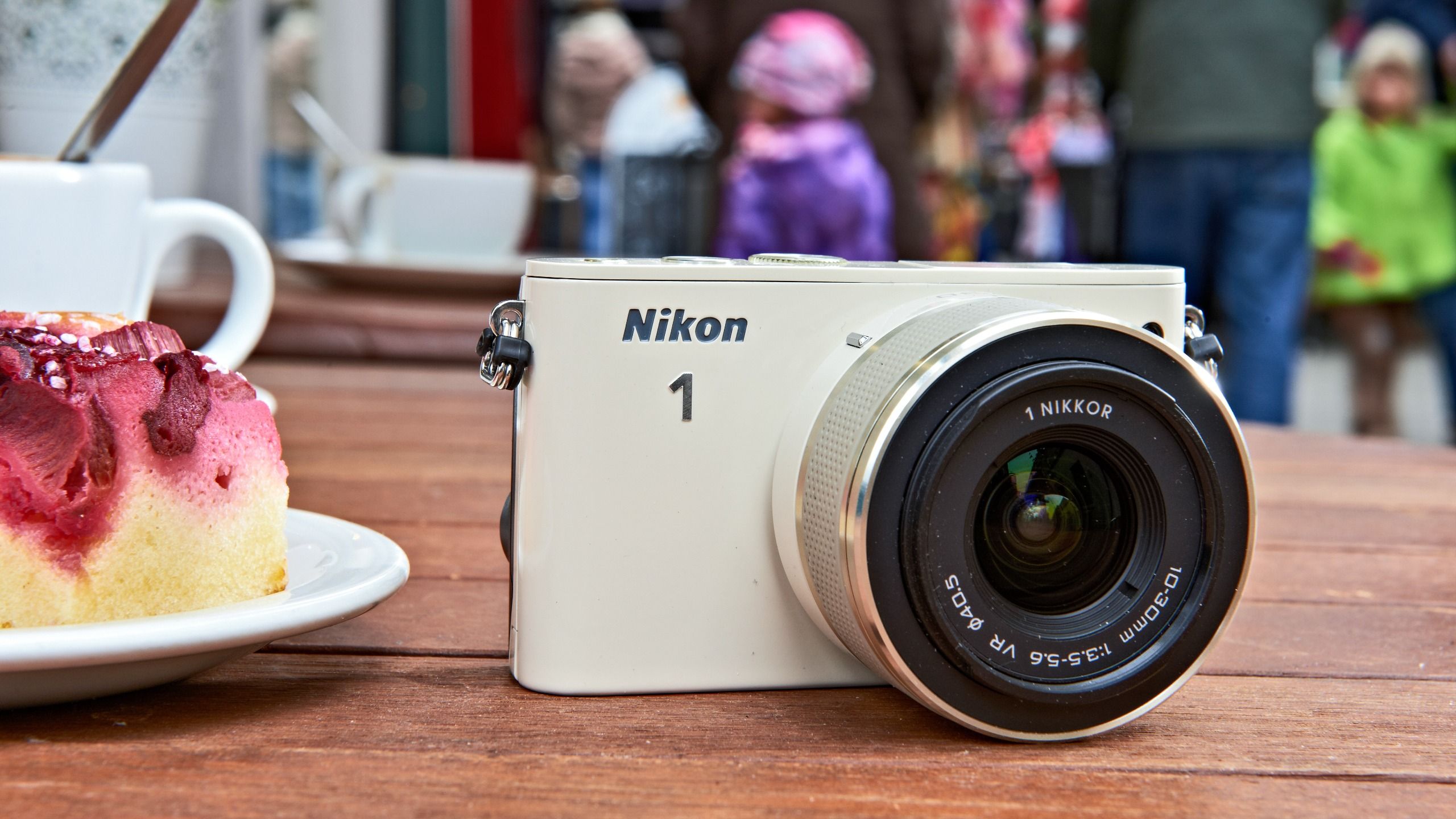
However, shifting market dynamics eventually forced a corporate pivot. Nikon officially discontinued the entire 1 series in 2018 as the company redirected its engineering and manufacturing resources toward the development of the full-frame Z system. At the time, shifting focus to the Z mount was indisputably the correct strategic move for Nikon, enabling the brand to build a robust lineup of professional-grade mirrorless cameras that could compete effectively in the modern professional market.
Fast forward to the present day, however, and the broader consumer climate has transformed dramatically. Compact cameras have become so intensely trendy that the most popular models routinely face severe supply shortages and backorders at major retailers.
This surging point-and-shoot trend has naturally bled over into the mirrorless sector as well. Many mirrorless alternatives to viral compact cameras have made consistent, prominent appearances on global best-seller lists. From Sony’s compact full-frame offerings like the A7C II to the latest Micro Four Thirds OM System PEN cameras, consumers are actively hunting for smaller, lighter hardware. Major manufacturers are leaning heavily into this consumer appetite; recent hardware launches, such as the Nikon Z5IIC, explicitly target this trend by packing a high-end sensor into a significantly smaller body stripped of a traditional electronic viewfinder.
It is not merely the current point-and-shoot craze that brings the Nikon 1 series back into public memory, however. The industry has recently seen unexpected developments, such as GoPro’s launch of the Mission 1 Pro ILS. This new device officially revives the one-inch sensor mirrorless format, though it is engineered primarily with cinematic filmmakers in mind rather than still photographers.
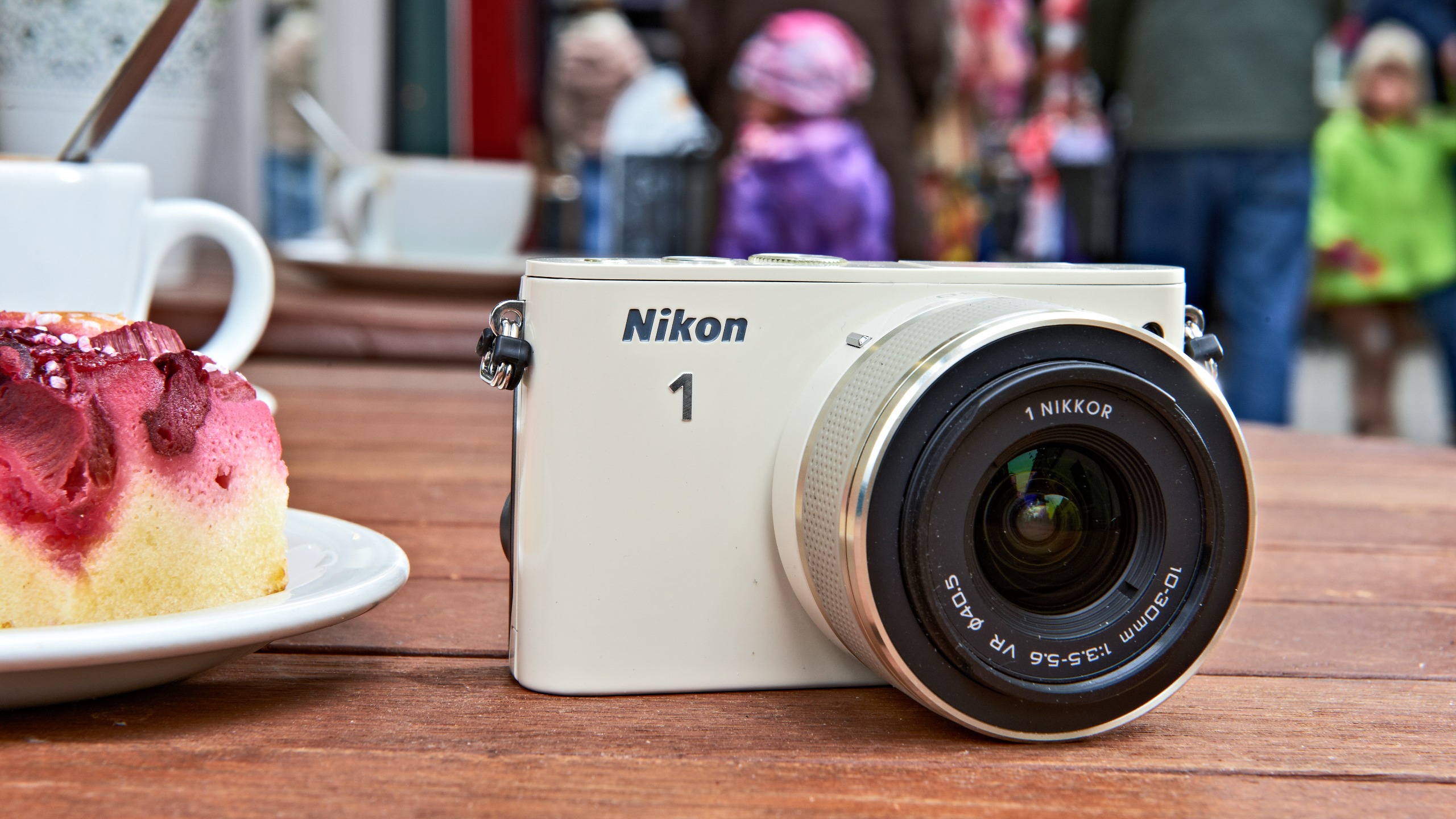
While the Nikon 1 series itself is long gone, the foundational one-inch sensor size that debuted with those original models remains an industry staple. That particular sensor format has achieved enduring popularity among modern premium point-and-shoot cameras, and now, specialized releases have brought the format back into the mirrorless conversation.
Looking back, several features of the Nikon 1 series that felt unusual or experimental at the time have since become standard expectations across the industry. For instance, the system’s blistering 60 frames-per-second burst mode, powered by an advanced electronic shutter, is now easily found among modern, larger-sensor mirrorless cameras. Yet, other remarkably ambitious traits belonging exclusively to the Nikon 1 lineage remain firmly trapped in the past.
Among the most notable was the Nikon 1 AW1, which holds the distinction of being the world’s first waterproof interchangeable lens mirrorless camera. While the modern market features plenty of weather-sealed, splashproof bodies, the AW1 remains entirely unique in its native ability to be submerged underwater without the need for an external bulky housing. Even GoPro’s entry into the mirrorless space requires a properly sealed lens to achieve basic splash resistance, falling short of true submersibility in the same fashion.
Given the current viral success of standalone compact cameras, it raises a compelling hypothetical question: Would the Nikon 1 series have met a vastly different, more successful fate if it had launched today instead of 2011? During its initial run, the system found significantly more traction among casual users and lifestyle shooters than among serious, professional photographers. Traditional enthusiasts at the time overwhelmingly preferred the larger physical sensors found in Nikon’s established DSLR lineup, writing off the smaller one-inch sensor as a compromise too far.
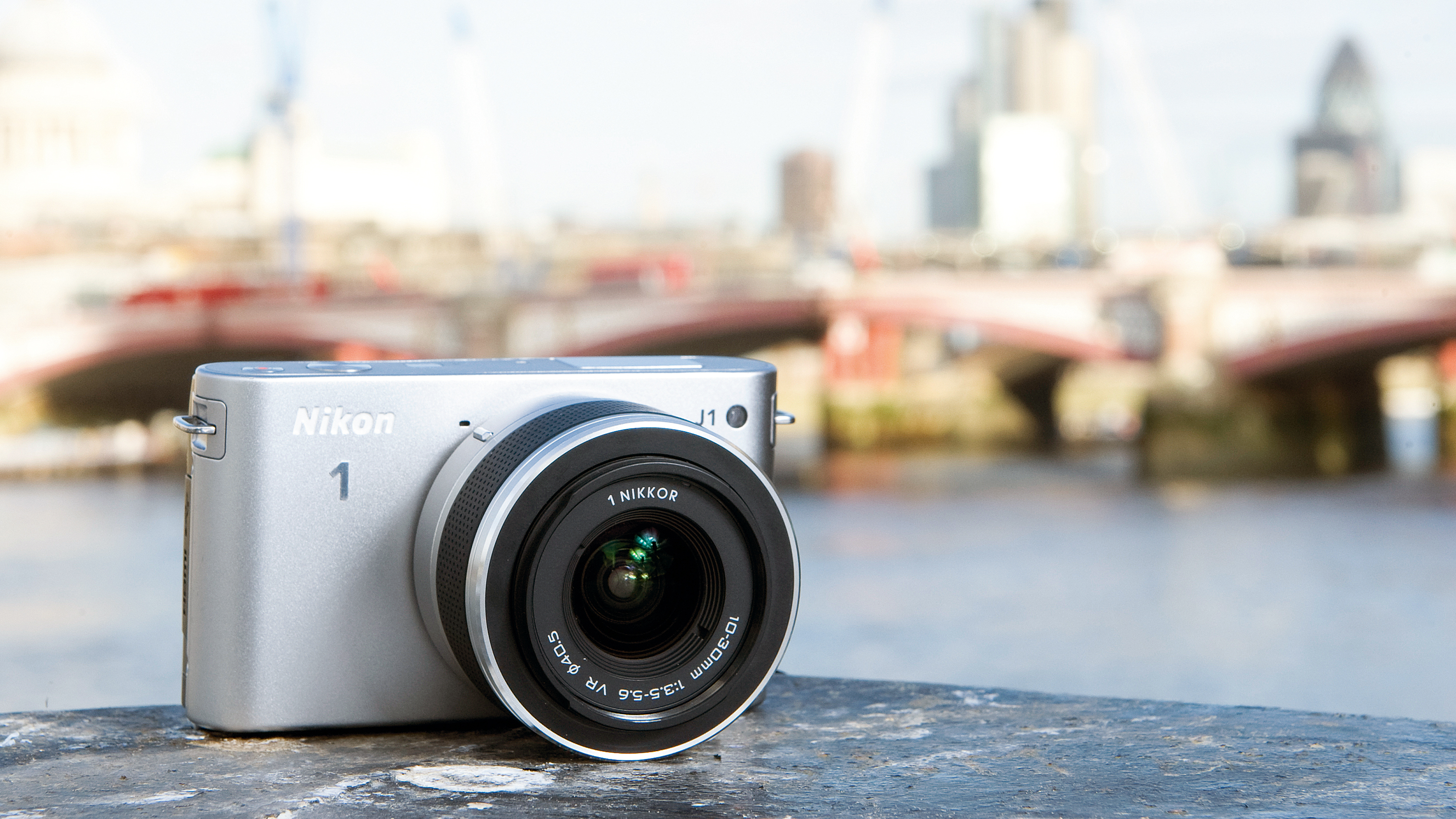
Yet, the modern revival of the point-and-shoot trend is largely driven by that exact demographic of casual creators. A rapidly growing number of everyday consumers are actively seeking ways to physically separate the act of taking deliberate photographs from the convenience of their smartphones. Furthermore, many of the most sought-after point-and-shoot models on the secondary market feature versatile optical zoom capabilities—a flexibility that the Nikon 1 series provided natively through its dedicated, interchangeable optics, even if the total package wasn’t always truly pocketable.
This rising cultural enthusiasm for compact camera designs is running parallel to a massive boom in the popularity of early digital cameras, often referred to as digicams. Because of this widespread nostalgia, a healthy and relatively affordable selection of used Nikon 1 camera bodies and native 1-mount lenses can still be found circulating through reputable used camera retailers, frequently commanding price tags lower than a brand-new, trending point-and-shoot.
Ultimately, this intersection of vintage appeal and practical portability highlights why the concept behind the Nikon 1 series continues to resonate. Those old models managed to inadvertently hit upon both the compact hardware movement and the retro aesthetic trend long before the rest of the industry caught up.
For photographers looking for a modern yet miniature Nikon mirrorless option today, alternatives such as the compact Nikon Z5IIC or the crop-sensor Nikon Z30 offer contemporary pathways into small-form-factor shooting, ensuring that the desire for pocket-friendly, high-performance imaging remains a driving force in modern camera design.