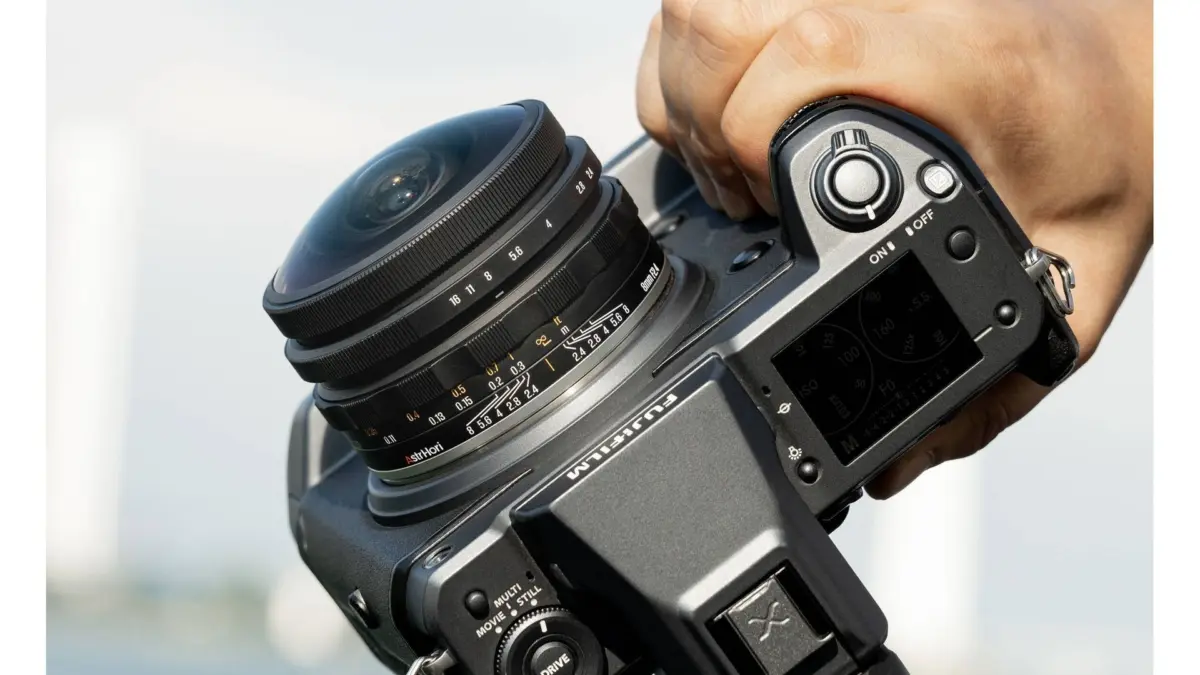
When working with medium format camera systems, photographers have historically faced a distinct limitation at the ultra-wide end of the focal length spectrum. Until recently, expanding the field of view on cameras like the Fujifilm GFX series required turning to specialized options such as the Laowa 15mm f/4.5R Zero-D Shift lens, while Fujifilm’s own native GF lineup peaked in width with the GF20-35mmF4 R WR zoom. However, lens manufacturer AstrHori has dramatically shattered previous boundaries for medium format optics by introducing the new MF 8mm F2.4 Circular Fisheye lens, establishing an unprecedented benchmark for ultra-wide-angle photography in the medium format space.
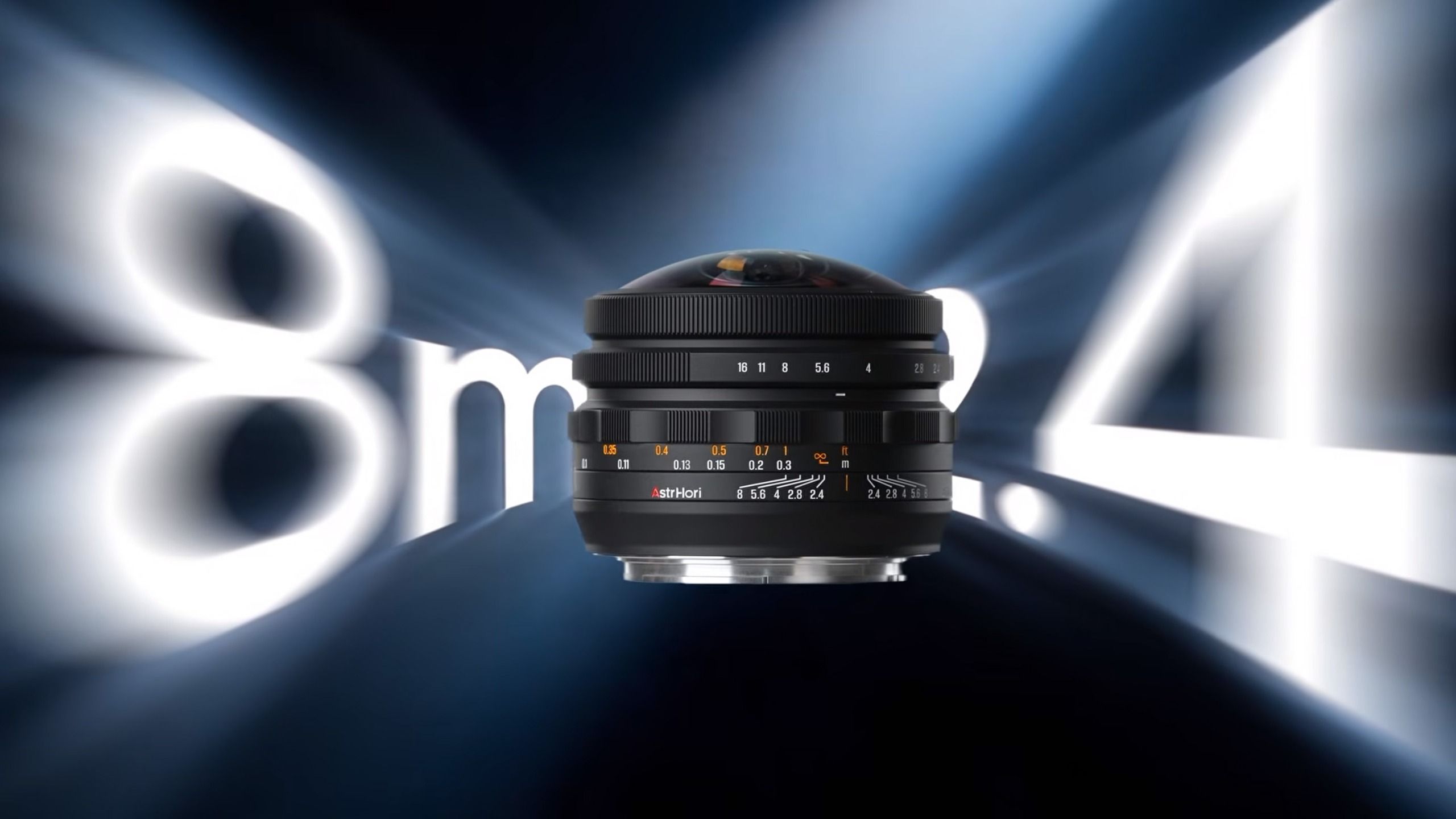
To understand the sheer magnitude of this new optic, the numbers require some context. An 8mm focal length on a medium format sensor translates to an equivalent field of view of roughly 6.3mm in full-frame terms. This results in a staggering, unprecedented 220-degree field of view. A perspective that broad means the lens is literally capable of capturing imagery behind itself. Consequently, photographers handling the setup must exercise a high degree of caution when hand-holding the camera body, as stray fingers creeping even slightly too close to the front element can easily encroach into the expansive image frame.
Because this is a circular fisheye lens rather than a rectilinear one, the resulting photographs feature a distinct circular image projection centered within a dramatic black frame. Rather than attempting to correct the heavy, characteristic barrel distortion inherent to such extreme optics, the lens embraces it as a core part of its artistic appeal. The circular rendering introduces a stylized, globe-like aesthetic that bends architectural lines, horizons, and subjects into sweeping curved compositions, offering creators an entirely fresh visual toolkit.
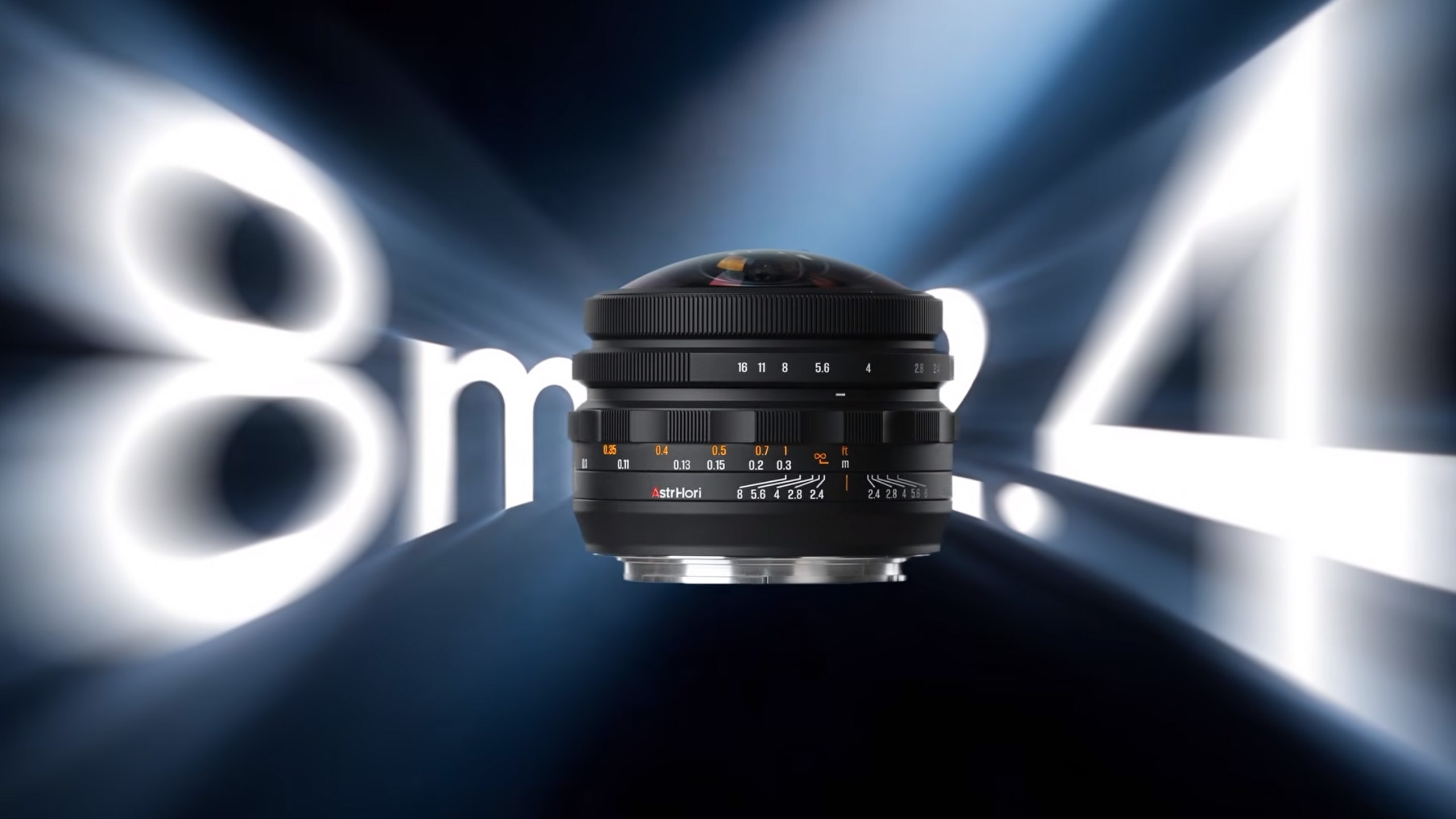
Despite housing an immense field of view capable of wrapping around a scene, the physical construction of the lens remains surprisingly compact and manageable for a medium format optic. The metal barrel measures a mere 62mm in length and tips the scales at 517g, making it significantly more portable than many traditional medium format zoom lenses. Focusing is handled manually, which presents virtually no practical hurdle given the physics of such a short focal length. At 8mm, the depth of field is extraordinarily deep, even when shooting wide open at the maximum aperture of f/2.4.
That maximum aperture of f/2.4 also opens up compelling possibilities for nightscape and astrophotography enthusiasts. The combination of a fast light-gathering capability and an ultra-wide perspective means photographers can capture vast expanses of the night sky, constellations, and starry landscapes in a single, uninterrupted frame, capturing more of the cosmos than was previously possible on medium format hardware.
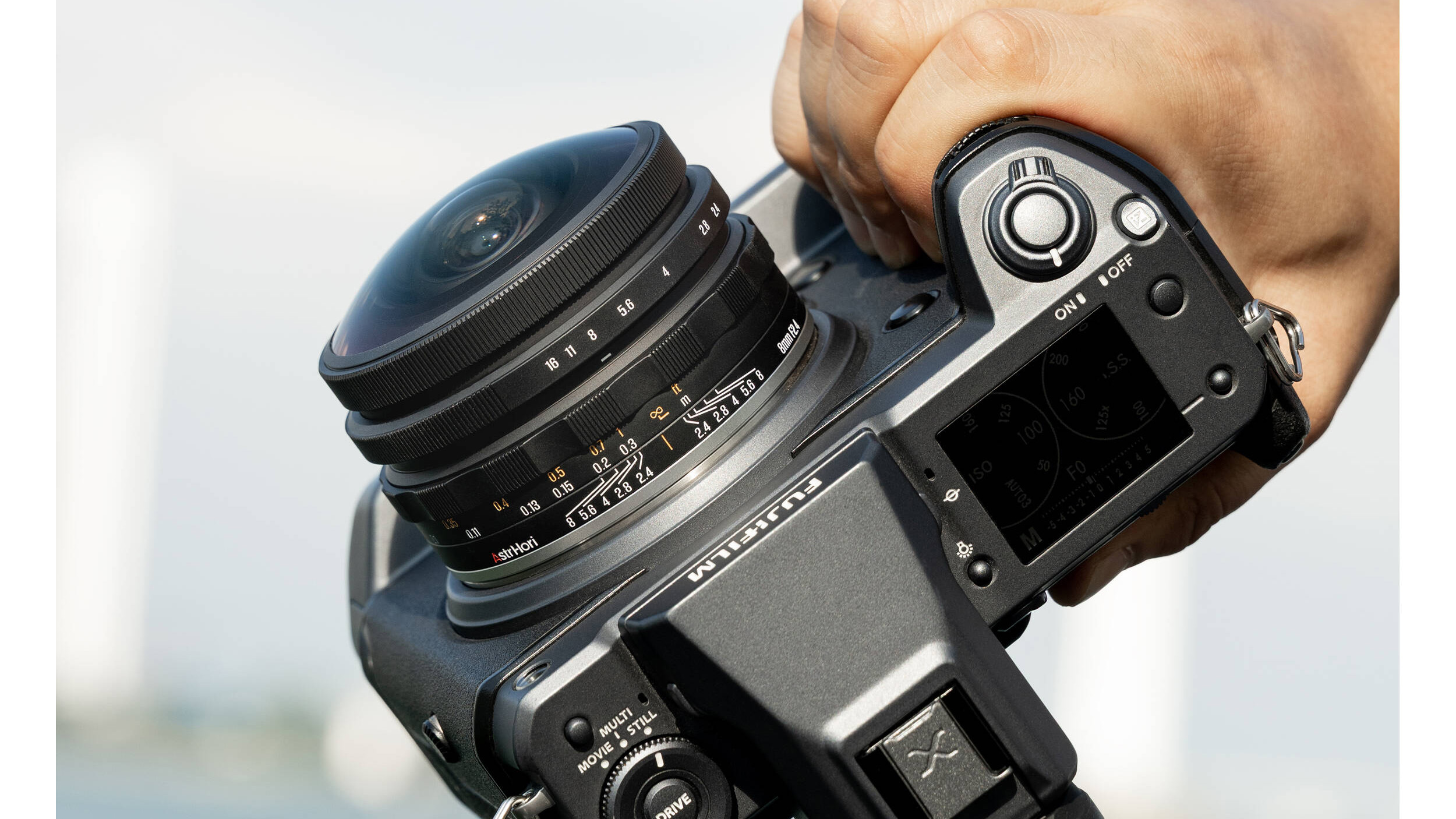
Beneath the metal exterior, the internal optical design comprises 10 elements arranged neatly across 8 groups. To maintain sharpness and control optical flaws across such a massive field of view, AstrHori has integrated two extra-low dispersion elements alongside two high refractive index elements. These specialized glass components work in tandem to minimize chromatic aberrations, purple fringing, and color bleeding—common challenges when light hits extreme curved glass elements at sharp angles. Additionally, the aperture diaphragm is constructed from 10 blades, which theoretically contributes to smoother out-of-focus areas and pleasing bokeh, though photographers will need to push the lens to its close-up limits by utilizing the 0.1-meter minimum focus distance to achieve any noticeable background blur given the ultra-wide nature of the focal length.
The AstrHori MF 8mm F2.4 Circular Fisheye lens is currently available for pre-order, catering to creators shooting on either Fujifilm GF-mount or Hasselblad X-mount medium format systems. Priced at $398, it enters the market as one of the most competitively priced brand-new medium format lenses available today, offering an accessible entry point for photographers looking to push the physical limits of ultra-wide composition without making a prohibitive financial investment.