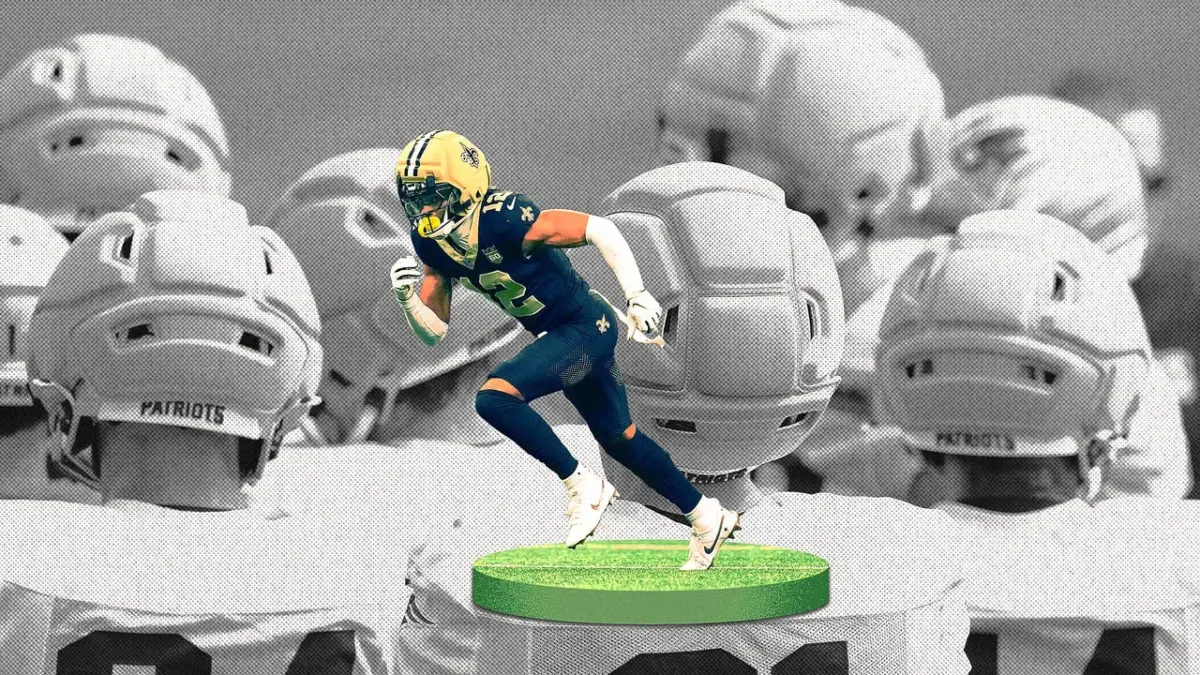
If you have been tuning into NFL games this season, you have likely noticed a striking visual change among a few dozen players on the field. Several athletes appear to have remarkably large heads—not in the proverbial diva sense of inflated egos, but quite literally.
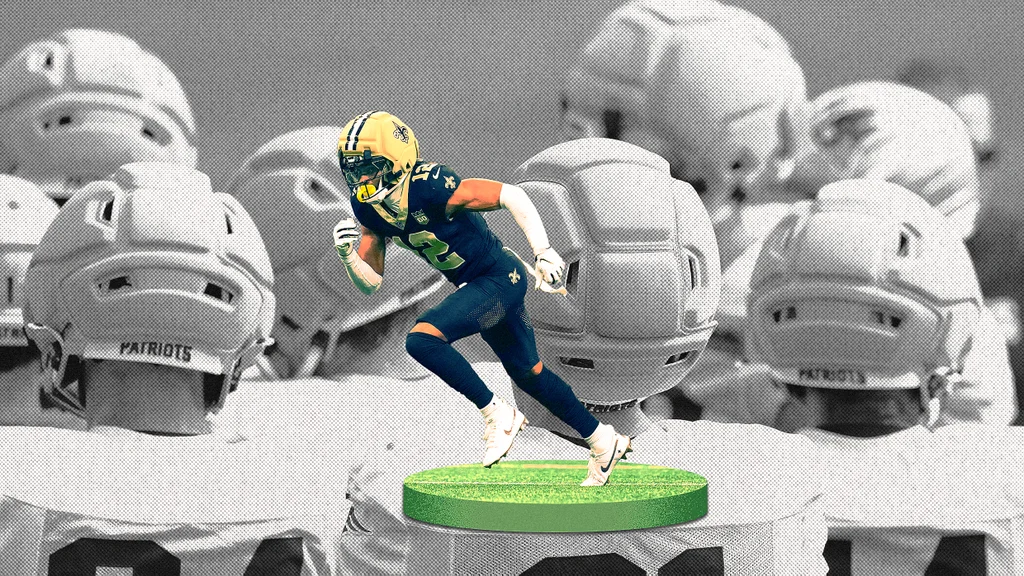
Take New Orleans Saints wide receiver Chris Olave, for instance. During games, Olave takes the field wearing a Guardian Cap, a heavily padded, oversized shell strapped over his standard helmet for added protection against head trauma. The primary trade-off for this extra layer of safety is aesthetic: it gives players the distinct appearance of having just secured a mushroom power-up in a Super Mario video game.
For Olave, who unfortunately suffered four concussions during his first three seasons in the National Football League, making peace with the bulky, bobblehead look was an easy choice. Following the Saints’ season opener, Olave candidly explained his decision to embrace the safety gear during live broadcasts.
"Shoot, I got kids now," Olave said. "I want to live a regular life after I’m done with football. I love my kids to death. So, I don’t really care how it looks no more."
His perspective underscores a shifting mindset across professional football, where a growing number of players are prioritizing long-term cognitive health and post-career quality of life over traditional sideline aesthetics.
The Ongoing Battle Against Concussions
The NFL has spent the better part of the past decade aggressively attempting to bring its in-game concussion numbers down, though the league’s efforts have yielded mixed and sometimes unpredictable results.
According to official league health and safety data, in-game concussions fell by 15% down to 129 during the 2024 regular season. However, that positive momentum hit a setback when numbers jumped by 30% to 168 during the subsequent season. A significant portion of that increase was traced directly back to kickoffs. The league had introduced a brand-new dynamic kickoff format designed to encourage more returns and revitalize an otherwise stagnant play. While the format achieved its goal of bringing back returns, it also caused concussions on kickoff plays to surge from just 8 in 2024 to 35 the following year.
In the face of these fluctuating statistics, the Guardian Cap has emerged as the NFL’s most visible and heavily discussed safety intervention. Since the league first mandated its use during certain practices back in 2022, the padded shell has become a staple of training camps. Its transition to live games began when the league permitted its use during regular-season matchups starting in 2024. Following a design refresh implemented over the offseason, the cap is now showing up on game days with unprecedented frequency.
Foam, Fabric, and a Lot of Jokes
Despite the occasional ribbing from fans and social media comedians, the technology behind the cap is grounded in serious industrial engineering. The Guardian Cap is manufactured by Guardian Sports, a Georgia-based company operated by husband-and-wife team Lee and Erin Hanson. Long before entering the sports equipment industry, the couple ran a specialized materials business that developed custom polyurethane formulations for demanding, high-impact environments, including rocket boosters and golf ball covers.
The resulting sports product is a lightweight foam shell designed to strap securely over any standard helmet model. Its core mechanics are straightforward yet effective: upon impact, the shell is engineered to compress and slide, absorbing and dissipating a significant portion of the kinetic force before the blow ever reaches the hard helmet shell worn underneath.
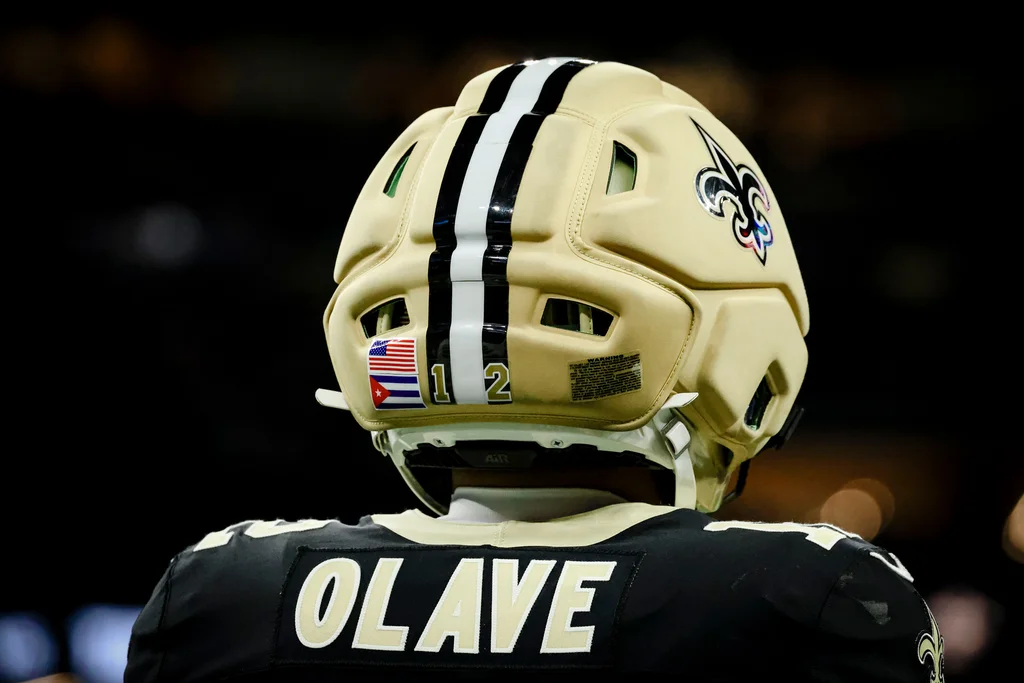
Guardian Sports produces two primary versions of the product to cater to different levels of athletic competition. NFL players and select college athletes typically wear the NXT model, which weighs approximately 12 ounces. Meanwhile, youth, high school, and the majority of college players utilize the XT, a slightly lighter variant that weighs about half a pound and retails for up to $89.99. Across the broader sports landscape, more than 500,000 athletes at various competitive tiers currently wear the protective headgear. In addition to football, the company has expanded its manufacturing footprint to produce specialized versions tailored for hockey and lacrosse helmets.
The integration of the cap into the football ecosystem has been a gradual, methodical process managed by the league and its health committees. The NFL initially authorized the use of the cap during practices ahead of the 2020 season. By 2022, the league took a firmer stance, making the protective covers mandatory during practices for positions statistically subjected to the highest frequency of repetitive helmet impacts, namely offensive linemen, defensive linemen, tight ends, and linebackers.
The mandate expanded further by 2024, when the league required nearly all players—with the specific exceptions of quarterbacks, kickers, and punters—to wear a Guardian Cap during all contact practices. Crucially, the league also opened the door for players to voluntarily wear the protective covers during live games, setting the stage for the widespread, regular-season adoption witnessed on the field today. As more high-profile players like Chris Olave step forward to champion the gear, the once-unfamiliar sight of the padded helmet cover is rapidly becoming an accepted, standard part of the modern football uniform.