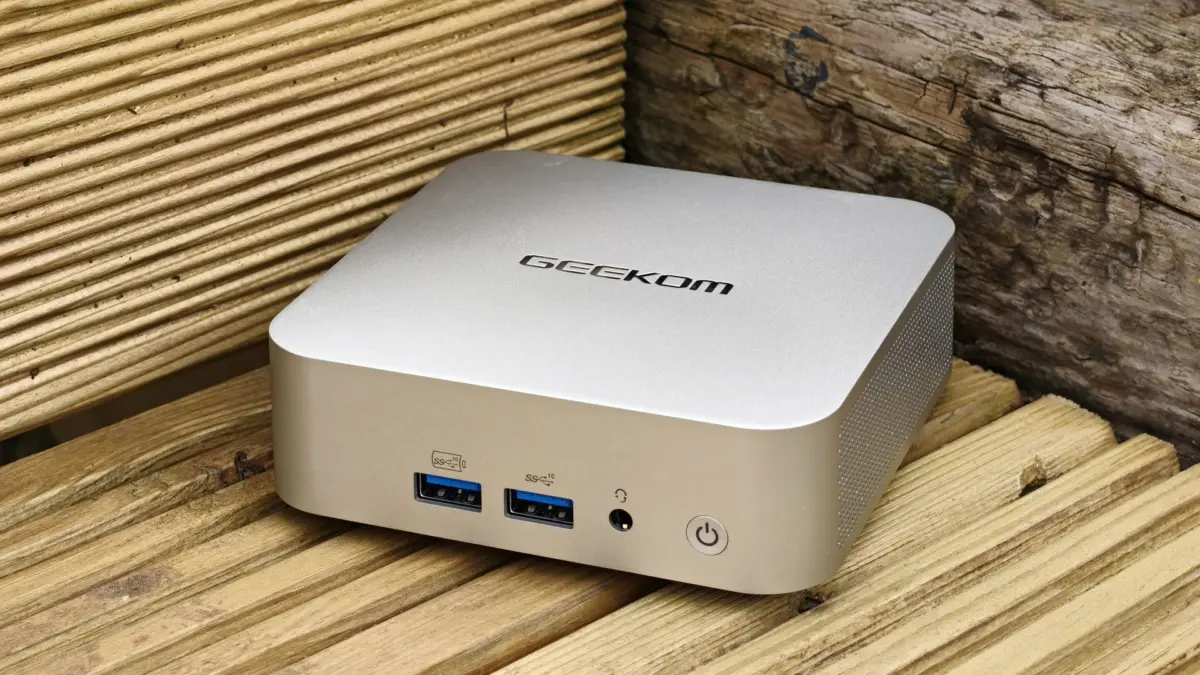
Apple’s ongoing transition to its robust in-house silicon has reached a significant milestone for creative professionals. While the elusive Mac Pro continues to remain missing in action from Apple’s active desktop roster, the Mac Studio firmly commands the pinnacle of the company’s desktop range. Retaining the familiar compact aluminum enclosure that users have grown accustomed to, the latest iteration receives a massive internal upgrade with the integration of the Apple M5 Max processor, transforming it into one of the most potent photo- and video-editing systems available on the market today.
The primary hurdle for prospective buyers continues to be the cost. As users configure their systems with customized memory and storage upgrades, the price climbs steadily upward. However, the entry-level configuration provides a generous baseline that will prove more than sufficient for a wide array of everyday professional tasks.
Specification and Hardware Configuration
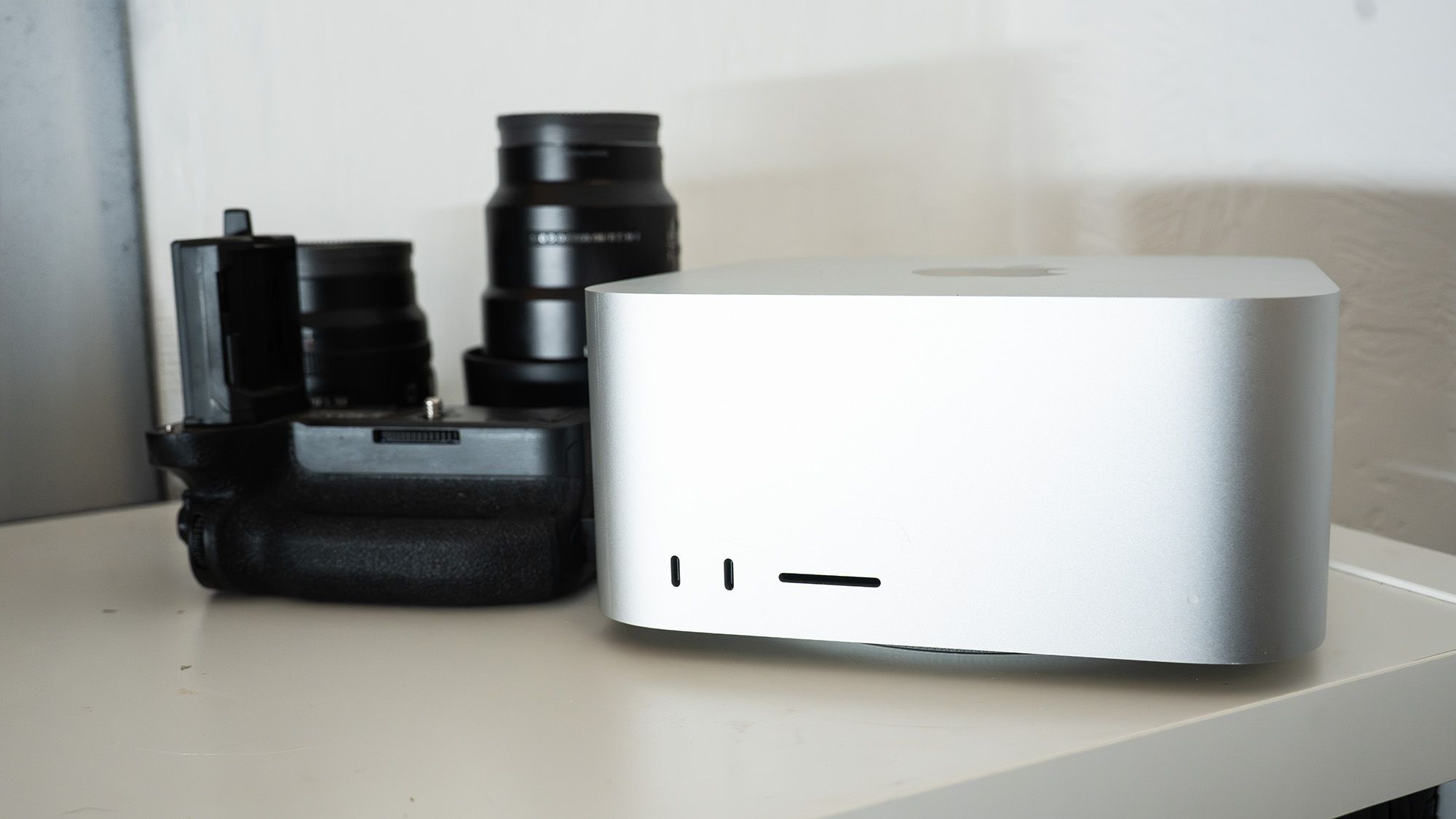
At the heart of the reviewed Mac Studio lies the formidable Apple M5 Max CPU, featuring an 18-core architecture paired with a 16-core Neural Engine designed to handle intensive machine learning tasks. Graphics processing is managed by an integrated 40-core GPU, which works in tandem with 128GB of LPDDR5 high-bandwidth memory. Storage duties are handled by a spacious 4TB solid-state drive, complemented by a built-in SD card slot for quick media offloading.
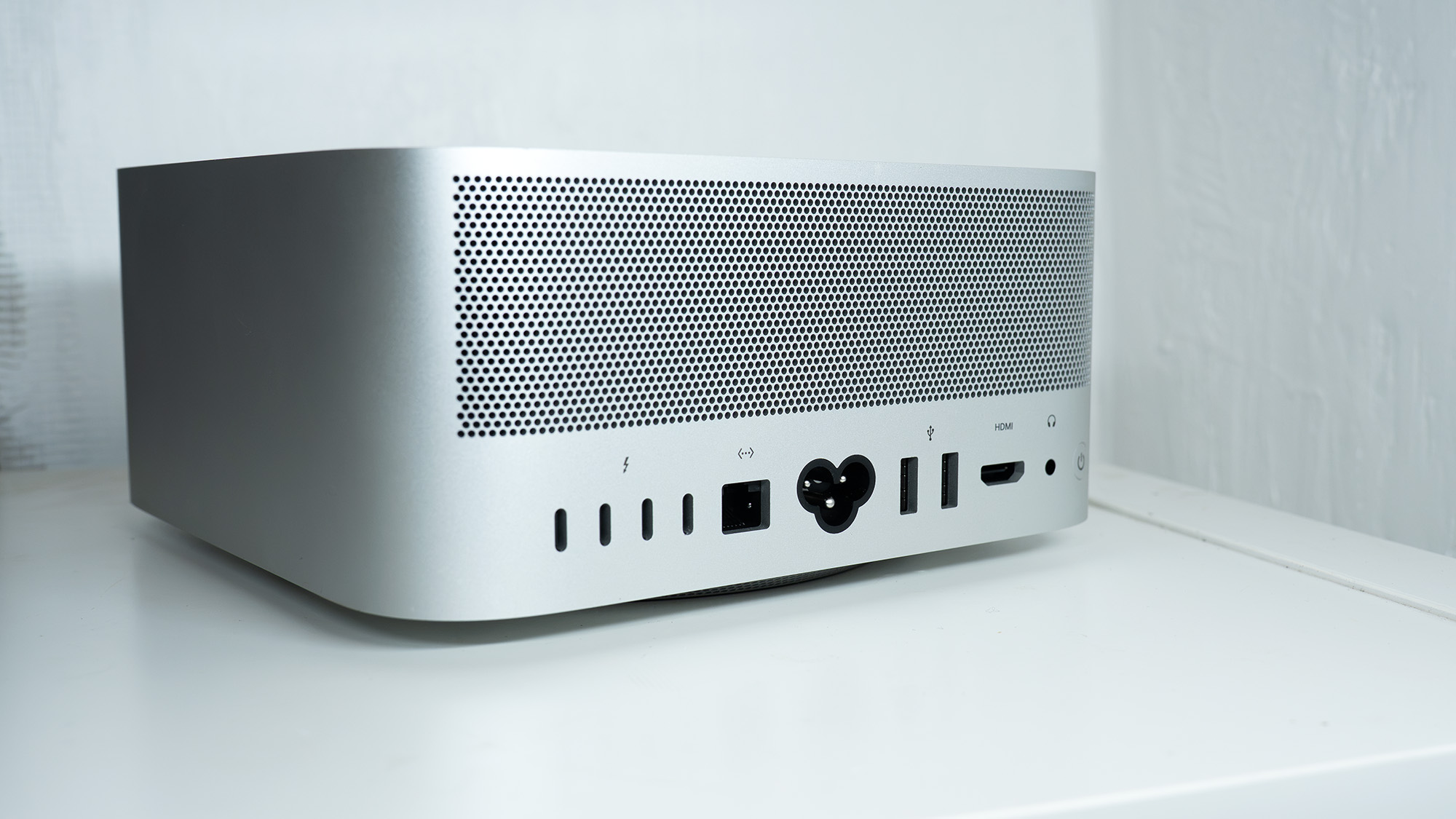
Connectivity options remain robust, featuring four Thunderbolt 5 ports, two USB-A ports, two USB-C ports, a full-size HDMI output, a 10Gb Ethernet port for high-speed local networking, and a 3.5mm audio jack. Wireless capabilities are similarly cutting-edge, incorporating support for Wi-Fi 7 and Bluetooth 6. Despite packing this immense hardware array into its dense 95 x 197 x 197mm chassis, the unit tips the scales at a modest 2.7kg, maintaining the signature footprint of its predecessors.
Price and Global Availability
Available directly through Apple’s retail channels, the Mac Studio lineup begins at an entry-level price point of £2,499 or $2,499 for the base M5 Max configuration. This introductory model equips users with an 18-core CPU, a 32-core GPU, 36GB of unified memory, and a 512GB SSD.
For high-end professionals requiring more muscle, heavily upgraded configurations—such as the review model featuring expanded GPU cores, 128GB of RAM, and a 4TB SSD—command a significantly higher investment of £6,899 or $6,899. Additionally, Apple offers an M5 Ultra variant, which effectively pairs two M5 Max chips together. Starting at £5,499 with 96GB of RAM and a 1TB SSD, the Ultra model carries a heavier physical footprint due to the expanded cooling apparatus required to dissipate heat from its doubled processing cores.
Design and Build Philosophy
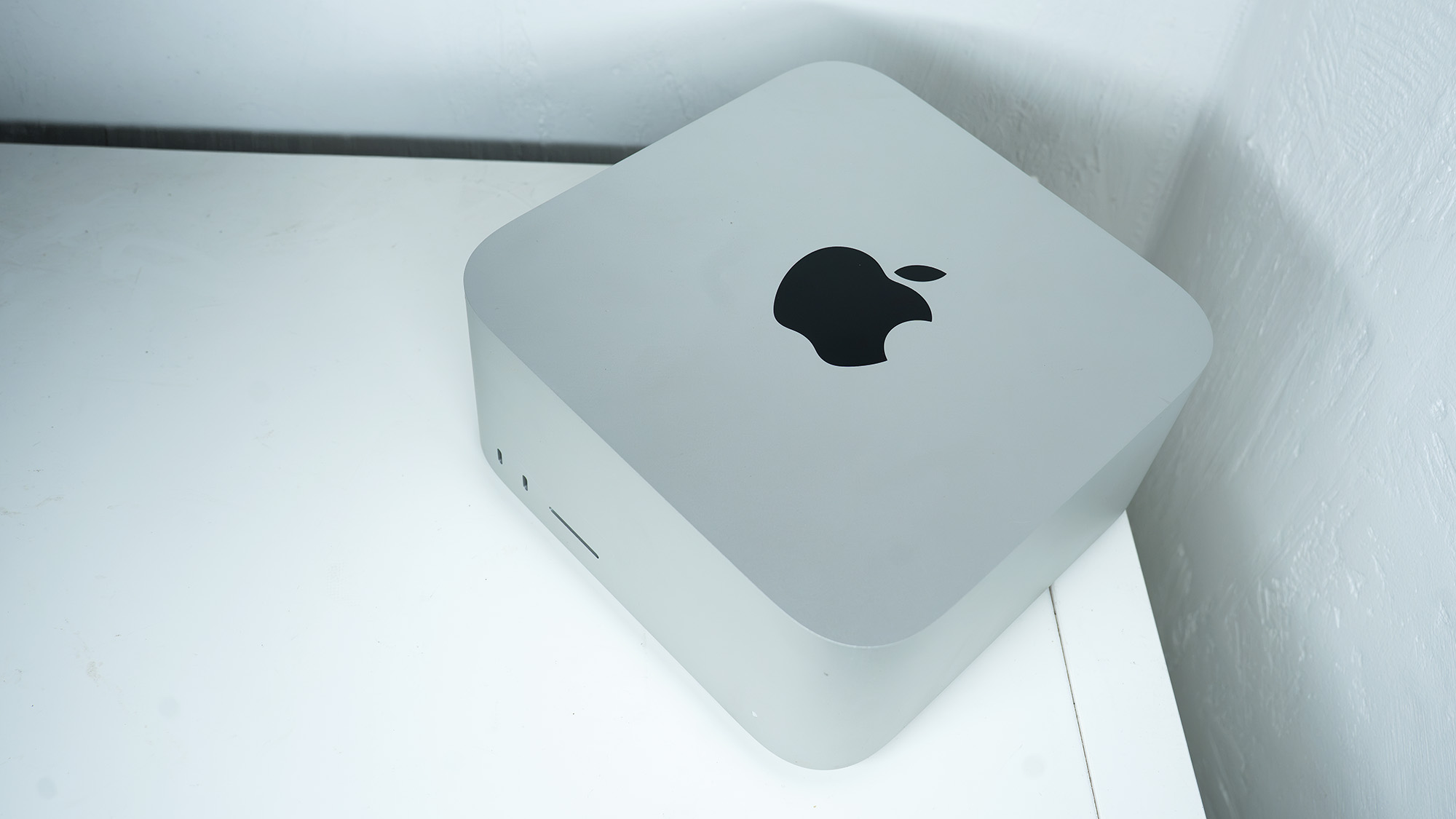
Apple has opted to leave the external design of the Mac Studio untouched, a choice that makes practical sense given the machine’s thermal and spatial efficiency. Compared to traditional desktop tower PCs, the Studio remains remarkably small, though it occupies a larger footprint than entry-level mini PCs or Apple’s own consumer-focused Mac mini. Its compact dimensions allow it to sit unobtrusively beneath desktop monitors or tucked neatly into studio workspace corners.
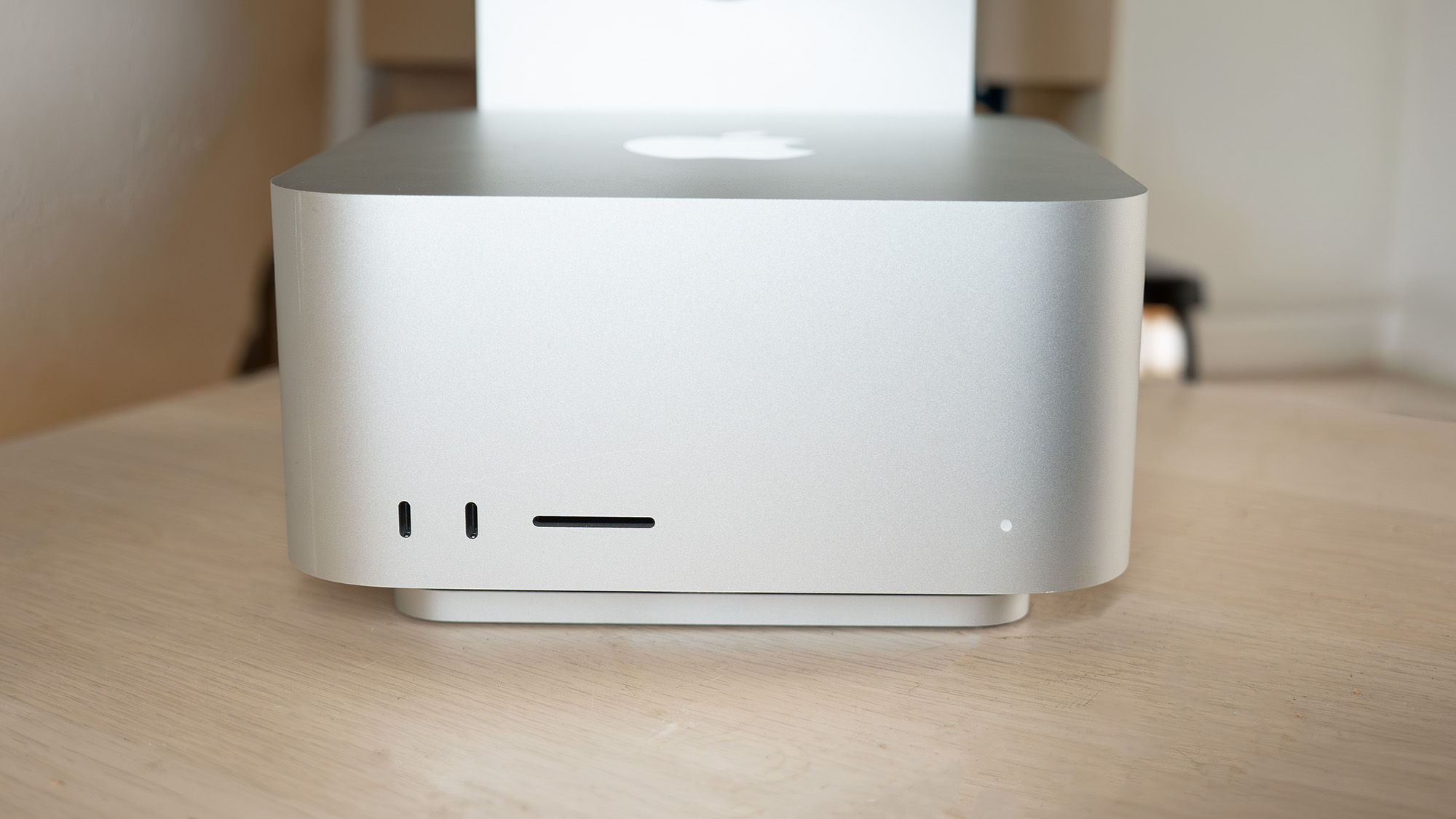
When pushed to its limits, the internal cooling fan engages to manage temperatures, yet it remains sufficiently quiet to avoid drawing undue attention during demanding rendering sessions. Unlike the Mac mini, the Studio places its power button within easy reach at the rear of the chassis. The abundance of front- and rear-facing ports—most notably the inclusion of blazing-fast Thunderbolt 5 connections—ensures seamless integration with professional peripherals, external storage arrays, and high-resolution reference monitors.
The build quality reflects Apple’s premium manufacturing standards. Despite weighing roughly the same as a large 18-inch laptop, the machine feels densely packed, and its precision-milled aluminum enclosure projects a distinct sense of structural solidity. Minimalist branding keeps the aesthetic clean: the Mac Studio name is subtly inscribed on the underside, while the top surface bears only the iconic Apple logo, leaving no visible indication of the high-performance silicon housed within. A single LED indicator light serves as the primary visual cue for power status, a welcome addition given how quietly the system operates when screens are idle.
As with previous generations, the Mac Studio is a closed ecosystem that cannot be upgraded post-purchase. Component choices made on the build-to-order configuration page are permanent, particularly regarding unified memory, which cannot be swapped or expanded later in the manner of a modular tower PC. While external storage can be easily scaled using the rapid Thunderbolt or USB ports, buyers must carefully calculate their long-term RAM requirements before placing an order.
Performance and Creative Workflows
Apple’s M-series silicon has consistently demonstrated strong foundational architecture across the company’s laptop and desktop lineups. By scaling up the core count for the M5 Max, Apple has not necessarily altered single-core processing speeds, but it has drastically accelerated multi-threaded operations. When software tasks can be partitioned and processed across multiple cores simultaneously, the abundance of execution units translates directly into noticeable time savings.
Benefiting from a larger desktop chassis, the Mac Studio permits a more aggressive and efficient thermal cooling solution than its portable MacBook Pro counterparts. In benchmark testing, the desktop M5 Max configuration edges past laptop implementations in single-core workloads while significantly pulling ahead during sustained, multi-core operations.
For photographers utilizing Adobe Lightroom, batch-exporting large volumes of images or generating previews from folders filled with high-resolution RAW files becomes markedly faster as the processor brings more cores to bear. AI-powered denoising features are similarly accelerated by the combined efforts of the GPU and the Neural Engine, though users working with massive 60-megapixel RAW files will still notice processing durations comparable to elite Windows workstations equipped with top-tier Nvidia or AMD discrete graphics cards.
Video editing workflows are exceptionally fluid. The M5’s integrated hardware-accelerated encoding engine ensures that transcoding and exporting 4K and 8K footage occur with minimal friction. High single-core performance keeps timeline scrubbing responsive and lag-free, while the substantial memory bandwidth of configurations equipped with 128GB of RAM allows complex multi-stream timelines to play back smoothly without dropping frames.
Apple’s aggressive push into artificial intelligence is further reinforced by the M5 architecture, which introduces dedicated neural accelerators directly into the GPU cores alongside the standalone Neural Engine. While dedicated desktop graphics cards like the Nvidia GeForce RTX 5070 Ti still hold an advantage in raw AI benchmarking scores, the M5 Max comfortably outperforms most mobile GPUs, including competitive offerings like the AMD Ryzen AI Max found in specialized Windows content creation laptops. This processing headroom translates into accelerated neural filters within Adobe Photoshop as well as faster execution times for locally run AI agents and large language models, provided the system has been specified with sufficient RAM to accommodate local model hosting.

Verdict and Market Position
The Apple Mac Studio equipped with the M5 Max processor stands out as a highly capable desktop solution tailored specifically for the demands of professional photographers and videographers. Although it commands a substantial price tag relative to generic consumer desktops or budget gaming rigs, it packs an extraordinary amount of computational power into a compact, quiet, and reliable footprint. For creative professionals seeking seamless performance across demanding production software, the Mac Studio delivers its capabilities with effortless efficiency, solidifying its place at the forefront of Apple’s desktop lineup.