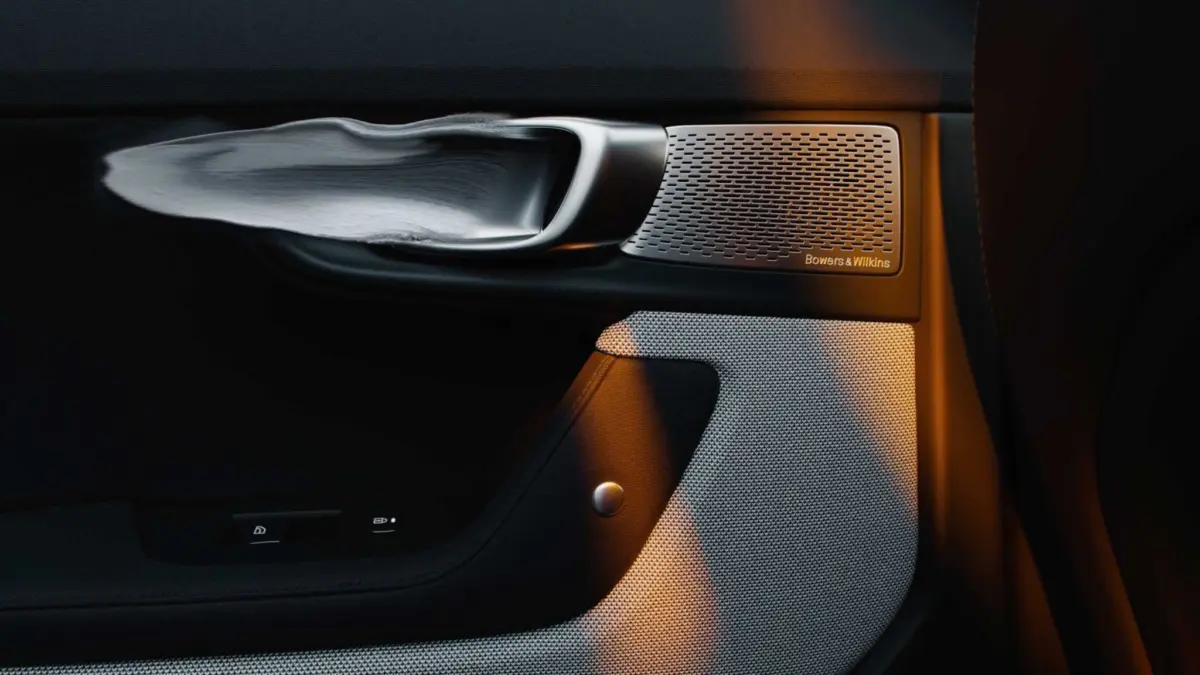
Swedish CG studio Brickland has once again pushed the boundaries of automotive visualization in its latest campaign for premium electric vehicle marque Polestar. The project introduces the brand’s exclusive Prime equipment package through a stripped-down, highly stylized, and surreal Houdini-intensive treatment that reimagines how performance and luxury can be communicated in motion design.
Rather than relying on traditional, hyper-realistic driving footage through scenic mountain passes or urban landscapes, Brickland chose to abstract the entire presentation. Under the creative direction of Kajsa Blomberg and Ragnar Leuchovius, the studio crafted a series of striking films and stills that seamlessly shift between automotive design, pure abstraction, and kinetic motion. By doing so, the campaign transforms the very gestures behind the car’s creation into the core narrative of the visual experience.

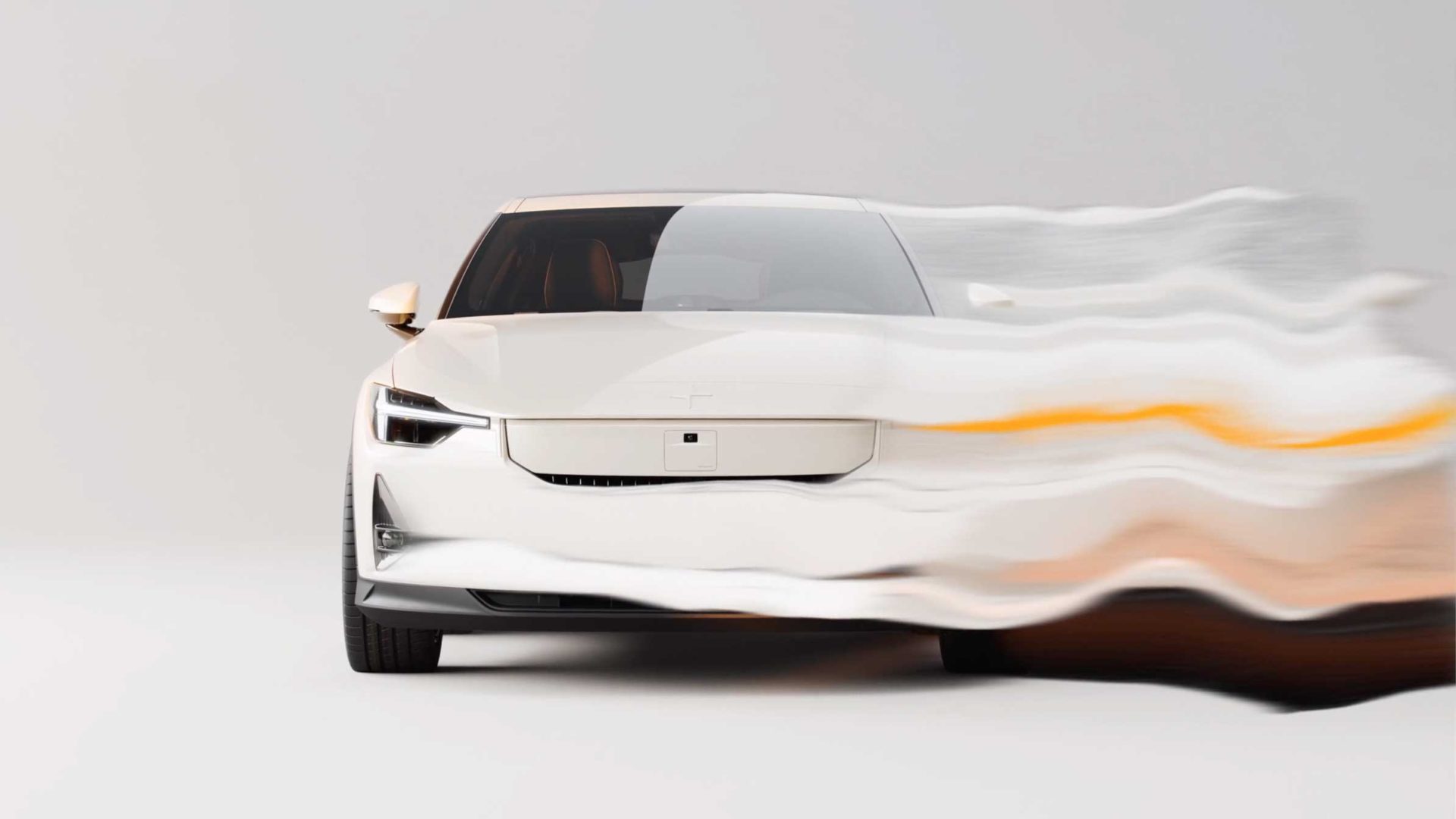
The conceptual genesis of the project was surprisingly simple yet evocative: drawing a single line on a blank canvas. That initial stroke served as the foundational building block for a dynamic visual language where the precisely engineered surfaces of the Polestar 2 do not merely sit static in a showroom, but instead stretch, sweep, and dissolve into fluid fields of color and light.
Describing the fluid nature of the campaign, creative directors Kajsa Blomberg and Ragnar Leuchovius noted the intentional duality of the visual storytelling. At times, the car is clearly present as a masterclass in modern Scandinavian automotive engineering; at other moments, its familiar surfaces completely break free from the product entirely, transforming into something much closer to a living, moving sculpture.

This deliberate juxtaposition formed the emotional and aesthetic anchor of the project. The team deliberately sought out the fascinating contrast between something as fundamentally intuitive and human as the first gestural line of a designer’s sketch and the ultimate, uncompromising precision of a finished, high-performance electric vehicle. The visual tension created by this relationship allows the viewer to see the familiar silhouette of the Polestar 2 in an entirely new light, stripping away extraneous environmental distractions to focus purely on form, light, and motion.
Technical Innovation and Houdini R&D
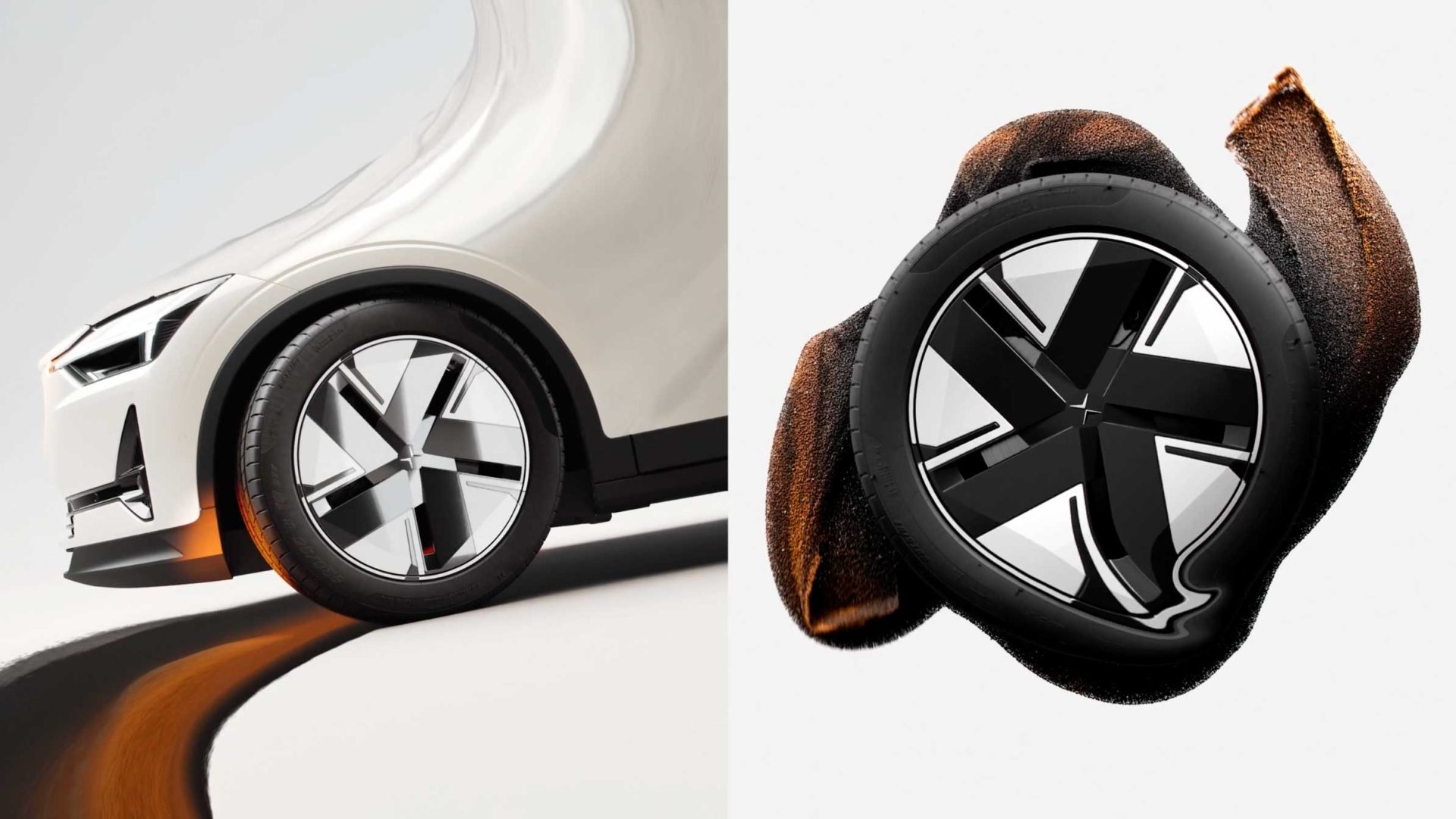
Achieving this seamless metamorphosis required a deeply technical, behind-the-scenes engineering effort led by Houdini artist Oscar Forsman. To bring the fluid transitions to life without sacrificing control, the studio developed an intricate series of custom Houdini setups. These specialized tools were engineered specifically to allow the artists to art-direct complex particle and surface simulations through precise still sequences.
This workflow demanded a departure from standard commercial pipelines. Rather than separating the technical simulation phase from the visual design stage, the team found themselves moving back and forth between technical development and visual exploration for much longer than is typical in commercial production. Each individual stage of development directly informed the next, creating a recursive feedback loop that continually pushed the imagery further. Crucially, this setup maintained enough flexibility to allow the artists to return to the original composition at various points in the pipeline, enabling them to fine-tune the underlying shapes, directional forces, and overall timing without breaking the illusion.
The result of this intensive research and development phase is showcased in the studio’s companion R&D reel, which highlights the algorithmic wizardry and artistic problem-solving required to make solid steel and glass dissolve into ephemeral ribbons of color and light.
A Collaborative Creative Vision
The ambitious project was brought to fruition through a close collaboration between the client and a multidisciplinary team of top-tier creative talents. While Brickland spearheaded the overall production, conceptual art direction, and CGI execution, they were supported by additional CGI expertise from Bureau Klaus Alman. The polished visual aesthetic was further elevated through meticulous retouching by Sugarhouse, ensuring that every frame balanced the raw power of the digital simulations with the sophisticated, premium finish expected of the Polestar marque.
Audio plays a critical role in anchoring the surreal visuals, with a hypnotic, atmospheric original score composed by Lisa Nordström. The music complements the minimalist yet striking imagery, completing an immersive sensory experience that positions the Polestar Prime package not just as a vehicle upgrade, but as a statement of modern artistic expression.
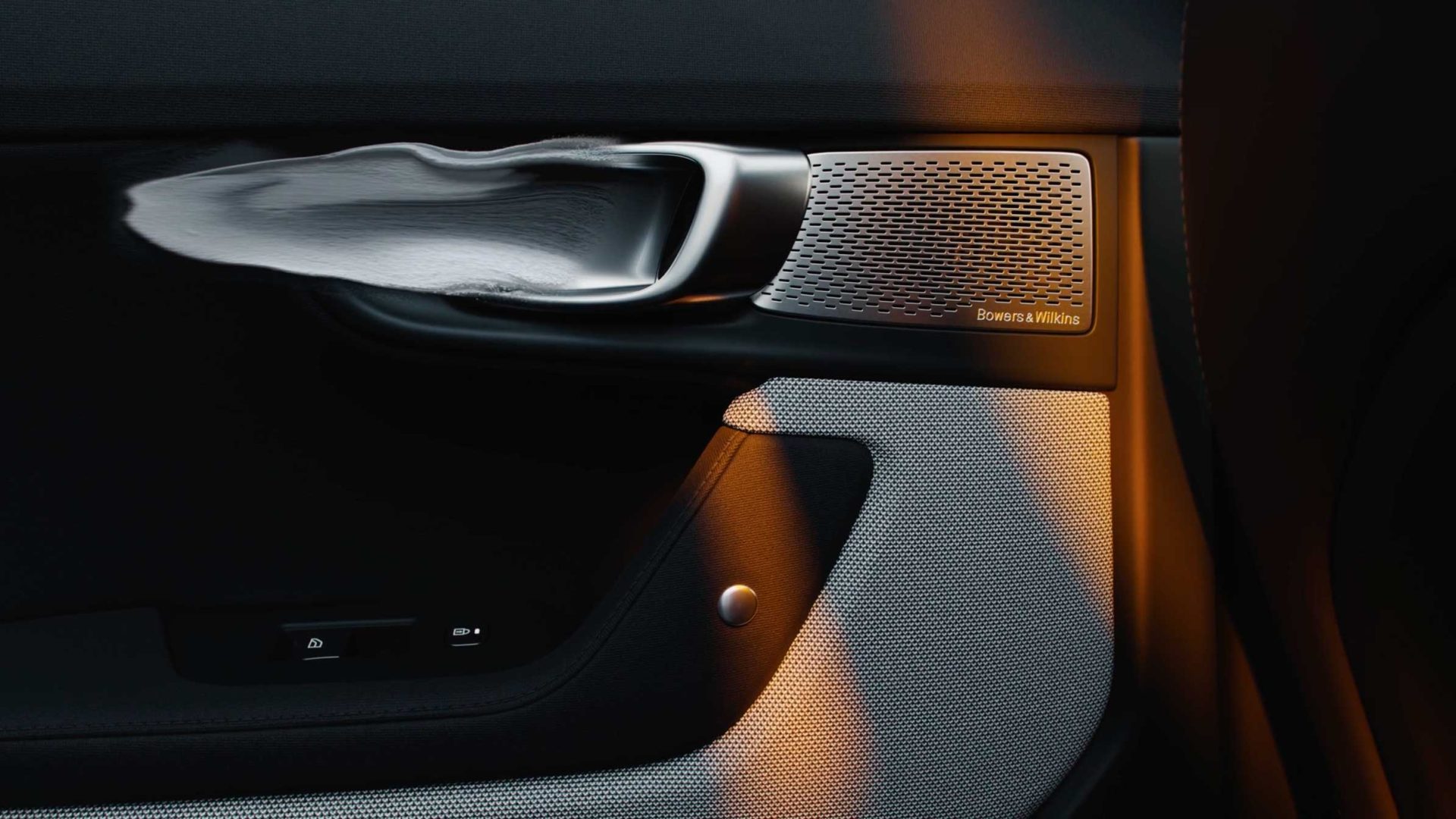
Through this bold collaboration, Brickland and Polestar have demonstrated how technical mastery in procedural software like Houdini can elevate automotive marketing far beyond traditional conventions, turning a product launch into a celebration of form, motion, and design philosophy.