In the fast-paced world of creative studios and advertising agencies, the Friday evening emergency has become a notorious rite of passage. It is 6:47 p.m., the work week is ostensibly over, and a message arrives marked with the dreaded label: "quick ask." Suddenly, the brief has shifted, the client wants an entirely new strategic route, and the presentation remains locked in for Monday morning. The directive is always the same—the deck needs to feel polished yet effortlessly conceived, and the team is expected to handle the weekend crunch with a cheerful demeanor.
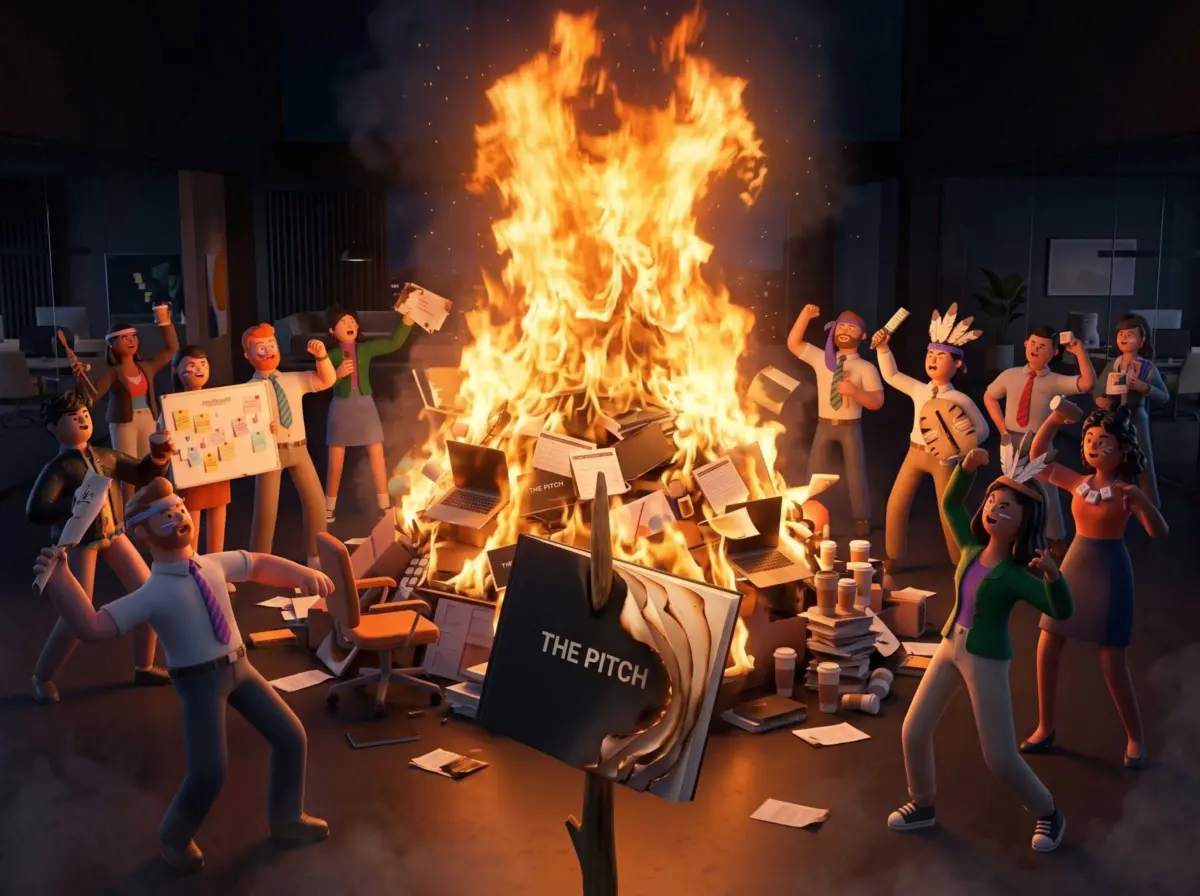
This recurring scenario forms the crux of the latest installment in the ongoing We Love Pitching series by Claus Cibils, Executive Creative Director at Nerdo. Published on Stash Magazine, Part 20 of the series—subtitled The Creative Code of Arms: Code 010 — Burning Down the House—examines the self-perpetuating cycle of burnout that defines modern creative pitches and calls for a collective reevaluation of industry standards.
Cibils opens his guest editorial by poking fun at the ubiquitous adage, often misattributed across generations and institutions, that insanity is repeating the same mistakes while expecting different results. While the origin of the quote remains famously disputed, Cibils argues that the sentiment applies perfectly to the creative sector. He highlights the institutionalized madness of willingly agreeing to impossible timelines, expanding project scopes, and weekend fire drills, only to express surprise when teams inevitably experience severe exhaustion.
The core issue, according to Cibils, is not that pitches demand high intensity. The creative industries operate in a high-stakes environment where real opportunities occasionally materialize late, ideas spark dynamic energy, and teams willingly choose to push forward. When managed carefully, that pressure can be exhilarating and yield extraordinary work.

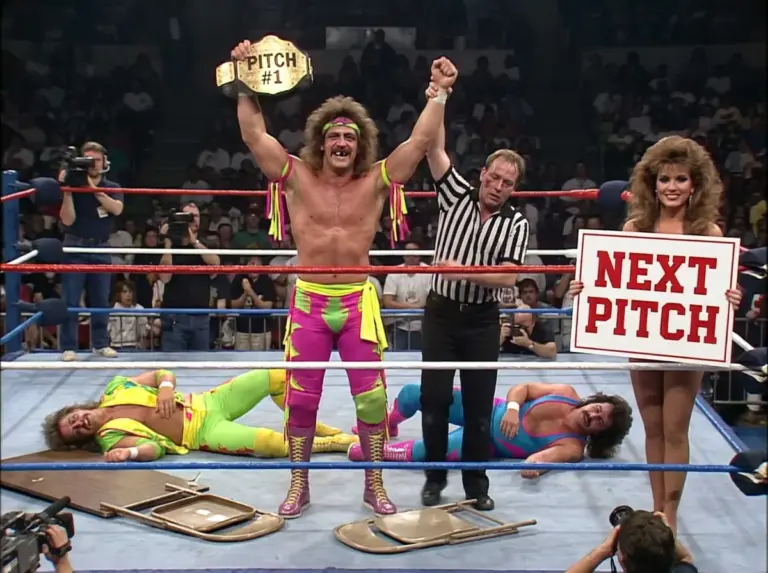
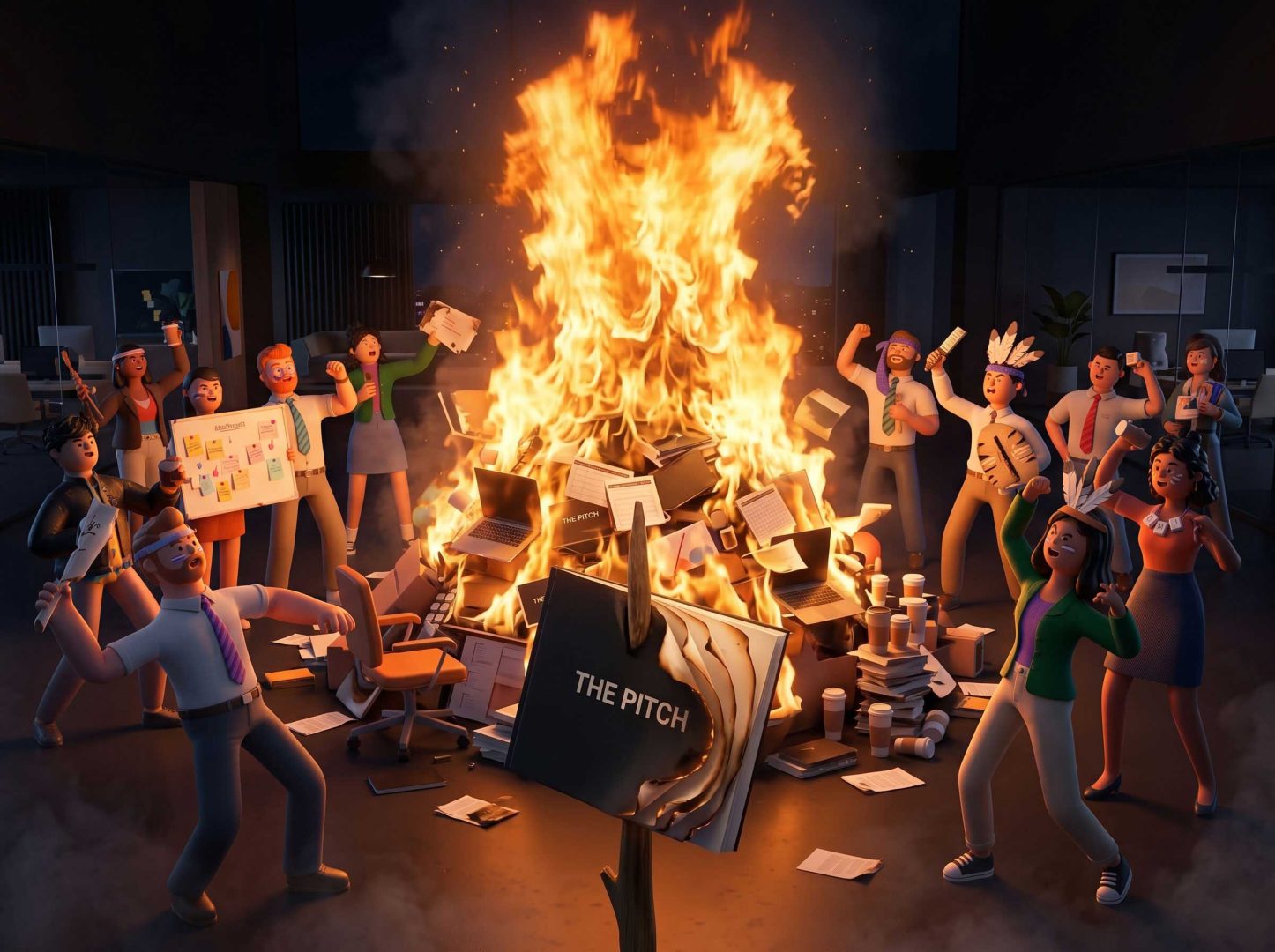
However, the danger arises when the emergency fire drill transforms from a rare exception into standard muscle memory. When every single pitch is treated as an existential "PITCH" that an agency or studio cannot afford to miss or lose, it normalizes an unsustainable cycle of sacrifice. Teams cancel their weekends, freelancers absorb chaotic management without support, and organizations continually push their personnel to deliver unpaid miracles.
Cibils notes that while these frantic requests are rarely born out of malicious intent—most stakeholders are simply trying to protect a potential business opportunity—systems learn from patterns of behavior rather than good intentions. The cycle perpetuates because the broader professional ecosystem relies on an unspoken agreement: the client demands speed, the agency passes the pressure downstream, the studio fights to stay in contention, and the creative team absorbs the blow.
Crucially, Cibils points out that the burden of refusal cannot fall on a single, isolated hero standing up against the flames. In the current economic landscape, different players hold vastly different levels of leverage. A massive multinational agency, a boutique design studio, an independent director, a freelance artist, and a junior designer do not wield the same cards. For vulnerable workers, pushing back against unreasonable demands can mean losing a vital relationship, missing rent, or falling out of favor in a competitive industry.
Because individual refusal carries high professional risks, Cibils advocates for a shared standard across the industry—a collective "Code" that alters what agencies and clients are permitted to demand from creative teams. Before allowing a pitch to escalate into a full-scale operational emergency, Cibils suggests that teams pause to name and evaluate the fire by asking a series of fundamental questions about the actual scope of work, the necessity of the extreme timeline, the required level of finish, the availability of decision-makers, and who is ultimately bearing the pressure.
If an urgent timeline is genuinely justified by external factors, Cibils argues that the underlying conditions must change accordingly. This means securing more time, narrowing down the number of creative routes, lowering the expected finish level, streamlining access to decision-makers, or providing adequate financial compensation.
Without structural adjustments, Cibils warns against making automatic compliance the default response. Every time a studio or agency miraculously pulls off an impossible weekend turnaround, it signals to the broader system that the fire drill method is a viable and repeatable strategy. Ultimately, Cibils reminds the creative community that passion should elevate the work rather than consume the workers, emphasizing that the creative house does not need to burn down for an idea to catch fire.