With the relentless global boom of K-pop and K-drama sweeping across continents, international attention on South Korea is at an all-time high. This unprecedented wave of cultural curiosity is something that Yoo Hong-jun, the director of the National Museum of Korea (NMK), is skillfully seeking to capitalise on. As South Korea’s cultural cachet continues to rise globally—propelled further by the unstoppable influence of contemporary art, music, and television—the nation’s heritage institutions are experiencing a remarkable renaissance.
Nowhere is this more evident than in the heart of London, where the British Museum has just opened Korea, the most comprehensive chronological survey of Korean art and craft seen in Europe in more than 40 years. Back home in Seoul, the figures are equally staggering. The National Museum of Korea, which instigated the landmark British exhibition, recorded an astounding 6.5 million visitors last year at its Yongsan headquarters alone. This monumental attendance figure places the NMK firmly on the global stage as the third most visited museum in the world, trailing only the Louvre in Paris and the Vatican Museums.
At the helm of this widely envied institution is Yoo Hong-jun, a distinguished art historian and bestselling author whose leadership has transformed the museum into a vibrant hub of public engagement. In a recent interview, Yoo sat down to discuss the strategies behind the museum’s meteoric rise, its groundbreaking international collaborations, and the unique philosophy driving modern Korean cultural diplomacy.
Bridging History and the Global Hallyu Wave
The partnership between the NMK and Seoul’s National Museum of Modern and Contemporary Art to bring the Korea exhibition to the British Museum represents an unprecedented scale of collaboration for the country’s cultural sector. When asked what drove this ambitious international undertaking, Yoo points directly to the disconnect between South Korea’s contemporary pop-cultural footprint and the historic understanding of its deep artistic traditions.
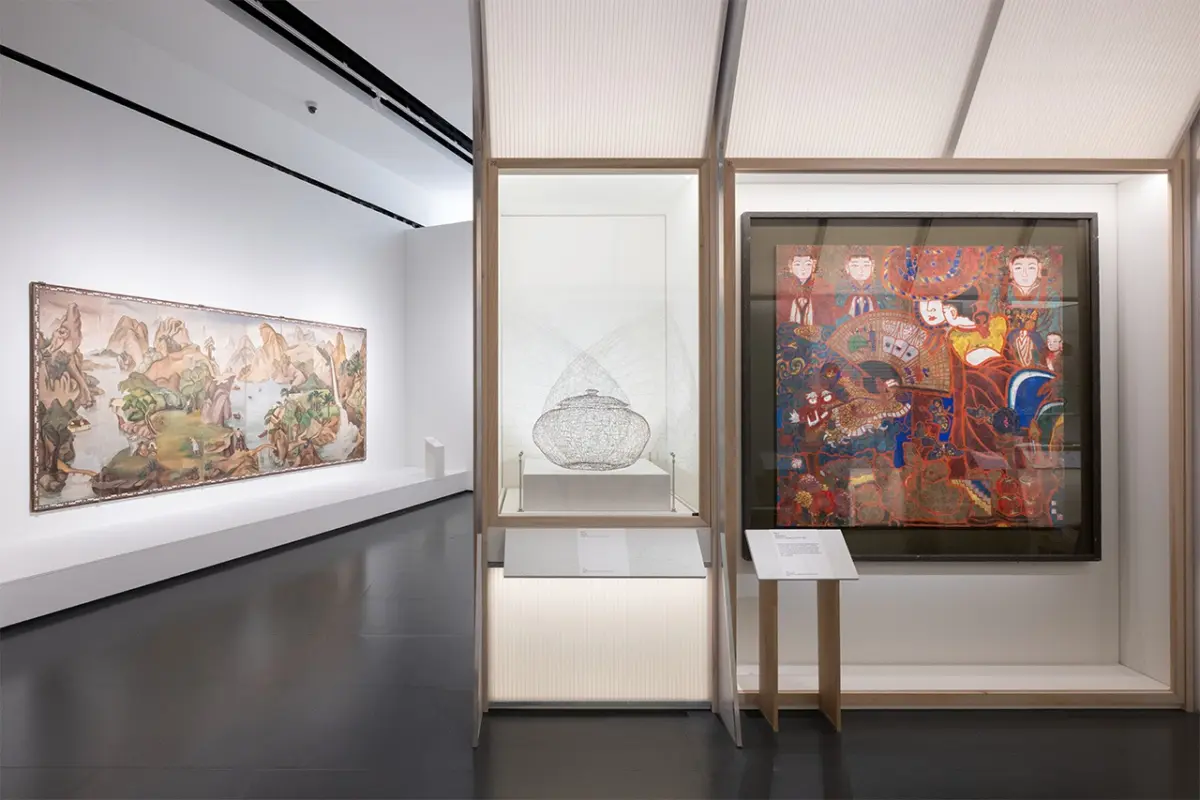
With the global boom of K-pop and K-drama, more eyes are on South Korea than ever before, yet very few international observers truly grasp the profound creativity that has defined the nation throughout its long history. According to Yoo, the traditional representations of Korean art found in the limited wings of major international museums simply do not do the culture justice. By drawing extensively on the extraordinary collection amassed by the late Samsung chairman Lee Kun-hee, the British exhibition finally showcases the true essence and vibrant color of Korean art and culture, spanning from antiquity to the present day.
The sheer scale of public interest in the NMK is further highlighted when examining the visitor statistics. While the 6.5 million annual visitors recorded by the museum are restricted strictly to the Yongsan headquarters in Seoul, expanding the metric to include the institution’s network of regional branches—such as the historic site in Gyeongju—pushes total attendance to approximately 14 million. To put that number into perspective, it easily surpasses the total attendance figures for South Korea’s professional baseball league games, which traditionally reign as the country’s most popular spectator sport.
Cultivating a Young, Loyal Core of Museum-Goers
While the number of international tourists visiting the museum is growing rapidly, Yoo emphasizes that a loyal core of young domestic visitors is the primary engine driving continuous ticket sales and daily engagement. Fostering such a passionate following requires moving far beyond static displays and traditional curation.
The museum achieves this through dynamic, interactive programming, most notably exemplified by its annual "Dress Like Museum Exhibit" cosplay contest. The competition encourages deep, playful engagement with history, with recent top prizes awarded to participants demonstrating incredible creativity—such as one visitor who meticulously dressed as a carp-shaped baekja porcelain inkstone. Through these initiatives, the museum has successfully repositioned itself as an energetic, multi-purpose cultural playground that actively nurtures community building among younger generations.
This synergy with contemporary youth culture and K-pop is neither accidental nor superficial. Teenagers and young adults have been known to queue up at dawn outside the museum doors, eager to secure exclusive goods from KPop Demon Hunters or limited-edition merchandise tied to global superstars like BTS. The intersection of modern music and classical heritage runs deep; notably, members of BTS even sampled the sound of South Korea’s legendary Sacred Bell of Great King Seongdeok for their acclaimed album Arirang.
The Power of High-Profile Ambassadors and Dynamic Curation
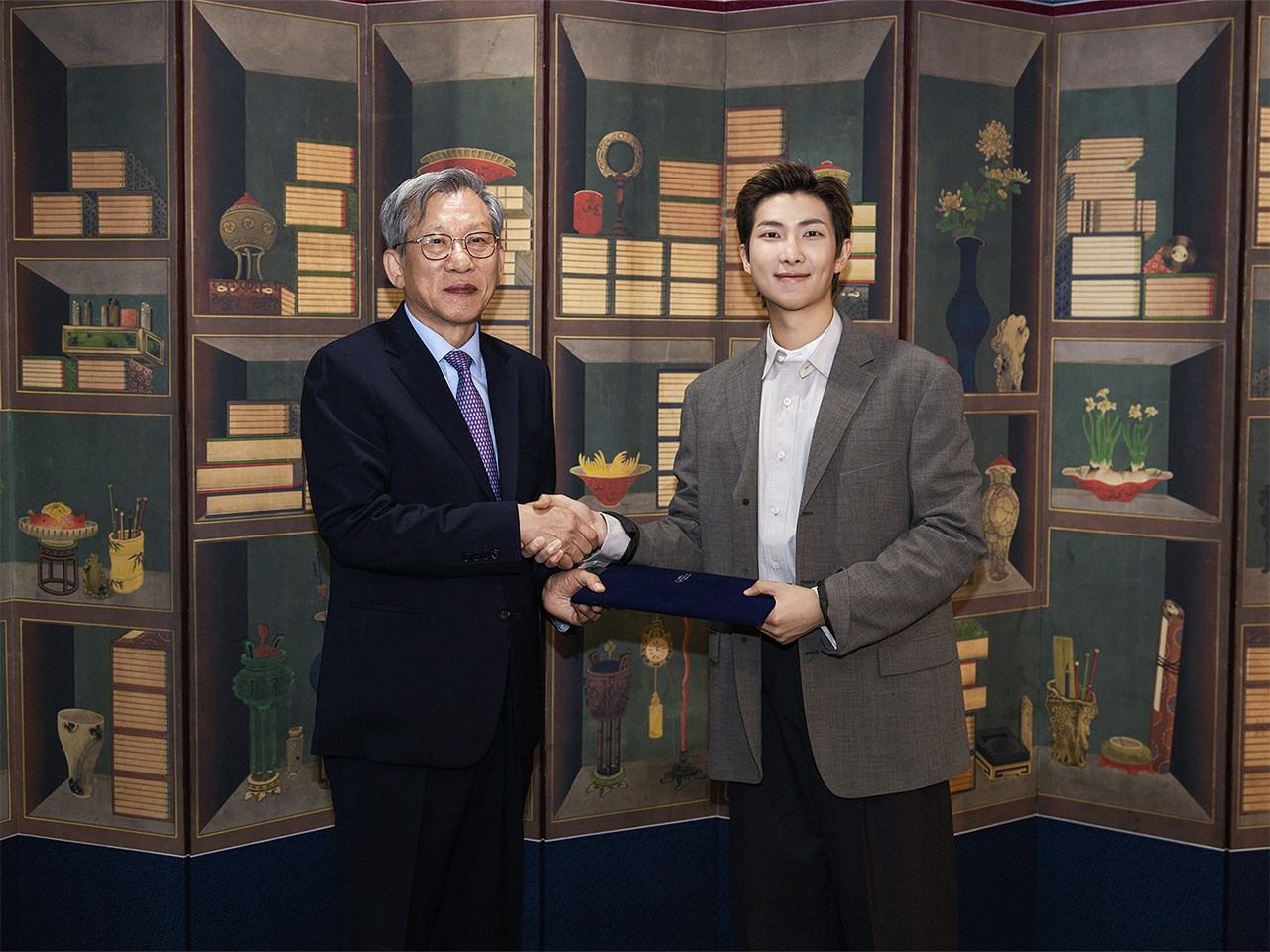
In June, the NMK made a strategic move to cement this cultural crossover by appointing RM, the frontman of BTS, as the museum’s global public-relations ambassador. RM’s massive international following acts as a powerful magnet, drawing legions of young people through the museum’s doors who might not otherwise engage with classical antiquities. Beyond his public-facing role, RM has actively supported the institution’s mission, including a generous personal donation of 100 million won (approximately €66,000) dedicated to assisting with museum acquisitions. Fresh from curating a celebrated exhibition at the San Francisco Museum of Modern Art that featured pieces from his own personal collection, RM has proven to be a vital force in making historical art compelling and relevant to a new generation.
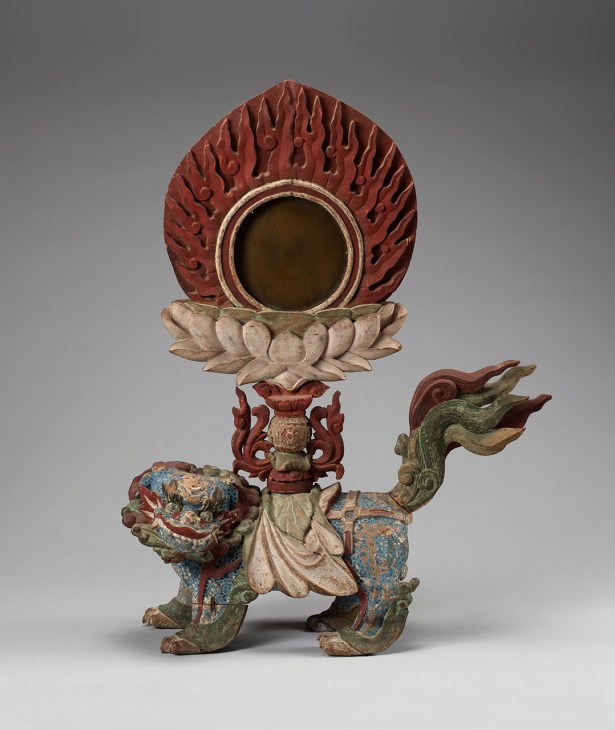
To ensure that visitors continue to return rather than treating the museum as a one-off destination, the NMK has reimagined how it displays its permanent collection. Because historic works require mandatory rotation every three months for conservation and restoration purposes, the museum embraced an innovative seasonal model within its Calligraphy and Painting Gallery. Each quarter features a newly curated masterpiece from the period, encouraging visitors to return repeatedly for fresh discoveries and helping them develop long-term loyalty as devoted fans of the institution.
Reflecting on his leadership approach, Yoo notes that his background as an art-history professor and a bestselling author has profoundly shaped his tenure at the NMK. Whether he is writing a book or managing a national museum, he consistently places the audience first. While maintaining absolute academic rigor, Yoo carefully balances content delivery, constantly evaluating whether general visitors can grasp the material as deeply as the curators hope. For him, running a museum is never about simply listing a menu of good options; it is about curating an exceptional, accessible cultural experience.
Defining Distinctive Korean Aesthetics and Future Horizons
When asked to articulate the distinctive qualities of Korean aesthetics, Yoo points to historical texts such as the Samguk Yusa, the chronicle of the Three Kingdoms completed in 1145. The traditional Korean aesthetic is best summarized as "humble yet not undignified, splendid yet not extravagant." It represents a deep sense of inner emotional depth and communal togetherness, standing in direct contrast to intimidation, grandeur, or overt ostentation. Within this philosophy, the enduring relationship between the beholder and the artwork matters far more than mere visual display.
Looking ahead, the momentum at the NMK shows no signs of slowing down. The institution is already deep in preparations for a landmark exhibition slated for 2027 that will trace the deeper roots of Korean culture, which will subsequently be taken on international tours.
Art history provides an essential foundation for understanding any country, yet Yoo observes that outside of academic exhibition catalogues, remarkably few books in English are dedicated to the comprehensive history of Korean art. Addressing this literary gap remains a personal ambition for the director, who is actively seeking a discerning European publisher to bring his forthcoming book on Korean art history to an international readership.