Twenty years ago, National Geographic photographer Joel Sartore embarked on a deceptively simple yet monumental multi-year mission: to create a comprehensive photo archive of global biodiversity. Documenting approximately a thousand animals each year, his ultimate goal is to assemble a vast portrait catalogue showcasing more than 25,000 species. As of this writing, Sartore has successfully documented 18,567 animals, a milestone that includes capturing images of a newly discovered wild cat species in Bolivia. Working across zoos, aquariums, and wildlife sanctuaries, he collaborates closely with conservationists and researchers to document what remains an awe-inspiring yet tiny fraction of the diverse life on our planet.
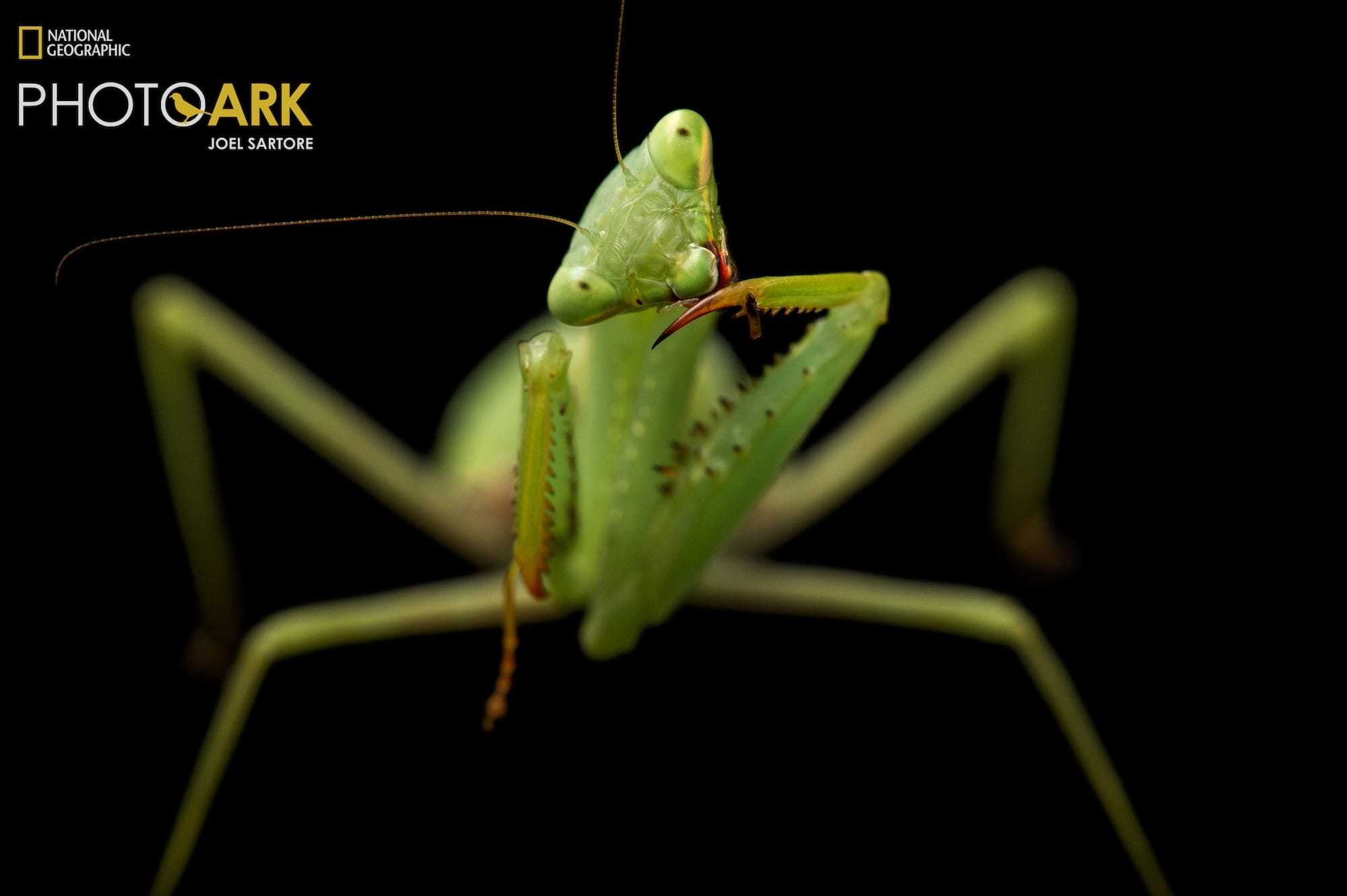
Sartore’s groundbreaking initiative, known as the Photo Ark project, illuminates animals against stark, plain black or white backgrounds. This intentional minimalist approach strips away distractions, highlighting each animal’s distinctive characteristics, textures, and unique expressions in an intimate and relatable format. The technique transforms creatures of all sizes into subjects of equal dignity.
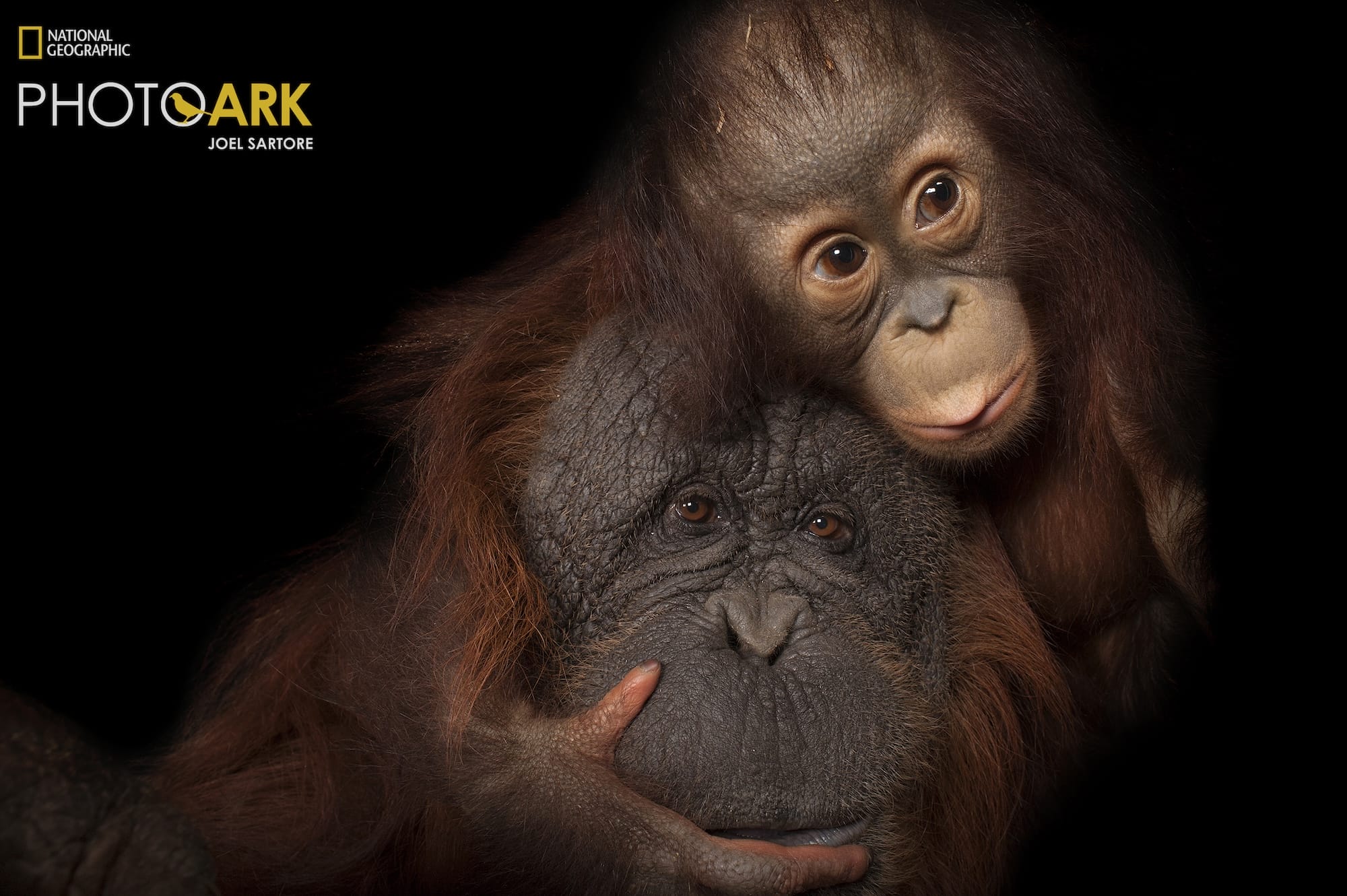
"It’s the eye contact that moves people," Sartore explains, emphasizing the psychological connection forged through the lens. "It engages their feelings of compassion and a desire to help."
Fostering those feelings of care, ideally paired with a powerful motivation to act, forms the core mission of what Photo Ark is all about. When Sartore first began photographing animals in his hometown of Lincoln, Nebraska, back in 2006, he immediately recognized the profound power of bold, straightforward portraits to connect with viewers on a deeper emotional level. The resulting images do more than merely introduce humanity to the incredible array of animals with which we coexist; they actively spur conservation efforts and mobilize communities to protect vulnerable habitats and species.
"I want people to care, to fall in love, and to take action," Sartore says regarding the ultimate impact of his visual cataloging.
Over the years, the project has expanded far beyond a personal photography mission into a multifaceted global movement. In 2023, the Photo Ark Species Impact Initiative took things a step further by awarding dedicated conservationists financial grants to directly support their critical field work. Furthermore, the project has morphed into an expansive, all-ages educational initiative that National Geographic makes readily available in classrooms, print publications, and broadcast media around the world.
"No matter its size, each animal is treated with the same amount of affection and respect," National Geographic states regarding the methodology behind the imagery. "The results are portraits that are not just stunningly beautiful, but also intimate and moving."
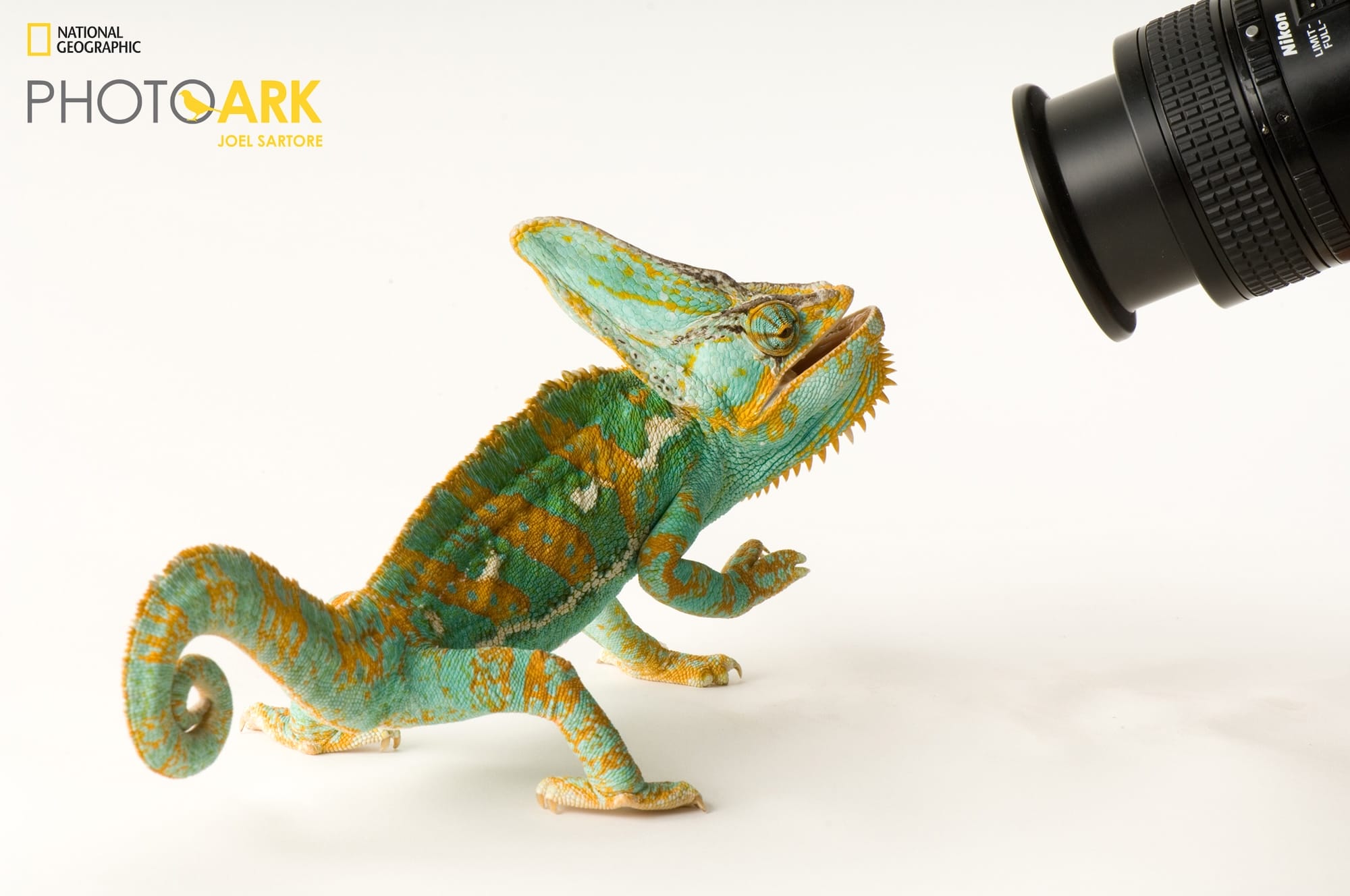
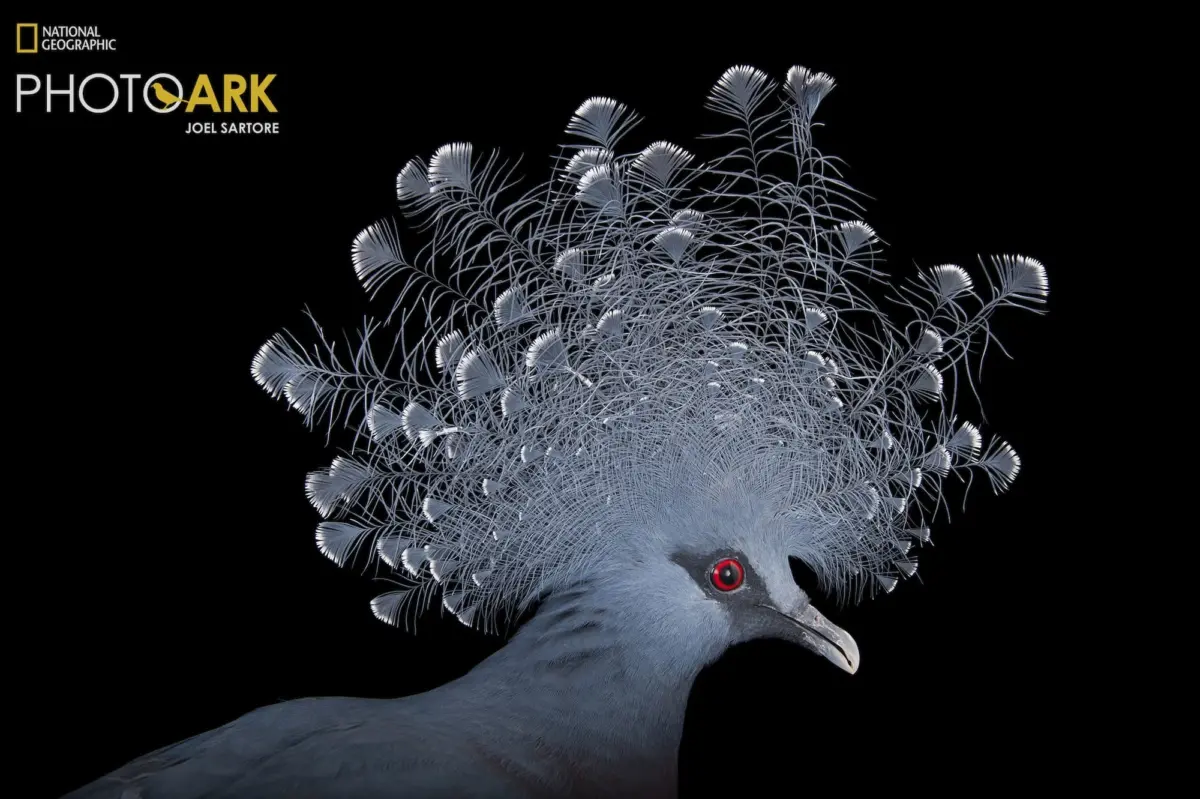
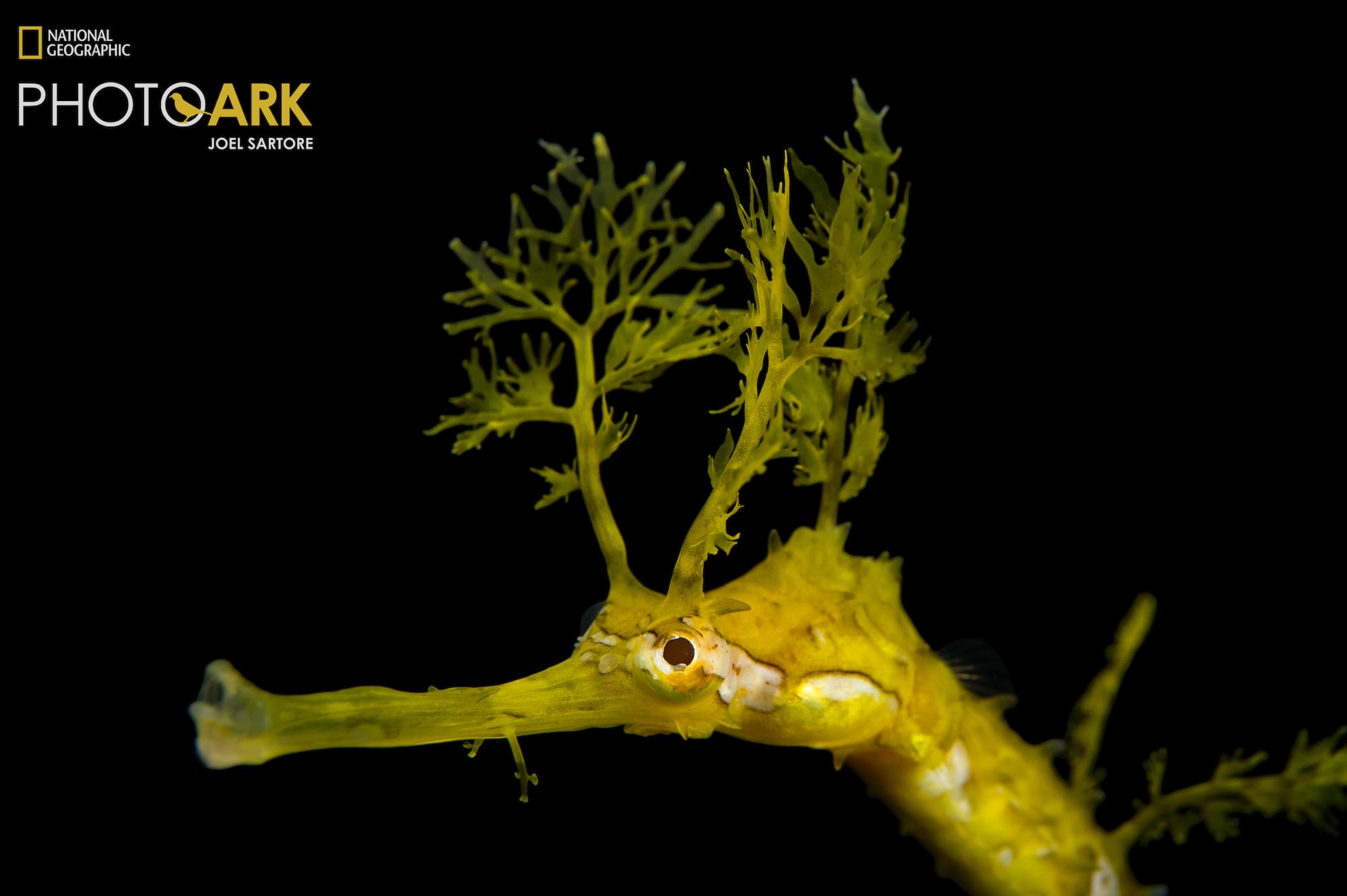
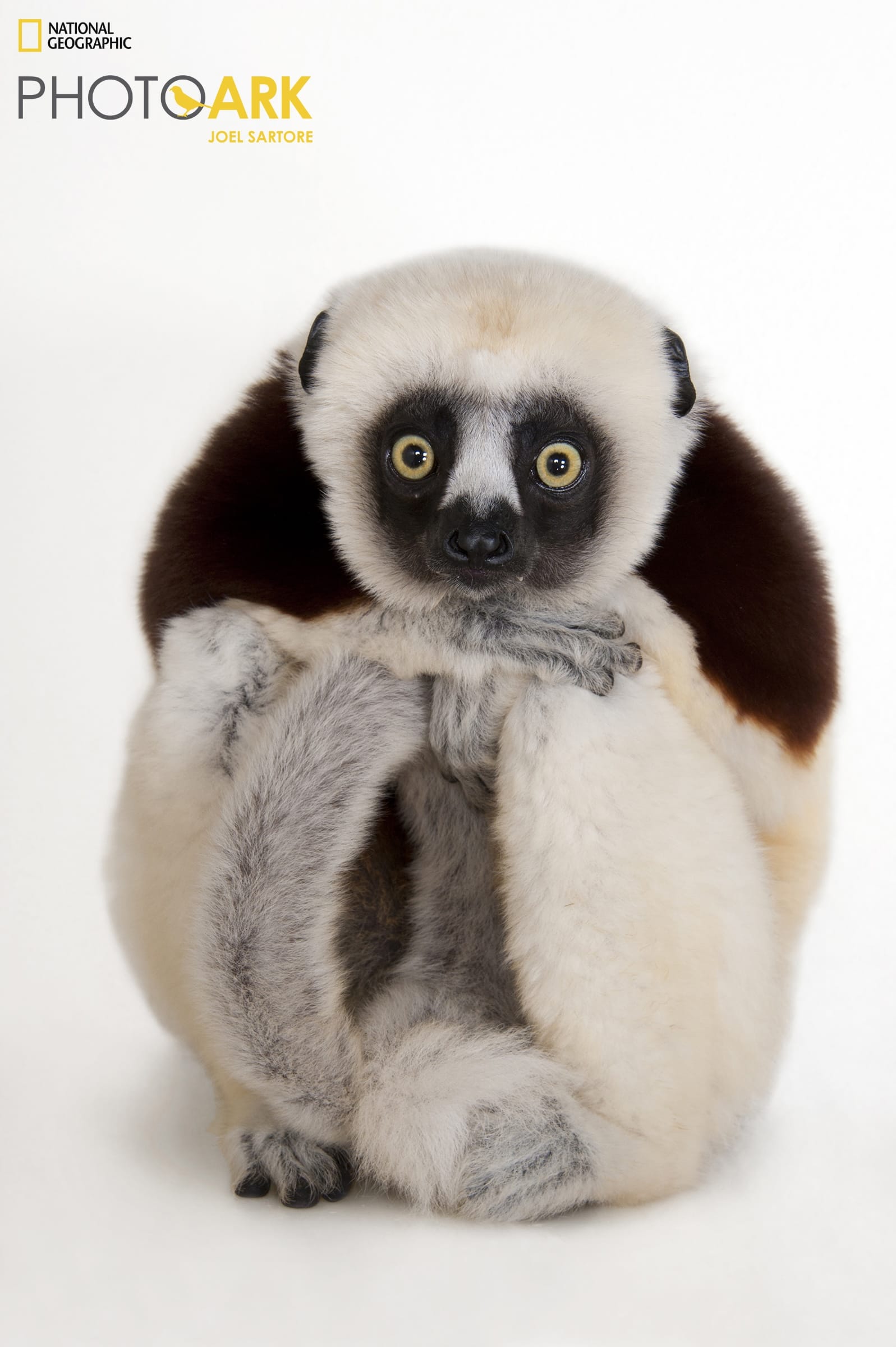
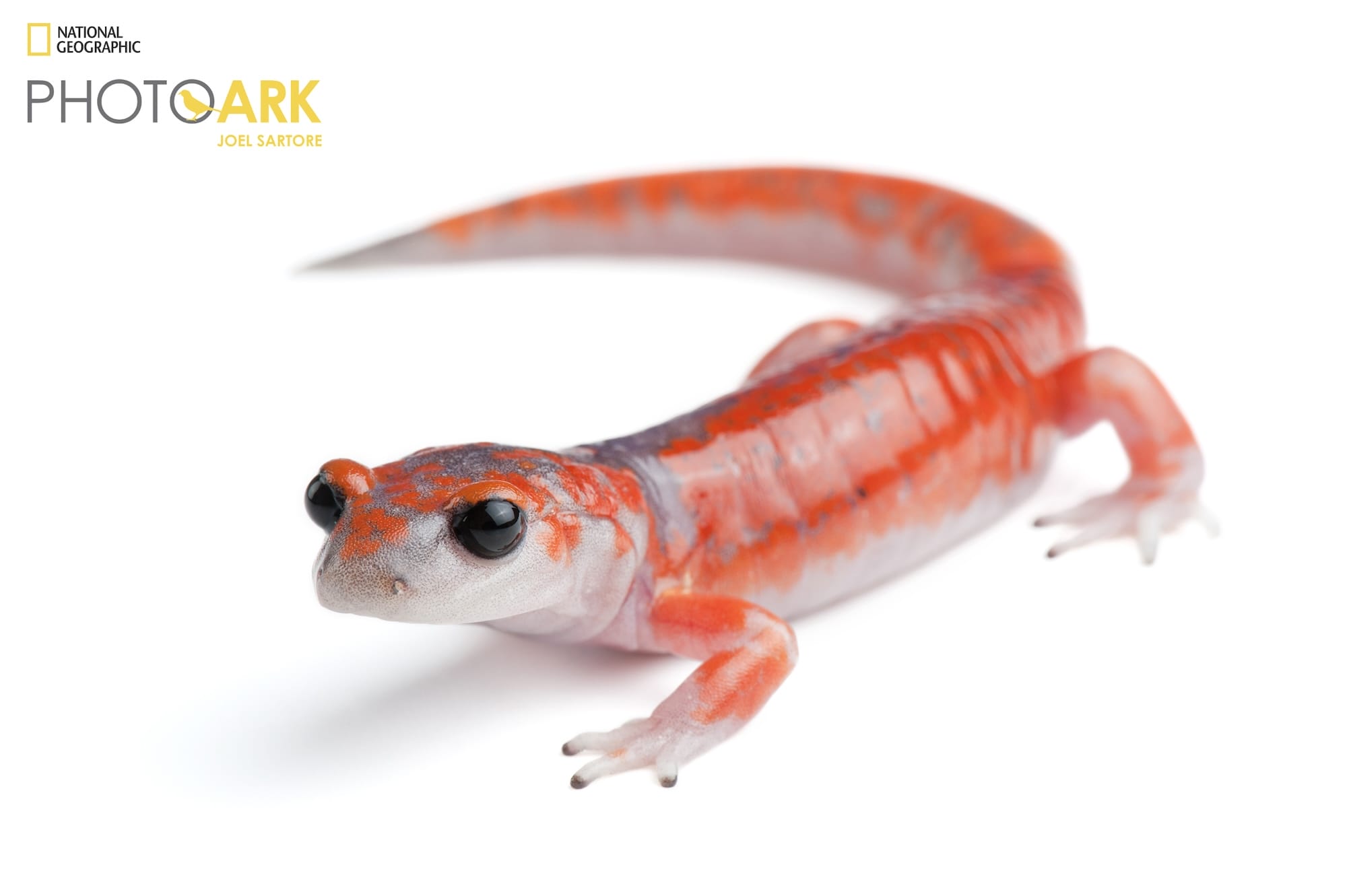
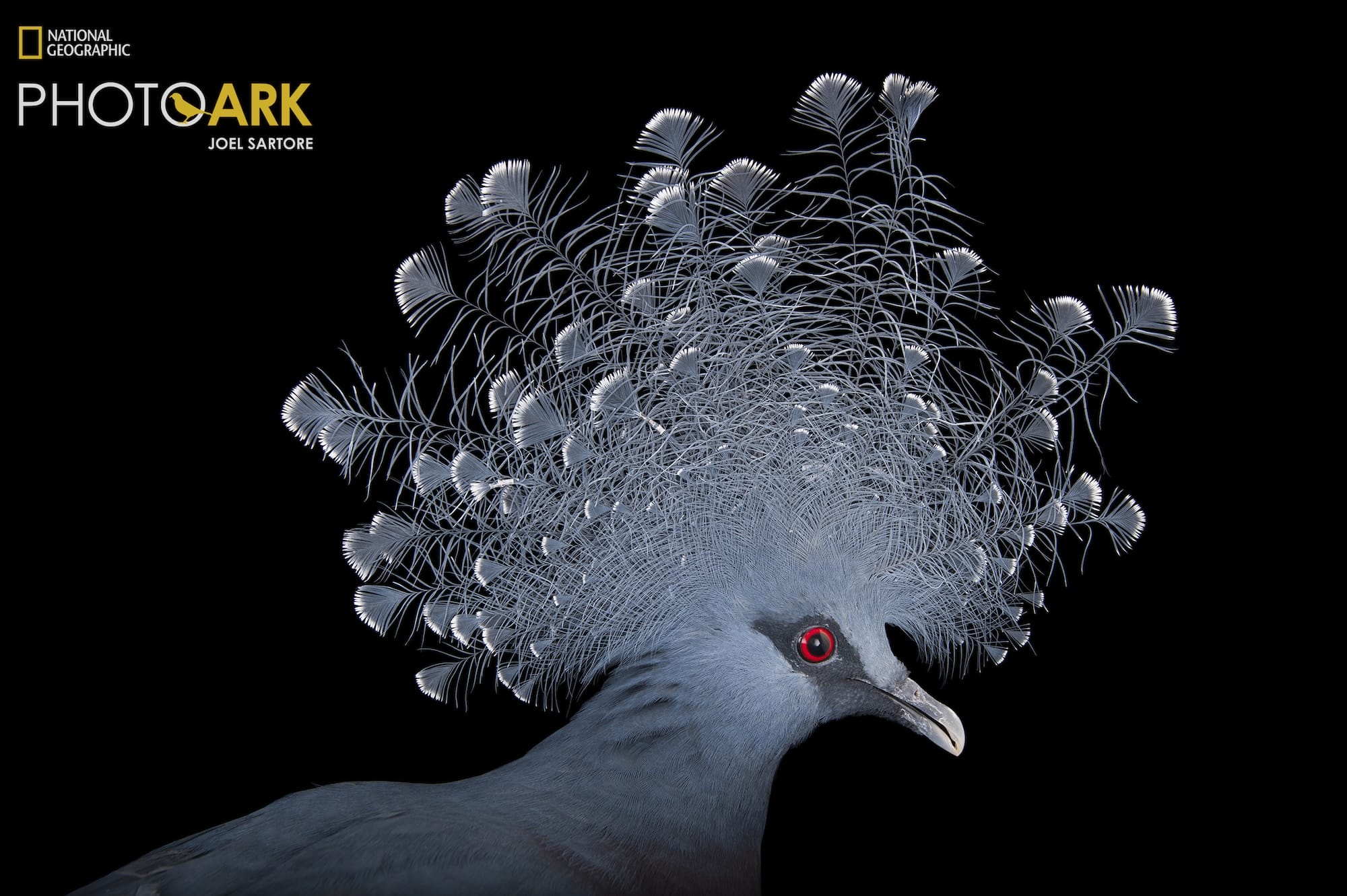
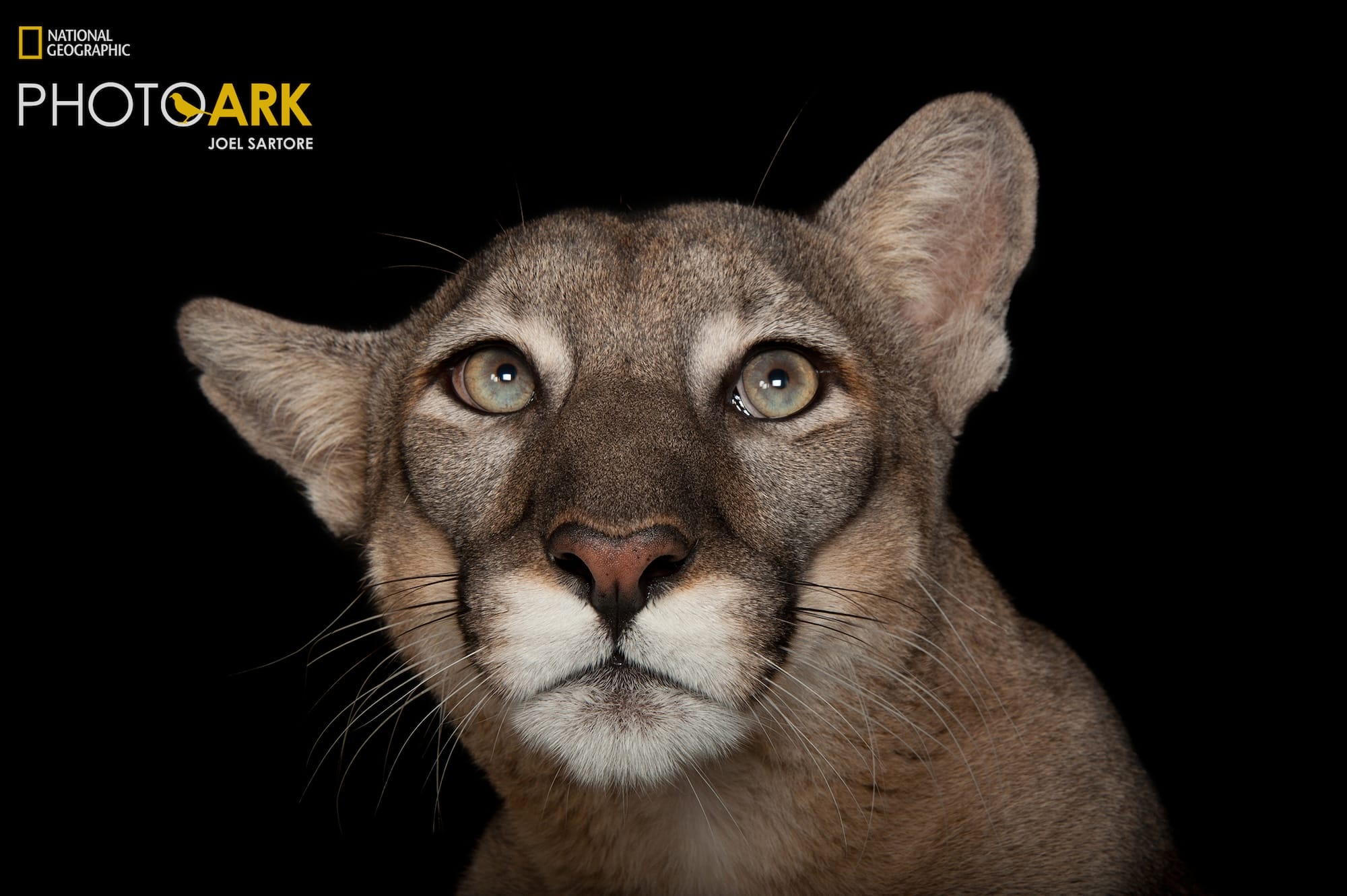
From microscopic insects and delicate amphibians to massive endangered mammals, the scope of the Photo Ark reflects the fragile beauty of life on Earth. Among the subjects documented are a springbok mantis at the Auckland Zoo, an endangered baby Bornean orangutan named Aurora with her adoptive mother Cheyenne at the Houston Zoo, and a ribboned pipefish with its branch-like antennae features at the Dallas World Aquarium. Other striking portraits feature an endangered Coquerel’s sifaka at the Houston Zoo, a Sierra Nevada ensatina salamander, a vulnerable Victoria crowned pigeon at the Columbus Zoo, a veiled chameleon confronting a camera lens at Rolling Hills Wildlife Adventure, and a federally endangered Florida panther at Tampa’s Lowry Park Zoo. Each portrait captures a fleeting moment of connection between humanity and the natural world, preserved for posterity.
Nature enthusiasts, educators, and supporters can discover thousands of these creatures by visiting the official Photo Ark site, where they can also learn more about how researchers are actively defending endangered and vulnerable species. Additionally, followers of Sartore’s ongoing conservation mission can view his latest captures and updates on Instagram.