Camera traps continue to serve as an indispensable tool for zoologists and conservationists operating in remote and challenging environments across the globe. A recent, large-scale conservation study conducted in western Tanzania by the global wild cat conservation organization Panthera has yielded a staggering trove of ecological data, illuminating the hidden lives of rare regional wildlife while highlighting troubling trends for apex predators.
Deploying more than 300 custom-engineered camera traps across a vast geographic expanse roughly equivalent in size to Cape Verde, researchers successfully captured more than 150,000 images. This monumental visual dataset provides a sweeping, unprecedented look into the rich biodiversity of the region’s ecosystem, offering scientists the precise evidence-based metrics required to formulate and implement targeted wildlife management strategies.
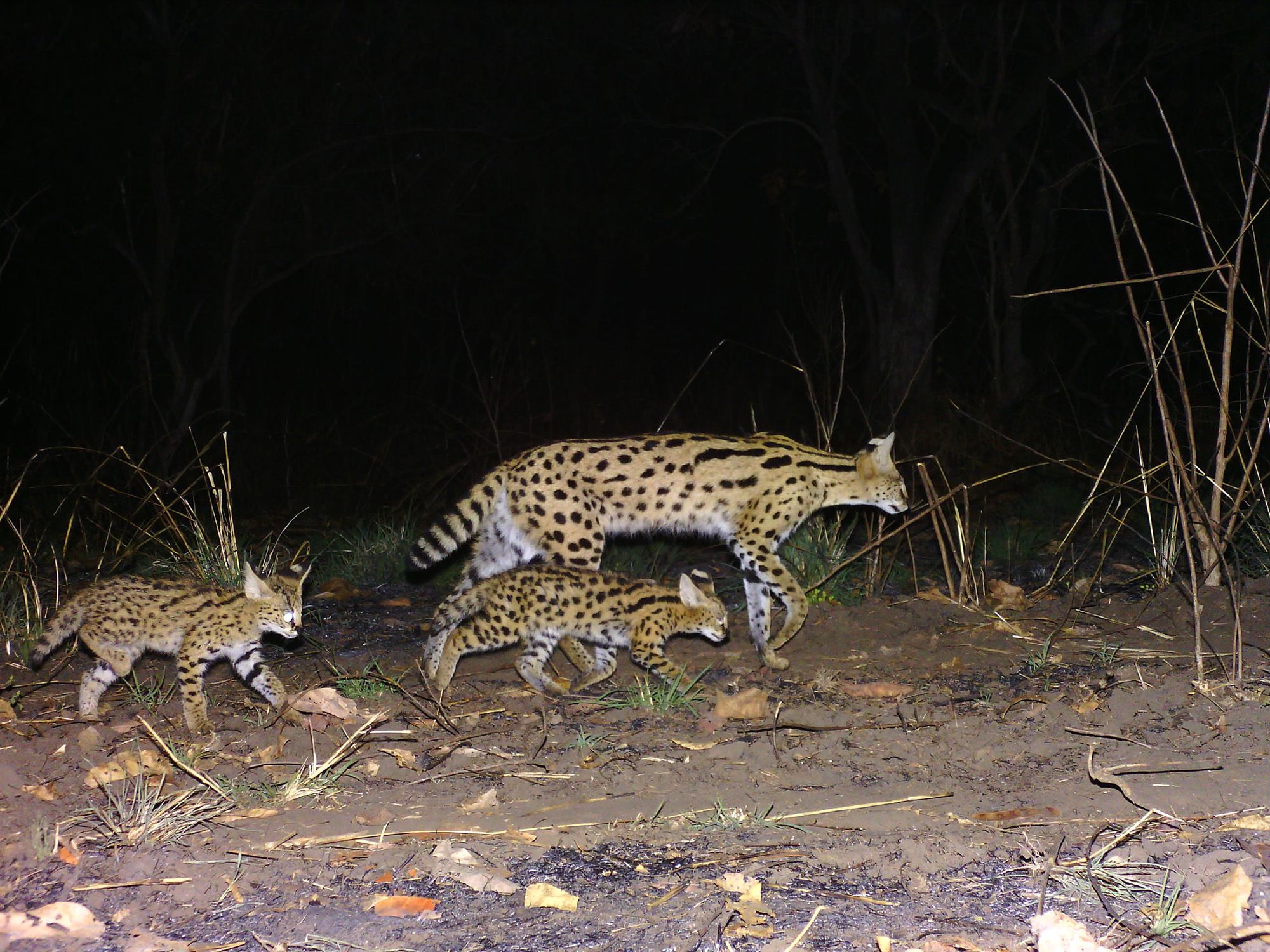
Among the standout discoveries of the expansive survey are photographs of servals displaying a rare morph coat pattern, marking the first time such an aberration has been officially documented in Tanzania. Furthermore, the survey secured some of the earliest and most definitive digital records confirming the presence of aardwolves, bat-eared foxes, and springhares within the country’s western sector.
However, the findings are not solely a celebration of biodiversity. The project has also delivered concerning empirical evidence indicating a steady decline in lion populations residing within the Ugalla and Luganzo-Tongwe Game Reserves, pointing to ongoing ecological pressures that demand immediate conservation intervention.
To better understand the logistical challenges, technical precision, and methodology behind such a massive field operation, lead scientist Paolo Strampelli detailed the intricate processes involved in distributing camera traps and harvesting critical field data across the Tanzanian wilderness.
How Camera Traps Are Used by Conservationists
For organizations like Panthera, the hardware deployed in the field must meet exacting specifications to survive punishing environmental conditions while consistently delivering high-quality images of elusive targets. When asked about the specific technology utilized in the western Tanzania survey, Strampelli explained that the organization relies heavily on proprietary equipment designed specifically for field monitoring.
"We use PantheraCams," Strampelli said. "These cameras are developed in-house by Panthera and are custom-made to meet our specific wild cat monitoring needs and requirements."
Deploying hundreds of cameras across a massive landscape is far from a random exercise; it requires meticulous planning, advanced technology, and a deep understanding of animal behavior. The research team begins by leveraging satellite imagery to map out a comprehensive grid system. This initial digital architecture ensures that individual cameras are placed at precise, predetermined distances from one another, a crucial step required to satisfy the mathematical assumptions of the statistical models applied to the collected data later on.
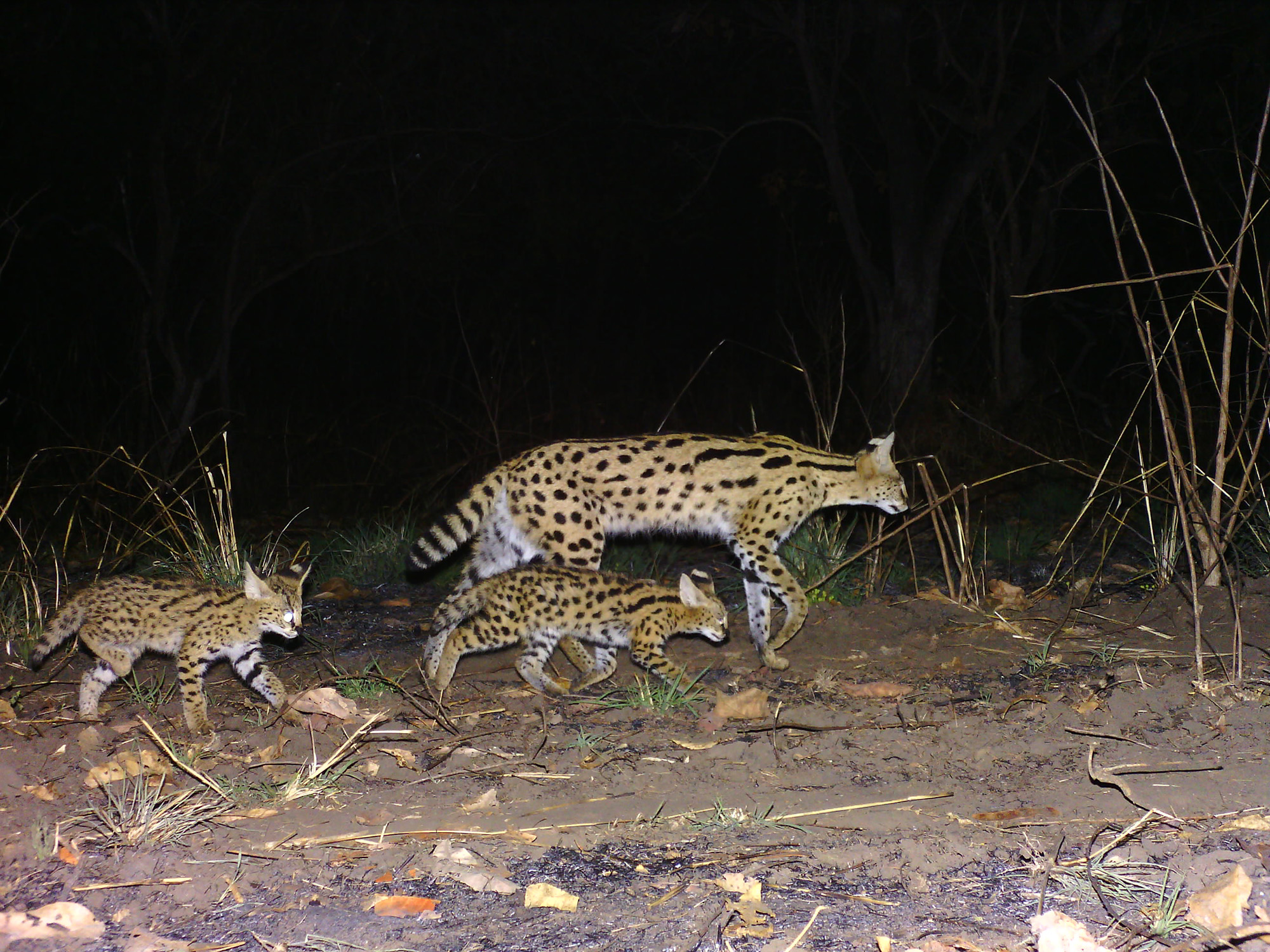
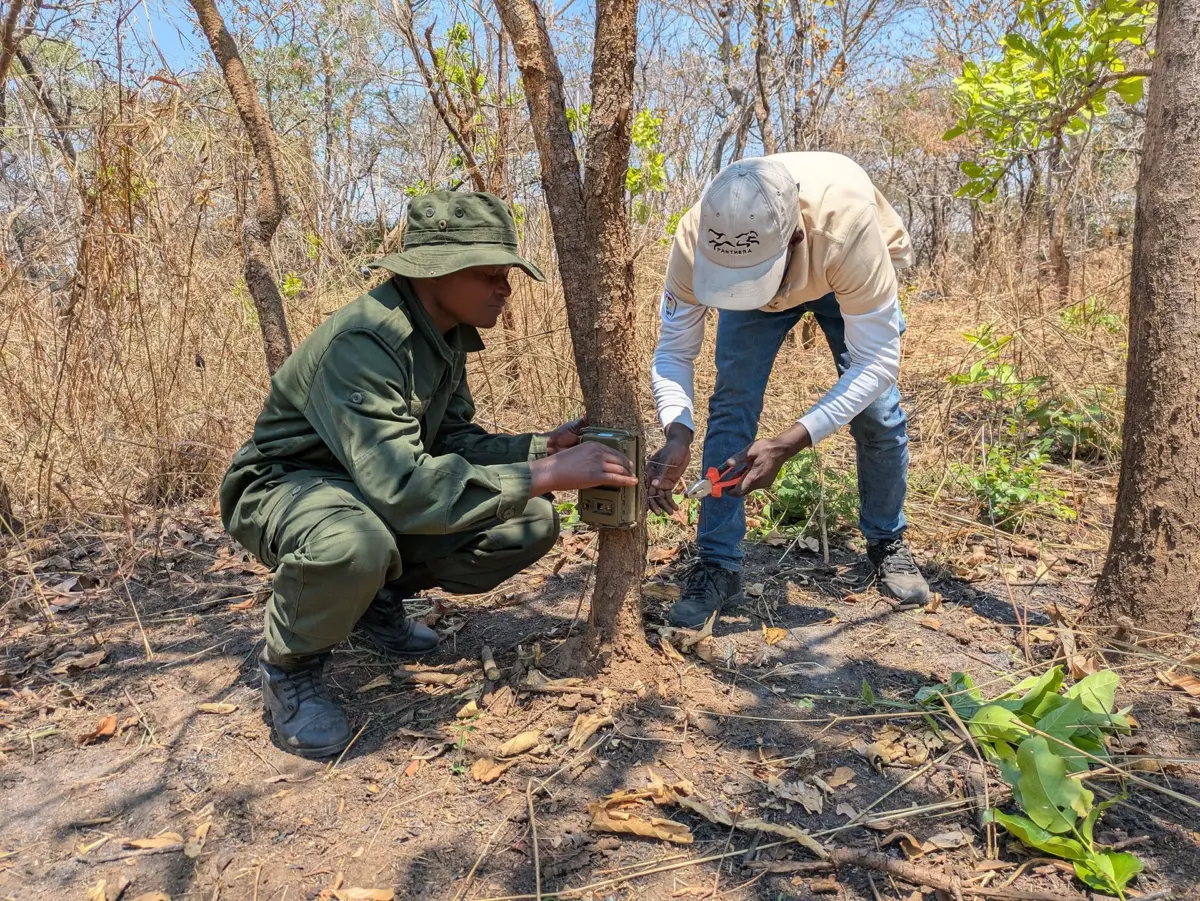
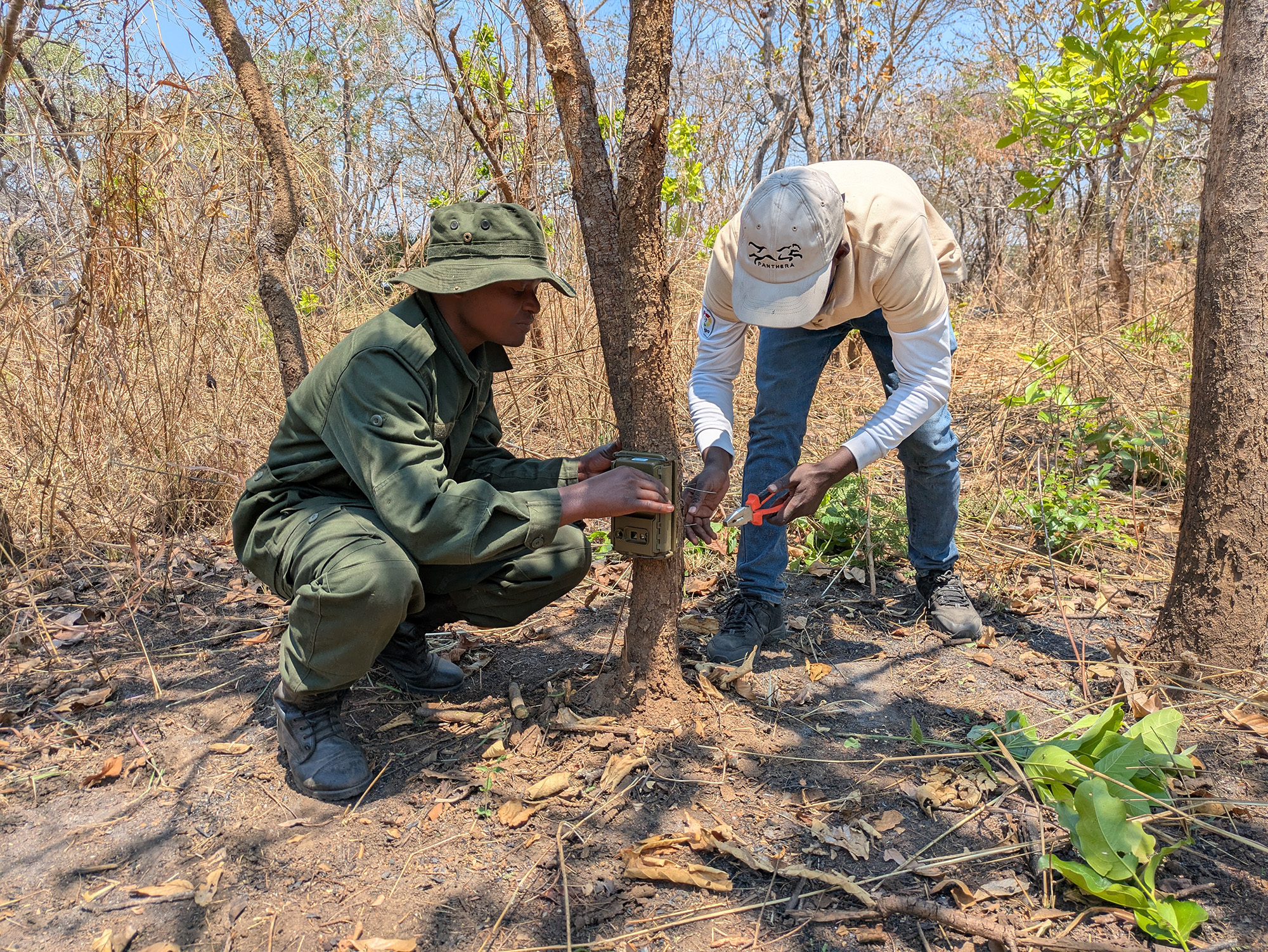
Once the theoretical grid is established, field scientists identify preliminary positions for each unit. Upon arriving in the physical landscape, the team engages in fine-scale adjustments, selecting the exact tree best suited to hold the camera while modifying placements based on real-time observations and environmental cues discovered on the ground.
"The objective is always to maximize pictures of wildlife, especially wild cats," Strampelli noted, "so we try and ‘think like a lion’, and look at habitat features, movement pathways, game trails, and other characteristics of the area that can help us maximise captures."
Recovering the equipment and harvesting the data is an equally arduous endeavor that demands rigorous physical labor and strict scheduling. The field teams commit roughly two weeks to the initial deployment phase. This is followed halfway through the survey by a mandatory two-week maintenance check to ensure every unit is functioning correctly. After approximately three months of continuous monitoring in the elements, the team returns to dismantle the grid and retrieve the storage media.
"It’s a lot of work! Our team spends about two weeks on deployment, and we then have a two-week ‘check’ halfway through the survey. After about three months, the team takes them down," Strampelli explained. "It’s a big effort, but worth it when we get to check the data and see all the amazing things we’ve captured!"
Operating sensitive electronic equipment in remote wilderness areas exposes the hardware to extreme weather and unpredictable wildlife interactions. Despite these hazards, the custom-built units have proven remarkably durable.
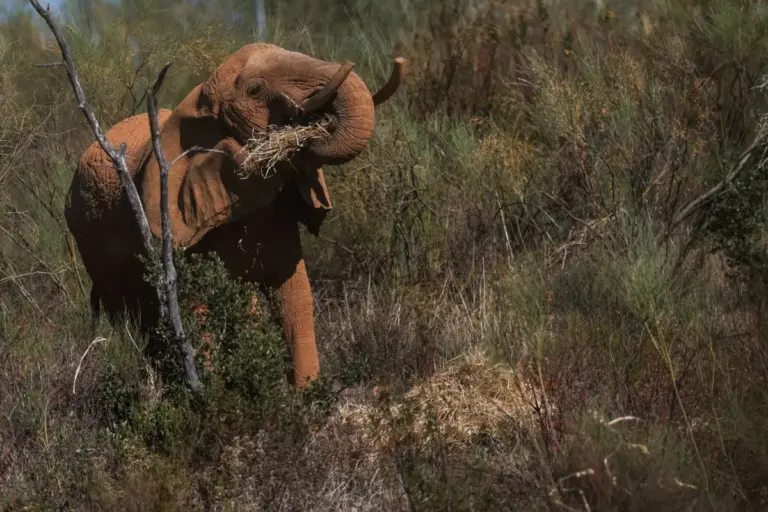
"They are very resistant to heat, sunlight, humidity, and even freezing temperatures – although this is not something we have to deal with a lot in Tanzania!" Strampelli said. "Our teams have built them to be robust and (almost) indestructible, although we do unfortunately lose some to elephants and spotted hyenas, who sometimes appear to have not gotten the memo!"
Ultimately, the deployment of these optical sentinels serves a purpose far greater than merely capturing striking portraits of charismatic megafauna. In western Tanzania, these devices function as a fundamental pillar of modern wildlife management. By partnering with government agencies such as the Tanzania Wildlife Authority (TAWA) and the Tanzania Wildlife Research Institute (TAWIRI), Panthera utilizes the continuous stream of verifiable data to monitor population metrics and density distributions for key species including lions and leopards.
Furthermore, the surveillance grid tracks threatened species like the African wild dog while simultaneously mapping out the broader mammal diversity across the region. Beyond pure zoological research, the cameras frequently record vital evidence regarding human activities, providing conservationists and local authorities with an unvarnished look at the scope of regional threats and identifying specific activity hotspots where enforcement and protective measures can be deployed most effectively.