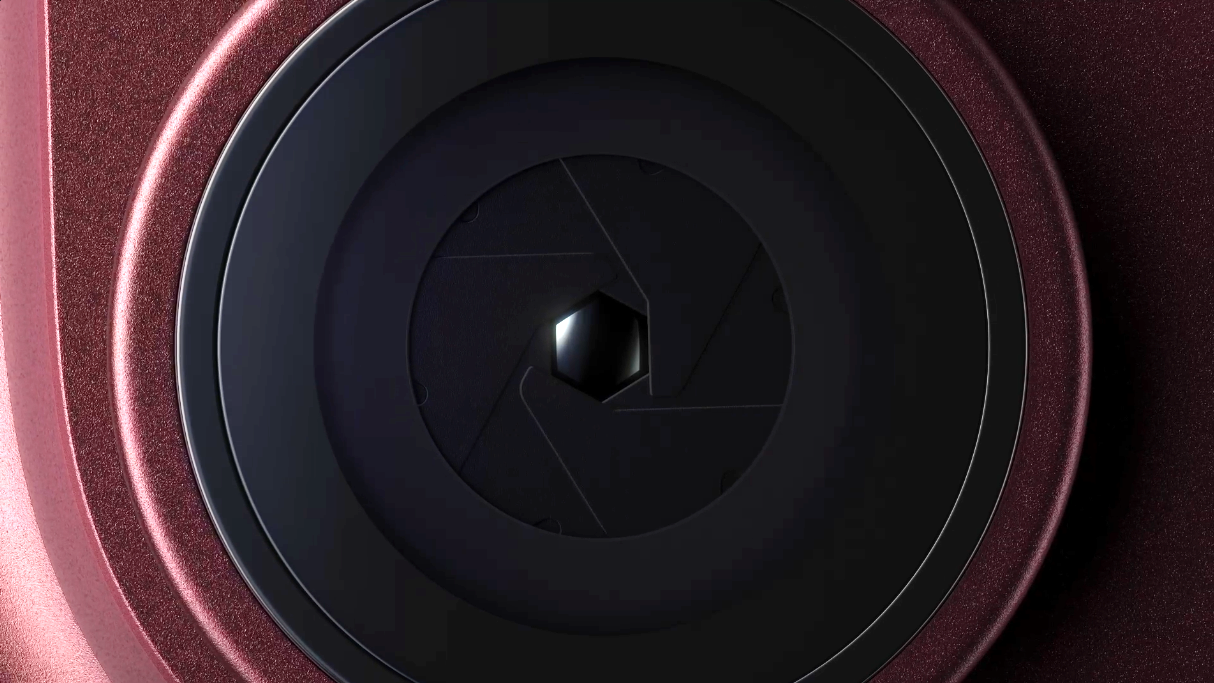
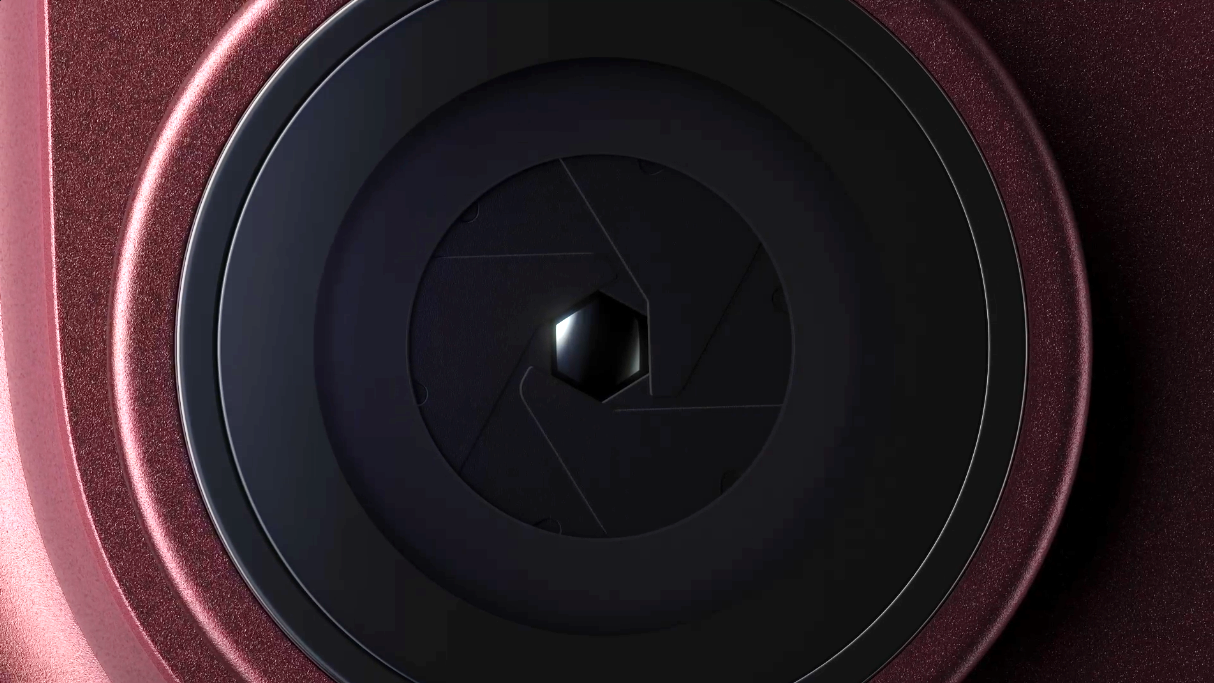
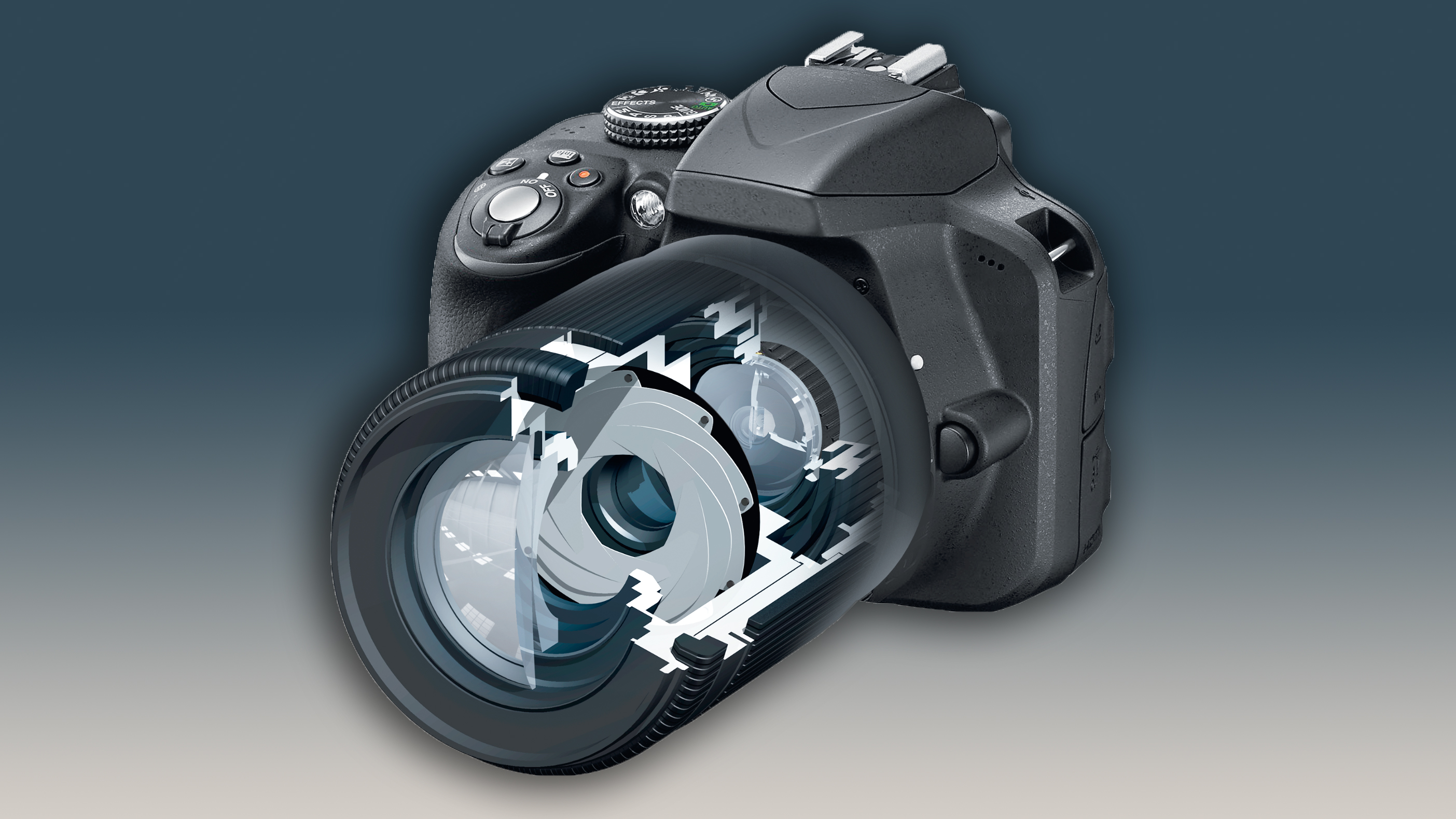
According to Apple’s presentation, the newly integrated camera system is designed to dynamically select an appropriate aperture setting based on shooting conditions. The software automatically weighs whether a faster shutter speed is necessary to freeze motion or if a greater depth of field is required to keep multiple layers of a scene sharp. Alternatively, mobile photographers can choose to take manual control, selecting between four distinct aperture settings directly within the native Camera app. The physical aperture diaphragm itself is engineered using six laser-cut blades governed by a newly designed rotor mechanism. Apple claims this system allows for smooth, precise transitions anywhere from a maximum f/1.48 aperture down to f/4.
While the technical specifications undoubtedly sound impressive on paper, the introduction of this feature prompts a broader technological question: why are variable aperture lenses still relatively rare across the high-end smartphone market? Furthermore, given that the underlying mechanics of variable aperture lenses are well-established in the photography industry, it begs the question of why it has taken a company like Apple this long to embrace the technology.
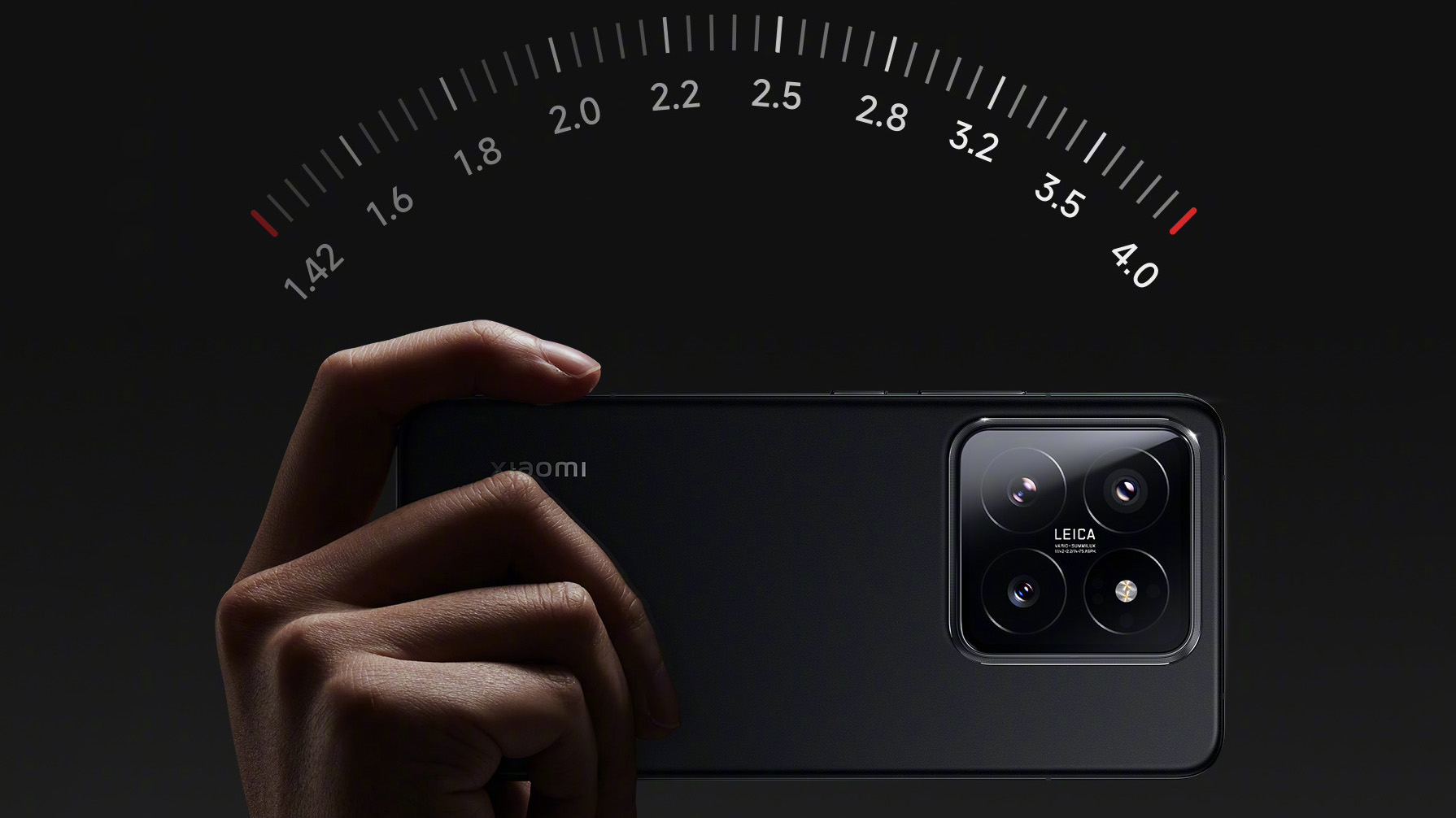
To begin with, while variable apertures are far from standard in the mobile sector, the iPhone 18 Pro is certainly not a pioneer in this arena. Several major competitors ventured down this path years ago. Back in 2022, Huawei equipped its Mate 50 Pro flagship with a variable f/1.4-f/4 aperture lens. Xiaomi followed suit roughly a year later, incorporating a similar variable aperture system into its flagship 14 Pro handset. Looking back even further, Samsung offered a dual-aperture camera lens on its Galaxy S9 and S9+ devices as early as 2018. Yet, despite these milestones demonstrating that the technology has been entirely viable for hardware manufacturers for the better part of a decade, it has stubbornly failed to become a ubiquitous standard across the smartphone industry.
The reasons behind this industry-wide hesitation are rooted in fundamental photographic optics. A variable lens aperture is an absolute necessity when designing optics for conventional, large-sensor cameras, such as full-frame DSLRs or mirrorless bodies. This necessity exists because of the physics of sensor size: the larger the image sensor, the shallower the resulting depth of field will be at any given aperture setting. On a full-frame camera, if a photographer wants both a close foreground subject and a distant background to remain in sharp focus simultaneously, they have no choice but to physically stop down the lens by significantly reducing the aperture size.
However, when that physical sensor is shrunk down to the dimensions of a typical camera phone sensor—such as the 1/1.28-inch sensor housed within the iPhone 18 Pro—the optical reality changes drastically. Even when shooting wide open at the lens’s maximum f/1.48 aperture, the physical scale of the sensor ensures that the camera naturally produces a remarkably deep depth of field.
Because a standard camera phone is inherently exceptional at producing deep depths of field without user intervention, the practical argument for introducing a variable aperture largely evaporates. From an optical engineering standpoint, designers might just as well fix the aperture permanently at its widest possible setting. Doing so allows the maximum possible volume of light to pass through the glass and hit the sensor, which in turn keeps shutter speeds high and ISO sensitivity low—the optimal recipe for capturing sharp, low-noise photographs in challenging lighting environments.
During its marketing and promotional rollout for the iPhone 18 Pro, Apple made a concerted effort to highlight the theoretical benefits of its new variable aperture lens. The company’s promotional materials featured several sample images designed to demonstrate how the hardware can theoretically offer the best of both worlds: a wide aperture configuration to maximize low-light performance and image clarity, paired with a narrower aperture setting intended for scenarios where a photographer desires a greater depth of field to keep subjects at varying distances sharp.
While these demonstrations look polished in promotional literature, seasoned industry observers who have reviewed camera phones for years note a different reality. Having witnessed firsthand just how broad the depth of field naturally is even when utilizing large mobile apertures, professional testers report that they have almost never found themselves wishing for the mechanical ability to stop down a smartphone lens.
This historical context helps illuminate why Apple has waited until now to adopt variable aperture technology. The concept is hardly cutting-edge engineering; Apple easily could have implemented a variable mechanism years ago if it saw a compelling utility. The fact that it chose not to until now suggests that the company may have long understood that variable apertures are not quite the revolutionary game-changer for smartphone image quality that marketing teams might claim.

While it is impossible to know every internal motivation behind Apple’s sudden embrace of the technology for the iPhone 18 Pro and Pro Max, industry analysts suggest it likely serves as a tangible hardware enhancement in an era where major smartphone camera upgrades are increasingly dominated by software and artificial intelligence developments. In a competitive market where traditional spec sheets need fresh talking points, a mechanical variable aperture lens provides a distinct physical differentiator, even if its real-world advantages remain marginal for the average user.