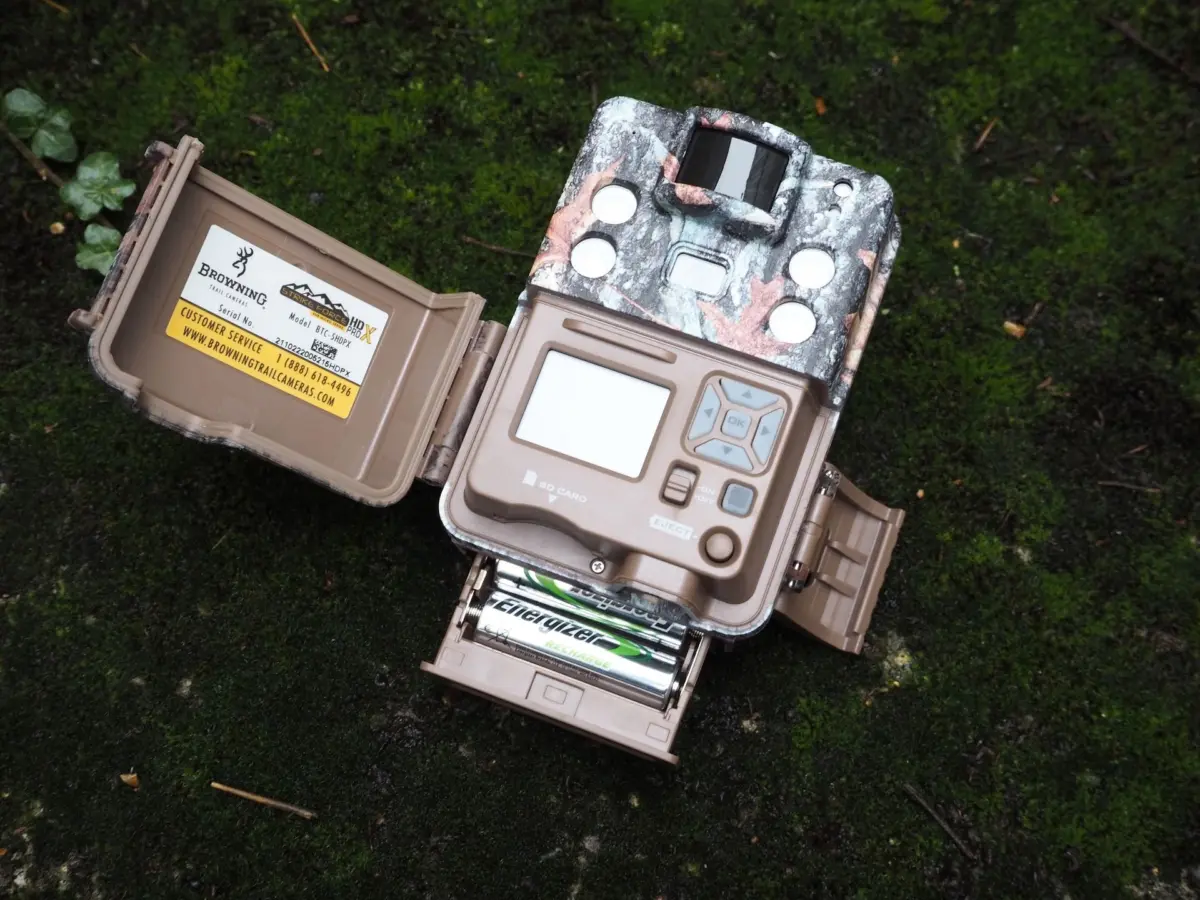
The very first photograph of a large mammal using a giant wildlife crossing that spans one of the United States’ busiest freeways has been captured by a trail camera, offering an encouraging early glimpse into the project’s potential and sparking hope among conservation scientists who are eager to document many more visitors.
The image in question shows a rather wily coyote navigating the Wallis Annenberg Wildlife Crossing (WAWC) in the early hours of the morning, quietly making its way across the massive structure before it has even officially opened to the public or local wildlife.
According to a public update shared via a Facebook post by the Santa Monica Mountains National Recreation Area, the canine was photographed at 1:37 AM, just days after National Park Service (NPS) biologists had installed a series of camera traps to monitor activity on the overpass. Remarkably, the crossing is still actively under construction and is not officially set to open until December 2—suggesting that the ambitious engineering project is already proving to be a resounding success long before its ribbon-cutting ceremony.
This early sighting is not an isolated incident involving the local canine population, either. Just a few days earlier, on October 28, a scientist photographed another coyote climbing up the installation’s southern slope at 6:05 AM. And while these medium-to-large canines are certainly making use of the new infrastructure, they are not even the first creatures to test out the bridge.
According to reports from the P22 Mountain Lion of Hollywood project, an enterprising little western fence lizard was actually the very first animal recorded exploring the WAWC, proving that the crossing is already serving creatures of all sizes as they navigate a heavily fragmented landscape.
Spanning the Ventura Freeway
The monumental crossing spans the Ventura Freeway at Liberty Canyon, situated in California’s Agoura Hills. This particular stretch of highway is notorious for being one of the busiest and most heavily trafficked roads in the entire country, with more than 300,000 vehicles roaring through the corridor every single day. For decades, this ribbon of asphalt has acted as an impassable barrier for local wildlife, severing ecological connections and trapping animal populations within isolated pockets of habitat.
The crossing was initially conceived and constructed to help protect the region’s beleaguered cougar population, which has suffered from a sharp and alarming decline in recent years. According to information provided by the official crossing initiative, these iconic big cats face severe genetic isolation and could realistically become extinct within the region if urgent measures are not taken to connect fragmented habitats. By bridging the gap over the Ventura Freeway, the project aims to allow cougars and other native species to safely roam, find new territory, and maintain genetic diversity by mixing with populations on the other side of the highway.
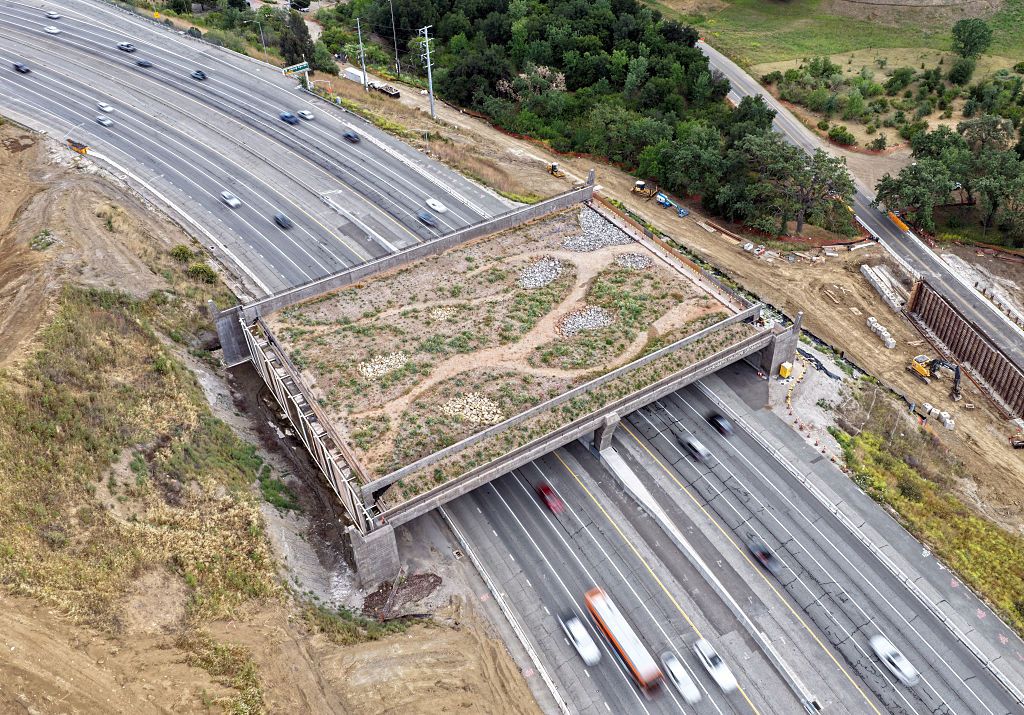
However, cougars are far from the only large mammals that frequent the rugged terrain of the Santa Monica Mountains. Other native species, including bobcats and, of course, adaptable coyotes, are also set to benefit enormously from the safe passage provided by the overpass, reducing the risk of fatal vehicle collisions and reconnecting vital migration routes.
The Role of Trail Cameras in Conservation
The early documentation of wildlife on the crossing highlights how advanced camera technology has become an indispensable component of modern wildlife conservation and monitoring efforts.
Trail cameras, which are frequently referred to as camera traps by field researchers, are specifically engineered to endure harsh outdoor conditions so that they can remain operational in the elements 24 hours a day, 7 days a week. Positioned strategically along wildlife corridors, fences, and newly constructed crossings, these devices are ready to capture passing animals at a moment’s notice, providing researchers with invaluable data regarding which species are using the infrastructure, how frequently, and at what times of day.
However, outfitting a large-scale conservation project with reliable, high-grade monitoring equipment does not come cheap. The hardware required to monitor expansive installations requires weather-resistant housing, durable power supplies, and reliable motion-detection systems. Thankfully, necessary funding was provided by the John Logan Foundation to purchase the specific trail cameras needed to monitor the Wallis Annenberg Wildlife Crossing and capture these historic early moments.
Most modern trail cameras rely on passive infrared (PIR) sensors to detect approaching wildlife. These sensors pick up changes in temperature and motion as an animal enters the camera’s field of view, instantly triggering the shutter to record photos or video footage. Built to be both rugged and weather-sealed, the cameras can withstand torrential rain, extreme heat, and dust, ensuring that researchers do not miss a single moment of activity in the field.
As the December 2 opening date approaches, conservationists and wildlife enthusiasts alike will be keeping a close eye on the camera feeds. With coyotes and lizards already paving the way, scientists are hopeful that the cameras will soon capture even more elusive species—most notably the endangered mountain lions that the crossing was ultimately built to save—as they safely cross one of America’s busiest highways for the very first time.