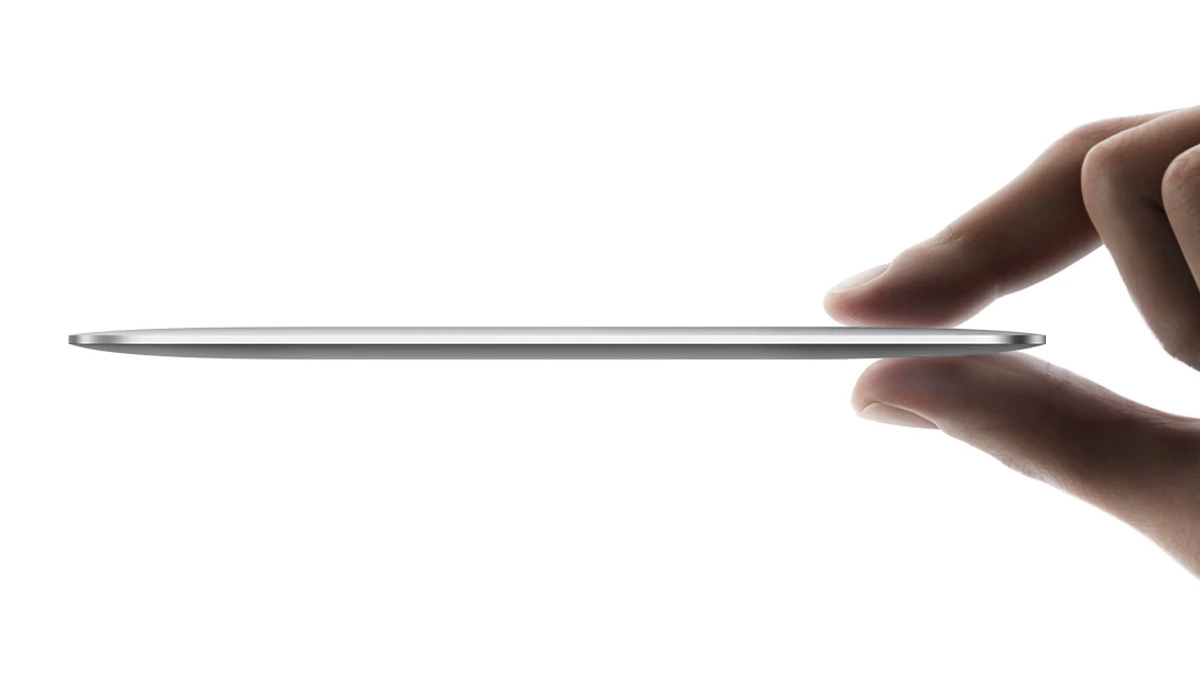
When Lexar first revealed its latest portable solid-state drive, the Muse, back in September, it immediately turned heads across the tech and photography industries. Measuring an astonishingly thin 3.8 millimeters at its thickest point and tapering down to a paper-thin 1 millimeter at its edges, the drive wowed observers with its impossibly slim, card-like form factor. At the time of its initial announcement, specific pricing details remained under wraps, and the company gave only a broad release window of the fourth quarter. Now, that window has arrived, and both the 512GB and 1TB iterations of the Lexar Muse are officially available for pre-order through
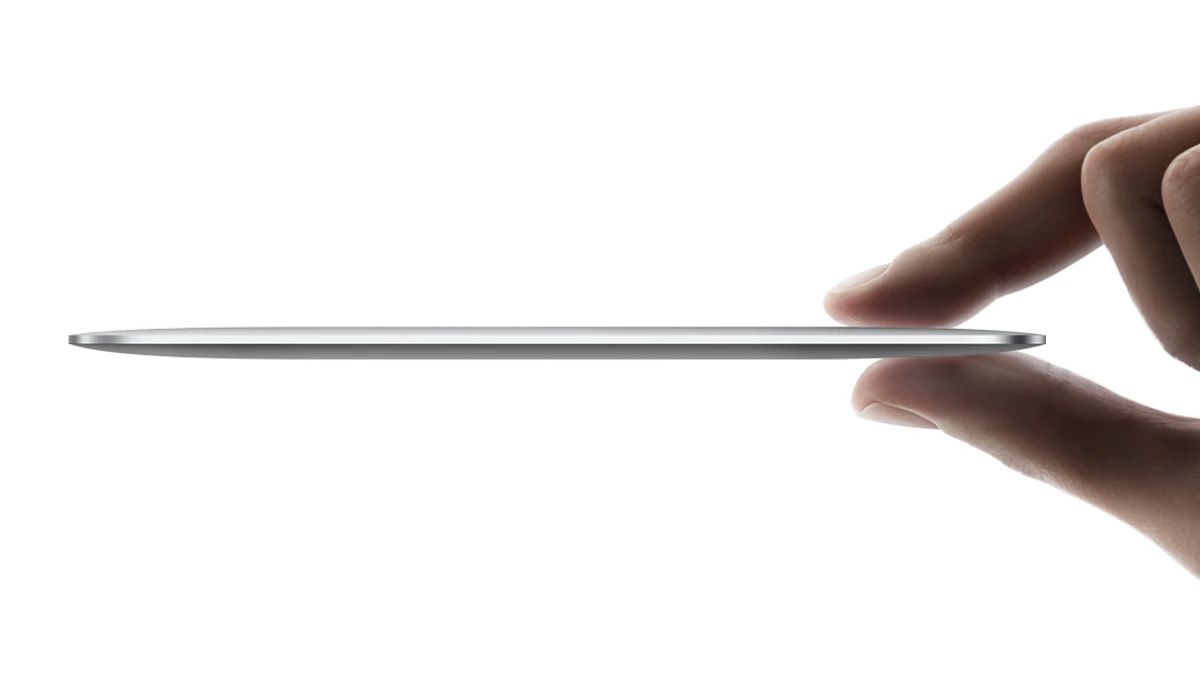
major retailers like B&H Photo, bringing this remarkable engineering feat one step closer to consumer hands.
Prospective buyers looking to add the ultra-slim storage solution to their workflows will need to budget accordingly for its specialized design. The 512GB version of the Lexar Muse carries a pre-order price tag of $249.99, while doubling the storage capacity to 1TB pushes the cost up to $399.99. These figures reflect not only the high-density flash memory components required to achieve such a compact size, but also the advanced manufacturing techniques and bespoke engineering needed to pack robust solid-state performance into a chassis that is thinner than many credit cards.
The primary appeal of the Muse lies in its supreme portability and thoughtful integration with modern mobile devices. Designed with everyday carry in mind, the drive can effortlessly slip into the tightest jeans pocket without creating an unsightly bulge or causing discomfort. However, Lexar recognized that pockets are not always the most practical location for mobile content creators who rely on external storage while actively shooting. To solve this, the company includes a MagSafe-compatible magnetic sleeve in the package, allowing the SSD to snap securely onto the back of a compatible smartphone.
This magnetic mounting system minimizes extra bulk, transforming the phone and the attached SSD into a single, cohesive unit. This setup proves exceptionally valuable for mobile videographers and content creators who use their smartphones to capture high-resolution video footage. By mounting the Muse directly to the back of the phone, creators can record high-bitrate video straight to the external drive in real-time, eliminating the storage limitations built into mobile devices while avoiding the cumbersome dangling cables and awkward rigging hardware that have traditionally plagued external mobile storage setups.

Achieving such an extraordinarily slim profile required a complete rethinking of internal hardware layout and component selection. Traditional portable SSDs rely on standard circuit boards and off-the-shelf components that dictate a certain minimum thickness. To bypass these limitations, Lexar utilized a custom-designed ultra-thin printed circuit board paired with high-density NAND flash memory stacking. This advanced multi-layer approach allows memory chips and controller components to occupy a fraction of the vertical space typically required in standard external drives.
Surrounding this dense internal architecture is a precision-machined unibody metal enclosure. Beyond giving the Muse a premium look and feel that harmonizes cleanly with modern aesthetic standards—particularly those set by Apple’s line of Mac computers—the metal chassis serves a vital functional purpose. In ultra-compact electronics, heat dissipation is often a significant engineering hurdle, as tightly packed components generate thermal energy that can throttle performance if not managed properly. The unibody metal construction acts as an efficient passive heatsink, drawing heat away from the internal components and dispersing it across the outer surface to maintain stable operating temperatures during sustained read and write operations.
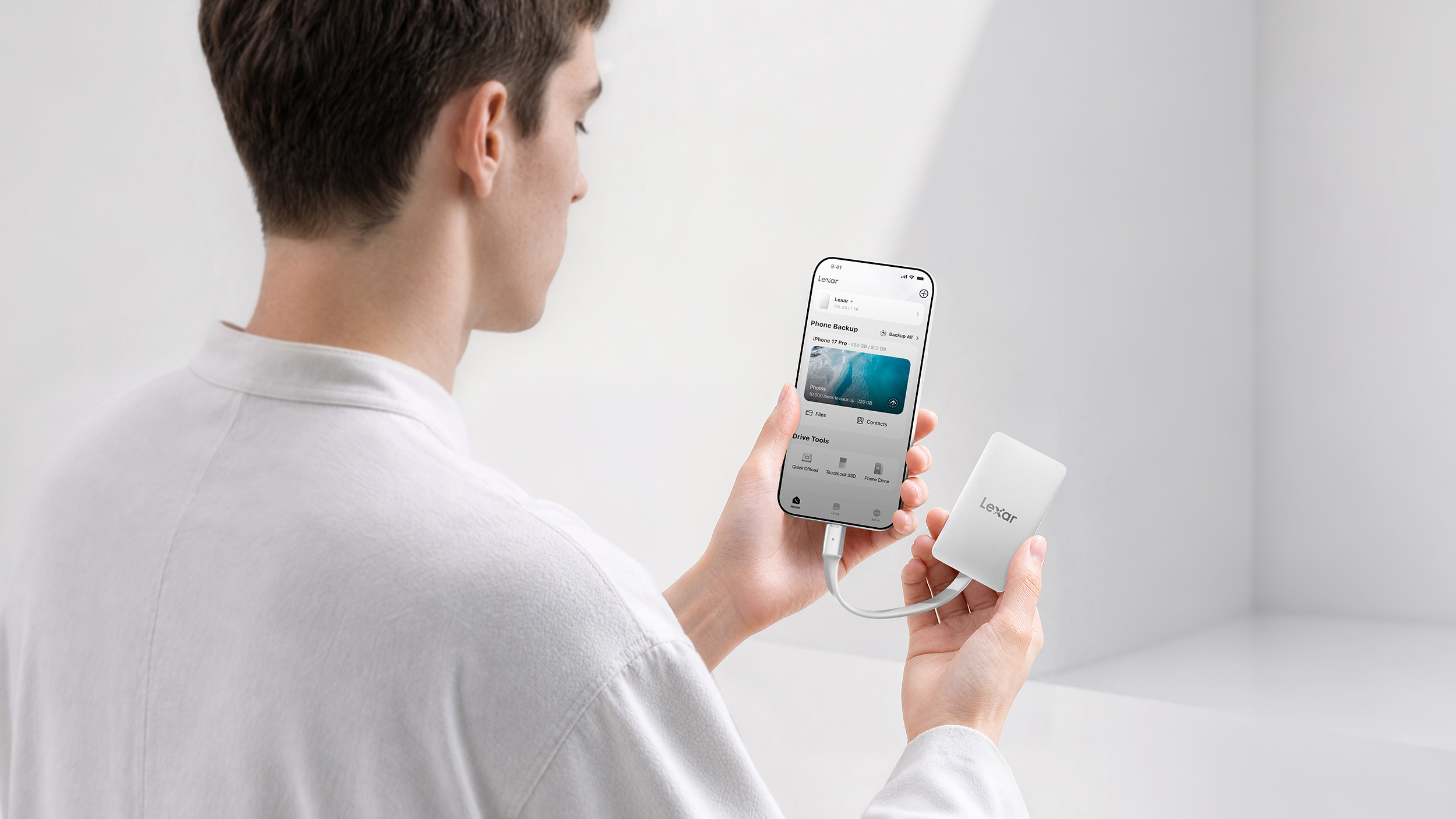
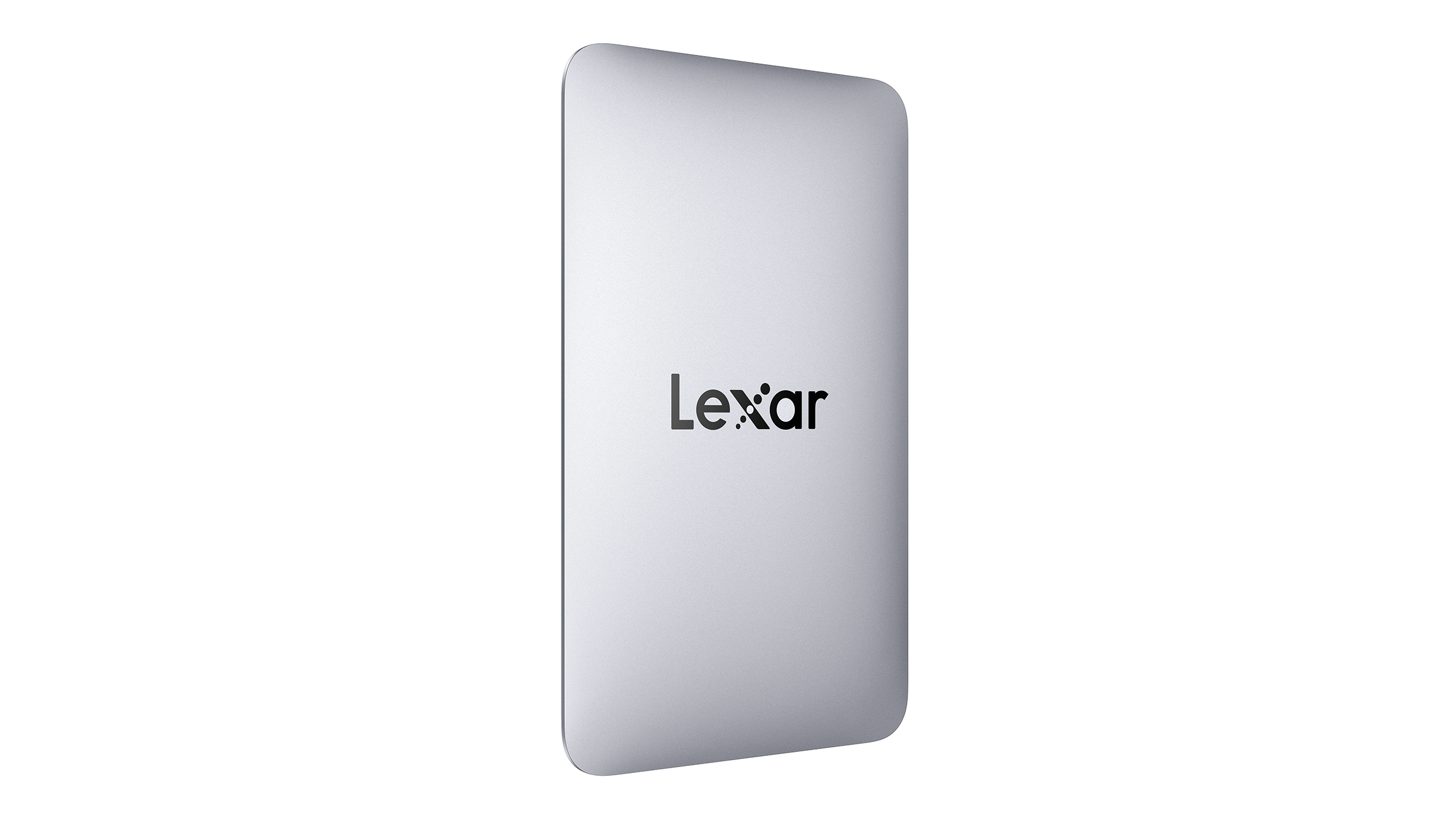
Another distinctive design choice that sets the Muse apart from conventional portable drives is its connection system. Eschewing the ubiquitous standard USB-C port found on virtually every other modern SSD, Lexar developed a proprietary SnapLink Magnetic Cable. This specialized cable attaches to a recessed array of tiny pogo pins positioned on the rear surface of the SSD. To ensure a reliable connection without requiring users to fumble with precise alignment, Lexar integrated N52-grade neodymium magnets into the assembly. These high-strength magnets automatically guide the cable connector into the correct position and hold it firmly in place, ensuring that the data link remains secure even if the drive and attached device are handled dynamically during a shoot.
Despite its remarkably slender dimensions and unconventional connection mechanism, the Lexar Muse does not compromise on raw data transfer performance. The drive is capable of delivering impressive benchmark speeds, reaching up to 1050MB/s for read operations and a maximum of 1000MB/s for writes. This level of throughput is more than sufficient to handle demanding professional tasks, bridging the performance gap between compact convenience and heavy-duty workflow requirements.
Crucially, this performance profile unlocks advanced capabilities for mobile filmmakers. Compatible smartphones, such as late-model iPhones equipped for professional video codecs, can leverage the Muse’s high sustained write speeds to record Apple ProRes 4K video footage at frame rates up to 120fps directly to the external drive. By circumventing the internal storage bottlenecks of the phone, creators can capture cinema-quality footage continuously without worrying about running out of space or encountering dropped frames, cementing the Lexar Muse as a specialized tool tailored directly to the demands of modern multimedia production.